A few hours of rain overwhelm the capital
Colombo received 129 millimetres of rain within a few hours on November 6, overwhelming roads and prompting Mayor Vraie Cally Balthazaar to call attention to a drainage system she said was designed to handle about 30 millimetres. By 6 a.m. on November 7, the Disaster Management Centre recorded an even higher total in Thimbirigasyaya: 146.6 millimetres over 12 hours.
Contents
Balthazaar said the downpour brought more than four times the amount the drainage system was designed to accommodate. A special discussion with the relevant authorities was underway to identify urgent responses to flooding in the capital.
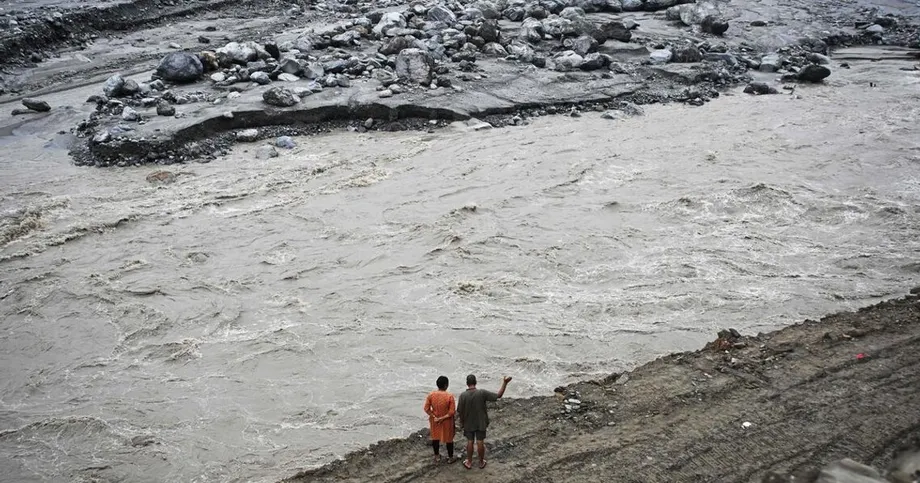
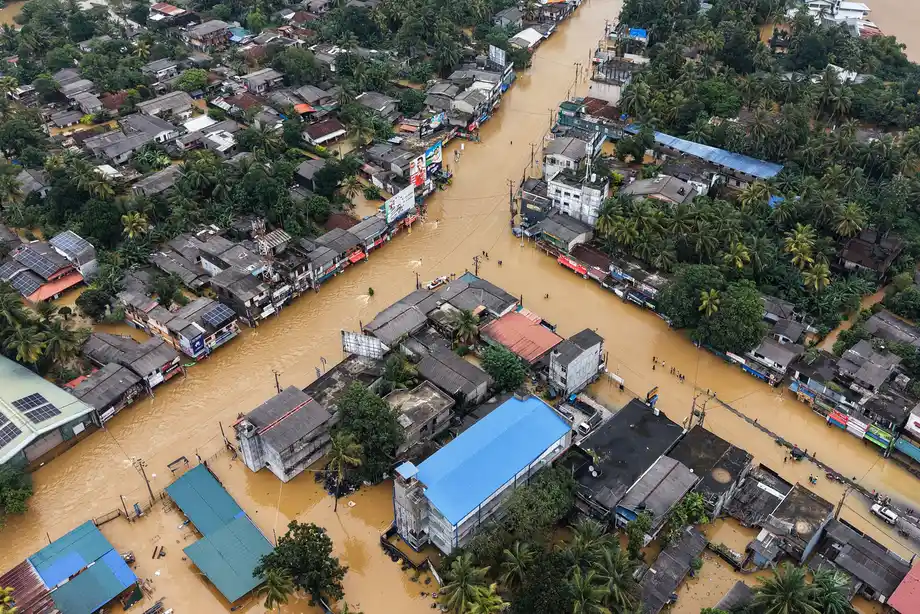
The rain submerged roads, disrupted daily activities and slowed traffic during the evening rush hour. Motorists faced lengthy congestion as water spread across several routes in Colombo and surrounding areas.
Director General of Meteorology Ajith Wijemanna identified two problems acting together: exceptionally intense rainfall over a short period and blocked drains that kept water from escaping quickly. Opposition politicians have meanwhile accused the Colombo Municipal Council of failing to maintain drains and canals, turning the flooding into a dispute about preparedness as well as infrastructure.
What the rainfall measurements show
The Department of Meteorology recorded the 129 millimetres at its Colombo station. The Disaster Management Centre figures cover a different measurement period, the 12 hours ending at 6 a.m. on November 7, and show how much rainfall varied between locations.
Thimbirigasyaya recorded 146.6 millimetres, Mattakkuliya 125.5 millimetres, Bopagama 117.6 millimetres and Piliyandala 68 millimetres. Thimbirigasyaya had the highest reading in the centre's update.
Thimbirigasyaya received more than twice Piliyandala's rainfall during that period: 146.6 millimetres compared with 68. The difference matters because neighbouring communities can face very different amounts of water even during the same storm.
The sequence of events shows how the disruption developed from an evening downpour into a wider discussion about the city's response:
- November 6, evening: the Department of Meteorology recorded 129 millimetres in Colombo within a few hours, while flooding submerged roads and disrupted traffic.
- November 7, 6 a.m.: the Disaster Management Centre's measurement period ended, with Thimbirigasyaya recording 146.6 millimetres over 12 hours.
- November 7: the mayor described the pressure on drainage capacity, while opposition figures demanded action on maintenance and flood management.
How much water is 129 millimetres?
One millimetre of rain equals one litre of water falling on one square metre. A rainfall measurement describes the depth water would reach on a flat surface if none flowed away or soaked into the ground.
At the Colombo station's recorded total, each square metre received 129 litres. A roof covering 100 square metres would therefore have received 12,900 litres, enough to fill almost thirteen tanks holding 1,000 litres each.
The same roof in Thimbirigasyaya would have received 14,660 litres during the Disaster Management Centre's 12 hour measurement period. In Piliyandala, it would have received 6,800 litres. That is a difference of 7,860 litres on roofs of identical size.
Colombo's average rainfall for the whole of November is 345.8 millimetres, based on the 1991 to 2020 average. The 129 millimetres recorded within a few hours amounted to about 37% of that monthly average. For drains, the challenge was receiving so much water before the previous flow had time to leave.
Why the speed of rainfall matters
Balthazaar's comparison places the 129 millimetres at 4.3 times the approximately 30 millimetres she cited as the drainage system's design capacity. Her statement did not specify the time period attached to that capacity figure; drainage performance depends on how quickly rain arrives as well as its total volume.
A drain carries a limited volume of water at any moment. When runoff enters faster than it can leave, water collects on the surface and spreads into roads and other low areas. Roofs, paved yards and roads send water towards drains quickly, while open soil can absorb some of it.
Wijemanna, the Director General of Meteorology, said both obstructions and the intensity of the rain contributed to the flooding:
"Blocked drains prevented rainwater from flowing away quickly, prolonging the flooding. Colombo has experienced much heavier rainfall in the past, including 493 mm in 1992 and 440 mm in 2010. However, this time, the exceptionally high intensity of rainfall within a short period caused the flash floods," he added.
The two problems call for different responses. Clearing an obstruction can restore the space available for water to pass through an existing drain. Accommodating larger flows may require changes to drainage infrastructure. The mayor's capacity explanation and Wijemanna's account of blockages put both issues at the centre of the response.
What drove the downpour?
Wijemanna attributed the heavy rainfall to several atmospheric conditions, including the Intertropical Convergence Zone and the prevailing second intermonsoon conditions.
The Intertropical Convergence Zone, often shortened to ITCZ, is a belt where winds from the Northern and Southern Hemispheres meet. Converging air rises, helping clouds develop and produce heavy showers. The second intermonsoon is the seasonal transition between monsoons, when Sri Lanka can experience intense rain and thunderstorms.
The Department of Meteorology advised the public to take precautions during thundershowers, particularly against lightning and temporary strong winds. Authorities continued monitoring conditions and urged people in affected areas to follow official weather warnings and safety instructions.
For residents navigating flooded streets, the immediate concerns extended beyond the amount of rain. Submerged roads interrupted journeys and ordinary daily activities, while continuing thunderstorms brought additional weather hazards.
Opposition demands answers on maintenance
The United National Party accused authorities of failing to prepare for the November 6 flooding. In a statement signed by executive committee member Dinook Colombage, the party alleged that the Colombo Municipal Council had failed to maintain drains and canals properly.
The UNP called for an explanation from the mayor and council. It said residents, particularly motorists, had faced dangerous conditions during the evening flooding.
The party also alleged that authorities had ignored repeated local and international warnings of rainfall above the seasonal average linked to El Niño. That was the UNP's account of preparedness; Wijemanna's explanation of the immediate weather conditions focused on the ITCZ and the second intermonsoon.
Opposition Leader Sajith Premadasa made similar complaints on November 7 at an event to establish a youth organisation in Agalawatta, in Kalutara District. He described Colombo as having become like a reservoir after the previous evening's rain.
Premadasa alleged that drains had not been properly cleaned or restored and called for repairs and a flood management plan. He also criticised the government's readiness for heavy rain and drought despite advance warnings. The mayor's announced discussion with relevant authorities was the immediate response described, with no timetable given for repairs or a completed flood management plan.
An unfinished project enters the debate
The UNP also urged the government to prioritise work under the Metro Colombo Urban Development Project, which it described as supported by the World Bank and including a US$104 million project to reduce flooding.
According to the party's statement, the work began in 2018 under a UNP administration and could not be completed following Sri Lanka's economic crisis in 2022. The party presented its completion as a way to reduce the risk of similar flooding.
The project's history and status were raised as part of the UNP's political statement. The practical issue now facing Colombo is how urgent maintenance work will connect with larger investments intended to move stormwater through and away from the city.
Wijemanna's description of blocked drains points to work on existing channels, while Balthazaar's capacity figures bring attention to the amount of water the network can accommodate. A response covering both would need to address the condition of drains as well as the flows they are expected to carry.
What households can hold back
Rainwater collection offers a smaller, local way to keep some roof runoff out of roadside drains during a downpour. Using the Lanka Rain Water Harvesting Forum's calculation method, a roof covering 100 square metres could collect about 10,320 litres from 129 millimetres of rain if 80% reached the gutters and storage system.
The 80% share is an assumption; the amount collected changes with the roof and collection arrangements. Storage capacity also limits how much water can be retained. A tank holding 1,000 litres would fill after roughly 12.5 millimetres of rain on that roof, assuming it started empty and the same collection rate applied.
Once a tank fills, additional water needs somewhere to go. Rainwater storage therefore works alongside maintained drains and suitable outlets. It can keep part of a household's runoff off the street, while the wider network handles water from roads, other buildings and surrounding land.
Polythene, leaves and building sand can reduce the space available in drains. Keeping these materials out of drainage channels and retaining suitable areas where water can soak into the ground address some of the local pressures described during the storm. Across Colombo, the larger task remains organising maintenance and infrastructure work around the intense rainfall that brought traffic and daily activities to a halt.
Key Points
- Colombo's meteorological station recorded 129 millimetres of rain within a few hours on November 6.
- Mayor Vraie Cally Balthazaar said the drainage system was designed to handle about 30 millimetres and announced discussions on urgent solutions.
- Thimbirigasyaya recorded 146.6 millimetres in the 12 hours ending at 6 a.m. on November 7, according to the Disaster Management Centre.
- Meteorology Director General Ajith Wijemanna identified intense rainfall and blocked drains as contributors to the flooding.
- The UNP and Opposition Leader Sajith Premadasa demanded better drainage maintenance and flood management.
- Authorities urged affected residents to follow official weather warnings and take precautions against lightning and strong winds.