Cabinet approval brings reciprocal travel agreement closer
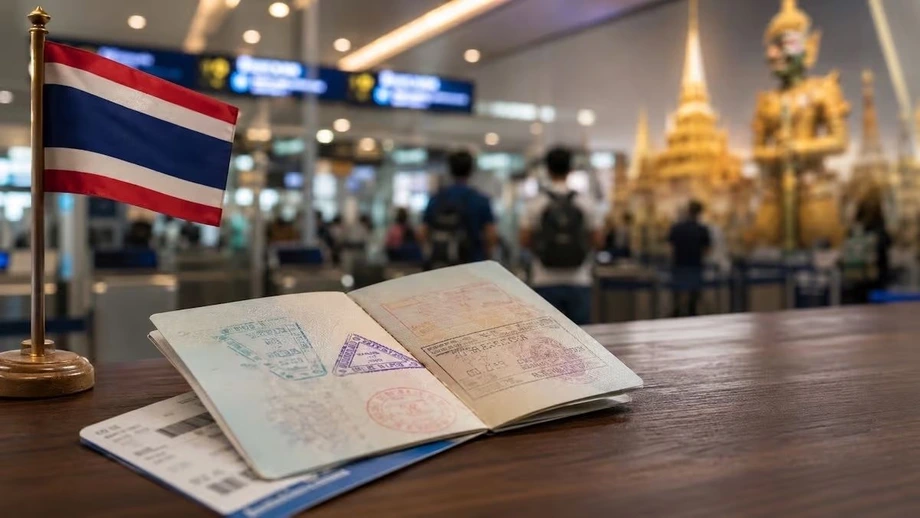
Thailand's Cabinet endorsed a draft visa exemption agreement with Sri Lanka on November 17, 2026, allowing ordinary passport holders to visit the other country for up to 30 days at a time once the agreement takes effect. Visits would be capped at a combined 90 days within a 180 day period.
Contents
- Cabinet approval brings reciprocal travel agreement closer
- How the 30 and 90 day limits would work
- Tourism is covered, work and study require visas
- What both governments have approved
- How the travel rules reached this point
- The diplomatic clock starts after domestic procedures
- Either country could suspend or end the agreement
- Cultural and religious travel is a stated priority
- Key Points
Deputy government spokesperson Ploythalay Laksameesaengjan said the Cabinet also authorised Thailand's foreign minister, or a designated representative, to sign the agreement. Sri Lanka's Cabinet had already approved a proposal to sign, with that decision announced on October 6.
The next steps are signing and completion of the required domestic procedures in both countries. The agreement would take effect on the 60th day after receipt of the final diplomatic notification confirming those procedures are complete. No signing date or starting date for the exemption was announced.
For travellers, the proposed arrangement offers matching terms in both directions: Thai citizens visiting Sri Lanka and Sri Lankan citizens visiting Thailand would receive the same limits on the length and combined duration of their visits. Employment, education, media work and other activities requiring prior permission would remain outside the exemption.
How the 30 and 90 day limits would work
Ordinary passport holders would be exempt from visa requirements when entering, leaving or passing through the other country's territory for eligible travel. An ordinary passport is the regular passport most citizens use, rather than a diplomatic or official passport.
Two limits would apply together. Each visit could last no more than 30 days, while all visits combined could total no more than 90 days within a 180 day period. Leaving the country and returning would therefore still leave a traveller subject to the combined limit.
A simple example shows the difference: three visits of 30 days each would use the full 90 day allowance within the relevant 180 days. A single uninterrupted stay of 90 days would require the appropriate visa because it exceeds the limit for one visit.
The 90 day allowance amounts to half of the 180 day period. Travellers making repeated visits would need to keep track of both the length of each trip and the total days already spent in the destination country.
Tourism is covered, work and study require visas
Sri Lankan Minister Nalinda Jayatissa described the proposed exemption as an arrangement for general tourism. The Sri Lankan announcement specifically excluded employment, education, media activities and other purposes requiring prior official approval.
Thailand's account likewise said anyone planning to work, study, undertake activities requiring advance authorisation or remain for more than 30 days would need the appropriate visa before entering. A short trip for an excluded purpose would still require the relevant permission, even if it lasted only a few days.
A tourist planning a two week holiday would fall within the proposed time limit. Someone travelling to take a job, attend a course or carry out media work would need to follow the visa requirements for that activity. The purpose of the journey matters alongside its duration.
The explicit reference to media activities in Sri Lanka's announcement is useful for journalists and other people travelling for professional assignments. Their trip would fall under the rules for activities needing prior approval rather than the general tourism exemption.
What both governments have approved
Sri Lanka's Cabinet approved a proposal presented by the Minister of Public Security and Parliamentary Affairs to proceed with signing the agreement. Jayatissa said the arrangement was intended to strengthen friendly relations and make travel easier for citizens of both countries.
Jayatissa, a Sri Lankan minister announcing the Cabinet decision, described the purpose of the agreement:
Both parties have agreed to enter into an agreement on visa exemption for holders of ordinary passports, with the aim of further strengthening the friendly relations between Sri Lanka and Thailand and facilitating travel for their citizens.
Thailand's November decision gave its Ministry of Foreign Affairs several tasks. The ministry may issue a full powers document to a representative designated to sign. That document formally authorises the representative to act for the government in signing the agreement.
The ministry may also make necessary changes to the draft, provided they remain consistent with the principles approved by the Cabinet. It must then inform the Cabinet, explaining the reasons for those changes and the benefits to Thailand. The ministry was also authorised to take the steps needed to bring the agreement into force.
How the travel rules reached this point
Sri Lankan passport holders have faced several changes to Thailand's visa exemption arrangements since 2024. The proposed bilateral agreement would set out a reciprocal framework with specific limits for both nationalities.
- 2024: Thailand granted Sri Lankan passport holders an exemption for stays of up to 60 days for tourism, business engagements, urgent work or ad hoc work.
- Before September 2026: Thailand subsequently reduced the permitted stay to 30 days.
- September 15, 2026: Thailand removed Sri Lanka from its 60 day visa exemption scheme.
- October 6, 2026: Sri Lanka's approval of a proposal to sign the reciprocal agreement was announced.
- November 17, 2026: Thailand's Cabinet endorsed the draft and authorised its signing.
The proposed 30 day limit is half the 60 days offered under Thailand's 2024 arrangement. The new proposal also focuses on general tourism, with work and activities requiring prior permission handled through the appropriate visas.
For travel in the opposite direction, Sri Lanka was offering Thai visitors a visa free stay of 30 days for a single entry, after obtaining an online Electronic Travel Authorization, or ETA, according to the October announcement. An ETA is an electronic permission obtained before travel. Travellers planning a trip before the new agreement begins should check the entry requirements applying on their departure date.
The diplomatic clock starts after domestic procedures
Both governments must complete their required domestic steps and confirm that through written diplomatic notifications. Diplomatic channels are the formal routes governments use to communicate with each other.
The final notification is the key starting point: the agreement would enter into force on the 60th day after that notification is received. The waiting period is tied to completion of those procedures, rather than to either Cabinet's approval date.
For people arranging holidays, this makes the eventual commencement announcement important. The Cabinet decisions authorise the governments to move ahead, while the formal notification process determines when travellers can begin using the new arrangement.
Either country could suspend or end the agreement
Thailand or Sri Lanka could suspend the agreement, in full or in part, for reasons of public order, public health or national security. Ploythalay said written notice of a suspension or its cancellation would have to pass through diplomatic channels at least 30 days in advance.
Ending the agreement would follow a different timetable. Either government could give written notice through diplomatic channels, with termination taking effect on the 90th day after the other government received it.
Those provisions give both governments a way to respond to health or security concerns while setting notice periods for changes. A suspension would pause all or part of the arrangement; termination would end it.
Cultural and religious travel is a stated priority
Ploythalay said the agreement was intended to encourage contact between people in Thailand and Sri Lanka, which share close Buddhist and cultural links. She identified cultural tourism and religious activities as areas that could benefit Thailand's tourism industry.
For eligible tourists, removing the need to obtain a visa would reduce one administrative step when planning a visit. The reciprocal terms would apply the same basic travel allowance to citizens of each country, while keeping longer stays and activities needing permission under separate visa procedures.
Key Points
- Thailand endorsed the draft on November 17, 2026, following Sri Lanka's approval announced in October.
- Eligible ordinary passport holders could stay for up to 30 days per visit and 90 days within 180 days.
- Employment, education, media activities and other purposes requiring prior approval are excluded.
- The agreement would begin 60 days after receipt of the final notification confirming completion of domestic procedures.
- No signing date or commencement date was announced.
- Either country could suspend the arrangement on specified grounds or terminate it with formal notice.