A Bigger Tourism Economy Despite Fewer Foreign Visitors
Thailand is targeting at least 4 trillion baht, about $118 billion, in annual tourism revenue by 2032 under a draft national plan approved by its National Tourism Policy Committee on October 30, 2026. The target includes spending by both international visitors and domestic travellers and would represent an increase of about 48% from the 2.7 trillion baht earned in 2025.
Contents
- A Bigger Tourism Economy Despite Fewer Foreign Visitors
- What the Five Pillars Would Change
- Why the Recovery Is Losing Ground
- China Grows While Other Major Markets Shrink
- Cruise Ports, Marinas and Provincial Routes
- Airport Changes Are Already Under Way
- Visa Proposals Focus on New Spending
- The Next Dates and a Government Reorganisation
- A Recovery Forecast Before the New Plan Begins
- Key Points
The Fourth National Tourism Development Plan covers 2028 to 2032. At the meeting chaired by Deputy Prime Minister Suphajee Suthumpun, the committee also backed a goal of placing Thailand among the top 30 countries in the World Economic Forum's Travel & Tourism Development Index, which assesses conditions supporting travel and tourism.
The ambition comes during a difficult period for the industry. The University of the Thai Chamber of Commerce (UTCC) forecasts that foreign arrivals will fall 4.5% to 31.5 million in 2026, compared with nearly 33 million in 2025. That would mark a second consecutive annual decline.
Thailand's proposed response reaches beyond attracting more people. The plan seeks better services, visitors who spend more, stronger safety systems and a wider distribution of tourism income among small businesses and communities. Cruise terminals, yacht marinas, airport processing and possible visa changes form part of the broader policy agenda.
The central challenge is to grow spending while rebuilding demand. The revenue goal requires an additional 1.3 trillion baht a year compared with 2025. Hotels, restaurants, transport operators and local attractions would need to capture that growth while facing higher travel costs and stronger competition from other Asian destinations.
What the Five Pillars Would Change
The draft plan groups its work into five areas, linking the quality of a visitor's trip with investment, environmental management, safety and the use of information. Its revenue target is paired with measures intended to make tourism more reliable and spread its benefits beyond the busiest destinations.
- Quality and value: improve tourism products, service standards and infrastructure.
- Sustainability: promote tourism with lower carbon emissions, spread income to secondary cities and manage how many visitors destinations can accommodate.
- Competitiveness: strengthen marketing, encourage investment and bring artificial intelligence into tourism businesses.
- Resilience: improve safety, warning systems and arrangements for helping the industry recover after crises.
- Data and cooperation: connect databases and use information to guide decisions across agencies.
Managing a destination's capacity means considering how many visitors its transport, facilities and environment can support. The plan connects that task with attracting more spending, rather than relying entirely on a rising number of arrivals.
For small businesses, the goal of spreading income matters alongside the national total. Trips that include provincial attractions, local guides, farms and community businesses can distribute spending across more operators. The committee has approved a draft, with final adoption and detailed delivery arrangements still ahead.
Why the Recovery Is Losing Ground
UTCC recorded 23.20 million international arrivals in the first nine months of 2026, down 3.8%, or approximately 916,019 visitors, from the same period a year earlier. The pace of decline worsened as the year progressed: arrivals fell 2.4% in the first quarter, 4.4% in the second and 5% in the third. September alone recorded a fall of 10.5%.
A university survey of 368 tourism operators shows why the slowdown reaches deeply into the industry. Some 63% of respondents depended on foreign visitors for at least a quarter of their revenue. Fewer international customers can therefore affect businesses well beyond major hotels.
External pressures, including conflict in the Middle East, global economic conditions and higher travel costs, accounted for 48.1% of responses about the decline. Domestic constraints represented 25.3%, while travellers choosing competing destinations accounted for 21.7%.
Domestic obstacles and competition together made up 47% of responses, almost matching the share attributed to external pressures. Thanavath Phonvichai, UTCC president and chairman of the advisory board of its Center for Economic and Business Forecasting, argued that Thailand also needed to address weaknesses in its competitiveness.
Vietnam is challenging Thailand through value for money and new attractions, while China and Japan have also strengthened their appeal as destinations. Within Thailand, operators identified fewer flights, uncertainty over visa policies, border checkpoint difficulties and safety concerns as obstacles.
China Grows While Other Major Markets Shrink
China was the only one of Thailand's five leading visitor markets to expand during the first nine months of 2026. Chinese arrivals increased 15.2% to 3.94 million, according to figures presented by Wichian Kaewsombat, director of UTCC's Trade Strategy Institute.
The other four leading markets contracted. Arrivals from Russia slipped 0.1% and those from India fell 2.5%. The reductions were much sharper for Malaysia, at 15.2%, and South Korea, at 25.4%. Growth from China therefore came alongside losses across several other important sources of visitors.
Tourism operators placed access near the top of their requests for government action. Increasing direct flights and resolving border checkpoint problems were cited by 42% of respondents as the most urgent measures. Easier journeys are particularly relevant when travellers can choose among competing destinations.
China also remained the market businesses regarded as most promising, accounting for 43% of responses. Markets in the Association of Southeast Asian Nations, India and South Asia together accounted for 26%, followed by Europe at 16%.
Suphajee called for action against human trafficking, scams and technology related crime because of their effect on visitor confidence, particularly in China. She also asked the Tourism Authority of Thailand (TAT) to review the country's tourism market profile with a focus on visitors who generate greater economic value.
Cruise Ports, Marinas and Provincial Routes
The government identified cruise and yacht tourism as segments capable of generating substantial revenue, while acknowledging that Thailand needs more suitable facilities. It asked TAT to work with other agencies on a framework for developing cruise terminals and yacht marinas.
Those facilities perform different jobs. Cruise terminals handle passenger ships and the movement of large groups ashore. Marinas provide places for yachts to berth and obtain services. Expanding either requires coordination between tourism promotion and the agencies responsible for infrastructure.
The committee also discussed building on Thailand's hosting of the 2026 IMF and World Bank annual meetings to attract travellers with greater spending power. Proposed routes would connect Bangkok with nearby provinces, including Phra Nakhon Si Ayutthaya, allowing visits to extend beyond the capital.
Other proposals included tourism event calendars for every province in several languages, agricultural tourism and fruit tours, especially in eastern Thailand. Taiwan, Vietnam, Malaysia, Indonesia and Singapore were among the nearby markets receiving attention. These measures give the plan's income distribution goal a practical form: more places and businesses included in a visitor's itinerary.
Airport Changes Are Already Under Way
Suvarnabhumi Airport has expanded access to automated passport processing from two countries and territories to 33. The eligible nationalities represented around 57% of people entering Thailand in 2025, giving the change a potentially broad reach.
The airport has also staffed all immigration lanes and increased waiting space. These measures address the arrival experience, one of the domestic issues businesses want the government to improve.
Automated passport gates use technology to check travel documents and process eligible passengers. Eligibility for those gates and permission to enter Thailand are separate requirements: travellers still need to meet the entry rules that apply to their nationality.
Visa Proposals Focus on New Spending
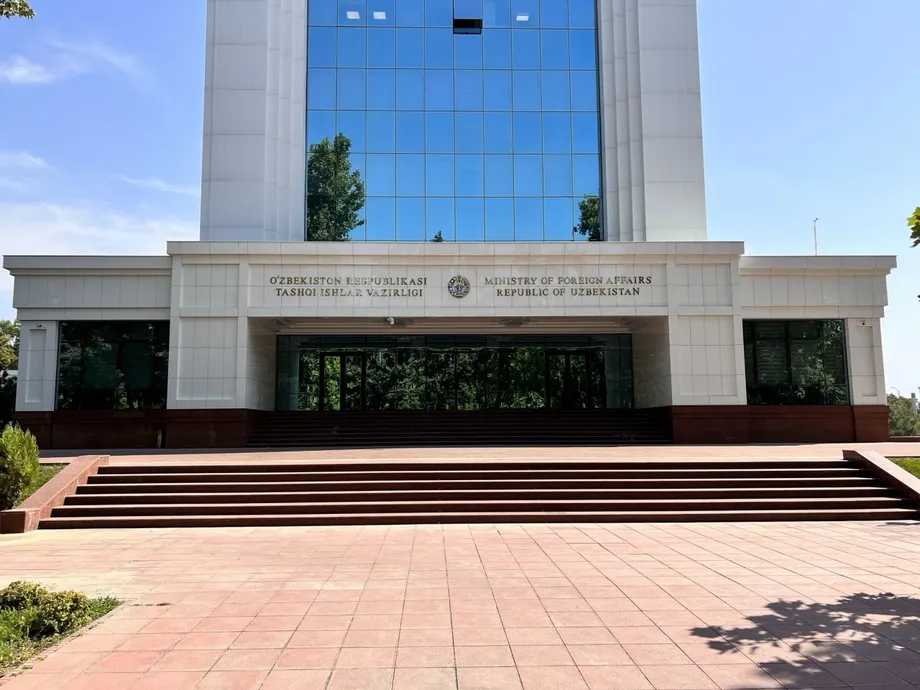
TAT is seeking a review of visa exemption measures for Mexico and Colombia, alongside proposals concerning Uzbekistan and Belarus. The measures are due to go before the relevant committee on November 9, 2026, and have not taken effect. Faster processing of electronic visas has also been requested while the review continues.
The spending figures for Mexico and Colombia explain the interest. Together, the two countries sent 77,445 visitors to Thailand in 2025, generating 3.947 billion baht in tourism revenue. TAT put average spending at approximately 50,932 baht per visitor.
Those numbers provide a concrete example of the plan's focus on value. Mexico and Colombia supplied far fewer visitors than Thailand's largest Asian markets, but their recorded spending gives officials a reason to consider making travel easier from those countries.
A proposed fee for foreign tourists also remains pending. The committee was told that initial public consultation had been broadly positive, but approval to begin collection had not been given. Travellers and businesses therefore face proposed changes rather than a new fee already in operation.
The Next Dates and a Government Reorganisation
The tourism programme is moving alongside a proposed reallocation of responsibilities involving the Ministry of Tourism and Sports and the Ministry of Culture. A bill to reorganise ministries and departments is scheduled to go before parliament on November 4, 2026.
The National Tourism Policy Committee has established a transitional tourism strategy subcommittee chaired by Weerasak Kowsurat, chairman of the deputy prime minister's advisory team. Its purpose is to keep major policies and projects moving during the organisational changes.
The sequence of decisions places immediate administrative work ahead of the five year plan:
- October 30, 2026: the National Tourism Policy Committee approved the draft Fourth National Tourism Development Plan.
- November 4, 2026: the government reorganisation bill is scheduled to go before parliament.
- November 9, 2026: TAT plans to present the visa proposals to the relevant committee.
- 2028 to 2032: the proposed national tourism plan would operate, targeting annual revenue of at least 4 trillion baht by its final year.
For tourism businesses, these decisions affect different parts of the same journey: which agency manages policy, how easily visitors can enter, and whether destinations have the facilities needed to serve them.
A Recovery Forecast Before the New Plan Begins
UTCC expects foreign arrivals to recover to 34 million in 2027, up 7.9% from its 2026 forecast, with international visitor revenue of approximately 1.63 trillion baht. Its scenarios range from 32.57 million arrivals in the weakest case to 35.44 million in the strongest.
The university identifies persistently high energy prices linked to Middle East tensions as a continuing risk. Higher fuel and travel costs would put pressure on a recovery already facing stronger regional competition.
The 2027 revenue forecast covers international visitors, while the 4 trillion baht target includes domestic tourism as well. Thailand's progress will therefore depend on spending by residents travelling within the country as well as money brought in by foreign tourists.
The immediate tasks are concrete: improve flight and border access, maintain visitor confidence, decide the proposed entry measures and prepare infrastructure investment. The longer plan ties those tasks to a broader aim of earning more from tourism and directing more of that income to communities.
Key Points
- Thailand's draft tourism plan targets at least 4 trillion baht in annual revenue by 2032, about 48% above 2025.
- The 2028 to 2032 plan also seeks a place among the top 30 countries in the Travel & Tourism Development Index.
- UTCC forecasts 31.5 million foreign arrivals in 2026, followed by a recovery to 34 million in 2027.
- Priorities include service quality, safety, cruise terminals, yacht marinas and income for provincial businesses.
- Suvarnabhumi's automated passport processing now covers 33 countries and territories.
- Visa proposals for Mexico, Colombia, Uzbekistan and Belarus await consideration; collection of a foreign tourist fee has not been approved.