168,625 visitors, but a weaker earnings picture
Sri Lanka welcomed 168,625 tourists in October 2026, setting a record for the month as India supplied 37% of arrivals. Yet the stronger visitor count came alongside a weaker financial picture: Central Bank of Sri Lanka figures put tourism earnings for January through September at US$2.25 billion, down 9.2% from a year earlier.
Contents
- 168,625 visitors, but a weaker earnings picture
- India supplies more than one in three October visitors
- A stronger Indian market has not erased the annual shortfall
- Why visitor numbers and tourism income are moving apart
- September shows how spending can change the result
- More spending abroad narrows the services surplus
- The revised targets require a much faster finish
- Conflict and fuel prices add pressure
- The debate shifts toward value per visit
- Key Points
The Sri Lanka Tourism Development Authority (SLTDA) recorded 3,432 more arrivals in October than the previous October record of 165,193 in 2025, an increase of 2.08%. The improvement brought arrivals during the first 10 months to more than 1.86 million, still about 1.5% below the corresponding period last year.
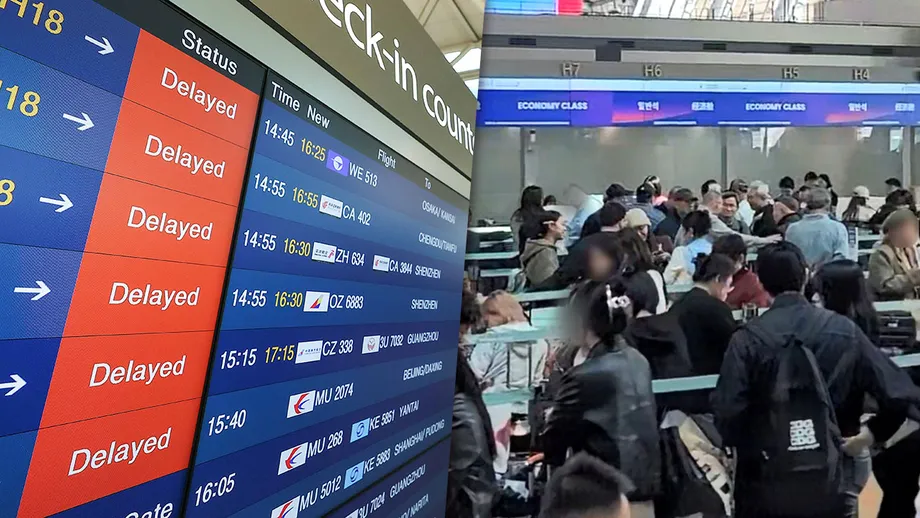
India drove much of the latest growth, sending 62,211 visitors in October. Arrivals from that market rose 19.79% from September, reaching their highest monthly level of 2026. Meanwhile, travel disruption associated with conflict in the Middle East continued to affect routes from Europe and raise travel costs.
The central issue for hotels, restaurants, transport operators and the wider economy is how much visitors spend, alongside how many arrive. During the first nine months, tourism earnings fell much faster than arrivals, which declined 1.8%. October tourism earnings were not included in the figures, leaving the financial return from the latest increase in visitors unknown.
India supplies more than one in three October visitors
India's 62,211 arrivals exceeded its earlier monthly peaks of 60,342 in May and 52,062 in January. Its October contribution was roughly five times the United Kingdom's 12,402 visitors, showing how heavily the month's performance depended on Sri Lanka's largest source market.
The United Kingdom accounted for about 7% of October arrivals. China followed with 11,190 visitors, also about 7%, while Australia contributed 8,509 and Germany 8,027, each representing about 5%. Russia, France, Bangladesh, the United States and the Maldives were also among the main markets.
October's daily average reached 5,440 arrivals, compared with 5,329 a year earlier. The busiest day was October 17, when 7,045 tourists arrived. That daily peak was about 30% above the monthly average, illustrating how demand can vary even within a stronger month.
A stronger Indian market has not erased the annual shortfall
India supplied 499,625 visitors between January and October, accounting for about 27% of total arrivals. That was 76,220 more than in the same period of 2025. Using those figures, Indian arrivals grew by approximately 18%, from 423,405 a year earlier.
The United Kingdom ranked second over the first 10 months with 173,129 visitors, followed by China with 123,740, Germany with 105,305 and Australia with 95,498. India and Australia recorded growth, China improved, and the United Kingdom and Germany remained below their corresponding totals last year.
India's share rose from about 27% across the first 10 months to 37% in October alone. Regional demand therefore carried more weight in the latest month than it did across the year to that point. Even with that support, Sri Lanka's total arrivals remained behind 2025.
Why visitor numbers and tourism income are moving apart
The Central Bank's External Sector Performance figures put tourism earnings at US$2.25 billion during January through September, compared with US$2.47 billion a year earlier. The decline amounted to about US$220 million. Arrivals over the same period fell to 1,693,679, a reduction of 1.8%.
The 9.2% fall in earnings exceeded the decline in arrivals by 7.4 percentage points. In simple terms, fewer visitors explain part of the weaker income, while spending patterns and the duration of visits also matter. A traveller staying several weeks and paying for accommodation can generate a different amount of income from someone making a short visit.
The SLTDA introduced a revised method for estimating tourism earnings in May 2026. It incorporates arrivals by country, average daily spending and average length of stay. These inputs connect the visitor count to an estimate of the money earned from tourism.
For businesses, the practical concern is revenue: how many rooms visitors book, how many meals they buy and how much they spend on transport, attractions and other services. A larger number of arrivals can coincide with weaker earnings when the mix of visitors, their spending or the duration of their stays changes.
September shows how spending can change the result
September offered a different pattern from the cumulative figures. Sri Lanka received 158,557 tourists, down 0.3% from September 2025, while estimated tourism earnings rose 1.5% to US$186 million, from US$183 million.
That combination shows how income can improve even with slightly fewer visitors. Across January through September, however, earnings remained lower, making it necessary to examine both the monthly movement and the accumulated total.
October's 168,625 arrivals were 10,068 above September's count, an increase of about 6.4%. The rise strengthened the visitor base ahead of the winter season, when demand was expected to improve. Whether it also lifted earnings depends on the spending and length of stay recorded for those visitors.
More spending abroad narrows the services surplus
Sri Lanka's residents also spent more on foreign travel. The Central Bank put spending abroad at US$937.2 million during January through September, up 62.4% from US$577 million in the corresponding period of 2025. The increase was US$360.2 million.
September alone recorded US$122 million in foreign travel expenditure, a rise of 64.9% from a year earlier. The Central Bank said higher payments for travel and air transport contributed to the reduction in the country's services account surplus.
The services account measures money earned from providing services to the rest of the world against money paid for services from abroad. Tourism is one part of it. Its surplus fell 22.3% to US$2.21 billion during the first nine months of 2026, meaning the excess of service earnings over service payments became smaller.
Tourism therefore faces pressure on both sides of the international payments picture: income from incoming visitors has fallen, while residents are spending more overseas. For the national economy, stronger tourism receipts would help increase the foreign currency available to pay for purchases from abroad.
The revised targets require a much faster finish
The SLTDA lowered its 2026 projections in early September because of the continuing Middle East conflict, higher energy costs and uncertainty about international travel. Its revised scenarios range from 2,377,370 to 2,603,311 arrivals for the full year.
Adding the January through September total of 1,693,679 to October's 168,625 gives 1,862,304 arrivals through October. On that basis, Sri Lanka would need another 515,066 visitors in November and December to reach the lower projection, or 741,007 to reach the upper projection.
Across the final 61 days of the year, those totals require averages of about 8,444 and 12,148 arrivals per day respectively. Both are above October's average of 5,440. The lower scenario requires a daily pace about 55% faster than October, while the upper scenario requires more than twice October's pace.
The lower projection would place arrivals only marginally above the 2025 annual record. The upper projection would still fall 396,689 short of the original target of three million visitors. October improved the position, but the revised range still requires a substantial acceleration during the winter travel season.
Conflict and fuel prices add pressure
Disruption in the Middle East has affected international air traffic from Europe and contributed to higher travel costs. The weaker cumulative performance of the United Kingdom and Germany matters because both remain among Sri Lanka's five largest tourism markets.
Domestic costs have also risen. Sri Lanka recorded October inflation of 8.3% after higher fuel costs pushed up prices. Transport, restaurants and hotels accounted for 87% of the monthly increase in the Colombo Consumer Price Index, placing tourism businesses within the categories experiencing immediate price pressure.
Higher operating costs make the earnings question more urgent. Hotels and transport operators need enough revenue to cover their expenses, while visitors face their own choices about trip length and spending. India's growing contribution gives Sri Lanka an expanding regional market as travel from some more distant markets remains under pressure.
The debate shifts toward value per visit
Policy proposals surrounding the weaker earnings figures call for more attention to regional markets, better air connections, premium leisure travel and business events. The aim is to increase the amount earned from tourism alongside the number of visitors.
Meetings, Incentives, Conferences and Exhibitions tourism, usually shortened to MICE, covers travel linked to business gatherings, company reward trips and organised events. Such visitors can generate bookings across hotels, meeting venues, restaurants and transport services. Developing that business would require coordination between air access, event facilities and accommodation.
Another issue is the different spending patterns of people visiting family and friends, including former Sri Lankan nationals travelling on foreign passports. Someone staying with relatives may spend differently from someone booking hotels throughout a holiday. The statistics presented here do not quantify the size of that group.
Other proposals include examining regulated entertainment and gaming facilities to attract visitors from South Asia who spend more. That is a policy suggestion rather than an announced measure. The immediate task remains measurable: turn demand into longer stays, stronger spending and dependable income for businesses serving visitors.
Key Points
- Sri Lanka recorded 168,625 tourist arrivals in October 2026, up 2.08% from October 2025.
- India supplied 62,211 visitors in October, or 37% of the total, and 499,625 during the first 10 months.
- Arrivals through October reached about 1.86 million, still approximately 1.5% below the corresponding period last year.
- Tourism earnings fell 9.2% to US$2.25 billion during January through September, while arrivals declined 1.8%.
- Residents' spending on foreign travel rose 62.4% to US$937.2 million over the same period.
- The revised annual projection of 2.38 million to 2.60 million visitors requires a faster daily arrival rate in November and December than in October.