Mendis leads Sri Lanka to 325 in Lahore
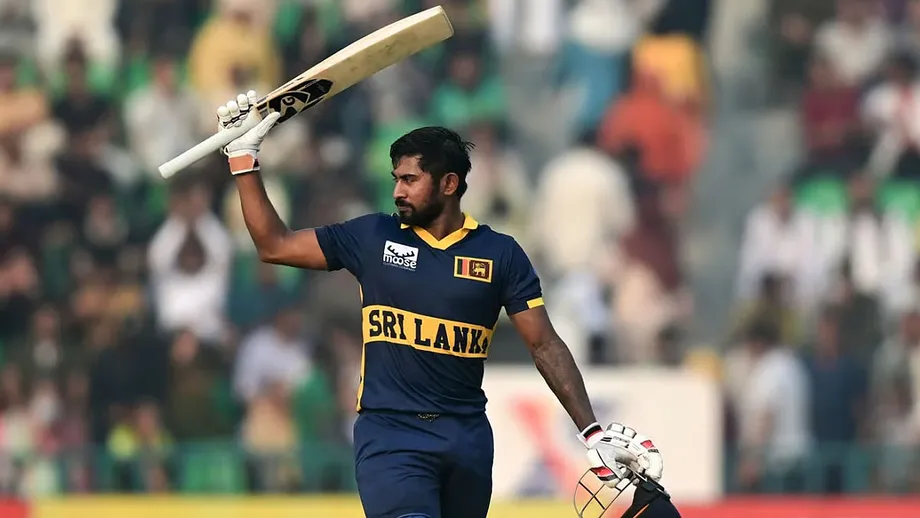
Kamindu Mendis scored his first One Day International century, making 131 from 128 balls, as Sri Lanka posted 325 for eight against Pakistan in the tri-series final at Gaddafi Stadium in Lahore on October 31, 2026. Pavan Rathnayake contributed 77 from 65 deliveries, helping set Pakistan a target of 326 to win the trophy.
Contents
- Mendis leads Sri Lanka to 325 in Lahore
- An opening stand gives Sri Lanka room to build
- A first century becomes an innings of 131
- Rathnayake helps turn stability into pressure
- Pakistan take wickets but concede a costly finish
- A final shaped by an earlier Sri Lankan victory
- What Pakistan need from the chase
- Key Points
Mendis and Rathnayake added 146 runs from 118 balls for the third wicket. Their partnership supplied almost 45 percent of Sri Lanka's total and gave the visitors a strong platform before Pakistan took six wickets during the closing stages.
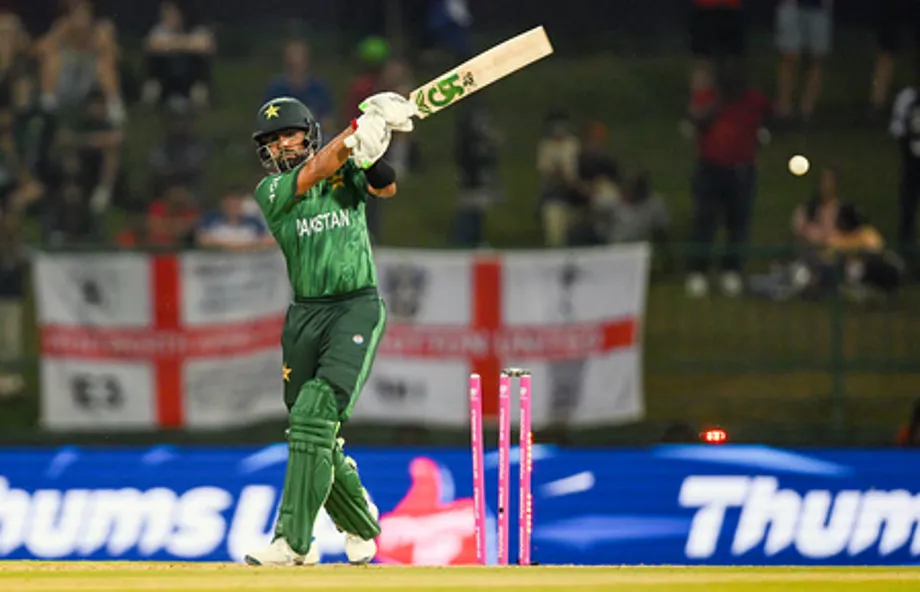
Pakistan captain Shaheen Shah Afridi won the toss and chose to field. His side eventually shared the eight wickets evenly among four bowlers: Afridi, Haris Rauf, Naseem Shah and Salman Agha took two each.
Pakistan began their chase needing 6.52 runs per over across 50 overs. The innings break figures put Sri Lanka at 325 for eight and the target at 326; a conflicting published tally also listed 326 for eight and a target of 327. No result from Pakistan's chase was available at the innings break.
An opening stand gives Sri Lanka room to build
Avishka Fernando and Mendis put on 86 without loss during the first 16 overs. At that stage, Sri Lanka were scoring at about 5.38 runs per over while keeping all 10 wickets available, giving their later batters room to increase the pace.
Fernando contributed 38. Mendis carried on beyond the opening stand, providing continuity through an innings in which Sri Lanka eventually used most of their batting order. His ability to remain at the crease connected the steady start with the faster scoring that followed.
Sri Lanka reached 194 for two after 34.1 overs. In cricket notation, 34.1 means 34 completed overs and one ball, rather than a decimal fraction of an over. With eight wickets still available and 95 legal deliveries remaining, Sri Lanka had a substantial opportunity to lift the total.
The opening 16 overs and the position after 34.1 overs show how the innings developed: Sri Lanka first protected their wickets, then built towards a more demanding target. Pakistan's later breakthroughs came after that foundation was already in place.
A first century becomes an innings of 131
Mendis reached his maiden ODI hundred from 107 balls, with 10 fours and one six. A century is an individual score of at least 100 runs, and this was his first in the international format that gives each team a scheduled innings of 50 overs.
He finished with 131 from 128 balls, including 12 fours and two sixes. Those boundaries produced 60 runs: 48 from fours and 12 from sixes. The remaining 71 runs in his individual score came without reaching the boundary, showing how much of his innings depended on keeping the score moving between the larger shots.
After reaching 100, Mendis added another 31 runs from 21 balls. That was a quicker scoring pace than his route to the century, helping Sri Lanka turn his personal milestone into a larger team total.
Mendis alone supplied just over 40 percent of Sri Lanka's 325. His final scoring rate was about 102 runs per 100 balls, meaning he averaged slightly more than one run for every delivery he faced across a stay lasting more than two hours' worth of scheduled overs.
Rathnayake helps turn stability into pressure
Rathnayake's 77 from 65 balls gave Sri Lanka another substantial contribution alongside Mendis. He scored at about 118 runs per 100 balls, faster than his partner across their completed individual innings.
Their third wicket stand of 146 from 118 balls came at approximately 7.42 runs per over. That was considerably quicker than the opening stand's rate of about 5.38, illustrating how Sri Lanka increased the pressure after establishing a secure start.
Mendis and Rathnayake finished with a combined 208 runs, or 64 percent of the team total. Their partnership figure counts only the runs added while they were batting together; their combined individual scores also include runs made alongside other partners.
Rathnayake eventually fell for 77 and Mendis for 131. Dasun Shanaka added 17, while Maheesh Theekshana and Asitha Fernando helped carry Sri Lanka's total to 325 during the final overs. Those contributions mattered as wickets began falling more regularly.
Pakistan take wickets but concede a costly finish
Pakistan claimed six wickets while conceding 86 runs in the final 10 overs. The six dismissals were also described as coming within the final nine overs. Either way, the closing phase brought a sharp change from Sri Lanka's earlier position with only two wickets down.
The final 10 overs produced 8.6 runs per over despite those losses. Pakistan broke partnerships and forced new batters to begin their innings, but Sri Lanka continued scoring quickly enough to move well beyond 300.
Subtracting those final 86 runs from the total puts Sri Lanka at 239 after 40 overs. The visitors therefore scored more than a quarter of their runs in the last fifth of the innings, even while losing six of their eight wickets during that period.
Afridi returned the least expensive figures among the three seamers whose runs conceded were given, taking two for 50 from 10 overs. Rauf took two for 60, while Naseem returned two for 80 from his 10 overs. Salman Agha also took two wickets, completing the four bowlers' equal shares of the dismissals.
Afridi conceded five runs per over compared with Naseem's eight. Across equal spells of 10 overs, that amounted to a difference of 30 runs, a useful measure of how differently Sri Lanka scored against two bowlers who finished with the same wicket tally.
A final shaped by an earlier Sri Lankan victory
Sri Lanka entered the final after a decisive victory to reach the final against Pakistan at the same Lahore venue on October 27. Dilshan Madushanka took five for 34 as Pakistan were dismissed for 110, and Sri Lanka completed an eight wicket win with 191 balls remaining.
Mendis and Rathnayake were central to that chase as well. Mendis finished unbeaten on 62 from 60 balls, while Rathnayake was unbeaten on 23 and struck the winning boundary. Four days later, both produced larger scores to build a target rather than chase one.
Pakistan had already qualified for the final by winning their first three matches. Sri Lanka's October 27 victory ended that unbeaten run, eliminated England and confirmed which two teams would contest the trophy. It also ended Sri Lanka's sequence of five successive defeats against Pakistan.
The main steps leading to the final and through Sri Lanka's innings were:
- October 27: Sri Lanka beat Pakistan by eight wickets in Lahore to secure their place in the final and eliminate England.
- October 31, before play: Pakistan won the toss and chose to field at Gaddafi Stadium.
- After 16 overs: Sri Lanka were 86 without loss.
- After 34.1 overs: Sri Lanka were 194 for two.
- After 50 overs: Sri Lanka finished on 325 for eight, setting Pakistan 326 to win.
What Pakistan need from the chase
Pakistan's target required an average of 6.52 runs per over, slightly more than Sri Lanka's scoring rate of 6.5. In a chase, the required rate changes after every delivery: scoring below that pace pushes more of the work into the remaining overs, while scoring above it reduces the pressure.
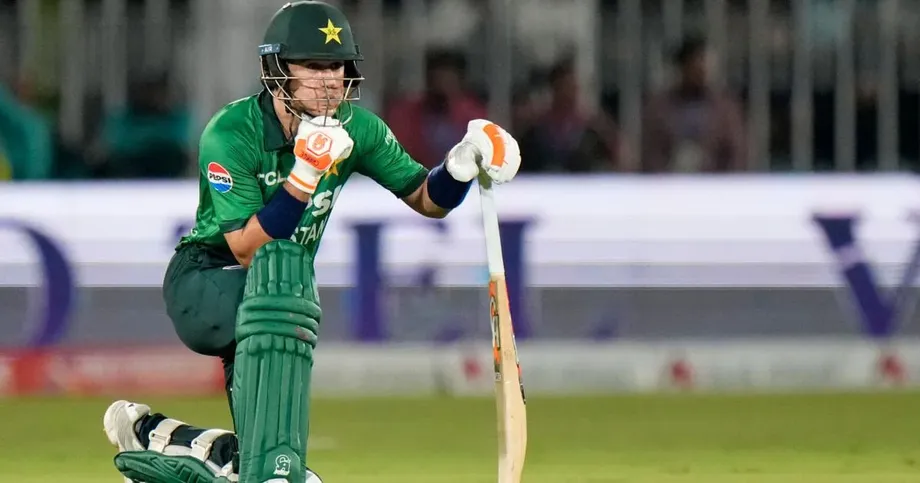
Pakistan faced a much larger task than the 110 they had managed against Sri Lanka four days earlier. The target of 326 was nearly three times that earlier total. Their batters needed both more runs and a much longer collective stay at the crease than the 25.3 overs they survived in that league match.
Sri Lanka's innings offered a practical example of how a large total could be built. The opening pair preserved wickets, Mendis stayed long enough to make a century, Rathnayake scored more quickly alongside him, and the lower order continued adding runs despite late dismissals. Pakistan now needed their own substantial partnerships to complete the chase.
Key Points
- Sri Lanka made 325 for eight in 50 overs in the tri-series final in Lahore.
- Kamindu Mendis scored his maiden ODI century, finishing with 131 from 128 balls.
- Pavan Rathnayake made 77 from 65 balls and shared a third wicket partnership of 146 with Mendis.
- Pakistan took six wickets in the closing stages, but Sri Lanka scored 86 in the final 10 overs.
- Shaheen Afridi, Haris Rauf, Naseem Shah and Salman Agha took two wickets each.
- Pakistan were set 326 to win, requiring an initial rate of 6.52 runs per over.