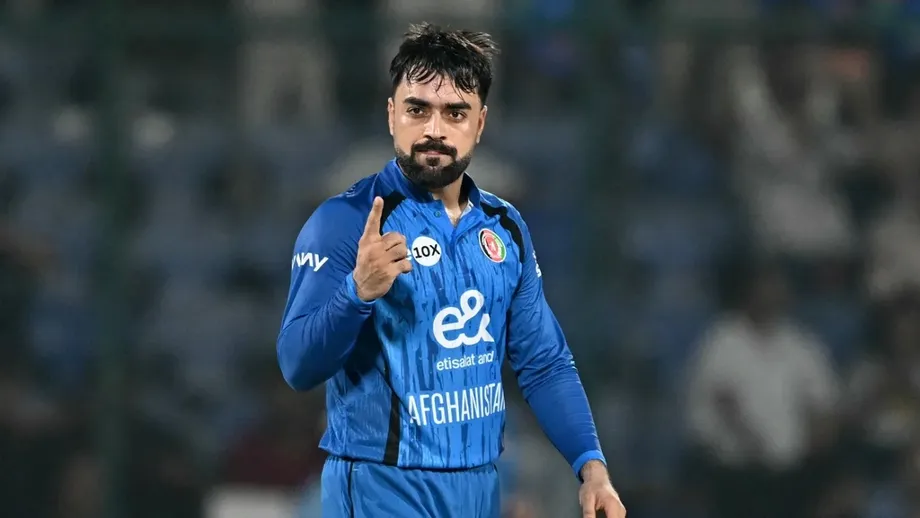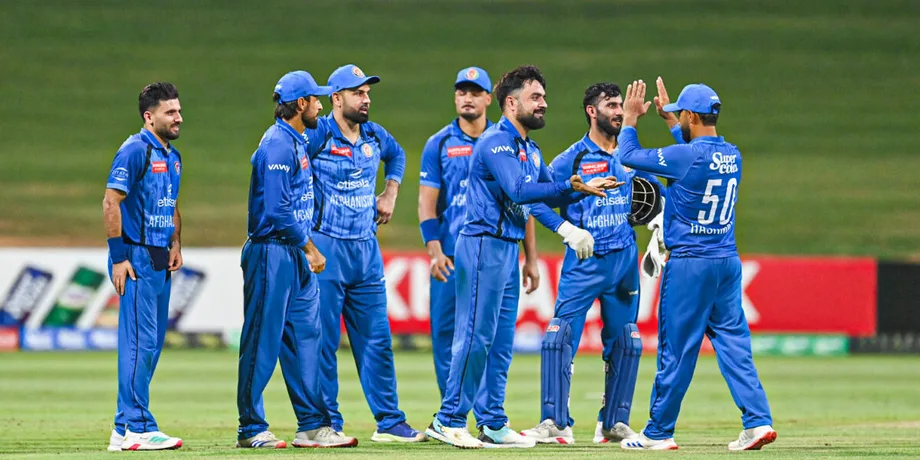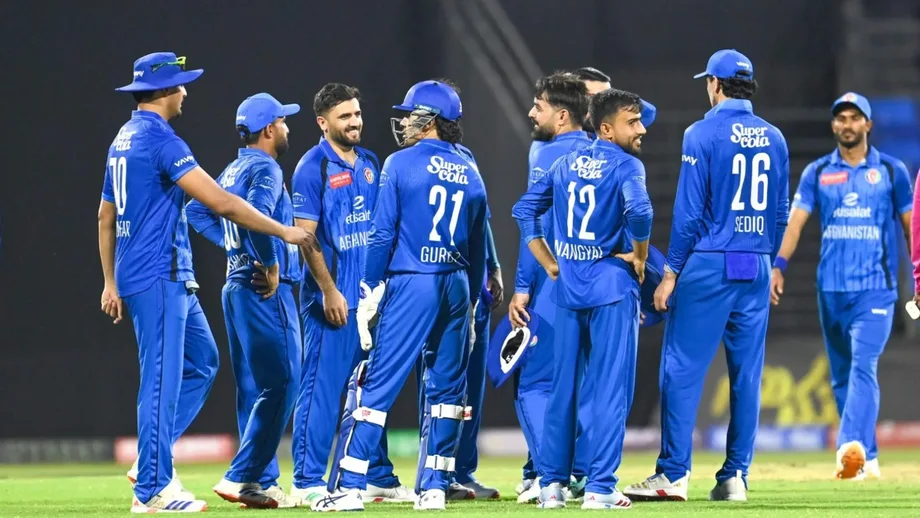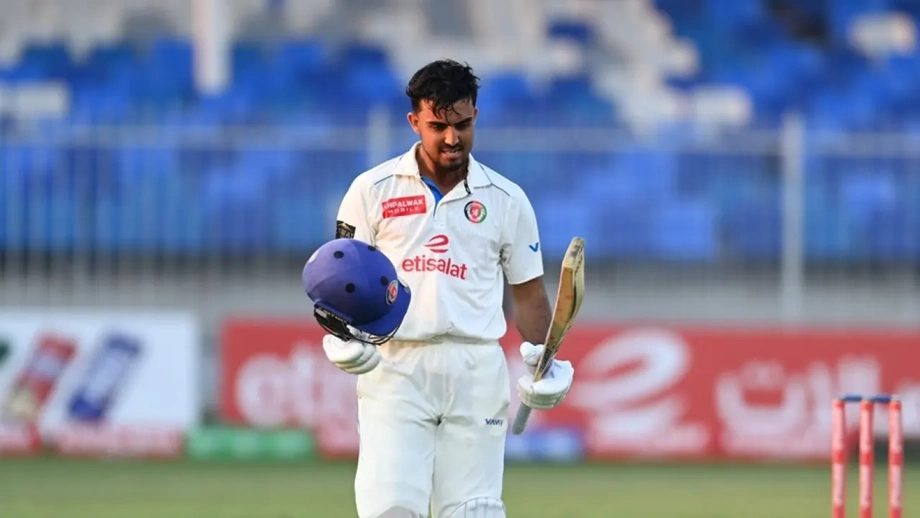
A debut for the record books, a victory decided in fading light
Naseer Khan Maroofkhil finished his first Test with 121 runs, nine wickets and a place in cricket history. Zimbabwe finished it with something they had waited 22 years to celebrate: victory in a Test series involving more than one match.
Contents
- A debut for the record books, a victory decided in fading light
- How Zimbabwe built the winning position
- Zazai and Maroofkhil turn survival into a contest
- Short balls, injury and a final burst of scoring
- Zimbabwe find the breakthroughs just in time
- What makes Maroofkhil's debut unique?
- An 802-ball workload and resistance on a record scale
- A breakthrough for Zimbabwe, a scheduling plea from Afghanistan
- Key Points
The two achievements collided in Sharjah on November 17, 2026, when Zimbabwe dismissed Afghanistan for 360 to win the second Test by 57 runs and take the series 1-0. Just 3.3 overs remained in the scheduled play, meaning three complete overs and three more deliveries.
Maroofkhil, 20, was unbeaten on 101 from 242 balls. His century followed seven wickets in Zimbabwe's first innings and two in their second, making him the first man to score a hundred and take seven wickets in an innings on Test debut.
The match scorecard records his bowling figures as seven for 173 from 44 overs in Zimbabwe's first innings and two for 106 from 37 overs in their second, alongside his unbeaten 101 from 242 balls.
His performance almost rescued Afghanistan from a position that looked hopeless at the start of the final day. Chasing 418, they resumed on 143 for five, with half their wickets gone and 275 runs still required. Survival became their most realistic route to a draw.
Zimbabwe needed almost the entire day to finish the job. Graeme Cremer eventually drew an edge from last batter Ziaur Rahman, and captain Brian Bennett held the catch at second slip. Maroofkhil remained at the other end, his extraordinary debut ending in defeat.
Afghanistan hosted the series in the United Arab Emirates for security reasons. The first Test had been drawn, so the late breakthrough settled both the match and the series.
How Zimbabwe built the winning position
Brendan Taylor's 119 and Innocent Kaia's 96 supplied most of Zimbabwe's first innings of 339. Maroofkhil nevertheless made an immediate impression with his left arm spin, taking seven wickets through changes of pace and flight, the height and curve a bowler gives the ball through the air.
Afghanistan could manage only 217 in reply. Vincent Masekesa took four wickets for 54 runs, while Blessing Muzarabani claimed three for 38. Zimbabwe's lead of 122 gave them control even after Maroofkhil's opening success.
Zimbabwe then declared their second innings at 295 for nine. A declaration allows a captain to stop batting voluntarily, leaving more time to dismiss the opposition. Taylor contributed another 50, Muzarabani made 59 for his first Test half century, and Cremer finished unbeaten on 50.
The final three wickets added 128 runs, a decisive contribution from batters near the bottom of the order. Added to the first innings lead of 122, Zimbabwe's 295 put them 417 ahead and left Afghanistan needing 418 to win.
The match unfolded across five days:
- November 13: The second Test began in Sharjah after a drawn series opener.
- Across the first four days: Zimbabwe scored 339 and 295 for nine declared; Afghanistan replied with 217 before beginning their final innings.
- November 17, morning: Afghanistan resumed on 143 for five and soon lost Ikram Alikhil.
- November 17, afternoon: Afsar Zazai and Maroofkhil kept Afghanistan alive through a long seventh wicket partnership.
- November 17, closing stages: Zimbabwe broke the remaining resistance and completed victory with 3.3 overs left.
Zazai and Maroofkhil turn survival into a contest
Ikram Alikhil's early dismissal to Masekesa brought Maroofkhil to the crease at No. 8. Afsar Zazai, the experienced wicketkeeper batting at No. 6, became his main partner in the attempt to save the match.
Zazai made 87 from 202 deliveries. Together, they added 114 for the seventh wicket and occupied 47 overs, including the entire second session. Every over they survived reduced Zimbabwe's remaining opportunity to take the wickets required for victory.
A Test can end in a draw even when one side is far ahead on runs. If the chasing team still has wickets left when the allotted playing time ends, the leading team has to settle for a draw. That made each defensive stroke valuable to Afghanistan.
Zazai later explained that he shared his experience with Maroofkhil, encouraged him to keep things simple and urged him to concentrate on the ball. Zimbabwe also helped the partnership through missed chances, with Zazai surviving several dropped catches.
Maroofkhil's patience was striking. His first 50 balls brought only 10 runs, and he reached lunch after another 20 deliveries without adding to that score. His half century eventually arrived from 144 balls. Speed mattered much less than staying at the crease.
Short balls, injury and a final burst of scoring
Muzarabani and Brad Evans tested Maroofkhil with repeated short deliveries, which bounce high towards a batter's upper body. Maroofkhil took blows while trying to keep his bat away from balls that could produce a catch.
A hamstring injury also restricted his movement during the innings. He continued batting for almost six hours, combining cautious defence with the concentration needed to respond to different lengths and changes in bowling.
Tafadzwa Tsiga, Zimbabwe's wicketkeeper, captured his team's search for a breakthrough from behind the stumps:
Just two wickets, two quick wickets,
Maroofkhil kept delaying that moment. Late in the innings, he began moving out of his crease to hit boundaries beyond the close fielders. With Zimbabwe placing catchers around the bat, finding a controlled attacking stroke offered another way to get through a delivery.
His unbeaten 101 came at a strike rate of 41.73, meaning roughly 42 runs for every 100 balls faced. In this setting, the 242 deliveries he survived mattered as much as the runs. Afghanistan needed him to occupy time while protecting partners with much less batting experience.
Zimbabwe find the breakthroughs just in time
Muzarabani changed the match after tea by dismissing Zazai and then Yamin Ahmadzai. Afghanistan fell to 299 for eight, leaving Zimbabwe two wickets from victory.
Mohammad Saleem then supplied another stubborn partnership. Batting at No. 10, he scored 22 from 53 deliveries and added 59 with Maroofkhil for the ninth wicket. Their stand lasted close to 20 overs and carried Afghanistan towards a possible escape.
Evans finally trapped Saleem leg before wicket with the total on 358. That dismissal, commonly shortened to lbw, applies when a batter's body blocks a ball judged to be heading towards the stumps, subject to rules about its path.
Maroofkhil reached his century with the last batter at the crease. Ziaur Rahman survived 13 deliveries, but fading light brought Cremer's leg spin into the closing contest. Cremer found the outside edge, Bennett completed the catch, and Afghanistan were all out for 360.
Muzarabani and Evans took three wickets each in the final innings, while Cremer and Masekesa claimed two apiece. Zimbabwe had bowled more than 130 overs to secure the result, a demanding effort on a surface where wickets required sustained work.
What makes Maroofkhil's debut unique?
Maroofkhil's combination of a century and seven wickets in an innings has been achieved by only three other men in any Test: Australia's Jack Gregory, England's Ian Botham and India's R Ashwin. Botham did it twice. None achieved it on debut.
The broader combination of a hundred and at least five wickets in an innings on debut had happened once before, through New Zealand's Bruce Taylor against India at Eden Gardens in 1965. Maroofkhil became the second man to reach that standard, and the first to do so with a seven wicket haul.
His full match return, 121 runs and nine wickets, created another debut record. No previous men's Test debutant had combined more than 100 runs with nine or more wickets in the same match.
At 20 years and 287 days when the Test began, Maroofkhil also became the youngest man to score a century and take five wickets in an innings in a Test. The previous youngest was Zimbabwe's Brian Bennett, who achieved the double against Afghanistan in Bulawayo in 2024 at 21 years and 46 days.
For Afghanistan, Maroofkhil became the first player to score a century on Test debut, the youngest Test centurion and the first to combine a hundred with a five wicket innings in the same Test. Only Rashid Khan had taken five wickets in a Test innings for Afghanistan at a younger age.
His batting position adds another layer. Only five men have scored a fourth innings Test century from No. 8 or lower. Maroofkhil is the only one to have done it on debut.
An 802-ball workload and resistance on a record scale
Maroofkhil faced 316 deliveries across his two innings and bowled 81 overs. With six legal balls per over, his bowling accounted for another 486 deliveries. Together, those figures produce 802 balls of direct involvement with bat or ball.
That exceeded the previous debut benchmark of 790 by England's Tich Freeman against Australia in 1924 by 12 deliveries. It was also the largest such workload in a men's Test since Jacques Kallis was involved in 841 balls against West Indies at Newlands in 1999.
Afghanistan's collective resistance also entered the record books. They survived 586 deliveries after losing their fifth wicket, the most in a fourth innings among Tests with the necessary fall of wicket over data. England's previous best was 543 against Sri Lanka at Leeds in 2014, so Afghanistan extended that mark by 43 balls.
Afghanistan added 254 runs after the fifth wicket fell, the fourth highest fourth innings contribution from that stage. Those figures explain why Zimbabwe's commanding position turned into a contest that lasted almost until the deadline.
A breakthrough for Zimbabwe, a scheduling plea from Afghanistan
Zimbabwe's victory ended their wait for a series win involving multiple Tests since beating Bangladesh at home in 2004. It was also their first away series success since Bangladesh in 2001, and only their third away Test series victory when series consisting of one match are included. Their other overseas success came in Pakistan in 1998.
Taylor, aged 40 years and 280 days, became the second oldest winner of a Test Player of the Series award. Only Misbah-ul-Haq, who won the award against England in 2016 at 42 years and 75 days, was older.
Head coach Justin Sammons also ended his Zimbabwe tenure with a victory before a planned move to coach South Africa's national Under 19 side.
Afghanistan captain Rahmat Shah praised Maroofkhil's technique, temperament and ability to bowl consistently in the right areas. The debut came in only his 11th first class match, the category of longer domestic and international cricket that includes Tests. He had previously captained Afghanistan at the 2024 Under 19 World Cup and developed through cricket at home.
Rahmat also called for more Test cricket, saying Afghanistan were not playing enough under the International Cricket Council's Future Tours Programme. No additional fixtures were announced alongside that appeal, and participation for Afghanistan and Zimbabwe in the next World Test Championship cycle remained uncertain.
The result followed a contrasting stretch in shorter formats. Afghanistan had won the Sharjah ODI final against Zimbabwe on October 23, then secured an unassailable Twenty20 series lead in the match featuring Rashid Khan's 200th wicket on October 29. November's Test series gave Zimbabwe their own major success, while Afghanistan discovered a young player capable of sustaining a very different kind of contest.
Key Points
- Zimbabwe won the second Test in Sharjah by 57 runs on November 17, taking the series 1-0.
- Afghanistan were dismissed for 360 while chasing 418, with 3.3 overs remaining.
- Naseer Khan Maroofkhil made 101 not out and took nine wickets, including seven in Zimbabwe's first innings.
- He became the first man to combine a century and a seven wicket innings on Test debut.
- Afsar Zazai's 87 and Mohammad Saleem's 22 helped Afghanistan take the match deep into the final session.
- Zimbabwe secured their first series victory involving multiple Tests since 2004 and their first away series win since 2001.