Afghanistan bring eight Rashid wickets into the decider
Afghanistan enter the UAE ODI Tri-Series final against Zimbabwe on Friday, October 23, 2026, with two wins from two matches, eight wickets from Rashid Khan and a commanding victory over their opponents already behind them. Zimbabwe, beaten by 158 runs when the teams met on October 19, have one match to turn that result around and claim the trophy.
Contents
- Afghanistan bring eight Rashid wickets into the decider
- How the three teams reached this point
- What Zimbabwe must change after the 158 run defeat
- Rashid and Raza face a familiar contest
- The Bangladesh win showed Afghanistan's range
- Ervine's expected return strengthens Zimbabwe
- Sharjah brings familiarity and a different venue
- Heat and viewing arrangements
- The final sits inside a longer tour
- Key Points
The final at Sharjah Cricket Stadium is scheduled for 3:30 pm UAE time, or 11:30 am GMT and 5 pm in India. The match has yet to begin. Sharjah is preparing to host its first ODI tournament final since 2003, when Zimbabwe also reached the decider, against Pakistan.
Afghanistan finished the league stage with four points, ahead of Zimbabwe on two and Bangladesh on zero. Their latest victory was a seven wicket win over Bangladesh on October 21, completed with 87 balls remaining. Zimbabwe earned their place by beating Bangladesh by 99 runs in the tournament opener.
An ODI gives each team up to 50 overs to bat, with six legal deliveries in an over. Afghanistan have shown they can win in both main ways: setting a large target and defending it against Zimbabwe, then bowling Bangladesh out cheaply and chasing the target comfortably.
Afghanistan coach Richard Pybus nevertheless warned that his players would need their best performance against an experienced Zimbabwe side.
I think all things are equal when you come into a final. It's not an easy game. So we need to turn up, we need to play our best cricket. As Zimbabwe showed in their first game against Bangladesh, they've got some very experienced players in the side and they can put in big performances. So we'll be treating them with a lot of respect.
How the three teams reached this point
The International Cricket Council confirmed the October 23 final in its UAE tour announcement, published on September 8. Each side was scheduled to play the other two once, with the leading two teams advancing to the final.
Zimbabwe and Afghanistan settled qualification by winning their respective matches against Bangladesh. Afghanistan then finished first by winning both league games, while Bangladesh left the competition without a point.
- October 17, Abu Dhabi: Zimbabwe made 271 for eight and dismissed Bangladesh for 172, winning by 99 runs.
- October 19, Abu Dhabi: Afghanistan scored 294 and bowled Zimbabwe out for 136, winning by 158 runs.
- October 21, Sharjah: Afghanistan dismissed Bangladesh for 160 and reached 161 for three in 35 overs and three balls, winning by seven wickets.
- October 23, Sharjah: Afghanistan and Zimbabwe meet in the final.
Afghanistan also arrive with five wins from their last five completed ODIs. Zimbabwe have one victory and four defeats over the same number of matches. Their win against Bangladesh showed their ability to control a game, but reproducing that performance against Afghanistan will require a much stronger start with the bat.
What Zimbabwe must change after the 158 run defeat
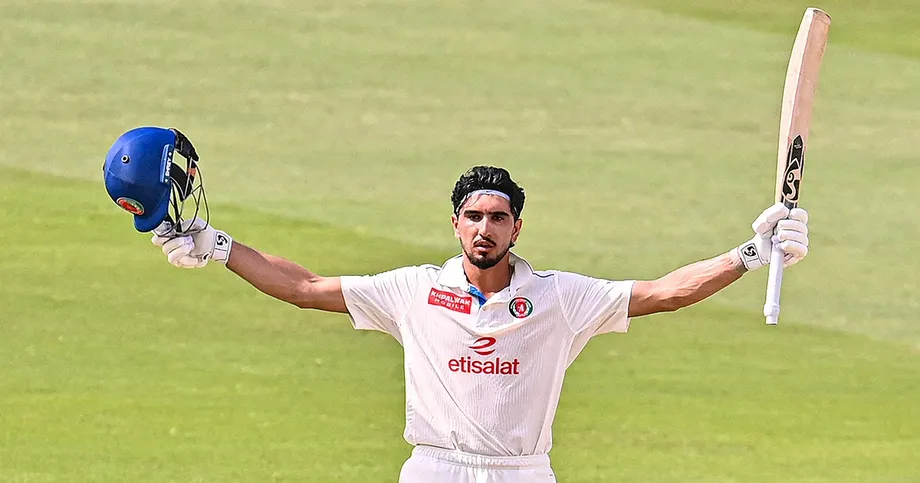
Sediqullah Atal scored 102 and Ibrahim Zadran added 90 when Afghanistan posted 294 against Zimbabwe. Together, those two innings supplied 192 runs, almost two thirds of the total. Zimbabwe therefore have a clear first task: dismiss the leading batters before they can build another substantial platform.
Zimbabwe then fell to 26 for three during the opening powerplay, the first 10 overs when fielding restrictions create opportunities for attacking shots. Losing three wickets so early left their remaining batters trying to repair the innings while keeping up with a demanding target.
Captain Sikandar Raza made 48, but Zimbabwe were dismissed for 136 in 38 overs and four balls. Rashid took four wickets for 17 runs in eight overs, conceding little while removing the players Zimbabwe needed to sustain their chase.
Zimbabwe need Brian Bennett, Ben Curran and whichever batter takes the third position to keep more wickets intact for the middle overs. Craig Ervine, Brendan Taylor and Raza would then have a better chance to build partnerships instead of beginning their innings under immediate pressure.
Rashid and Raza face a familiar contest
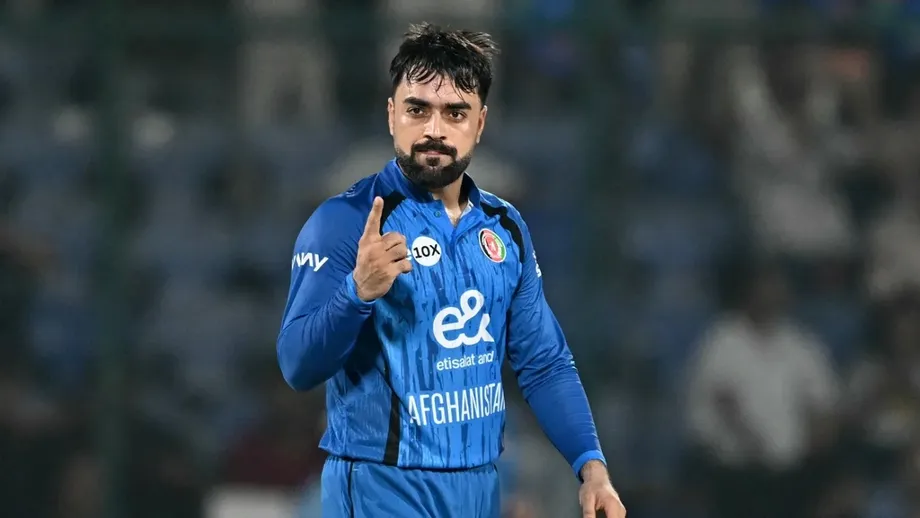
Rashid followed his four wickets against Zimbabwe with four for 31 against Bangladesh. It is the first time in his ODI career that he has taken four wickets in consecutive matches. His tournament return stands at eight wickets for 48 runs, an average of six runs conceded for each wicket.
Raza has faced Rashid more than any other Zimbabwe batter in ODIs. Across 14 innings in their individual contest, he has scored 109 runs from 160 balls and been dismissed seven times. He has also hit more boundaries against Rashid than his teammates, making him central to Zimbabwe's attempts to score against the legspinner.
Rashid's threat grows when the fast bowlers take early wickets. A batter arriving with several teammates already dismissed has fewer opportunities to attack, because another wicket could expose the lower order. Zimbabwe's opening partnership can therefore influence this contest well before Rashid receives the ball.
Raza is also set to reach a captaincy milestone. At 40 years and 182 days, he would become the oldest captain to lead a Full Member side in an ODI tournament final, passing Clive Lloyd, who did so at 40 years and 165 days in 1985. Full Members are the national governing bodies with full membership of the ICC.
The Bangladesh win showed Afghanistan's range
Yamin Ahmadzai and Azmatullah Omarzai set up Afghanistan's victory over Bangladesh before Rashid took control. Ahmadzai dismissed Tanzid Hasan and Soumya Sarkar with consecutive deliveries in the second over. Omarzai removed Najmul Hossain Shanto and Towhid Hridoy in the seventh, leaving Bangladesh at 28 for four.
Parvez Hossain Emon made 70 from 96 balls and shared a partnership of 93 with Saif Hassan. Afghanistan eventually broke that resistance and dismissed Bangladesh for 160 in 41 overs and two balls. Ahmadzai and Omarzai took two wickets each, while Mohammad Nabi and Bilal Sami claimed one apiece.
Afghanistan also had to recover during the chase. Taskin Ahmed dismissed Rahmanullah Gurbaz and Atal, leaving them at 39 for two. Ibrahim contributed 34 before captain Rahmat Shah and Hashmatullah Shahidi completed the pursuit with an unbroken partnership of 66.
Rahmat finished unbeaten on 67 from 90 balls, with Shahidi making 36 not out from 54. Afghanistan reached 161 for three with 14 overs and three balls unused. The victory extended their winning sequence against Bangladesh to five ODIs and gave their middle order useful time at the crease before the final.
Ervine's expected return strengthens Zimbabwe
Ervine is expected to return after missing Zimbabwe's league match against Afghanistan. He scored 93 in his only innings of the tournament, against Bangladesh, and remains Zimbabwe's leading scorer despite playing just once. Taylor also made an important half century in that opening victory.
Zimbabwe must decide where Ervine fits best. Tafadzwa Tsiga has struggled at number three, creating the possibility of moving Ervine higher rather than returning him to the middle order. The final teams have not yet been confirmed, and the batting order remains a selection decision.
Brad Evans gives Zimbabwe a strong bowling option, with seven tournament wickets, including four against Bangladesh. Blessing Muzarabani provides another route to early dismissals, while Ernest Masuku has supplied energy and wickets. Raza and Wellington Masakadza offer spin through the middle overs.
Afghanistan's likely batting core remains Gurbaz, Ibrahim, Atal, Rahmat and Shahidi, followed by Omarzai, Nabi and Rashid. Ibrahim leads the tournament scoring with 124 runs, ahead of Atal on 106. Afghanistan also have bowling choices involving AM Ghazanfar, Ahmadzai, Sami and Fazalhaq Farooqi, with the final combination to be settled at the toss.
Sharjah brings familiarity and a different venue
Afghanistan's earlier win over Zimbabwe came in Abu Dhabi. The final moves to Sharjah, where Afghanistan have already played during this tournament and where short boundaries can reward batters who find gaps or clear the field.
Captain Rahmat Shah identified familiarity with UAE grounds as an advantage before the competition began. Afghanistan had also fought back to draw their October 9 to 13 Test against Bangladesh, a result he said would give the team confidence for the ODIs. Rashid, rested from that Test to manage his workload, returned for the limited overs tournament alongside Nabi.
Afghanistan have won 21 of their 32 ODIs at Sharjah, compared with Zimbabwe's nine victories in 33 matches. Those figures translate to roughly 66% for Afghanistan and 27% for Zimbabwe, illustrating the difference in their past results at the ground.
Recent Sharjah figures show a more balanced choice at the toss: the last 10 ODIs were split evenly between teams batting first and second. A recent venue sample lists 82 wickets for spin and 61 for pace, while broader historical figures give pace the larger share. For this final, both teams have reasons to value early movement from fast bowlers and control from spin later in the innings.
Heat and viewing arrangements
Sharjah is forecast to be sunny, with forecasts placing temperatures between about 30°C and 37°C and predicting no rain. Humidity could add to the physical demands, particularly for fast bowlers and batters spending long periods outside during the afternoon.
The scheduled start is 3:30 pm in the UAE, 11:30 am GMT and 5 pm in India. Viewers in India can watch through the FanCode app and website, with no television broadcast listed for the country.
Broadcast arrangements list Ariana TV in Afghanistan, with streaming through Etisalat, and T Sports in Bangladesh, with streaming through Tapmad. SuperSport is listed for Zimbabwe and South Africa. In Pakistan, ASports is listed for television coverage and Tamasha for streaming.
The final sits inside a longer tour
Afghanistan and Zimbabwe will continue playing after the trophy is decided. The ICC schedule lists T20 internationals on October 27, October 29 and November 1, followed by Tests on November 5 to 9 and November 13 to 17.
Zimbabwe Cricket Managing Director Givemore Makoni described the wider programme as an opportunity to play across all three international formats, with particular value in the longer matches.
The ODI tri-series will test us against two strong sides, while the two Tests are especially valuable as we continue seeking more regular opportunities in the longest format.
Afghanistan Cricket Board chief executive Naseeb Khan said the programme would provide valuable competitive opportunities. Bangladesh Cricket Board chief executive Nizam Uddin Chowdhury highlighted the chance for Bangladesh to experience Test cricket in the UAE for the first time.
Friday's immediate challenge is narrower. Afghanistan can complete the tournament unbeaten if their varied bowling attack and settled batting core deliver again. Zimbabwe need early wickets, a stronger opening partnership and major contributions from their experienced batters to reverse a heavy league defeat.
Key Points
- Afghanistan play Zimbabwe in the final at Sharjah on Friday, October 23, 2026, at 3:30 pm UAE time.
- Afghanistan finished the league stage with four points, Zimbabwe with two and Bangladesh with none.
- Afghanistan won the earlier meeting by 158 runs after Atal scored 102 and Rashid took four for 17.
- Rashid has eight tournament wickets, while Ibrahim leads the scoring with 124 runs.
- Ervine is expected to return for Zimbabwe after scoring 93 in his only tournament innings.
- Sharjah is hosting its first ODI tournament final since 2003.
- FanCode is carrying the final online in India, where the start time is 5 pm.