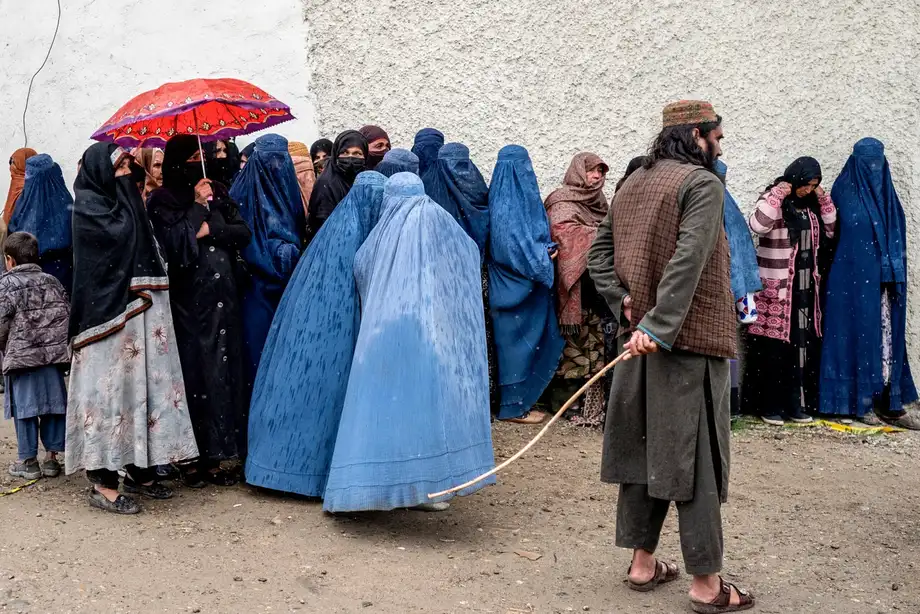
29 access incidents, with women facing barriers on both sides of aid delivery
The United Nations Office for the Coordination of Humanitarian Affairs (OCHA) recorded 29 incidents affecting humanitarian access in Afghanistan in October 2026, including 21 involving interference with aid activities. Eleven incidents involved gender restrictions, affecting both women delivering assistance and women and girls trying to receive it.
Contents
- 29 access incidents, with women facing barriers on both sides of aid delivery
- What interrupted aid operations in October?
- Western Afghanistan bears a concentrated burden
- Fewer recorded incidents, persistent obstacles
- Why female staff are essential to reaching women
- Patients encounter restrictions inside clinics
- Medical training bans threaten the future workforce
- How the restrictions developed
- Key Points
Herat, in western Afghanistan, accounted for 12 incidents, while Kandahar recorded four. OCHA also reported the detention of two aid workers and two cases of threats against humanitarian personnel. Restrictions disrupted education, healthcare, training and other assistance, including access to hygiene supplies.
The October findings follow a September survey in which around 90 percent of participating aid organisations in western Afghanistan reported difficulties providing services to women and girls. Restrictions had forced the closure, suspension or reduction of activities, or prevented the launch, of 26 of 139 assessed projects, about 19 percent.
Women face barriers at several stages: getting permission to work, reaching a project or clinic, speaking privately about their needs and finding a qualified female professional. Restrictions on women's medical education are also reducing the future supply of healthcare workers, while funding cuts have already closed hundreds of health facilities.
OCHA said some access problems were resolved through contact with the relevant authorities, while others remained unresolved. Taliban authorities had not commented on the October findings. They have previously denied interfering with humanitarian work, describing their role as monitoring aid distribution.
What interrupted aid operations in October?
Interference with humanitarian activities accounted for 21 of October's 29 incidents, roughly 72 percent. Four other incidents involved violence against humanitarian personnel, assets or facilities, three involved military operations and clashes, and one concerned the denial of humanitarian needs or rights.
Within the interference category, four incidents concerned restrictions on female aid workers, three involved delays or difficulties signing memorandums of understanding, and four concerned interference in programme implementation. A memorandum of understanding is a written agreement setting out how an organisation and the authorities will work together. Delays can hold up the activities covered by that agreement.
Three incidents involved requests for sensitive information about humanitarian staff or aid recipients, while two affected women's access to services or assistance. OCHA also described pressure on field operations, unannounced office visits, land and permit disputes, requirements affecting the movement of supplies between provinces, and attempts to influence project design.
The 11 incidents involving gender issues overlapped with these operational categories. They included restrictions on female teachers and healthcare workers, limits on women's participation in activities that help them earn a living, and barriers to obtaining hygiene and dignity supplies. For families, the consequences included interrupted classes, healthcare and training.
Western Afghanistan bears a concentrated burden
Herat's 12 incidents represented about 41 percent of the national October total. Kandahar's four accounted for another 14 percent. OCHA placed western Afghanistan first for access incidents, followed by the southern and southeastern regions.
September's figures show a similar concentration in the west. Humanitarian partners recorded 14 incidents there, nearly 47 percent of the nationwide total of 30. The central region recorded six, the eastern and southern regions three each, and the southeastern and northern regions two each.
OCHA linked worsening access in western Afghanistan to interference by Taliban authorities, particularly restrictions involving women. Officials from the Ministry for the Propagation of Virtue and Prevention of Vice increased visits to humanitarian organisations, project sites and offices, adding constraints to their operations.
The September project survey shows how those constraints affected planned assistance. Of 139 projects assessed, 26 had been affected by restrictions imposed since March 2025. That is close to one project in five, with effects ranging from a smaller scope of work to complete closure or failure to start.
Fewer recorded incidents, persistent obstacles
OCHA recorded 30 access incidents in September, 27 percent fewer than in August, followed by 29 in October. The agency also cited 121 incidents in January. It warned that underreporting remained a persistent problem, leaving some barriers outside its recorded totals.
Gender restrictions appeared in seven of September's 30 incidents and 11 of October's 29. Their share of recorded incidents rose from about 23 percent to 38 percent. Interference with humanitarian activities also increased, from 18 incidents in September to 21 in October.
OCHA described the central difficulty in its Afghanistan Humanitarian Access Snapshot for September 2026:
The access environment continued to be predominantly affected by interference and restrictions on women's participation in humanitarian operations.
September's obstacles also included four incidents related to the physical environment and the arrest of one humanitarian worker. OCHA warned that physical access difficulties could worsen as winter approached, adding pressure to operations already affected by administrative restrictions and limits on female staff.
Why female staff are essential to reaching women
Female humanitarian workers help organisations speak with women, assess their needs and deliver assistance in ways that families can access within local social rules. When women cannot work, organisations lose staff who can reach people whose movement and contact with men are already restricted.
OCHA warned that excluding female workers undermines the ability to provide assistance in a culturally appropriate manner. The October incidents show restrictions affecting both the staff delivering services and the women seeking them. A project can face limits on its female employees while its intended recipients face separate barriers to attending.
Hygiene supplies illustrate the practical consequences. Women and girls need access to personal care items, including menstrual hygiene supplies, and opportunities to explain their needs privately. Restrictions on female staff and on women's attendance can interrupt both the assessment of those needs and distribution.
Healthcare and education depend on continuity as well. OCHA said restrictions affecting female teachers and healthcare workers interrupted activities in several cases. A service that repeatedly stops and restarts leaves families uncertain about whether a class, appointment or training session will be available.
Patients encounter restrictions inside clinics
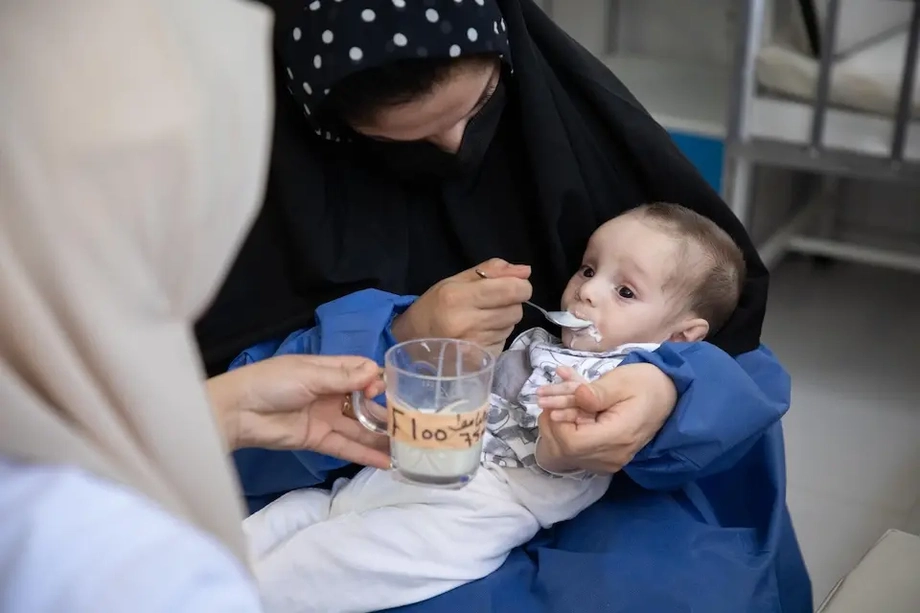
Accounts from women and doctors describe restrictions on male practitioners examining or treating female patients, enforced in some places through raids and threats of imprisonment. Doctors reported conditions such as requiring a male guardian, known as a mahram, to be present or requiring female nurses to perform certain procedures. Some said emergency care was also affected.
Farida, a pseudonym used to protect a 37 year old woman living in Herat, described treatment stopping after she had paid for a dental plan. During a visit in early July, when implants were due to be fitted, the clinic sent her home. It later told her that an order prevented male dentists from treating female patients. Three months later, her treatment remained unfinished.
Farkhenda Amiri, a former English teacher, described taking her mother to hospital with a heart problem. Male doctors could not examine her, and no female specialist in the relevant field was available. Amiri said she had to take her mother home.
Privacy creates another barrier. A nursing assistant in Kabul described a woman who visited a male doctor four times with her father but could not discuss her illness in front of him. On the fifth visit, the doctor sent her father to a pharmacy, allowing her to explain her symptoms privately and begin treatment.
Enforcement described by patients and doctors conflicts with an earlier public assurance. In February, Taliban communications minister Hamdullah Nomani said male doctors would be considered mahram when treating women. No publicly announced nationwide prohibition on male dentists treating women was identified in the accounts describing the clinic restrictions.
Medical training bans threaten the future workforce
Women lost access to medical institutes in December 2024, closing routes into nursing, midwifery and other health professions. Doctors have also described restrictions on hospitals hiring female staff. Those measures reduce the pool of practitioners available to treat women when rules require female care.
A UNICEF assessment published on April 28, 2026, projected that restrictions on girls' education and women's employment could leave Afghanistan short of up to 5,400 female healthcare workers by 2030. The consequences extend to maternal care, children's health and emergency treatment.
UNICEF Executive Director Catherine Russell explained the need for women in the medical workforce in a December 2024 statement:
The future of Afghanistan's health care system depends on the full participation of male and female medical professionals.
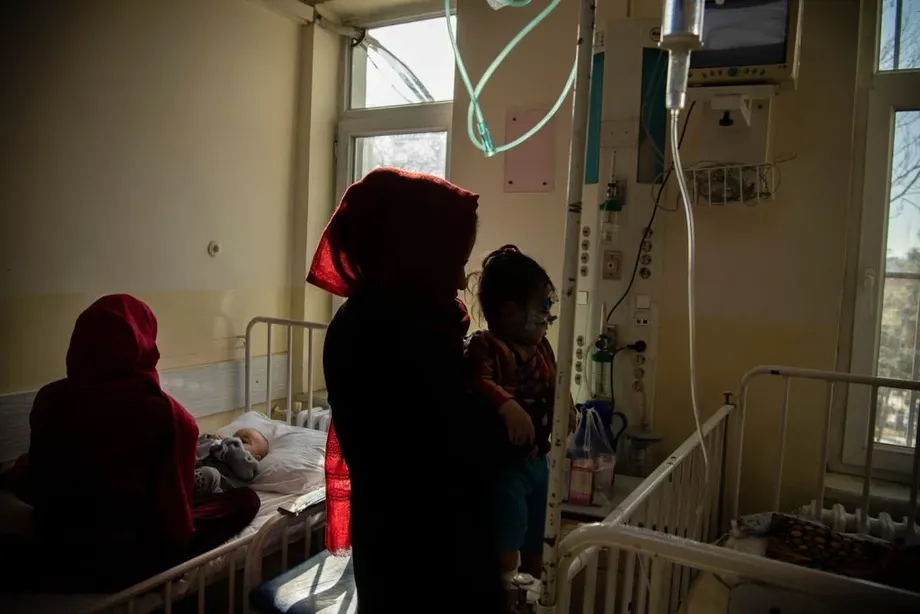
Funding cuts are adding a separate strain. Médecins Sans Frontières, also known as Doctors Without Borders, said more than 400 health facilities closed following reductions in international funding in 2025. The organisation assisted with 54,300 births that year, including 3,210 Cesarean sections. Its maternity department at Boost Provincial Hospital in Helmand handled an average of 90 deliveries a day.
Those figures show the demand already falling on services that remain open. A woman seeking treatment may face a closed local facility, a journey to another hospital and then restrictions on which professional can examine her. Limits on training mean fewer replacements for female workers who leave the profession.
How the restrictions developed
The access problems sit within a wider set of restrictions introduced since the Taliban returned to power in August 2021. Girls have been barred from secondary schooling beyond sixth grade, while women have been excluded from universities, most government employment and many private sector jobs.
Taliban authorities have also banned Afghan women from working for national and international nongovernmental organisations and the United Nations. Restrictions on travel without a male guardian and on women's presence in public spaces further affect their ability to reach employment, education and services.
- August 2021: The Taliban returned to power, followed by successive restrictions on women's education, employment and public life.
- August 2024: The Law on the Propagation of Virtue and Prevention of Vice formalised further restrictions on women's behaviour, movement and public presence.
- December 2024: Women were barred from studying at medical institutes.
- September 2026: Aid partners recorded 30 access incidents, while around 90 percent of surveyed organisations in western Afghanistan reported difficulties serving women and girls.
- October 2026: OCHA recorded 29 access incidents, including 11 involving gender restrictions.
- 2030: UNICEF's projection places the potential shortage of female healthcare workers at up to 5,400.
Taliban spokesperson Zabihullah Mujahid previously said international organisations should raise such incidents with the Ministry of Economy. OCHA's account of some cases being resolved through engagement shows that discussions can restore access in individual situations, although other cases remained open.
For women needing assistance now, the central problem is practical: services require staff who are allowed to work, supplies that can reach the right place and recipients who can attend. The October findings describe disruptions at each of those stages, with healthcare restrictions and the loss of medical training adding longer lasting pressure.
Key Points
- OCHA recorded 29 humanitarian access incidents in October 2026, including 21 involving interference with aid activities.
- Eleven incidents involved gender restrictions affecting workers, services or access to assistance.
- Herat recorded 12 incidents and Kandahar four.
- A September survey found difficulties serving women and girls among around 90 percent of participating aid organisations in western Afghanistan.
- Restrictions affected 26 of 139 assessed projects through closure, suspension, reduced activities or prevention of their launch.
- Women face restrictions on treatment by male doctors while bans on medical education reduce the future supply of female professionals.
- UNICEF projected a potential shortage of up to 5,400 female healthcare workers by 2030.