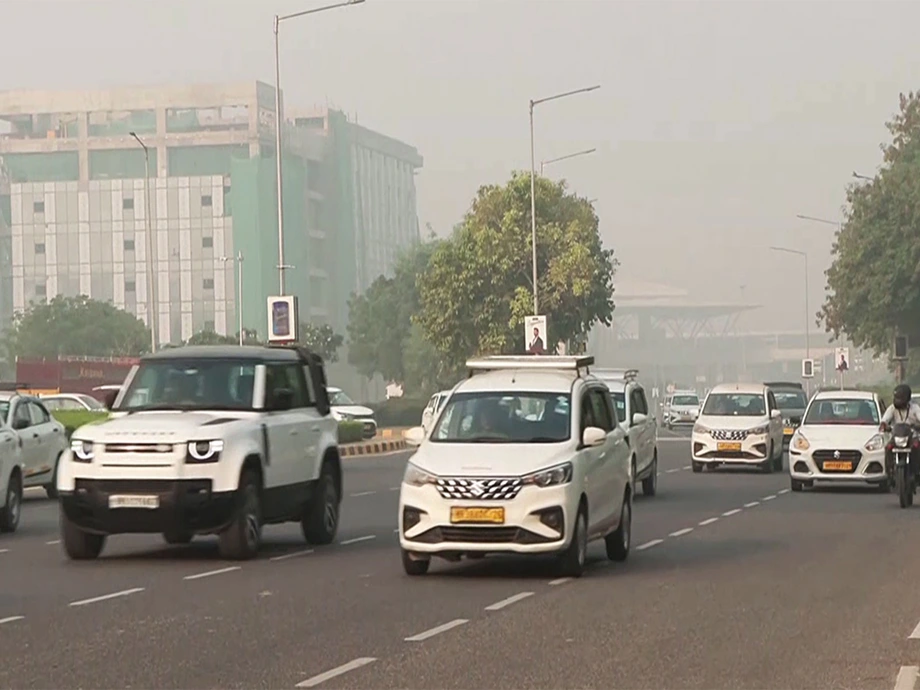
Pollution eases, but restrictions remain across Delhi and NCR
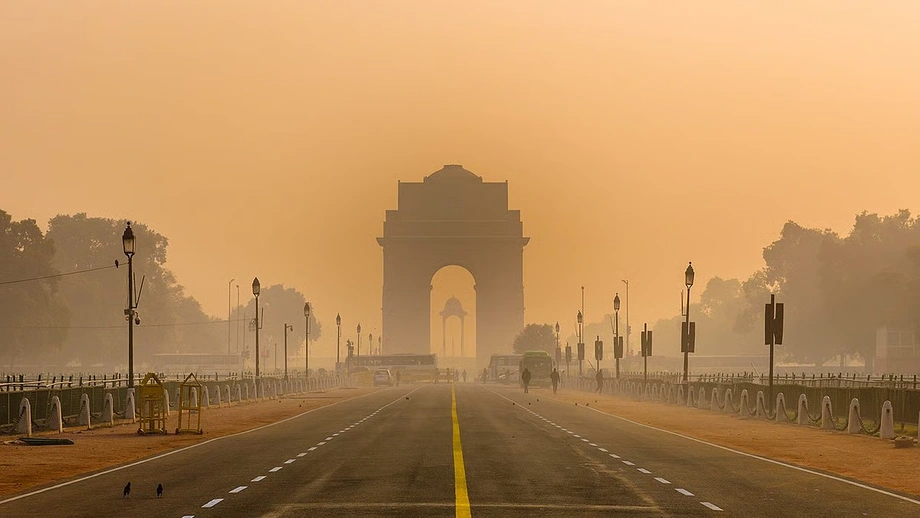
The Commission for Air Quality Management (CAQM) revoked Stage III of the Graded Response Action Plan (GRAP) across Delhi and the National Capital Region on Tuesday, November 17, 2026, after Delhi's daily average Air Quality Index fell to 204 from 275 on Monday. The decision followed three days of improving air quality.
Contents
- Pollution eases, but restrictions remain across Delhi and NCR
- Which vehicle and school rules have been lifted?
- Why construction and office attendance limits continue
- How the four GRAP stages work
- A lower city average still leaves polluted neighbourhoods
- Weather could push pollution higher again
- Traffic, fuel checks and market cleaning remain priorities
- The dates governing the remaining measures
- Key Points
The withdrawal lifts the vehicle restrictions and primary school hybrid learning requirements imposed specifically under Stage III. However, construction restrictions and limits on office attendance continue under separate directions. Measures under GRAP Stages I and II also remain in force.
Delhi's AQI fell by 71 points from Monday, a decline of about 26%. The reading of 204 still puts the capital in the poor category, just above the moderate range, which ends at 200. AQI is a scale used to communicate air pollution levels: a higher number means worse air quality.
CAQM, the regional air quality regulator, announced the decision through its subcommittee responsible for GRAP. Its statement also specified which restrictions would continue:
"CAQM Sub-Committee on GRAP decides to revoke GRAP Stage III as daily AQI shows a downward trend, reaching 204 today. All actions under GRAP Stages I & II and restrictions as per the order dt. 30.10.2026, shall remain in force".
For residents, the practical change depends on which order governs a particular activity. An older vehicle may be released from a Stage III restriction while still being covered by Delhi's separate winter rules. A construction project may remain restricted under the October 30 order even after Stage III has ended.
Which vehicle and school rules have been lifted?
Stage III had restricted BS-III petrol and BS-IV diesel light motor vehicles, including cars, in Delhi and the districts of Gurugram, Faridabad, Sonipat, Ghaziabad and Gautam Buddha Nagar. Those restrictions are now withdrawn under GRAP.
BS refers to Bharat Stage, India's vehicle emission standards. The standards set limits on pollutants released by vehicle exhausts. A higher standard generally requires tighter pollution controls, with BS-VI being newer than BS-III and BS-IV.
Delhi's separate winter restriction on vehicles registered outside the capital that fall below BS-VI standards remains in place, subject to exemptions. Registration location and emission standard therefore still matter for drivers entering Delhi.
The Stage III requirement for hybrid classes through grade five has also been lifted in Delhi, Gurugram, Faridabad, Ghaziabad and Gautam Buddha Nagar. Hybrid learning combines attendance at school with an online option. The revocation removes that particular requirement from the emergency pollution plan.
Why construction and office attendance limits continue
CAQM's October 30 order introduced additional preventive measures for November 5 to November 20, 2026. Those measures continue despite the withdrawal of Stage III, keeping restrictions on dust generating demolition and outdoor construction across the NCR.
The restrictions cover linear public projects such as highways, roads, flyovers, overbridges, power transmission lines, pipelines and telecommunications infrastructure. Exemptions apply to specified essential projects, including railways, metro services, airports, interstate bus terminals, hospitals, water supply, sanitation, national security/defence related activities and other projects of national importance.
State Government and private offices in Delhi, Gurugram, Faridabad, Sonipat, Ghaziabad and Gautam Buddha Nagar were also directed to allow no more than 50% of staff to attend physically, with the rest working from home. Industrial establishments and essential services are exempt where such arrangements are not feasible.
The order directs all concerned departments and agencies of the NCR state governments and the Delhi government to implement these measures during the specified period. It describes the restrictions as preventive interventions intended to reduce emissions at source before and during the seasonal pollution peak, with exemptions to avoid disrupting essential and unavoidable activities.
Delhi also has a separate winter schedule covering construction, vehicles and office attendance from November 1 through January 31, with exemptions. Parking charges at authorised sites are doubled through February 28. The November 20 deadline concerns CAQM's additional regional measures; Delhi's longer winter schedule has different end dates.
How the four GRAP stages work
GRAP is an emergency framework that adds restrictions as air quality worsens. CAQM coordinates its implementation with the Central Pollution Control Board and governments across the region. Different stages can operate together, so removing Stage III leaves the lower stages active.
The framework uses the following AQI bands:
- Stage I, AQI 201 to 300: poor air quality, with measures including road dust control, enforcement of pollution rules and action against open waste burning.
- Stage II, AQI 301 to 400: very poor air quality, bringing stronger dust controls, higher parking charges and changes such as staggered office timings.
- Stage III, AQI 401 to 450: severe air quality, with stricter vehicle controls, construction restrictions and hybrid learning requirements for primary classes.
- Stage IV, AQI above 450: severe plus conditions, with further restrictions on heavy goods vehicles, traffic and industrial activity.
Forecasts also influence decisions. Stage III was imposed on November 6 when Delhi's AQI stood at 382, within the very poor category, because weather forecasts pointed to further deterioration. Authorities can act before pollution reaches the next numerical threshold to reduce emissions ahead of worsening conditions.
CAQM issued the revised GRAP schedule on September 29, 2026. Its authority to issue regional air quality directions comes from Section 12 of the Commission for Air Quality Management in NCR and Adjoining Areas Act, 2021.
A lower city average still leaves polluted neighbourhoods
The Central Pollution Control Board recorded Delhi's daily average AQI at 352 on November 15, in the very poor category. Of 54 monitoring stations, 47 recorded very poor air quality and seven recorded severe pollution levels. The daily average fell by 148 points over the next two days to reach 204 on November 17.
Delhi's official daily AQI of 204 was lower than the Tuesday morning reading of 242. A separate Central Pollution Control Board reading was reported at 200, placing it at the upper edge of the moderate category. CAQM used 204 in its revocation announcement.
Local readings also showed that pollution varied across the city. Tuesday morning figures included 335 at ITO, 336 at NSUT Jaffarpur, 326 at Talkatora Garden, 322 at Pusa, 313 at NIH Narela and 303 at DTU. All were in the very poor category.
A later station snapshot recorded Siri Fort at 303 over the preceding 24 hours, while listing 24 monitoring stations in the moderate category and 31 in the poor category. Different observation times help explain why neighbourhood readings can look different as the day progresses.
A city average combines conditions across a wide area. Residents near a busy road or another pollution source can experience poorer air than the headline number suggests. The improvement offers relief, while the continuing restrictions address pollution that remains across Delhi and neighbouring districts.
Weather could push pollution higher again
Officials warned that Delhi's air could return to the very poor category as winds weaken, temperatures fall and morning fog develops. Low wind speeds allow emissions to linger instead of carrying them away.
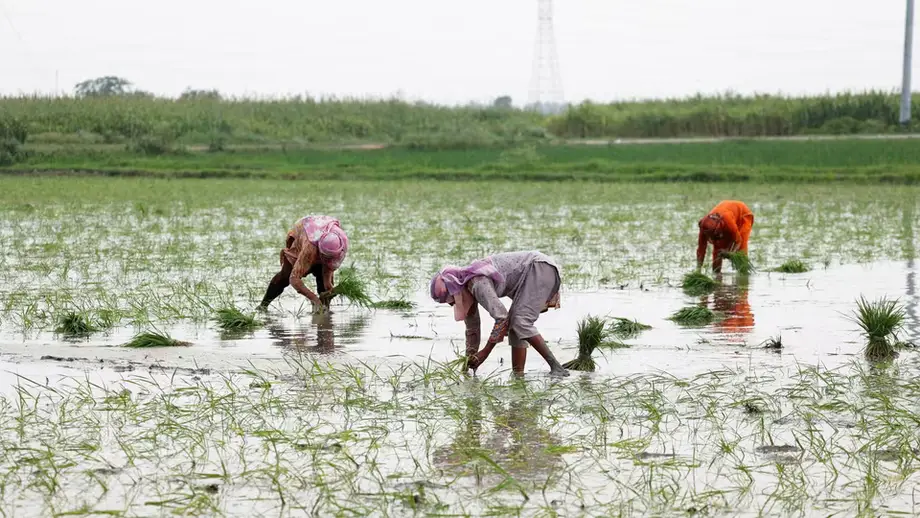
CAQM identified local emissions, agricultural residue burning and other biomass burning as contributors to the seasonal pollution load. It also cited a shallow atmospheric boundary layer and reduced vertical mixing. In simple terms, pollutants become concentrated in a smaller layer of air near the ground rather than spreading upward.
The commission based its additional November precautions on an assessment of air quality data from 2018 to 2025. That assessment found repeated pollution spikes during early and middle November, including days in the severe and severe plus categories.
The decision to retain Stages I and II and the October 30 measures reflects that recurring seasonal pattern. Authorities have eased one layer of emergency restrictions while keeping controls aimed at limiting another buildup of pollution.
Traffic, fuel checks and market cleaning remain priorities
CAQM Chairperson Rajesh Verma met senior officials from the Delhi government, Delhi Police, the Municipal Corporation of Delhi and the New Delhi Municipal Council to discuss congestion and pollution control. The commission identified Sarojini Nagar Market, Sadar Bazar and Lala Lajpat Rai Market among locations needing attention.
Authorities were directed to improve traffic movement, regulate parking and make better use of existing parking facilities with multiple levels. Congestion keeps vehicles running for longer in crowded areas, adding exhaust emissions where many people work, shop and travel.
CAQM also ordered checks at petrol pumps to enforce the No PUCC, No Fuel requirement. A Pollution Under Control Certificate records whether a vehicle meets the applicable exhaust emission limits.
Municipal bodies were asked to clean markets and streets early each morning and stop biomass and waste burning. CAQM said flying squads would inspect implementation and that officials could face action for failures to comply.
The dates governing the remaining measures
The restrictions now operating across Delhi and NCR come from several decisions issued at different times. The key dates explain why the November 17 announcement changes some activities immediately while others remain restricted.
- September 29, 2026: CAQM issued its revised GRAP schedule.
- October 30: CAQM ordered additional preventive measures for the seasonal pollution peak.
- November 5 to 20: The period set for those additional regional restrictions.
- November 6: Stage III was imposed after Delhi's AQI reached 382 and forecasts indicated worsening conditions.
- November 17: Stage III was withdrawn after the daily average AQI fell to 204.
- January 31: The stated end date for Delhi's separate winter construction, vehicle and office measures.
- February 28: The stated end date for doubled charges at authorised parking sites.
No further review date was announced with the Stage III withdrawal. November 20 is the next stated deadline for CAQM's additional regional measures, while Delhi's separate winter restrictions follow their longer schedule.
Key Points
- CAQM withdrew GRAP Stage III across Delhi and NCR on November 17, 2026.
- Delhi's daily AQI fell from 275 to 204, remaining in the poor category.
- Stage III vehicle restrictions and hybrid learning requirements through grade five were lifted.
- GRAP Stages I and II and CAQM's October 30 directions remain in force.
- Construction and office attendance restrictions continue under separate orders, with specified exemptions.
- Weaker winds and reduced atmospheric mixing could worsen air quality again.