Fewer than 100 rhinos, one home and a decision still pending
Indonesia will not move Javan rhinos from Ujung Kulon National Park in Banten to Alas Purwo National Park in East Java unless scientific studies establish that the proposed habitat can keep them safe and support a healthy population, the government said on November 17, 2026.
Contents
- Fewer than 100 rhinos, one home and a decision still pending
- What would Alas Purwo have to provide?
- Why a second population is being considered
- Moving into another forest can change almost everything
- Capture and transport carry their own dangers
- Banten leaders oppose taking rhinos out of Ujung Kulon
- Ujung Kulon's protection would continue
- Parliament wants an explanation and wider consultation
- Tourism adds a local concern to the conservation debate
- Key Points
The condition puts a firm limit on a proposal presented by presidential special envoy for climate and energy Hashim Djojohadikusumo at COP31 in Antalya, Turkey, on November 12. Alas Purwo, in Banyuwangi, remains a candidate for a second habitat. The Forestry Ministry says the proposal has not become a technical plan for moving animals.
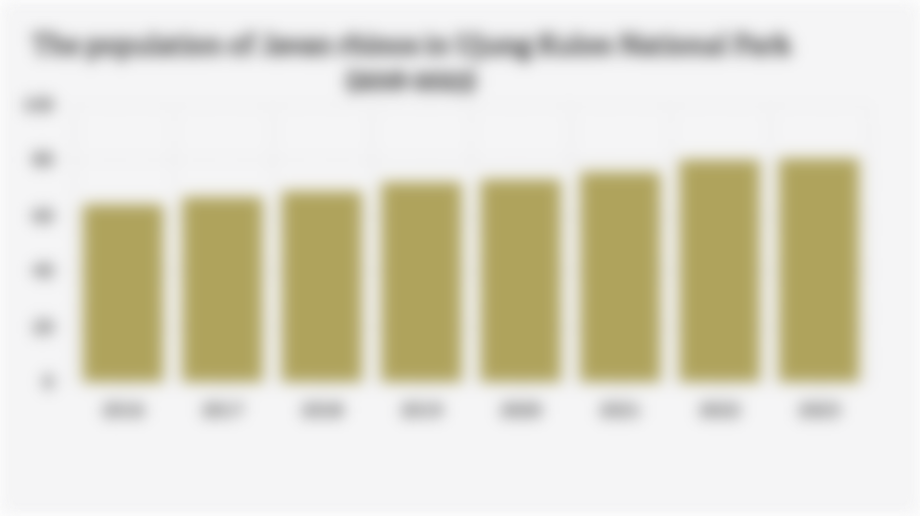
The stakes are unusually high. The government estimates that fewer than 100 Javan rhinos, Rhinoceros sondaicus, survive, all in Ujung Kulon. A tsunami in the Sunda Strait, an earthquake, volcanic activity at Anak Krakatau or a disease outbreak could threaten the entire population in one place.
Muhamad Hidayat, a senior expert at Indonesia's Government Communication Agency, said every animal's safety would guide the decision. Food, clean water, mud wallows, space to roam and protection from poaching must all meet requirements established through expert assessment.
The government also says Ujung Kulon will remain the species' main home. Its policy combines stronger protection there with an investigation of whether another location could support an additional population.
That approach faces two kinds of risk: leaving every surviving rhino exposed to threats in one area, and moving exceptionally rare animals into an environment where capture, transport, disease or poor adaptation could kill them or prevent breeding.
What would Alas Purwo have to provide?
The Forestry Ministry's assessment goes beyond whether Alas Purwo has enough forest. Researchers must examine ecosystem suitability, food and water supplies, disease exposure, disaster threats, security and the park's ability to manage rhinos for many years.
Food plants must be suitable and available throughout the year. An area that supplies abundant leaves in one season may still leave animals short of food in another. Water, mud wallows and enough connected space for normal movement also form part of the government's requirements.
Banteng, or Javan wild cattle, are a particular consideration. Rhinos entering Alas Purwo would share an existing ecosystem with other wildlife. Researchers must assess competition for food, water and space, alongside possible changes to the animals already living there.
Communities around the park are also part of the assessment. The government says it will consider local involvement and potential conflict between people and wildlife, as well as protection against illegal hunting. Long term management readiness means having the people, resources and procedures to protect and monitor the animals after their arrival.
Why a second population is being considered
Hashim proposed moving some rhinos because of the danger that a major disaster could strike Ujung Kulon. His proposal envisages conservation financing, with possible support from donors or investors. The project was presented to prospective investors at COP31, and he mentioned cooperation such as Indonesia's arrangements with Norway as a possible model.
Prof. Ronny Rachman Noor, an ecological genetics expert at IPB University, supports the principle of establishing a second population to reduce extinction risk. His argument is straightforward: a population elsewhere could survive a catastrophe affecting the original habitat.
The government's estimate of fewer than 100 rhinos sits alongside Banten Governor Andra Soni's estimate of about 80; discussion of Ronny's assessment places the population at 80 to 100. At that scale, losing one animal would mean losing roughly 1% to 1.25% of the surviving population, using the 80 to 100 range.
Genetic diversity adds another concern. The government account cites an inbreeding figure of 58.5%, although it gives no explanation of how that percentage was calculated. Inbreeding occurs when related animals reproduce, potentially making harmful inherited traits more common. Creating a second population would require careful genetic management as well as geographical separation.
Moving into another forest can change almost everything
Ronny warns that Ujung Kulon and Alas Purwo may both be forests while presenting very different conditions to a rhino. Food plants, soil minerals, microorganisms, humidity and vegetation structure can all affect an animal's ability to settle and remain healthy.
Rhinos accustomed to Ujung Kulon have established patterns of feeding, movement and reproduction. A move would require them to find suitable food and water, adjust to unfamiliar surroundings and interact with a different community of wildlife.
Stress can also continue long after an animal arrives. Ronny says prolonged stress may reduce appetite, weaken immunity and disrupt reproduction. An animal that appears healthy soon after release could develop problems months or years later.
For a species with so few animals, delayed breeding carries a substantial cost. Ronny warns that a female failing to conceive for two or three years represents a lost opportunity to increase the population. His recommended studies cover genetics, ecology, animal health, epidemiology, behaviour and welfare. Epidemiology examines how diseases appear and spread through populations.
Capture and transport carry their own dangers
Ronny identifies five practical tests before any move: suitable food for each stage of a rhino's life, sufficient habitat capacity, mapped disease risks, veterinary and transport readiness, and monitoring that continues well beyond release.
Capture and transport require particular care because severe stress and physical exertion can cause capture myopathy. This condition involves damage to muscles and can lead to breathing problems, kidney failure or sudden death. Experienced veterinarians and strict procedures to reduce those risks would be essential.
Disease surveys would need to examine both wildlife and domestic animals around the destination. Rhinos could encounter unfamiliar pathogens, the organisms that cause disease, or vectors, such as insects that carry infections between animals.
Tourism specialist Prof. Azril Azahari raises the same concern from an ecosystem perspective. Animals being moved can bring parasites, bacteria or viruses into a new area, while also encountering infections already present there. He says the assessment must examine effects on both the original habitat and the destination, including water, food and living space.
The ministry says individual rhinos would be considered only if habitat studies support establishing a second population. Selection would examine health, age, sex, genetic diversity and reproductive potential. The aim would be to establish animals capable of surviving and breeding, while carefully managing the population left in Ujung Kulon.
Banten leaders oppose taking rhinos out of Ujung Kulon
Banten Governor Andra Soni has urged the government not to move rhinos outside their present habitat. He also called for stronger protection against poaching, arguing that safeguarding the animals and their existing home should come first.
Andra cited the death of a rhino named Mustofa, which he said occurred not long after a transfer to the Javan Rhino Study and Conservation Area, or JRSCA, inside Ujung Kulon. He invoked that experience as a warning about the dangers of moving animals, even within the national park.
Banten Deputy Governor Achmad Dimyati Natakusumah also objected and said he intended to call in Ujung Kulon's managers for an explanation. Pandeglang Deputy Regent Iing Andri Supriadi described the rhino as an icon of his regency and asked the central government to reconsider the proposal.
Their objections bring local identity into a debate driven nationally by extinction risk. Historical records place Javan rhinos in the Ujung Kulon peninsula as early as 1857, 169 years before the current debate. The animals also persisted there after the Krakatau eruption of 1883. Ujung Kulon's long association with the species helps explain why the proposal has provoked strong regional opposition.
Ujung Kulon's protection would continue
Ristianto Pribadi, head of the Forestry Ministry's Public Relations and International Cooperation Bureau, says protecting Ujung Kulon and exploring a second habitat are complementary conservation efforts. The ministry says the park's conservation status and function will remain the foundation of its management.
Current work includes stronger protection against poaching, population monitoring, habitat protection and restoration. The ministry also identifies the JRSCA within Ujung Kulon as part of its efforts to improve management and learn more about conserving Javan rhinos.
Research into alternative locations has a long history. Efforts dating to the 1980s included examination of Mount Honje and Cikepuh. Alas Purwo is the latest candidate under discussion, with suitability dependent on ecological studies and risk assessment.
Hidayat says the Forestry Ministry has sole authority over technical decisions about any relocation, guided by expert recommendations. Parliamentary consultation and political support would accompany that process, while the ministry would determine the technical requirements.
Parliament wants an explanation and wider consultation
Deputy Speaker Saan Mustopa said in Jakarta on November 17 that the House of Representatives would examine the proposal with organisations and officials responsible for conservation and endangered animal protection.
Saan said House Commission IV would call the relevant ministries to explain the proposal. It would also coordinate with the Pandeglang Regency and Banten provincial governments to examine the possible benefits and risks.
The main developments span several dates:
- November 12, 2026: Hashim presented the proposal and his concerns about disaster risk during a COP31 media briefing in Antalya.
- November 15: A Forestry Ministry statement cited through Ujung Kulon's official social media said Alas Purwo's suitability required comprehensive scientific assessment.
- November 16: Ministry information reaffirmed Ujung Kulon's role as the main habitat, while regional objections and concerns about tourism were also voiced.
- November 17: Hidayat set out the government's conditions, Ristianto described the assessment requirements and Saan outlined parliamentary scrutiny.
No number of rhinos to be moved, relocation date, study completion deadline or parliamentary hearing date has been announced. Hashim's proposed financing would also need to support the continuing work of protecting and monitoring any new population.
Tourism adds a local concern to the conservation debate
Azril says Javan rhinos are part of Ujung Kulon's international identity and warns that moving them could reduce the park's tourism appeal. His concern joins the regional leaders' argument that the species carries cultural and economic value for Banten and Pandeglang.
The Wildlife Experience Index 2026, compiled by British travel company Bailey Robinson, ranked Javan rhino tracking in Banten fifth, with 85 points out of 100. Viewing orangutan habitat in Kalimantan ranked eighth with 84 points. The index considered six factors, including rarity, conservation value, remoteness, exclusivity, accessibility and the chance of encountering wildlife.
Bailey Robinson also put protection of endangered species ahead of tourism and said Javan rhino tracking is not an experience normally arranged for visitors. Ujung Kulon's appeal therefore includes the knowledge that exceptionally rare animals survive in a protected natural habitat, even when visitors never see them.
IPB University lecturer Muhammad Adil says conservation and tourism can coexist when visitor activity is properly managed and mass tourism is avoided. He sees visits to national parks as an opportunity to teach people how ecosystems work and why their living components need protection.
The immediate conservation task remains concrete: keep Ujung Kulon's rhinos safe while determining whether Alas Purwo can support another breeding population. Food, health, security, reproduction and sustained management will determine whether that candidate becomes a viable second home.
Key Points
- Indonesia requires a comprehensive scientific assessment before any Javan rhino move to Alas Purwo.
- Fewer than 100 animals are estimated to survive, all in Ujung Kulon.
- Studies must examine food, water, wallows, space, disease, disasters, poaching and effects on communities and wildlife.
- Scientists warn that capture, transport and prolonged stress could harm survival and breeding.
- Banten leaders oppose relocation, while House Commission IV plans scrutiny and consultation.
- Ujung Kulon will remain the main habitat, with protection and restoration continuing.
- No relocation date, animal selection total or study deadline has been announced.