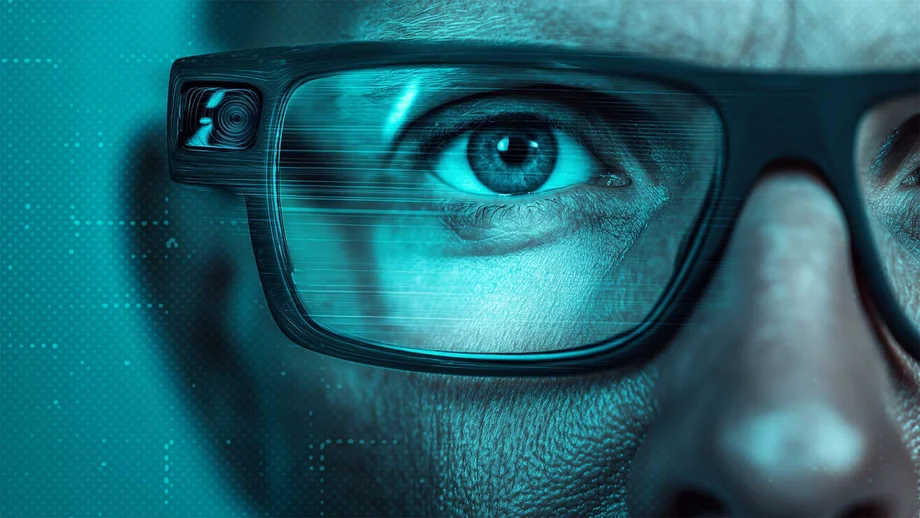
Ordinary looking glasses face tighter factory checks
SK hynix is barring AI glasses from its semiconductor facilities and visually inspecting ordinary glasses and sunglasses at security checkpoints, as South Korean manufacturers expand controls on devices that can quietly photograph sensitive equipment. Samsung Electronics is reviewing a specific ban covering employees and visitors, while Hyundai Motor, Kia and HD Hyundai are also tightening restrictions on wearable electronics.
Contents
- Ordinary looking glasses face tighter factory checks
- Samsung and SK hynix take different approaches
- What chip facilities are trying to protect
- Restrictions spread to cars and shipbuilding
- Police figures show a wider technology theft problem
- Insiders and smaller suppliers carry much of the risk
- A growing market makes screening harder
- Samsung's consumer plans meet its factory concerns
- Exam concerns add pressure for clearer rules
- Key Points
The measures described on November 16, 2026, target a practical security problem: glasses containing cameras, microphones and storage can resemble everyday eyewear. Some models can send captured information outside a facility, allowing images of production equipment or computer screens to leave without a conventional document or storage drive being carried through the exit.
The Korean National Police Agency's National Office of Investigation recorded 179 technology leakage cases involving 378 people in 2025. Of those cases, 33 involved overseas leakage, with semiconductors accounting for five, the largest number among the individual technology sectors identified.
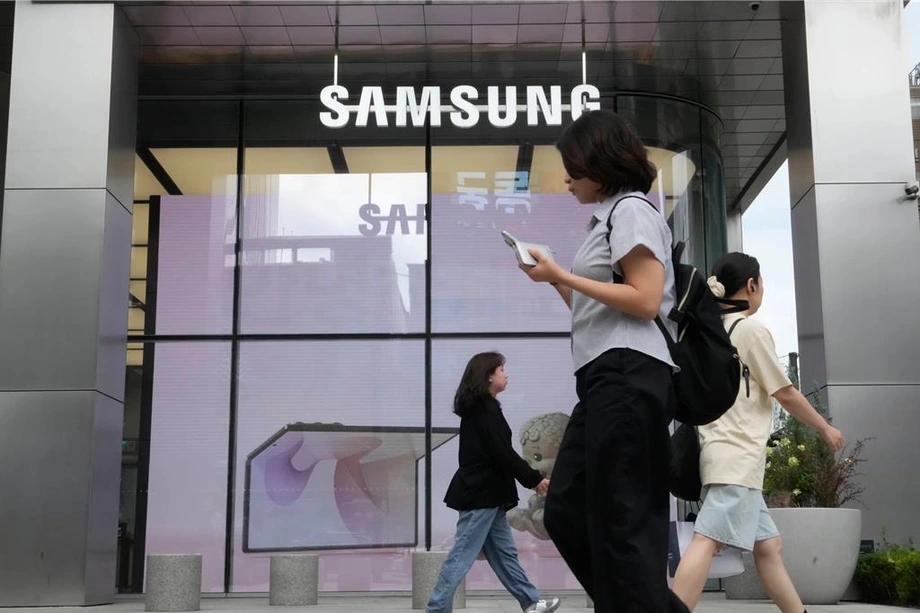
Samsung's position is especially striking because it is also preparing to sell AI glasses. Its planned Intelligent Eyewear launch on December 10 places the company on both sides of the issue: developing useful consumer devices while deciding whether those devices belong inside factories handling protected technologies.
The immediate change for workers and visitors is at the entrance. Security checks are expanding beyond phones, laptops and memory devices to items people wear on their faces, wrists and ears. For manufacturers, the challenge is to control recording functions hidden inside increasingly familiar accessories.
Samsung and SK hynix take different approaches
SK hynix already prohibits AI glasses inside its semiconductor facilities. Security staff also examine conventional glasses and sunglasses by sight to identify products that might contain similar recording technology.
Samsung currently controls electronics equipped with cameras or memory through security stickers or by sealing the devices inside security bags. It is considering an additional rule specifically prohibiting AI glasses and reviewing the related security guidelines. No decision date for that proposed ban was given.
The difference matters for access: SK hynix has a stated prohibition, while Samsung is assessing a dedicated restriction alongside its existing controls. Employees and contractors at Samsung therefore face rules governing device functions even before a separate glasses policy is settled.
Both approaches address the same exposure. A camera worn at eye level can capture whatever its wearer looks toward, including machinery, process displays and the arrangement of a production line, without the visible action of raising a phone.
What chip facilities are trying to protect
Semiconductor plants contain information about equipment placement, operating methods and manufacturing processes. Those details help companies turn chip designs into functioning products, and their value extends beyond a single photograph or technical drawing.
A picture of a work screen, for example, can reveal information about how equipment is being operated. Images of machinery and its arrangement can also expose parts of a production method that a company keeps confidential.
South Korea protects designated semiconductor process technologies as national core technologies under its industrial technology protection law and as national advanced strategic technologies under its strategic industries law. These categories identify technologies considered especially important to the country's economy and security.
Facilities handling these technologies already use strict entry controls. X-ray scanners and metal detectors help identify electronics and storage devices. Employees use smartphone security software that restricts cameras and, under the controls described, microphones. Visitors may be required to install security software or cover camera lenses with security stickers.
AI glasses add another device to that system. A restriction applied to a worker's phone leaves a separate pair of recording glasses to be checked and controlled in its own right.
Restrictions spread to cars and shipbuilding
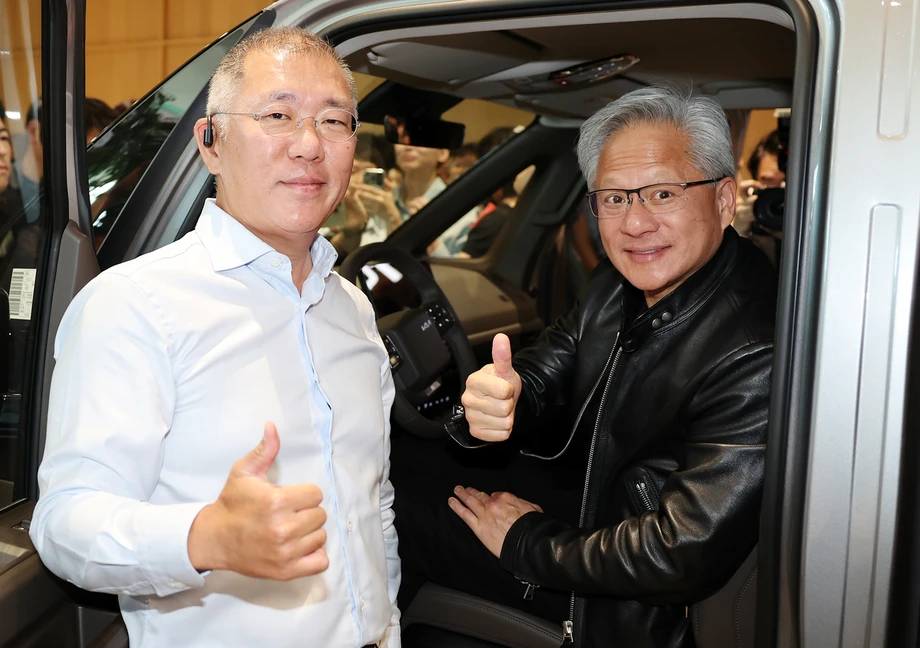
Hyundai Motor and Kia restrict workplace entry for AI wearable devices and network equipment. The controlled items include smart glasses, smartwatches with cameras and AI earbuds, extending the focus beyond photography alone.
Outside visitors face the same entry restrictions at factories and research centers. The companies also plan stronger employee security training and updates to their rules as technology changes.
HD Hyundai began strengthening its measures in August 2026. Its response includes security training for employees, revised confidentiality agreements and guidance at major workplaces restricting devices such as AI glasses. Security campaigns accompany those instructions.
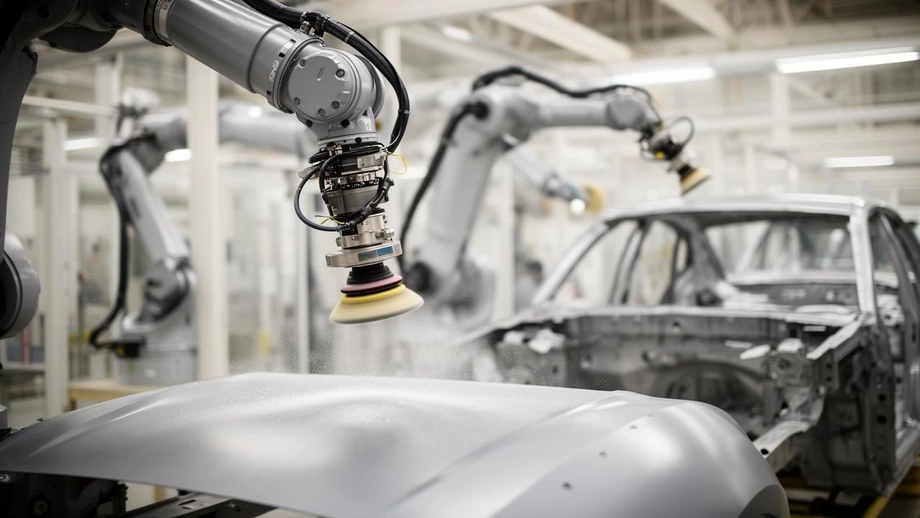
The expansion across chips, vehicles and shipbuilding shows how manufacturers are changing the scope of workplace security. Their checks increasingly cover wearable equipment capable of recording or communicating information, alongside familiar items such as phones and laptops.
The main developments span several dates:
- May 2025: A former employee of an SK hynix supplier was arrested at Gimhae Airport over an alleged attempt to take sensitive memory component process documents to China.
- During 2025: Police detected 179 technology leakage cases, including 33 involving overseas leakage.
- August 2026: HD Hyundai began strengthening security measures covering new digital devices.
- November 16, 2026: SK hynix's ban, Samsung's review and broader manufacturing restrictions were described.
- December 10, 2026: Samsung's Intelligent Eyewear launch is planned in South Korea and the United States.
Police figures show a wider technology theft problem
The National Office of Investigation's figures show a sharp increase in detected technology leakage cases. The total rose from 123 cases involving 267 people in 2024 to 179 cases involving 378 people in 2025, increases of 45.5% and 41.5%, respectively. Six people were held in detention, and eight cases involved designated national core technologies.
Overseas leakage cases involved 105 people. Semiconductors accounted for five of the 33 cases, or 15.2%, followed by displays with four, secondary batteries with three and shipbuilding with two.
China was the destination in 18 overseas cases, or 54.5% of the total. Vietnam accounted for four, Indonesia and the United States for three each, Japan and Taiwan for one each, and other destinations for three.
China's share fell from 74.1% in 2024, although the number of cases involving China declined more modestly, from 20 to 18. Vietnam's count rose from one to four. These figures show why companies are applying security controls across facilities and personnel rather than concentrating solely on a single overseas destination.
Insiders and smaller suppliers carry much of the risk
Company insiders, including employees, were involved in 148 cases, or 82.7% of the 2025 total. Small and medium sized businesses accounted for 155 victim cases, or 86.6%, compared with 24 involving large companies.
The figures put suppliers and employee access near the center of the problem. A large manufacturer's entry checks protect its own premises, while sensitive production knowledge may also be held by smaller businesses supplying components or services.
The May 2025 airport arrest illustrates that connection. A former employee of an SK hynix supplier was allegedly attempting to take documents concerning the production of key components for high bandwidth memory, known as HBM, to China. HBM is memory designed to move large amounts of data quickly and is an important component in advanced AI computing.
Police also described an October 2025 case involving a former battery researcher accused of saving nationally protected manufacturing documents on a personal laptop before moving to an overseas competitor.
Investigators said they secured about 2.34 billion won in criminal proceeds through measures including provisional seizure before indictment. Such an order preserves assets while a case proceeds, helping prevent suspected proceeds from being moved or spent.
A growing market makes screening harder
Global AI glasses shipments reached 8.7 million units in 2025, a rise of 322% from the previous year. Meta held an 81.3% market share, followed by Even Realities at 2.4% and Alibaba at 2.1%. A further 4.2 million units shipped in the first half of 2026.
Most of these products look closer to conventional eyewear than to a headset. Some 96% of units shipped in the first half of 2026 lacked a separate display. Cameras, microphones and speakers support functions such as object recognition, translation and spoken assistance.
Meta's partnership with EssilorLuxottica has brought the technology into Ray-Ban and Oakley designs and established optical retail networks. Xiaomi and Alibaba are also introducing products, while shipments in China rose 306% from a year earlier during the first half of 2026.
The combination of familiar frames and less visible electronics helps explain the visual checks at SK hynix. A device's appearance alone is becoming a less useful guide to whether it can record, store or transmit information.
Samsung's consumer plans meet its factory concerns
Samsung plans to launch Intelligent Eyewear, developed with Google and Gentle Monster, in South Korea and the United States on December 10. The product is described as weighing 41 grams and carrying a camera with a resolution of 12 megapixels.
Google's Gemini powers translation and object search functions. Pairing the glasses with a Galaxy smartphone also supports notifications and meeting summaries. In South Korea, the planned range includes 16 models developed with Gentle Monster, priced from 650,000 to 700,000 won.
Samsung says the glasses include an LED that lights up during recording and a mechanism that disables the camera if the indicator is covered. The camera is also designed to remain inactive when the glasses are not being worn.
The company says it does not identify people captured nearby or use visual data for AI model training or advertising. It also has an engineering team dedicated to privacy protection.
Consumer safeguards and factory entry controls serve different purposes. A recording light alerts nearby people, while a factory restriction aims to keep sensitive equipment and process information out of recordings altogether. Samsung's product plans and security review reflect those separate needs.
Exam concerns add pressure for clearer rules
A recent tax accountant examination cheating case has added urgency to concerns about concealed cameras and AI assistance. The examinee admitted photographing questions with a miniature camera, sending them to a generative AI service and checking the answers on a smartphone.
Generative AI can produce text in response to a question or image. In an examination, that capability can give a candidate outside assistance; inside a factory, the camera and communication functions create a route for sensitive information to leave.
The government plans to investigate suspected cheating in national certification examinations and strengthen oversight, including personnel checks for smart glasses at College Scholastic Ability Test venues. The Personal Information Protection Commission plans privacy guidelines by the end of 2026.
For manufacturers, the concrete response is already taking shape: inspect eyewear, control additional wearable devices, update confidentiality obligations and train people with access to sensitive information. The police figures make employee conduct and supplier security central to that work, alongside the technology used at the gate.
Key Points
- SK hynix bans AI glasses at semiconductor facilities and visually checks ordinary glasses and sunglasses.
- Samsung is reviewing a specific ban while using stickers and sealed security bags to control electronics.
- Hyundai Motor, Kia and HD Hyundai are also restricting wearable devices or strengthening related security measures.
- Police detected 179 technology leakage cases involving 378 people in 2025. Five of the 33 overseas cases involved semiconductors.
- Insiders were involved in 82.7% of cases, and smaller businesses accounted for 86.6% of victim cases.
- Samsung's AI glasses launch is planned for December 10, while Korean privacy guidelines are planned by the end of 2026.