First test on the Zuoying to Chiayi route reaches its target
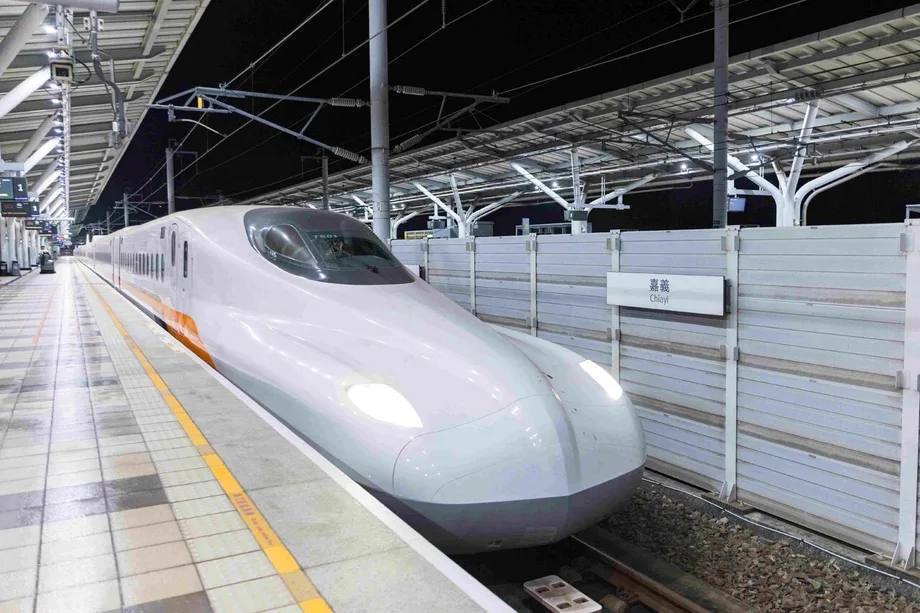
Taiwan High Speed Rail's first N700ST train reached 170 kilometers per hour during its first mainline test early on November 16, 2026, bringing the operator closer to a planned passenger service launch on July 1, 2027. The train ran between Zuoying and Chiayi, increasing its speed in steps through 40, 70 and 120 km/h before reaching the target.
Contents
- First test on the Zuoying to Chiayi route reaches its target
- Why the train is being tested in steps
- From a Japanese factory to Taiwan's railway
- The dates between delivery and passenger service
- What the 69 checks cover
- Battery backup, braking and lower energy use
- What passengers will find inside
- How 12 more trains could ease busy departures
- Key Points
The run followed assembly and low speed testing at the Yanchao maintenance depot in Kaohsiung. Taiwan High Speed Rail said the mainline test checked both the train's performance and how it worked with the railway's tracks and overhead electricity supply. Engineering teams from Taiwan and Japan are carrying out the checks.
The first train must pass 69 safety and equipment tests before carrying passengers. Those checks cover everything from braking and automatic train control to doors, air conditioning and toilets. The company said speeds and the functions being tested would increase gradually while meeting safety and reliability requirements.
Taiwan High Speed Rail has ordered 12 N700ST trainsets from Japan. Once all enter service, scheduled for September 2028, its fleet will grow from 34 to 46 trainsets. The operator expects the expansion to increase capacity during peak hours by 25%, giving it more room to carry passengers at the busiest times.
Why the train is being tested in steps
The N700ST is designed for a maximum service speed of 300 km/h, the same maximum used by the existing fleet. Its first mainline run had a lower target because commissioning proceeds through a series of controlled stages. Engineers check how the train behaves at one speed before moving to the next.
Overhead wires supply electricity to the train while it moves. Testing their interaction with the train, alongside its behavior on the track, is part of checking that a new vehicle works properly with Taiwan's existing railway. The November 16 run reached the speed planned for that stage.
Taiwan High Speed Rail has described a broader program lasting nearly a year from delivery to passenger service. The mainline running tests use overnight maintenance periods, when engineers can work through the planned checks outside the regular passenger timetable.
Later testing will bring the train into operating conditions during service hours. That allows engineers to assess its systems, running performance and stability in the environment it will encounter when carrying passengers.
From a Japanese factory to Taiwan's railway
The first N700ST left Japan after a July 30 ceremony at Hitachi's Kasado factory in Yamaguchi Prefecture. It arrived at Kaohsiung Port's Pier 74 on August 15, 2026. Its 12 cars were transported separately before being brought together as one complete trainset at Yanchao.
The first trainset, identified as TS01, has since completed assembly. Taiwan High Speed Rail Chairman Shih Che attended a ceremony marking the start of depot testing, with a high voltage withstand test among the first checks. That test examines whether electrical insulation can safely handle the required voltage.
The purchase marks Taiwan High Speed Rail's first introduction of a new train type in 22 years. The order, placed with the Hitachi Toshiba Supreme Consortium, is worth approximately 124.1 billion yen. Hitachi and Nippon Sharyo manufacture parts of the trains before final integration in Japan.
The N700ST is based on Japan's N700S Shinkansen, with changes for Taiwan. The letter T stands for Taiwan, following the naming approach used for the existing 700T fleet. The remaining 11 trainsets are scheduled to arrive in stages.
The dates between delivery and passenger service
Shih has set July 1, 2027, as the target for the first passenger service. Earlier operating plans called for the first three new trainsets to begin carrying passengers during July 2027. Entry into service depends on completing testing and safety certification.
The main milestones stretch from the first delivery in August 2026 to the planned completion of the fleet expansion in September 2028:
- July 30, 2026: A ceremony at Hitachi's Kasado factory preceded the first train's departure from Japan.
- August 15, 2026: The first trainset arrived at Kaohsiung Port.
- November 2026: Depot static testing was scheduled for completion.
- November 16, 2026: The first mainline test reached 170 km/h between Zuoying and Chiayi.
- By the end of April 2027: The operator plans to complete the dynamic testing program.
- July 1, 2027: Target date for the first N700ST passenger service.
- September 2028: All 12 new trainsets are scheduled to be operating.
Taiwan High Speed Rail groups commissioning into three broad phases: depot checks, mainline dynamic testing and final acceptance under operating conditions. The Railway Bureau has also described four stages within dynamic testing, followed by the regulatory approval needed for passenger service.
What the 69 checks cover
Safety testing includes pulling power, braking at different settings, air resistance, running stability, body strength and performance under the overhead wires. Engineers also validate the automatic train control system, or ATC, which supervises train movement and speed.
Electrical checks cover the high voltage equipment, main voltage system, battery circuits and onboard computers. Train radio, driver controls, doors, vehicle weight and equipment beneath the cars are also on the checklist. Together, these checks examine how the train's many systems work as a complete vehicle.
Mechanical and equipment tests reach into details passengers rarely see: wheel bearings, lubrication around the axle boxes, grip between wheels and rails, pressure changes in the driver's cab, side windows and windscreen wipers. Battery performance is also tested.
Passenger facilities receive their own checks, including lighting, sinks, toilets, air conditioning, noise and ride comfort. A train ready for daily service needs working passenger equipment as well as reliable propulsion, controls and brakes.
Battery backup, braking and lower energy use
Taiwan High Speed Rail says the N700ST uses about 20% less energy than the older 700 series design. Its more aerodynamic nose reduces air resistance and tunnel noise, while active suspension is expected to give passengers a smoother ride. Active suspension adjusts the vehicle's movement to reduce shaking.
A backup lithium ion battery system is intended to let the train move at low speed for approximately 10 kilometers if external power is lost. That would give it a way to leave a tunnel or elevated section and reach a safer stopping location.
The operator also expects the emergency braking distance to be about 20% shorter than that of its existing fleet. Braking performance and the onboard battery are among the functions being examined before the train enters service.
The planned gains therefore center on energy consumption, safety, reliability and comfort while retaining a maximum service speed of 300 km/h. Passengers will travel in a new train design on the existing high speed railway.
What passengers will find inside
Each N700ST is planned to have six wheelchair spaces, compared with four on existing trains. That is an increase of two spaces, or 50%, per trainset. Wheelchair restraints are also included.
Families will have access to a larger nursing room with a sink, an infant seat and enough space for a stroller. Other planned changes include charging outlets at every seat, full color information displays, larger luggage areas and deeper overhead racks.
The interiors are designed to be quieter, with redesigned reclining seats and toilets equipped with washing functions. Comfort and noise measurements form part of the testing program, alongside checks on the basic operation of passenger facilities.
Taiwan High Speed Rail plans to assign the new trains mainly to longer journeys with fewer stops at first. Fares are to remain the same as on existing trains. The company has discussed identifying N700ST departures in its booking system, although assignments could change for operational reasons; a confirmed timetable for those services has not been announced.
How 12 more trains could ease busy departures
The increase from 34 to 46 trainsets amounts to fleet growth of about 35%. Taiwan High Speed Rail's forecast for peak capacity is a smaller 25%, reflecting the difference between owning more trains and scheduling them into passenger service. Maintenance and operating requirements also shape how the fleet is used.
Kaohsiung is being prepared to support the expansion. The company is enlarging its Yanchao main maintenance workshop and building a second vehicle maintenance hall at Zuoying. Those facilities will support the inspection and upkeep of the larger fleet.
The expansion follows other efforts to manage crowded departures. A ticket exchange requirement introduced on November 10, 2025, required passengers with reserved seats to change their tickets before boarding an earlier service. Taiwan High Speed Rail said more than 60,000 booked seats were being left empty each month as some passengers traveled earlier without releasing their original reservations.
At the time, the company said it had carried 78.25 million passengers in 2024 and expected more than 80 million in 2025. Better use of booked seats addresses how existing space is allocated; the N700ST purchase adds trains that can support more services. The first passengers are due to benefit in July 2027, with the full expansion scheduled for September 2028.
Key Points
- The first N700ST reached 170 km/h in mainline testing between Zuoying and Chiayi on November 16, 2026.
- The train must complete 69 safety and equipment checks before carrying passengers.
- Dynamic testing is scheduled to finish by the end of April 2027, ahead of a July 1 passenger service target.
- All 12 new trainsets are due in service by September 2028, expanding the fleet from 34 to 46.
- Taiwan High Speed Rail forecasts a 25% increase in peak capacity.
- Planned improvements include battery backup, shorter emergency braking distances, seat charging outlets and six wheelchair spaces per train.