A camera, a voice assistant and a 2027 launch target
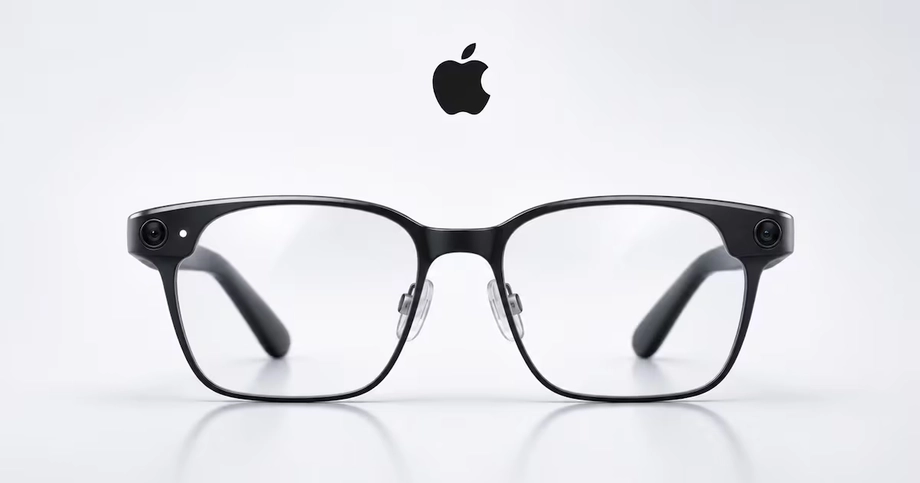
Apple is targeting June 2027 to unveil its first artificial intelligence glasses, with shipments planned before the end of that year. The device, known internally as N50, would use cameras, microphones and speakers rather than a display in the lenses, putting Siri and the apps on a connected iPhone at the center of the experience.
Contents
- A camera, a voice assistant and a 2027 launch target
- How the reported schedule has changed
- What glasses without a screen would do
- Why Siri and app developers matter
- Frames designed around everyday wear
- The iPhone would still do much of the work
- Privacy could shape the final camera features
- Samsung and Google set a concrete benchmark
- Phone compatibility may decide the purchase
- Key Points
The proposed unveiling at Apple's Worldwide Developers Conference (WWDC) would give developers time to connect their existing iPhone apps to Siri before customers receive the glasses. A wearer could ask for a restaurant reservation, a ride or a coffee order without taking out a phone. The connected iPhone would run the relevant app and handle the transaction.
Apple has not announced the product. Its price, weight, camera resolution, battery rating, exact iPhone requirements and prescription lens options remain undisclosed. Hardware development is reportedly largely complete, while delays involving Siri and other software could push the launch beyond the planned window. Privacy protections are also receiving further development.
The competitive timetable is already taking shape. Samsung and Google plan to begin selling their Gemini glasses in South Korea and the United States on December 10, 2026, through eyewear partners Gentle Monster and Warby Parker. Meta, which introduced its third generation Ray-Ban Meta glasses in September, held 81.3% of global AI glasses shipments in the first half of 2026, according to market researcher Omdia.
Apple's proposed entry would therefore arrive after rivals have established both products and expectations. Its main opportunity is to make familiar iPhone services accessible through spoken requests, while keeping the glasses comfortable enough to wear for long periods.
How the reported schedule has changed
Apple's glasses project began in the early 2020s. The reported schedule has moved from a possible 2026 introduction and early 2027 release toward a June 2027 announcement and shipments later that year.
Earlier development plans included a possible production start in December 2026. Later accounts place more weight on finishing the software and refining privacy features before release. The distinction matters for buyers: announcing glasses at a developer conference would not necessarily mean they could be purchased immediately.
- December 2025: Development reporting described a possible announcement in 2026 followed by a release in 2027.
- February 2026: An early 2027 release was under consideration.
- April 2026: Apple was testing four frame shapes, including rectangular, oval and circular designs.
- November 2026: New details described a June 2027 WWDC unveiling and shipments before the end of 2027.
- Late 2027: Camera equipped AirPods are also reportedly scheduled, potentially sharing some visual assistance functions with the glasses.
Apple's software rollout would precede the glasses. Controls allowing Siri to operate individual app functions reportedly appeared in an initial iOS 27.3 beta. Support for Apple's own apps is planned for December 2026, followed by external developers' apps in 2027. Apple first previewed the broader app control capability in 2024.
What glasses without a screen would do
N50 is expected to deliver information through sound rather than place digital images in front of the wearer's eyes. Augmented reality, or AR, adds digital content to a person's view of the physical world. Apple's first glasses would instead let a camera observe something and Siri explain it aloud.
A wearer could ask the glasses to identify a building, translate a sign, read printed text or suggest a meal from ingredients in a refrigerator. Navigation could refer to a visible landmark rather than rely entirely on distances and street names. Apple is also exploring reminders linked to what a person sees or where they are.
Earlier feature descriptions included simple visual overlays for notifications and directions; the more recent N50 plans specify a first model without a display. The proposed interaction is therefore primarily spoken: a question goes in through a microphone, visual information comes from a camera, and an answer comes through the speakers.
Music playback, telephone calls and FaceTime audio are also planned, alongside messages, calendar information, iPhone notifications and controls for smart home devices. Open speakers would deliver sound without requiring separate earbuds. Apple is reportedly giving audio quality particular attention, although independent performance measurements have not been published.
Why Siri and app developers matter
Apple's proposed app system divides the work between two devices. The glasses would collect a spoken request and, when needed, information from their cameras. Siri would then call on a function inside an app running on the paired iPhone.
The examples under development include booking a table through OpenTable, requesting an Uber or Lyft, ordering from Starbucks and buying something through Amazon. Shopping and movie ticket purchases are also among the intended uses. Each service would depend on its developer making the relevant app functions accessible to Siri.
Developers would not need to build an entirely separate glasses app. Instead, they would adapt an existing iPhone app so Siri could perform specific actions. This approach would let Apple draw on services customers already use, while reducing the processing and memory demands placed on the frames.
The practical challenge is completing a request accurately. Ordering coffee involves more than recognizing the word coffee: the assistant needs the right drink, size, shop and account. Apple's planned advantage therefore depends on both Siri's ability to understand the request and the app's ability to carry it out.
Google and Samsung are pursuing a related approach with Gemini and existing smartphone services. Their glasses can interact with apps for tasks such as music playback and saving notes. Competition is extending beyond which assistant can answer a question to which one can reliably finish an everyday task.
Frames designed around everyday wear
Apple is reportedly designing its own frames rather than adopting a fashion partnership like Meta's arrangement with Ray-Ban or Samsung and Google's work with Gentle Monster and Warby Parker. Engineers initially tested electronics inside established eyewear brands' frames before moving toward Apple's own designs.
Four shapes were being tested in April 2026: a large rectangular frame, a slimmer rectangular option, a larger oval or circular design, and a smaller oval or circular version. Reported colors include black, light brown and ocean blue. Acetate, a material commonly used in eyewear frames, is among the materials under development.
More recent prototypes are described as slightly thinner than Meta's second generation Ray-Ban glasses. Some have oval camera openings integrated into the frame without a protruding housing, along with a front indicator for activity or charging.
A small magnetic connector with three pins attaches near the tip of the left arm on test units. It allows the glasses to charge while being worn, although its inclusion in the retail product is undecided. Earlier prototypes used a cable connected to an external battery pack and an iPhone; newer designs integrate more components into the frames.
The iPhone would still do much of the work
N50 prototypes reportedly use a processor derived from older Apple Watch chips and a reduced version of visionOS 28, drawing on software developed for Apple's Vision Pro headset. Specialized components handle wireless connections and process images as the cameras capture them.
Development plans have also described two camera systems: a sensor for detailed photographs and video, and another for computer vision. Computer vision is software that interprets images, allowing a device to recognize objects or estimate distances. Proposed uses include converting printed text into digital information and helping Siri understand the surrounding scene.
The paired iPhone would supply additional computing power and run external apps. Current plans call for a recent iPhone and exclude Android support. Bluetooth would connect the devices, while Wi-Fi could allow some functions, such as audio playback, to continue when the phone is out of range.
Apple is also reportedly considering limited health tracking. Separately, the planned camera equipped AirPods would give Siri information about a user's surroundings. The glasses are intended to offer room for more sensors and a longer battery life than those earbuds, supporting Apple's goal of a device that can be worn throughout the day.
Privacy could shape the final camera features
Apple is considering several restrictions on how N50 captures and processes visual information. They include handling more AI work on the device, excluding facial identification, keeping users' photographs and videos out of AI training, and preventing outside contractors from reviewing captured footage.
Processing information on the device means analyzing it locally rather than sending it to a remote server. For glasses that may see private homes, documents and people nearby, the choice affects where sensitive images travel and who can access them.
More restrictive designs have also been discussed internally. Apple could offer a version without a camera, or retain a camera for visual assistance while disabling photo and video recording. Either option would change what buyers could do: removing a camera would limit visual assistance, while disabling recording would sacrifice the ability to capture a scene from the wearer's perspective.
Access restrictions are already part of the market. Some courts in New York, Pennsylvania and Wisconsin restrict smart glasses, while Royal Caribbean limits their use in casinos, bathrooms and children's areas. Restrictions have also been reported at schools, hospitals, gyms and performance venues.
Google's competing glasses include detection of interference with the recording indicator: blocking the light stops recording. Google also says faces of nearby people are automatically obscured before Gemini processes visual data, and images used for visual questions are excluded from Gemini History, AI training and advertising use.
Samsung and Google set a concrete benchmark
Samsung and Google's December 10 launch gives Apple a specific set of hardware and price benchmarks. Warby Parker models start at $395, while Gentle Monster models start at $449. Gentle Monster's South Korean prices range from 650,000 to 700,000 won.
The Gentle Monster launch introduced six frame styles and 16 variations. Warby Parker adds three designs named Alden, Reid and Wren. The products share hardware weighing about 41 grams, with a camera rated at 12 megapixels, video recording at up to 3K resolution and an advertised battery life of up to nine hours.
A charging case can recharge the glasses as many as seven times. Using the stated nine hours per charge, the glasses' initial charge plus seven further charges produces the advertised total of up to 72 hours across repeated charging. Actual use would depend on activities such as recording, calls and AI requests.
Gemini supplies translation, spoken directions, notifications and assistance based on what the camera sees. Guided Vision provides audio descriptions for people with impaired vision, while an Aira integration can send the camera feed to a human assistant.
The confirmed December 10 date also sharpens the broader window described during Samsung's December preparations. Apple would enter after those products have spent months with customers, giving buyers a basis for comparing comfort, voice recognition, useful app connections and battery performance.
Phone compatibility may decide the purchase
Samsung and Google's glasses initially support selected Galaxy, Pixel and iPhone models. The listed devices include the Pixel 7 series and newer, Galaxy S23 and newer, Galaxy Z Fold 5 and Z Flip 5 and newer, and iPhone 13 Pro and newer. Supported Samsung phones require One UI 9.0 or later.
Galaxy A models and phones from Motorola, OnePlus, Xiaomi, OPPO and HONOR are absent from the initial list. Samsung and Google plan to provide more information about broader compatibility in 2027 and beyond. Guided Vision, Aira assistance, Audible integration and some app interactions initially require an Android connection.
Meta supports a wider range of operating system versions, including Android 10 or later and iOS 14.4 or later. Its third generation Ray-Ban Meta glasses offer a camera rated at 12 megapixels, 3K video and up to nine hours of battery life.
Omdia's 81.3% shipment share leaves 18.7% for every other supplier combined in the first half of 2026. Apple faces that established lead while pursuing a narrower, iPhone centered design. For customers, the first buying decision may be whether a pair works with the phone they already own, followed by whether its assistant can use the services they need.
Key Points
- Apple reportedly targets a June 2027 unveiling and shipments before the end of 2027, with software delays threatening the schedule.
- The first N50 glasses are expected to use cameras, microphones and speakers without an AR display.
- Siri would control compatible apps on a paired iPhone rather than run separate apps on the glasses.
- Apple is testing multiple frame designs, magnetic charging and additional privacy protections.
- Samsung and Google's glasses go on sale December 10, 2026, starting at $395 for Warby Parker and $449 for Gentle Monster.
- Meta held 81.3% of global AI glasses shipments in the first half of 2026, according to Omdia.