A quiet visit follows a call for lasting support
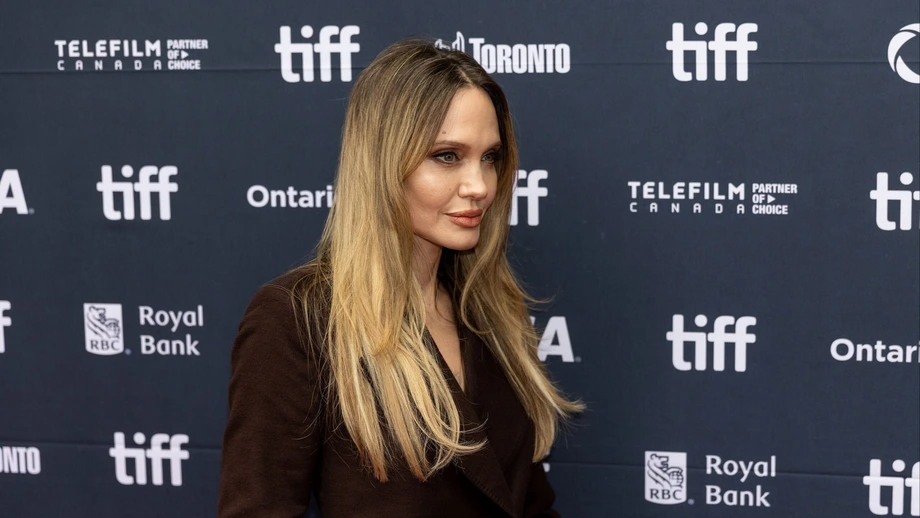
Angelina Jolie has visited Cambodia's Sosoro Museum and paid her respects to the supreme patriarch of the Mohanikay Buddhist Order, returning to a country where her ties now stretch from family and filmmaking to landmine clearance and forest conservation.
Contents
- A quiet visit follows a call for lasting support
- Religious respects and a museum stop
- How Cambodia became a family home
- Forty-eight landmines beneath a future home
- A small property beside a much larger forest
- From emergency help to independent livelihoods
- Rithy Panh calls for Cambodian voices
- Atelier Jolie is part of her plans
- The milestones behind the latest return
- Key Points
During an audience on Sunday morning, November 15, 2026, the actress and filmmaker presented religious offerings to Samdech Preah Maha Sumeatheathibodi Am Limheng at Wat Mony Sovann, also known as Wat Chompuh Khaek. The patriarch's name is also rendered as Om Lim Heng.
The visit followed her appearance at the ASEAN Inclusive Growth Summit in Taguig, in the Manila metropolitan area, on November 11. There, Jolie urged business leaders and other delegates to support vulnerable communities through education, livelihoods and fair trade, with the aim of helping people earn a living independently.
Cambodia gave that appeal a personal foundation. Jolie first visited in 2000 to film Lara Croft: Tomb Raider, adopted her eldest son, Maddox, from the country in March 2002, and later established a foundation supporting communities in the Samlout region near the Thai border.
Religious respects and a museum stop
Jolie's Cambodian itinerary included the Preah Srey Içanavarman Museum, commonly known as the Sosoro Museum. Her audience with the Buddhist patriarch brought another element of Cambodian cultural life into a visit conducted with little public fanfare.
At Wat Mony Sovann, Jolie paid her respects and presented offerings in keeping with Buddhist tradition. The meeting placed her longstanding connection with Cambodia alongside a gesture of respect toward one of its senior religious leaders.
The museum and temple visits came just days after Jolie spoke publicly about the warmth and resilience she encountered when she first arrived in Cambodia. Her latest return connected those reflections with places and traditions that remain part of her relationship with the country.
How Cambodia became a family home
Jolie told summit delegates that her early understanding of Cambodia had largely centered on war, violence and suffering. Meeting people there changed that understanding: she recalled being struck by their generosity and strength despite the hardships they had endured.
Jolie, speaking as an actress, filmmaker and humanitarian with more than 25 years of ties to Cambodia, described the feeling that drew her back:
You go to certain places and you just feel at home.
During a return visit, while volunteering at a school with Cambodian children, Jolie recalled feeling certain that she would find her son in the country. She adopted Maddox from an orphanage in Battambang in March 2002, when he was seven months old.
Maddox later worked with her on First They Killed My Father, the 2017 film about a Cambodian child's experience under the Khmer Rouge. Their collaboration connected his work in cinema with the history of his country of birth.
Forty-eight landmines beneath a future home
Jolie's account of creating a home in Cambodia included a precise measure of the danger left by conflict: 48 landmines found while clearing the property. She acquired approximately 39 hectares in Battambang province, in a region near the Thai border that had been devastated during the Khmer Rouge period.
At the Manila summit, Jolie explained how removing explosives became an early priority:
The first few years, we were just demining the area, the place that is now my home. We actually found 48 landmines.
Landmines are explosives that can remain hidden in the ground long after fighting ends. Clearing them makes it possible for people to move, farm and use land with less danger. Jolie said the early work also concerned the safety of nearby schools and communities facing illegal gem mining, poaching and deforestation.
The work grew into the Maddox Foundation, established in 2003. Its development helps explain Jolie's emphasis on staying involved over time: removing an immediate danger was followed by support for the communities living around it.
A small property beside a much larger forest
The foundation expanded into environmental conservation in 2006, supporting protection of the Samlout Multiple Use Area, also spelled Samlaut. The protected landscape covers approximately 60,994 hectares across Battambang and Pailin provinces.
The foundation says its conservation efforts have helped protect more than 40,000 hectares within that area. That is roughly two thirds of the wider landscape, using 40,000 and 60,994 hectares as the comparison. The protected area itself is more than 1,500 times the size of Jolie's approximately 39 hectares.
Jolie's Cambodia estate and conservation work connect the private property to a broader effort involving Cambodian authorities, rangers and surrounding communities. The foundation supports conservation activity while the larger protected forest remains under Cambodian government responsibility.
Earlier details of that work included nearly 7,800 meters of wire snares removed by rangers during 2025, according to a foundation field note published in June 2026. Researchers have recorded Asian elephants, dholes and critically endangered Sunda pangolins in the forest. About 57,000 people live in and around the area across six communes, linking wildlife protection with everyday needs such as safe farmland, water, schools and income.
From emergency help to independent livelihoods
Jolie used the November 11 summit to argue for a change in the purpose of support for vulnerable communities. Emergency relief meets urgent needs; investment in education, skills and livelihoods can help people support themselves over a longer period.
Jolie told the audience that Cambodia and other developing countries should be recognized for their people, cultures and resources:
"These are not poor cultures. These are not poor countries. These are rich countries, strong people, brilliant people, rich resources, nature, capacity," Jolie said.
Her argument focused on access to opportunity. She said fair support, trade and production could reduce the amount of assistance communities need. For the people she was discussing, that means being able to use their skills, make products and reach customers on fair terms.
The summit brought those concerns before business leaders and delegates considering inclusive growth, meaning economic progress whose benefits reach people who might otherwise be left out. Philippine Trade and Industry Secretary Cristina Roque, Lea Salonga, Kylie Verzosa and Rajo Laurel were also among its featured speakers.
Rithy Panh calls for Cambodian voices
Cambodian filmmaker, writer and producer Rithy Panh joined Jolie in the summit session. Their planned Manila discussion had brought together two collaborators whose work on First They Killed My Father linked historical memory with Cambodian participation in telling the story.
Panh, a survivor of the Khmer Rouge period and a collaborator on Jolie's 2017 film, described the principle behind that approach:
"Don't make the film about Cambodia, but with Cambodia," he said.
Panh also described a family whose children traveled to school by boat. When fuel became more expensive, he said, the journey became unaffordable and the children stopped attending. His example showed how a change in one household expense can interrupt education.
Jolie's focus on livelihoods and Panh's account of school travel addressed connected needs. A school place matters, while a family's ability to afford the journey determines whether a child can use it. Their discussion tied cultural participation to practical conditions affecting daily life.
Atelier Jolie is part of her plans
Jolie said she plans to bring Atelier Jolie, her creative venture originally based in New York, to Cambodia. The initiative provides spaces where artists and craftspeople can connect with one another and with international markets.
The proposal fits her call for investment in existing talent. For a craft worker, access to a market means a way to reach people willing to buy the work. That can turn a skill into income, rather than leaving a household dependent on repeated assistance.
No opening date, Cambodian location or funding amount for the proposed Atelier Jolie venture was given. Jolie presented it as a plan during a discussion about creating opportunities for communities.
She also spoke about wanting a simpler life centered on service. That personal aim ran through her reflections on Cambodia, from adopting Maddox to supporting work that continued long after her first film shoot.
The milestones behind the latest return
Jolie's Cambodian ties developed through a series of distinct steps. The latest museum and religious visits followed more than two decades of family connections, community work and filmmaking:
- 2000: Jolie first visited Cambodia to film Lara Croft: Tomb Raider.
- March 2002: She adopted Maddox from an orphanage in Battambang.
- 2003: The Maddox Foundation was established, with early work supporting communities affected by landmines and conflict.
- 2006: The foundation expanded into conservation in the Samlout Multiple Use Area.
- 2017: First They Killed My Father connected Jolie, Panh and Maddox through a film about Cambodia's history.
- November 11, 2026: Jolie and Panh appeared at the ASEAN Inclusive Growth Summit in the Philippines.
- November 15, 2026: Jolie's Cambodian visit included paying respects to the Buddhist patriarch.
The sequence gives concrete context to her summit appeal. In Samlout, her involvement moved from clearing explosives toward supporting communities and protecting forests. In Manila, she urged a similar progression in development work: meet urgent needs, then invest in people's ability to sustain their own lives.
Key Points
- Jolie visited the Sosoro Museum and presented religious offerings to Cambodia's Mohanikay supreme patriarch.
- The visit followed her November 11 appearance at the ASEAN Inclusive Growth Summit in the Philippines.
- She called for fair trade and investment in education, livelihoods and skills.
- Jolie said 48 landmines were found while clearing the land that became her Cambodian home.
- The Maddox Foundation says its conservation work helps protect more than 40,000 hectares in the Samlout area.
- Jolie plans to bring Atelier Jolie to Cambodia, with no opening date announced.