Replacement certificates can now be issued closer to home
Nepal has changed its citizenship rules to let eligible citizens obtain replacement certificates outside the district that issued the original, while introducing procedures for people whose documents or government records have disappeared. The changes also require offices to upload applicants' details and supporting documents to a national citizenship information system.
Contents
- Replacement certificates can now be issued closer to home
- When a duplicate is available
- How applications in another district work
- What changes for people who have moved
- Missing office records require a fuller process
- Nonresident Nepalis have separate document requirements
- Digital storage becomes a required office task
- Four parts will identify each citizenship number
- Other changes cover married women and children
- What applicants need to check
- Key Points
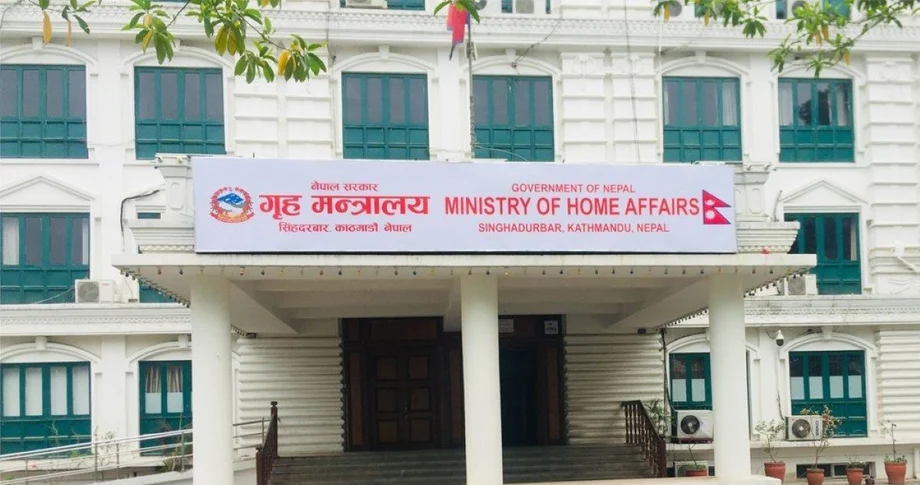
Details published on November 15, 2026, describe the Nepal Citizenship (Fifth Amendment) Rules, 2083, issued by the Ministry of Home Affairs. The government made the amendment under Section 23 of the Nepal Citizenship Act, 2063 (2006). The issuance notice says the rules take effect immediately.
For someone living far from their home district, the change can remove a journey back to the office that first issued their citizenship certificate. Applicants using the procedure for another district must provide national identity documentation, and officials must verify their information through two government databases before issuing a duplicate.
The amendment also addresses a difficult problem: a citizen may still have an original certificate, yet the issuing office may no longer have the record needed to confirm it. New Rule 16C sets out a route for those cases, including when both the certificate and the office record are missing.
Three provisions handle different parts of the replacement process. Rule 16B covers the circumstances and documents for obtaining duplicates, including nonresident Nepali citizenship certificates. Rule 16C deals with missing records. Rule 16D allows eligible applicants to seek a duplicate in another district. The documents and checks vary according to which procedure applies.
When a duplicate is available
Rule 16B identifies five circumstances in which a Nepali citizenship certificate or nonresident Nepali citizenship certificate can be replaced: destruction by fire or water, tearing that makes it unusable, loss, relocation, or a need for the new certificate format.
Applicants must submit their request to the chief district officer of the relevant district. Ordinary Nepali citizenship applications for duplicates use the form in Schedule 16. Applications for duplicates of nonresident Nepali citizenship certificates use Schedule 17.
For ordinary certificates issued under Sections 3 and 5 of the Citizenship Act, applicants must submit the original when it is unusably torn, when applying following relocation, or when seeking the new format. If the certificate was lost or destroyed by fire or water, they should provide a copy.
A person who has neither the original nor a copy can begin the process using any one of three documents: a national identity card, a passport or a land ownership certificate. This gives people another way to support an application when the citizenship document itself is gone. Officials still have to complete the verification required for the applicable procedure.
How applications in another district work
Rule 16D provides a specific route for people who obtained Nepali citizenship under Section 3 of the Act to request a duplicate outside the issuing district. It covers certificates destroyed by fire or water, certificates torn beyond use, lost certificates and requests for the new format.
Applicants must use the Schedule 18 form and apply to the chief district officer in the district where they are seeking service. They must attach the original certificate for a torn document or a change of format, or a copy when the original was lost or destroyed.
A copy of the national identity card, or a document showing the national identity number, is mandatory for this route. Applicants therefore need to distinguish between the general replacement procedure, which permits several alternative identity documents, and the procedure for obtaining a duplicate in another district.
The chief district officer first checks the submitted information against the Citizenship Information Management System. Officials then collect the applicant's biometric details and compare them with the National Identity Management Information System. Biometric details are physical identifiers used to help confirm a person's identity.
Once both systems confirm the details, the chief district officer may issue a duplicate using the information held in the citizenship system. The practical benefit is service nearer to where a person lives, supported by records that another district can check.
What changes for people who have moved
Rule 16B also recognises relocation as a reason for obtaining a duplicate. People applying after moving must submit a migration certificate and a recommendation from the relevant local government, alongside the citizenship documents required for their application.
A digital verification provision can reduce that paperwork. A local government recommendation is unnecessary when the applicant's personal information matches the Citizenship Information Management System and their biometric information matches the National Identity Management Information System.
The two checks perform different tasks. The citizenship system holds the administrative details associated with the certificate. The national identity system provides a further check that the person applying matches the identity being used. Together, they allow officials to confirm information without requiring the local recommendation in qualifying cases.
The amendment also makes local government recommendations for citizenship certificate work valid for 35 days. Applicants who need a recommendation must keep that period in mind when arranging the remaining documents and submitting their request.
Missing office records require a fuller process
Rule 16C addresses cases in which the issuing office cannot find its citizenship record. If a citizen still possesses the original certificate but the office has no corresponding record, the procedures used to issue a new citizenship certificate must be completed.
A duplicate can also be issued when both the original certificate and the office record are unavailable. In that situation, the applicant must complete the entire procedure required for a new citizenship certificate.
For applicants, the condition of the government record therefore matters as much as the condition of the paper certificate. A replacement backed by a usable record can follow a different route from a case in which officials must carry out the full verification process again.
Older files present another problem when a photograph is absent or too unclear to identify its holder. The amendment allows verification using a photo identity document issued by a government agency together with the citizenship certificate number. The Ministry of Home Affairs expects these provisions to help people affected by lost or poorly maintained records.
Nonresident Nepalis have separate document requirements
Holders of nonresident Nepali citizenship certificates can also seek duplicates under Rule 16B. Their applications use Schedule 17 rather than the Schedule 16 form for ordinary Nepali citizenship certificates.
Applicants must provide the original nonresident Nepali citizenship certificate, or a copy if the original is unavailable. They must also submit citizenship documentation or a passport from the country of which they are currently a citizen, together with a recommendation from the relevant local government.
The foreign citizenship document or passport is therefore a separate requirement for this category. Applicants need to prepare the documents associated with their particular certificate, even though the reasons for replacement, such as loss or destruction, overlap with those for ordinary Nepali citizenship certificates.
Digital storage becomes a required office task
Amended Rule 13 requires the office issuing a citizenship certificate to preserve its issuance record in the prescribed format. Applicants' submitted details and documents must also be uploaded to the Citizenship Information Management System.
The earlier wording shows the change in responsibility. The government's published Nepal Citizenship Rules of 2063 (2006) already required systematic recordkeeping, while allowing records to be held electronically. The amendment makes uploading information and supporting documents to the named citizenship system a required part of the process.
Rule 13 in the 2006 text also required District Administration Offices to send monthly distribution details to the Regional Administration Office and the ministry. The amended provisions require monthly reports to the Ministry of Home Affairs, continuing central reporting alongside more specific digital storage duties.
The development of the rules can be traced through two main stages:
- 2006: The original rules required systematic citizenship records, permitted electronic storage and required monthly distribution reports.
- November 2026: The fifth amendment introduced the replacement and verification procedures, required uploads to the citizenship information system and specified a structured certificate number.
The ministry says its objective is to bring citizenship records across the country into an integrated, organised system. For citizens applying outside the original issuing district, accessible records are central to making the new service work.
Four parts will identify each citizenship number
The amendment sets out four components for citizenship certificate numbers: a district code, an issuing office code, the last two digits of the issuance year and a serial number containing five digits.
Each component supplies a different piece of information. The district and office codes identify where the certificate was issued. The year component identifies when it was issued, while the serial number distinguishes the certificate within that numbering structure.
Officials should therefore be able to identify the issuing district, office and year from the number itself. Combined with the digital record requirements, the format gives offices a consistent way to organise certificates and locate the details needed for verification.
Other changes cover married women and children
The amendment also specifies documents for a Nepali woman who did not obtain a citizenship certificate before marriage and wants to apply using her Nepali husband's address. She must submit the marriage registration certificate and her husband's citizenship certificate.
If her husband has died, a death registration certificate is required. At least one person from the specified family group must appear to identify her: her husband, mother or father of her husband, an elder or younger brother of her husband, or her son or daughter.
Children's identity documents are covered by a separate replacement provision. If a minor's identity card is lost, torn, or destroyed by fire or water, the minor or either parent may apply to the chief district officer for a duplicate.
These provisions extend the amendment beyond replacing adult citizenship certificates. They set out who may apply, which family documents are needed and who must be present for particular identity services.
What applicants need to check
Applicants should first identify their situation: replacing a damaged or missing certificate, applying after relocation, seeking service in another district, or dealing with a missing office record. Each route has its own form, supporting documents and verification requirements.
People using another district need national identity documentation and confirmation through both government systems. People whose office records are missing face the full procedures used for issuing new citizenship certificates. Those relying on a local recommendation must account for its validity of 35 days.
No standard processing time or fee is specified in the announced details. The immediate change is a broader set of ways to apply, backed by clearer rules for checking identity and preserving the records that future applications will depend on.
Key Points
- Eligible citizens can obtain a duplicate citizenship certificate outside the district that issued the original.
- The procedure in another district requires national identity documentation and verification through two government systems.
- A national identity card, passport or land ownership certificate can support the general replacement process when neither the original nor a copy is available.
- Missing office records require the procedures used for issuing a new citizenship certificate.
- Issuing offices must upload applicants' details and documents to the citizenship information system.
- Local government recommendations for citizenship certificate work are valid for 35 days.
- The amendment also covers nonresident Nepali certificates, certain applications by married women and replacement identity cards for minors.