Nearly 22 months in custody, with a warning against return
Afghan journalist Shaban Ali Rafat remained in US immigration custody nearly 22 months after seeking asylum, even as a federal magistrate judge recommended his release and a protection assessment found he would more likely than not face torture if returned to Afghanistan.
Contents
- Nearly 22 months in custody, with a warning against return
- What CPJ is asking US authorities to do
- What the court proceedings say
- Why release, asylum and protection are separate decisions
- How his journalism connects to the danger
- Three media closures sharpen concerns
- The timeline and the response still awaited
- Key Points
The Committee to Protect Journalists (CPJ) called on November 13, 2026, for his immediate and unconditional release and a full hearing on his asylum claim. His attorney, David Tarr, said Rafat faces deportation to Afghanistan, where his journalism and membership of the Hazara minority place him at risk.
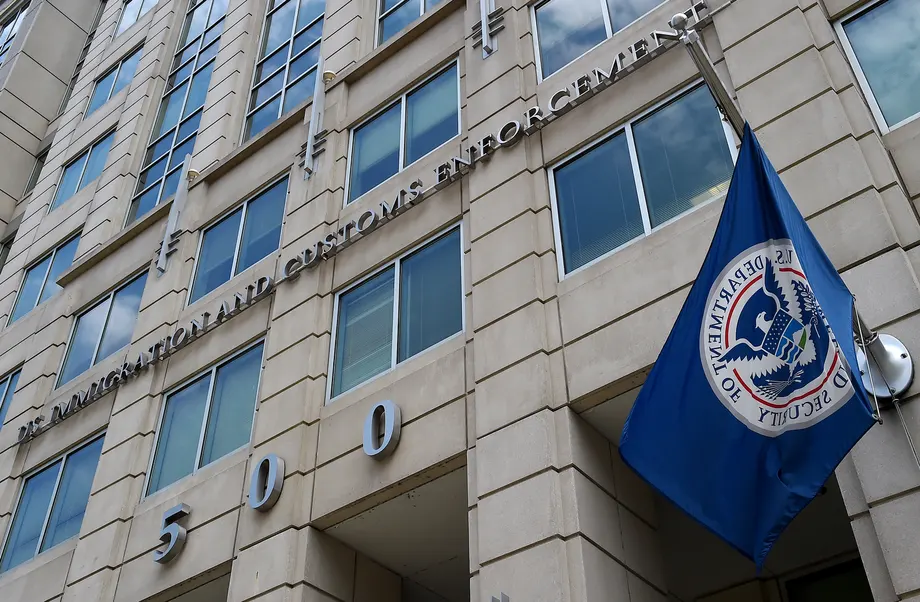
Rafat has been held by US Immigration and Customs Enforcement (ICE) in California since January 21, 2025, when he attempted to enter the United States to seek asylum. On November 6, a magistrate judge recommended granting his challenge to continued detention and releasing him under supervision, finding that his detention had become unreasonable.
The case brings together three urgent issues: whether Rafat should remain detained, how his request for asylum should be heard, and what protection he has against being sent back to Afghanistan. Each involves a different decision, with immediate consequences for his freedom and safety.
What CPJ is asking US authorities to do
CPJ's November 13 statement asks ICE to release Rafat and give him full access to a hearing on the merits of his asylum claim. Such a hearing would examine the substance of his case, including the persecution he fears and the evidence supporting his request for protection.
Jose Zamora, CPJ's Americas regional program director, said Rafat's flight from Afghanistan was directly connected to the danger of continuing his work as a journalist under Taliban rule.
"Rafat fled Afghanistan because the Taliban made it impossible for him to work as a journalist without risking his life. Deporting him now would deliver him directly into the hands of the very persecutors he escaped," said Zamora.
Zamora also called for US authorities to grant Rafat asylum, framing his detention as a matter of press freedom and human rights.
His prolonged detention is a betrayal of the United States' commitments to press freedom and human rights. U.S. authorities must release Rafat and provide him with asylum.
CPJ's demand for unconditional release goes further than the magistrate judge's recommendation for release under supervision. Supervised release generally allows a person to leave custody while remaining subject to immigration conditions, such as reporting requirements.
What the court proceedings say
The November 6 recommendation followed Rafat's petition for habeas corpus, a legal procedure that allows someone in custody to ask a court to review whether their detention is lawful. The magistrate judge recommended granting that petition after finding his continued detention unreasonable.
A district judge still had to review the recommendation. The next identified step was that review; no decision date or final release order was given in the account of the proceedings.
Rafat's immigration record also contains findings about the danger of return. The court record states that he was granted withholding of removal to Afghanistan following an initial immigration screening. A subsequent interview under the Convention Against Torture found that he was more likely than not to face torture if returned there.
Tarr's warning that Rafat faces deportation to Afghanistan sits alongside those recorded protections. The precise legal route by which a return to Afghanistan might proceed was not explained. That unanswered point matters because withholding of removal is intended to prevent removal to a country where the person faces qualifying persecution.
Why release, asylum and protection are separate decisions
Rafat's case can be easier to follow by separating where he lives while proceedings continue from whether he can remain in the United States. A successful detention challenge could allow him to leave custody while his immigration case continues. An asylum decision addresses his request for a more lasting form of protection.
Asylum can provide permission to remain in the United States and a possible route to permanent residence. Withholding of removal is narrower: it protects against being sent to a particular country because of the danger there, without granting the same immigration status as asylum.
The Convention Against Torture addresses another specific risk, whether a person would more likely than not be tortured if returned. In Rafat's case, officials reached that danger finding during an interview. The finding helps explain why his possible return has drawn such concern, while his continued detention remains a separate issue before the federal court.
CPJ is therefore seeking action on both liberty and protection: release from ICE custody now, and a full examination of his asylum claim. For Rafat, the practical stakes include leaving detention and securing a decision about whether he can build a life beyond the reach of those he fears.
How his journalism connects to the danger
Before the Taliban returned to power in August 2021, Rafat worked as a producer and reporter for state owned Maaref TV, also described as Education Television. He also served as a senior media officer at Kabul University.
His work included extensive coverage of the November 2020 terrorist attack on the university and the difficulties facing Afghanistan's Hazara community. CPJ identifies Rafat as a member of that ethnic and religious minority, which has faced persecution and violence.
Rafat's public work and his community identity both feature in CPJ's warning. His reporting concerned an institution where he held a senior media role, as well as the experiences of a community to which he belongs. CPJ says returning him would expose him to persecution and retaliation by the Taliban.
The university attack occurred before the Taliban takeover. His later flight and request for protection unfolded against the changes that followed the Taliban's return to power, including increasing pressure on journalists and Hazara media organisations.
Three media closures sharpen concerns
CPJ says Taliban authorities shut down three media outlets serving Hazara and Shia communities in 2026 and detained their senior managers. The organisations named in reporting on the closures are Tamadon TV, Rah-e-Farda TV and the Afghan Voice Agency.
The closures give a concrete picture of the conditions behind CPJ's appeal. Pressure has reached the organisations that publish and broadcast community news, along with the people responsible for running them.
For audiences, closing an outlet removes a channel through which their experiences can be reported. For journalists associated with those communities, the detention of media managers adds to concerns about whether they can work safely. CPJ describes the actions as an effort to suppress Hazara media outlets and journalists.
Rafat's case is unfolding within that continuing pressure. His request for protection concerns a country where CPJ says the community he covered, and belongs to, has faced escalating persecution since August 2021.
The timeline and the response still awaited
Rafat's detention has continued across two calendar years. The key dates trace his work in Afghanistan, his attempt to seek protection in the United States and the recent court action:
- November 2020: A terrorist attack struck Kabul University. Rafat extensively covered the attack.
- August 2021: The Taliban returned to power in Afghanistan.
- January 21, 2025: Rafat entered ICE custody in California after attempting to enter the United States to seek asylum.
- During 2026: Taliban authorities shut down three Hazara and Shia community media organisations, according to CPJ.
- November 6, 2026: A US magistrate judge recommended granting Rafat's detention challenge and releasing him under supervision.
- November 13, 2026: CPJ publicly called for his unconditional release and a full asylum hearing.
CPJ contacted representatives of the Department of Homeland Security and ICE for an update on Rafat's asylum claim. The organisation said its emails had received no immediate reply when it published its statement.
The government response is central to understanding how authorities are handling his asylum request and the protections recorded in his case. Meanwhile, the district judge's review concerns whether his continued custody should end, a decision with an immediate effect on his daily life.
Key Points
- Shaban Ali Rafat has been held by ICE in California since January 21, 2025, after seeking asylum.
- CPJ called on November 13, 2026, for his unconditional release and a full asylum hearing.
- A magistrate judge recommended supervised release on November 6, with review by a district judge still pending.
- The court record states that Rafat received withholding of removal to Afghanistan; a later assessment found he would more likely than not face torture there.
- CPJ warns that his journalism and Hazara identity expose him to persecution and retaliation under Taliban rule.
- CPJ said US immigration authorities had not immediately answered its request for an update.