Pakistan build a big total before India strike late
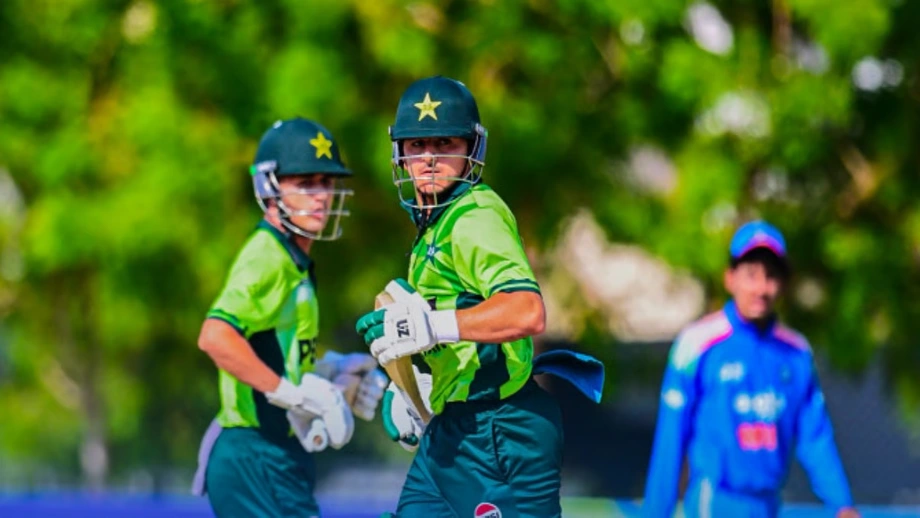
Usman Khan scored 107 from 111 balls as defending champions Pakistan made 337 for nine against India in the Under-19 Asia Cup final at Al Amerat Cricket Ground, Ministry Turf 2, in Oman on November 14, 2026. India needed 338 from 50 overs to win the title.
Contents
- Pakistan build a big total before India strike late
- Why Pakistan chose to bat
- A fast opening gives Pakistan room to attack
- Qadir's eight sixes drive the biggest partnership
- Usman supplies the innings' steady centre
- Farhan takes Pakistan beyond 300
- Seven wickets from Patel and Venkata limit the finish
- What the numbers mean for India's chase
- A title defence awaits the chase
- Key Points
Abdul Qadir supplied the sharpest burst of scoring with 80 from 54 deliveries, including eight sixes. His partnership of 135 with Usman put Pakistan in control before captain Farhan Yousaf carried the innings beyond 300.
The official scorecard records Farhan's contribution as 63 from 60 balls. Pakistan's total included 15 extras: one bye, three leg-byes, two no-balls and nine wides.
India recovered through Kavya Paresh Patel, who took four wickets for 68 runs, and Chigurupati Venkata, who claimed three for 40. Pakistan had reached 274 for three after 40 overs but lost six wickets while adding 63 in the final 10. That finish left India chasing a demanding total, though a smaller one than Pakistan's earlier position had threatened.
Why Pakistan chose to bat
Farhan won the toss and chose to bat at Al Amerat, in the Muscat area. Pakistan kept the same team that had beaten Bangladesh in the semifinal, backing a lineup that had won every match on its way to the final.
Pakistan captain Farhan Yousaf explained his decision at the toss:
We want to bat first. Pitch looks for batting; that's why we want to bat. Now we are looking forward to the final and going full strength. Same team,
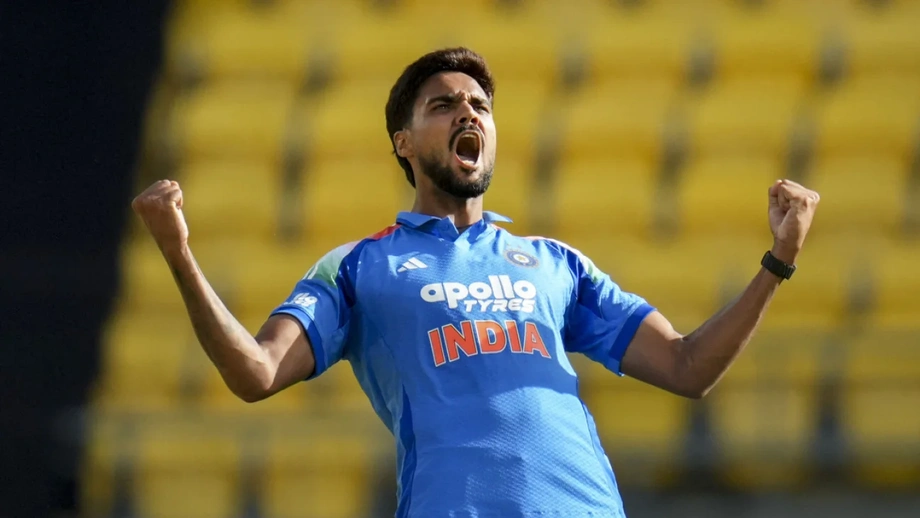
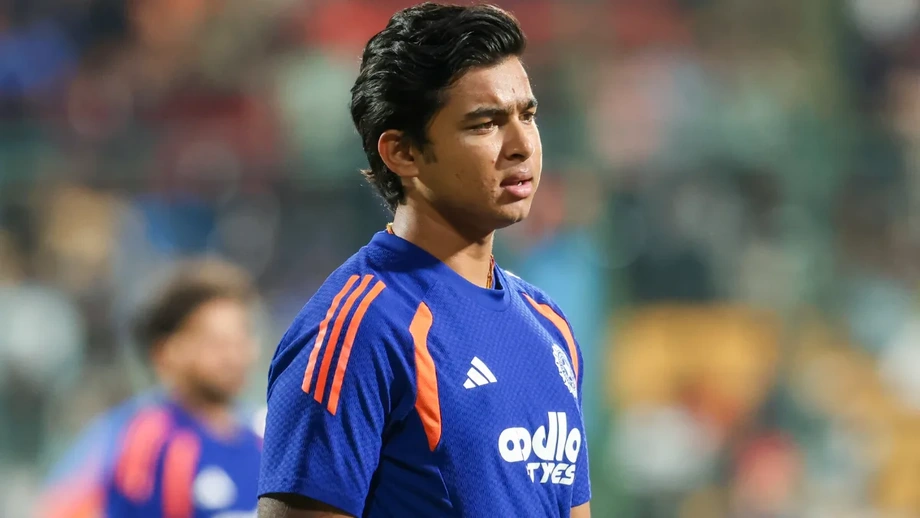
India made one change from the side that defeated Afghanistan in the other semifinal. India captain Lakshya Rajesh Raichandani confirmed that Ishan Sood, India's leading wicket taker in the competition, missed the final because of a back niggle, and Venkata replaced him.
India captain Lakshya Raichandani described the change:
One change. Ishan has a back niggle so Venkata comes in.
Venkata subsequently became central to India's recovery, taking three wickets despite bowling only five overs. His performance gave India an effective option at a stage when Pakistan were trying to accelerate.
A fast opening gives Pakistan room to attack
Usman and Hayam Khan put on 62 for the first wicket before Patel dismissed Hayam with the first ball of the ninth over. Hayam made 21 from 23 deliveries, including four fours, and was caught behind by wicketkeeper Anvay Dravid.
The notation 8.1 overs means eight completed overs and one further legal delivery. Each over contains six legal balls, so Pakistan's opening partnership lasted 49 deliveries.
Hayam's innings helped Pakistan establish an early scoring rate of more than seven runs an over. His dismissal brought Qadir to the crease at No. 3, and the new batter immediately increased the pressure on India's attack.
Qadir scored 26 from his first eight balls. Pakistan reached 93 for one at the end of the opening powerplay, the first 10 overs when restrictions on fielders outside the inner circle give batters more space to attack.
Qadir's eight sixes drive the biggest partnership
Qadir and Usman added 135 in about 18 overs, taking Pakistan from 62 for one to 197 for two. Their partnership supplied roughly 40 percent of the final total and gave the middle order a strong platform.
Qadir reached his first Youth One Day International half century in 39 balls. He then scored another 30 from his next 15 deliveries, finishing with three fours and eight sixes.
Those boundaries accounted for 60 of his 80 runs. Three quarters of his scoring therefore came from shots reaching or clearing the boundary, a measure of how aggressively he attacked.
Manal Chauhan conceded 40 runs in three overs as Qadir targeted the spin bowling. Qadir struck consecutive sixes against both Manal and Yashbardhdan Chauhan, forcing Raichandani to keep changing his bowling options.
Arjun Rajput ended the stand in the 27th over, with VK Vineeth taking the catch. Rajput finished with one wicket for 43 runs from seven overs. Qadir's departure gave India an opening after a period in which Pakistan had been scoring at about 7.5 runs an over during the partnership.
Usman supplies the innings' steady centre
Usman's century gave Pakistan continuity around Qadir's attack. The opener reached his hundred from 106 deliveries and finished with 11 fours and three sixes in his 107.
His boundaries produced 62 runs, while the rest came through running between the wickets. Compared with Qadir, Usman scored more patiently, allowing Pakistan to combine a batter occupying the crease with another taking greater risks.
India slowed the innings after Qadir fell. Pakistan moved from 197 for two after 27 overs to 210 for two after 32, adding only 13 in five overs. That passage helped India regain some control before Usman and Farhan increased the scoring again.
Usman reached his second century of the tournament in the 35th over. Patel dismissed him in the 37th, with Rajput catching an attacking shot at mid-off, a fielding position on the bowler's off side. Pakistan were 240 for three when the opener departed.
Farhan takes Pakistan beyond 300
Farhan first added 43 with Usman for the third wicket, then shared a partnership of 55 with Ahmed Hussain for the fourth. Those stands helped Pakistan continue building after Qadir's dismissal rather than depending entirely on the opening batter.
The captain's innings included four fours and three sixes. He reached his second fifty of the tournament in the 43rd over and remained a central figure as Pakistan approached the closing stages.
Ahmed contributed 17 from 20 balls. Pakistan had enough wickets available at 274 for three after 40 overs to attempt a strong finish, with Farhan already established at the crease.
India's response came through changes of pace. Venkata used slower deliveries to dismiss both Ahmed and Farhan in the 45th over, removing the partnership that had been carrying Pakistan towards the final overs.
Seven wickets from Patel and Venkata limit the finish
Venkata followed his two wickets in the 45th over by dismissing Hasnain Abbas Dar for two. His figures of three for 40 came from five overs, giving him a wicket approximately every 10 legal deliveries.
Patel removed Hamza Zahoor for 10 as Pakistan slipped to 317 for seven. Niqab Shafiq contributed 11, including a six, and Mohammad Sayyam added seven before both were dismissed in the final over.
Patel took Niqab's wicket, while Sayyam was run out through wicketkeeper Anvay Dravid. The final over cost seven runs, and Pakistan finished with Rizwanullah unbeaten on four and Ali Raza on zero.
Patel's four wickets and Venkata's three accounted for seven of the nine dismissals. Rajput took the other wicket credited to a bowler, with Sayyam's run out completing the tally. India used eight bowlers during the innings as Raichandani searched for ways to interrupt Pakistan's scoring.
What the numbers mean for India's chase
Pakistan scored at 6.74 runs an over across their 50 overs. India's target of 338 required a slightly higher rate of 6.76 from the outset, or roughly seven runs per over throughout a full innings.
India conceded 15 extras: nine wides, two no-balls, three leg-byes and one bye. Extras are runs added to the team total without being credited to a batter. Wides and no-balls also require the bowler to deliver another legal ball.
Pakistan's final total was 10 runs below the 347 for eight they made in the 2025 title clash. The late wickets mattered: their scoring rate over the final 10 overs was 6.3, lower than their rate across the innings, despite that period usually offering an opportunity to attack.
Aaryavir Sehwag entered the final with 303 runs in four matches, an average of 101, including two fifties and a century. India needed that batting form, together with contributions from the rest of the lineup, to challenge Pakistan's total.
A title defence awaits the chase
Pakistan entered the final seeking to retain the trophy after winning their second title in 2025. Their unbeaten run included a victory over India in the group stage, India's only defeat before the final.
Usman's century and Qadir's boundary hitting gave Pakistan a substantial score to defend. India's late wickets kept the target within a more manageable range than Pakistan's position after 40 overs had suggested.
The innings ended with the contest still awaiting its decisive phase. No result from India's chase was available at the innings break.
Key Points
- Pakistan made 337 for nine in 50 overs, setting India 338 to win in Al Amerat, Oman.
- Usman Khan scored 107 from 111 balls and shared a partnership of 135 with Abdul Qadir.
- Qadir hit eight sixes in his 80 from 54 deliveries.
- Farhan Yousaf scored 63 from 60 balls, as recorded in the official scorecard.
- Kavya Paresh Patel took four for 68, while Chigurupati Venkata claimed three for 40.
- Pakistan added 63 runs and lost six wickets in the final 10 overs.
- India's chase and the final result were still pending at the innings break.