November 17 Test moves as Lahore air turns hazardous
Pakistan has moved its second Test against Sri Lanka from Lahore's Gaddafi Stadium to Rawalpindi Cricket Stadium because of worsening smog, keeping the match on its scheduled dates of November 17 to 21, 2026. The decision means Rawalpindi will host both matches of the series, which forms part of the ICC World Test Championship 2025–27 cycle.
Contents
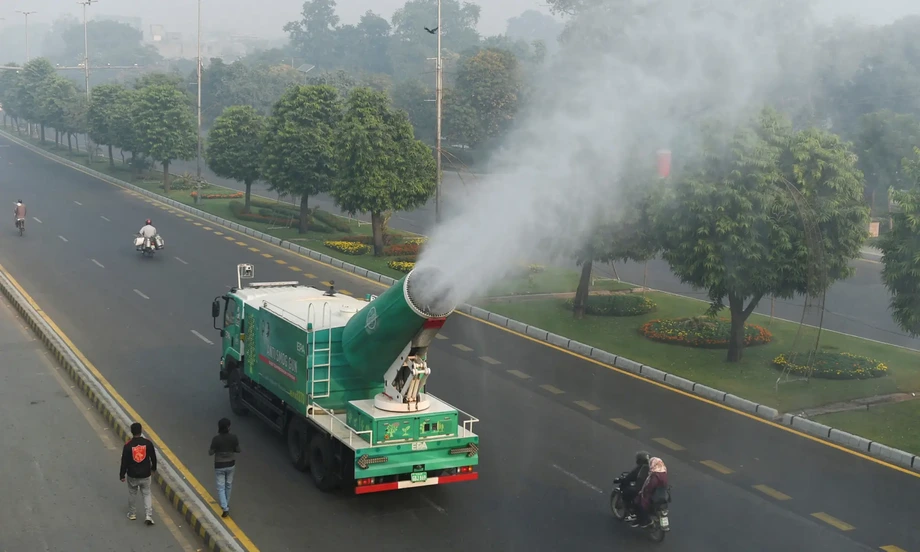
The Pakistan Cricket Board announced the change on Tuesday, November 10, while the first Test was under way in Rawalpindi. The Punjab Environmental Protection Agency reported that Lahore's Air Quality Index had reached a hazardous 421; another reported reading put the index at about 600.
Lahore had been struggling with severe smog for about 10 days. The conditions raised concerns for players, match officials, support staff and spectators spending long periods outdoors, as well as for the television operation needed to broadcast the match.
PCB spokesperson Amir Mir confirmed the relocation in a post on X and said increasing smog levels had prompted the decision. He described the venue change in the board's announcement:
The second Test match between Pakistan and Sri Lanka, originally scheduled to be played in Lahore from November 17 to 21, has been relocated to Rawalpindi due to prevailing weather conditions.
Rawalpindi was already hosting the teams and had staged their three Twenty20 internationals the previous month. Moving the second Test there keeps the series at an operating venue while removing the planned transfer to Lahore. For spectators, the practical change is substantial: the match remains on the calendar, but anyone planning to watch it in Lahore now faces a different destination.
Why Lahore's smog disrupted the schedule
Lahore's winter pollution builds when emissions from vehicles and industrial activity collect under cooler, stagnant atmospheric conditions. When air moves less freely, pollutants can remain concentrated near the ground rather than dispersing.
The Air Quality Index, usually shortened to AQI, turns measurements of air pollution into a number that helps people understand how unhealthy the air is. Higher readings mean worse conditions. The Punjab Environmental Protection Agency described Lahore's reading of 421 as hazardous, making air quality a central concern for an event scheduled to last five days.
IQAir, the Swiss company that monitors air quality, ranked Lahore as the city with the world's worst air quality on November 10. Lahore and Delhi had frequently exchanged that position during the preceding week as seasonal pollution affected parts of Pakistan and India.
A Test match creates a different exposure problem from a brief outdoor appearance. Players and officials can spend hours on the field each day, while ground staff, production crews and spectators also remain at the stadium for extended periods. The relocation changes where that activity takes place rather than shortening the match.
Broadcast concerns added pressure
Broadcasters had raised concerns about the quality of television coverage if the Lahore Test went ahead in severe smog. Before the public announcement, they had been told not to arrange travel to Lahore while the PCB prepared to move the match.
The board's discussions initially involved the possibility of a switch, with consultations described as being at an early stage. By Tuesday's announcement, the decision was confirmed and the November 17 start remained intact.
The PCB did not give an AQI threshold for its decision or a comparative air quality reading for Rawalpindi. Its stated reason was Lahore's worsening smog and the prevailing weather conditions.
Rawalpindi offers continuity for the cricket operation because the first Test is already taking place there. Both teams can prepare for the second match at the same stadium, while Lahore loses an international fixture just weeks after hosting the concluding stages of the ODI tri-series.
Pakistan hold a 320 run advantage in the first Test
Pakistan were in a strong position in the opening Test when the venue change was announced. They declared their first innings at 434 for nine on the second day, with Saud Shakeel leading the scoring on 93.
A declaration means the batting captain voluntarily ends the innings before all 10 wickets have fallen. Pakistan stopped with nine wickets down, giving their bowlers time to attack Sri Lanka rather than using more of the match to add runs.
Sri Lanka reached 114 for three in reply before bad light stopped play, leaving them 320 runs behind Pakistan's total. The figures describe Sri Lanka's first innings: Pakistan's 434 minus Sri Lanka's 114 produces the reported deficit of 320.
For readers unfamiliar with cricket notation, 114 for three means Sri Lanka had scored 114 runs and lost three wickets. They still had seven wickets available in that innings. Shakeel's 93 left him seven runs short of a century, the cricket term for an individual score of 100.
Bad light had already interrupted the contest in Rawalpindi. That left two different environmental problems affecting the series at once: visibility stopped play in the first Test, while Lahore's smog forced the next match to change cities. The match dates remained unchanged despite those disruptions.
A long tour returns to a familiar ground
Sri Lanka have been in Pakistan since early October, moving through Twenty20 internationals, an ODI tri-series and now Test cricket. Pakistan won the three match T20 series 2–1 before winning the ODI competition, which also involved England.
Rawalpindi hosted all three T20 internationals. Pakistan secured that series with a match to spare through an 82 run victory on October 11, when they made 215 for three, their highest home total in the format. The result gave them an unbeatable 2–0 lead before the final game.
The ODI tri-series began with three matches in Rawalpindi before Lahore hosted the remaining four, including the final. Sri Lanka reached that final after an eight wicket win over Pakistan on October 27, when Dilshan Madushanka took five wickets for 34 runs and Pakistan were dismissed for 110.
Lahore then staged the October 31 final, where Kamindu Mendis's maiden ODI century helped Sri Lanka reach 325 for eight. Mendis made 131 from 128 balls, and Pakistan subsequently won the tournament.
The Test relocation therefore reverses the recent movement of the tour. Lahore had taken over from Rawalpindi for the closing ODI fixtures; Rawalpindi will now retain the teams for the entire Test series.
Earlier moves show a recurring scheduling problem
Pakistan has moved international cricket away from Punjab venues during this part of the year before. A November 2020 series against Zimbabwe, involving limited overs matches, was transferred from Lahore to Rawalpindi. In December 2022, a Test against New Zealand moved from Multan to Karachi.
The latest change also interrupts Lahore's attempt to host international cricket later in the calendar year. Had the Sri Lanka Test gone ahead at Gaddafi Stadium, it would have been the city's first international match held after November 1 since 2007.
The relevant sequence stretches from earlier pollution disruptions to the current tour:
- November 2020: Pakistan's limited overs series against Zimbabwe moved from Lahore to Rawalpindi.
- December 2022: A Test against New Zealand moved from Multan to Karachi.
- October 2026: Rawalpindi hosted Pakistan and Sri Lanka's three T20 internationals and the opening three ODI tri-series matches.
- October 31, 2026: Lahore hosted the ODI tri-series final.
- November 10, 2026: The PCB confirmed the second Test's relocation to Rawalpindi.
- November 17 to 21, 2026: The second Test is scheduled to take place on its original dates.
For Lahore, the immediate loss is a five day international fixture. For the teams, the next scheduled commitment remains the same: a second Test beginning on November 17, now at the ground already hosting their opening match.
Key Points
- The PCB moved the second Pakistan–Sri Lanka Test from Lahore to Rawalpindi because of worsening smog.
- The match remains scheduled for November 17 to 21, 2026.
- The Punjab Environmental Protection Agency reported Lahore's AQI at a hazardous 421.
- Rawalpindi will host both Tests in the World Test Championship series.
- Pakistan declared at 434 for nine in the first Test; Sri Lanka reached 114 for three, trailing by 320 runs.
- Lahore and Multan have previously lost international fixtures during the same part of the year.