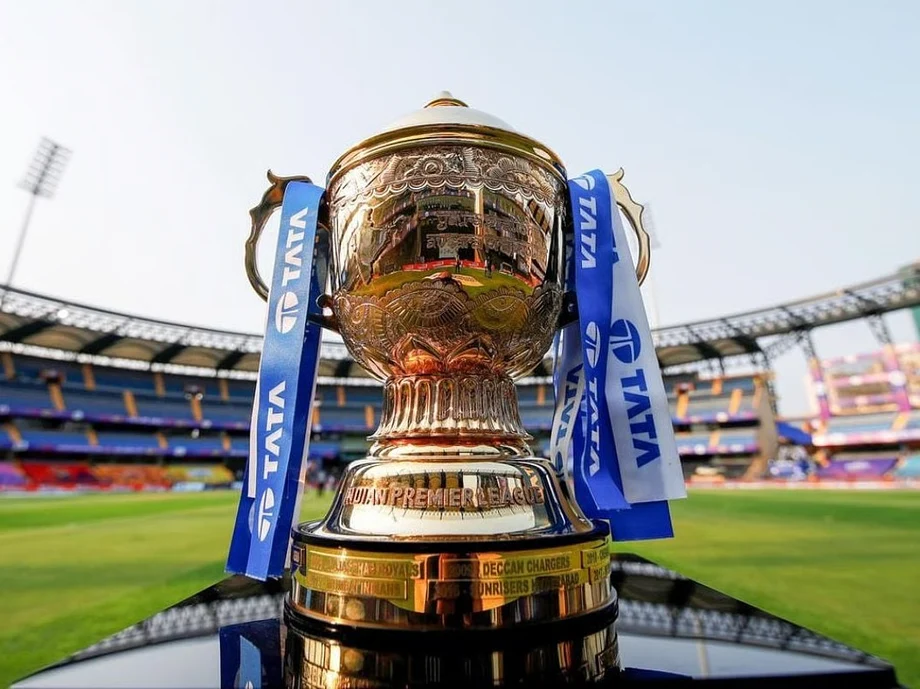
Two More Teams Could Join a Billion-Dollar Contest
Pune and Vadodara are emerging as possible homes for new Indian Premier League franchises as the Board of Control for Cricket in India explores expansion from the 2028 season. Each new team could command a valuation above $1 billion, with the proposed additions timed to the next broadcasting and streaming rights cycle, covering 2028 to 2032.
Contents
- Two More Teams Could Join a Billion-Dollar Contest
- Why the 2028 Rights Cycle Matters
- Who Might Bid for New Franchises?
- Recent Deals Have Raised the Price Benchmark
- Why Pune Is Back in Contention
- Vadodara Would Add a Second Gujarat Team
- How Many Matches Could 12 Teams Play?
- How the League Reached This Point
- Key Points
The discussions involve at least two additional franchises, which would take the IPL from 10 teams to 12. More teams could be considered depending on investor interest. Pune would regain a franchise after last having one in 2017, while Vadodara would give Gujarat a second team about 110 kilometres from the Ahmedabad home of Gujarat Titans.
The BCCI has not officially confirmed expansion, selected either city, announced a bidding process or disclosed ownership arrangements. The proposed timing, destinations, stadium choices and tournament format remain under discussion.
The central calculation goes beyond finding buyers willing to spend large sums. An expanded IPL would need room in the international cricket calendar, enough leading players to support new teams and broadcasters willing to pay for additional matches. Those decisions would shape how much cricket supporters could watch and how long the tournament would run.
Why the 2028 Rights Cycle Matters
The IPL's current media rights agreement covers 2023 to 2027 and was sold for approximately $6.2 billion. Media rights are the permission to show matches on television or streaming services, making them a major part of the league's commercial business.
The BCCI separated television and digital rights for that cycle. Star Sports secured the domestic television package, while Viacom18 won the domestic digital rights. Beginning an expansion alongside the next cycle would allow bidders to assess a larger competition when pricing their offers.
Streaming platforms and television companies would have to weigh the extra expense against the audiences and advertising income that more matches could bring. More teams can create additional games to sell, but the financial return depends on how many people watch and what advertisers will pay.
The timing therefore connects two decisions: how large the IPL should become and how much its next media partners are prepared to spend. Investor enthusiasm for franchises is one part of that calculation; demand for the expanded match schedule is another.
Who Might Bid for New Franchises?
Potential investors include private equity firm Permira, sovereign wealth funds from West Asia, Asian investment entities backed by governments, major Indian business groups, wealthy Indian individuals and family offices based in the United States. Some could pursue ownership, while others could seek minority stakes alongside a controlling investor.
A sovereign wealth fund invests money on behalf of a government. A family office manages the assets of a wealthy family. Private equity firms invest in businesses with the aim of increasing their value and eventually earning a return. Their interest reflects the growing treatment of cricket franchises as businesses that can attract institutional capital.
Permira has not publicly confirmed a bid. The potential investors being discussed are prospective participants, with no announced ownership group for either proposed team.
At valuations above $1 billion apiece, two new franchises would together represent more than $2 billion in potential team value. The eventual amount would depend on the bidding terms and competition among buyers. A valuation is an estimate or negotiated price for a business, while the money paid for a minority stake buys only part of that business.
Recent Deals Have Raised the Price Benchmark
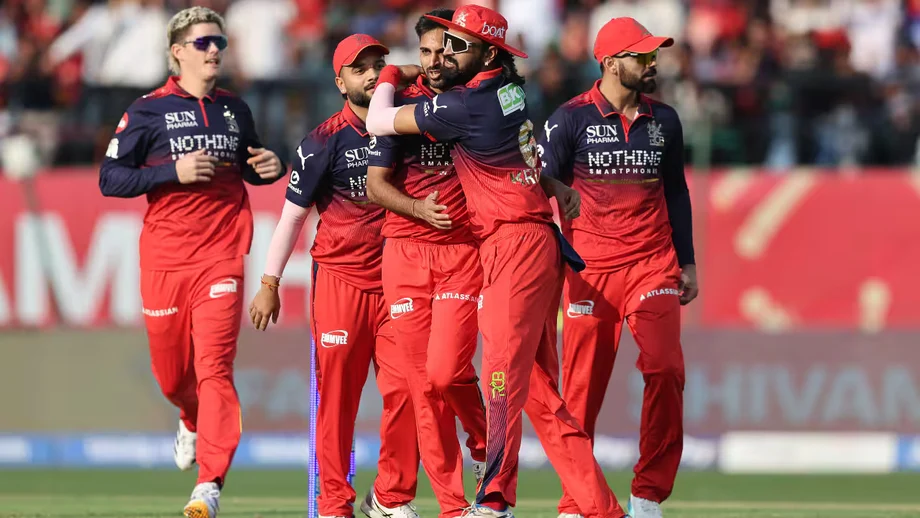
Royal Challengers Bengaluru and Rajasthan Royals provide the clearest recent measures of investor appetite. United Spirits agreed to sell RCB to a consortium comprising the Aditya Birla Group, Bennett Coleman and Co, Blackstone and Bolt Ventures at a valuation of $1.78 billion.
A consortium led by the Lakshmi Mittal family and Adar Poonawalla acquired Rajasthan Royals in a transaction valuing the franchise at $1.65 billion. Both figures place established IPL teams well above the suggested $1 billion threshold for a new franchise.
The comparison with the previous expansion is striking. RPSG Group acquired the Lucknow franchise for about $940 million in 2021, while CVC Capital Partners bought the Ahmedabad franchise for about $750 million. Their combined price was approximately $1.69 billion. RCB's $1.78 billion valuation alone is about $90 million higher than that combined figure.
Gujarat Titans also attracted a later change in ownership. Torrent Group acquired a controlling 67% stake in 2025 for around $575 million. That figure represents a majority share rather than the purchase of the entire franchise, an important detail when comparing transaction sizes.
Houlihan Lokey's July valuation report put the IPL's business value at $20.6 billion, up 11.4% from a year earlier, and its standalone brand value at $4.3 billion, up 10.3%. Business value measures the wider commercial enterprise, while brand value estimates the worth associated with its name and identity.
Harsh Talikoti, a director in Houlihan Lokey's Financial and Valuation Advisory business, described the investment interest in the report:
What the market confirmed this year, through landmark franchise transactions, is the extent to which the league can attract precisely the calibre of global, institutional, and strategic capital it was built to draw.
Why Pune Is Back in Contention
Pune offers both an established cricket venue and experience of hosting IPL teams. The Maharashtra Cricket Association International Stadium at Gahunje has staged international fixtures and IPL matches, making it a possible existing home for a new franchise.
The city's information technology sector, student population and corporate presence are potential attractions for owners seeking supporters and commercial partners. A Pune team could also draw support from neighbouring Pimpri-Chinchwad and the wider western Maharashtra region.
Pune's earlier franchises had different reasons for leaving. Sahara Group's Pune Warriors India played from 2011 to 2013 before withdrawing following a dispute with the BCCI over franchise fees. Rising Pune Supergiant, owned by the RP-Sanjiv Goenka Group, was introduced for the 2016 and 2017 seasons while Chennai Super Kings and Rajasthan Royals were suspended.
Rising Pune Supergiant reached the 2017 final under Steve Smith after finishing second in the league stage. Mumbai Indians won the final in Hyderabad by one run after defending a target of 130. Pune's temporary franchise then ended when the suspended teams returned.
The city continued hosting IPL cricket in 2018. Chennai Super Kings moved their remaining home matches to Gahunje after protests in Chennai over the Cauvery water dispute, and went on to win that season's title. RPSG later bought Lucknow Super Giants, but has not indicated an interest in a new Pune franchise.
Vadodara Would Add a Second Gujarat Team
Vadodara's candidacy comes as Gujarat seeks a larger role in Indian sport. The city has an international cricket ground and is about 110 kilometres from Ahmedabad, where Gujarat Titans play their home matches.
A franchise in Vadodara would give the state two IPL teams with relatively close home bases. For potential owners, that would create an opportunity to build a distinct local following near an established franchise. The commercial task would include attracting spectators, sponsors and supporters within that shared region.
Ahmedabad is also part of India's wider sporting ambitions. In a government release dated September 4, Union Home Minister Amit Shah said the city was being developed as an international training hub amid India's ambition to host the 2036 Olympic Games.
The Olympic ambition provides context for Gujarat's investment in sport. Any IPL team in Vadodara would still require its own franchise award, operating arrangements and commercial plan.
How Many Matches Could 12 Teams Play?
A 12-team IPL would require a decision on the competition format. Under a full double round-robin system, every team would play each of the other 11 teams twice, usually once at home and once away. Each side would therefore play 22 league matches.
Across the competition, that produces 132 league matches. Four playoff matches would bring the total to 136. The arithmetic counts each fixture once, because a match appears in the schedules of both participating teams.
The BCCI could choose a different structure with fewer fixtures. The 136-match figure describes one possible format rather than an announced schedule. Group arrangements or a more selective set of repeat meetings would produce a different total.
IPL chairman Arun Dhumal has said expansion depends on securing a larger window in the cricket calendar while accounting for bilateral series and International Cricket Council events. Bilateral series are contests between two national teams. Players involved in those series or global tournaments may have commitments outside the IPL.
Leading Indian players are another practical consideration. New franchises would need cricketers who can perform at a high level and attract a following. Spreading established stars across more teams would affect squad building throughout the league, while creating additional places for players to compete.
How the League Reached This Point
The IPL began in 2008 with eight teams and reached 10 within three years. Subsequent entries, exits and temporary replacements mean its history has involved changes in membership as well as growth. The current 10-team structure dates from the arrival of Lucknow Super Giants and Gujarat Titans in 2022.
Pune's experience shows how a city can remain connected to the competition even after losing its own franchise. The main milestones are:
- 2008: The IPL launched with eight franchises.
- 2011 to 2013: Pune Warriors India competed before withdrawing after a franchise fee dispute.
- 2016 to 2017: Rising Pune Supergiant played as a temporary franchise and reached the 2017 final.
- 2018: Pune hosted Chennai Super Kings home matches after the team's move from Chennai.
- 2021 to 2022: Lucknow and Ahmedabad franchises were sold, then entered the competition the following season.
- 2025: Torrent Group acquired a controlling 67% stake in Gujarat Titans.
- 2028: The next media rights cycle begins, providing the proposed starting point for another expansion.
The next concrete steps would be a BCCI decision on expansion, followed by any franchise bidding arrangements and confirmation of the format. Those decisions would turn interest from cities and investors into a defined competition plan.
Key Points
- Pune and Vadodara are possible destinations for at least two new IPL franchises from 2028.
- Each proposed franchise could be valued above $1 billion.
- The BCCI has not officially confirmed expansion, host cities, owners or a bidding process.
- The proposed timing matches the 2028 to 2032 media rights cycle.
- Pune previously had two franchises; Vadodara would give Gujarat a second IPL team.
- Calendar space, media spending and player availability are central to the decision.
- A full double round-robin competition with 12 teams would have 132 league matches, before playoffs.