Higher Gas Costs Reach Restaurant Menus
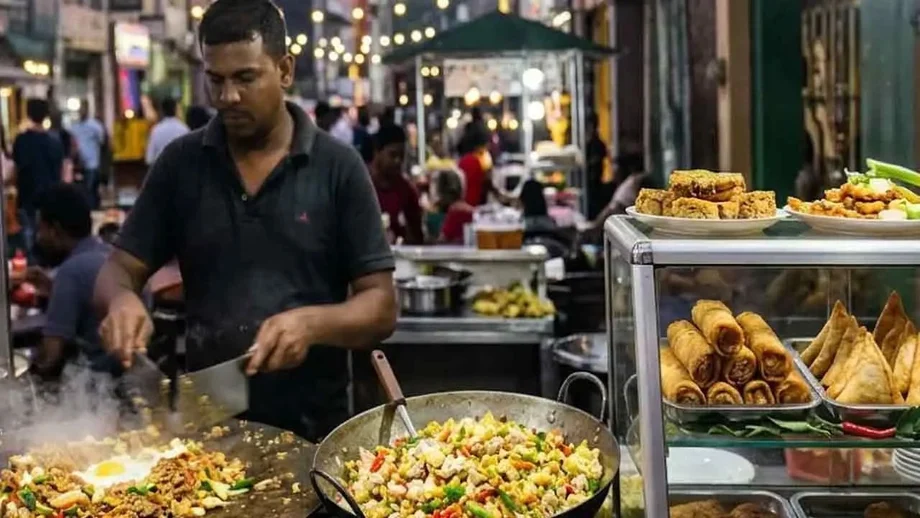
Restaurants in Sri Lanka using Laugfs cooking gas will raise the price of kottu and fried rice by Rs. 15 from midnight on 14 November, following a sharp increase in the company's cylinder prices. Short eats, the small prepared snacks sold at canteens and restaurants, will cost Rs. 5 more under the same announcement.
Contents
Harshana Rukshan, head of the All Ceylon Canteen Owners' Association, announced the food price increases after Laugfs raised the price of a 12.5 kg domestic gas cylinder by Rs. 1,775 and a 5 kg cylinder by Rs. 732. The gas increases took effect at midnight on 13 November, a day before the restaurant changes.
The announcement concerns restaurants using Laugfs gas. Customers buying the affected dishes at those establishments therefore face higher meal prices as well as any increase they may already face when buying Laugfs cylinders for their homes.
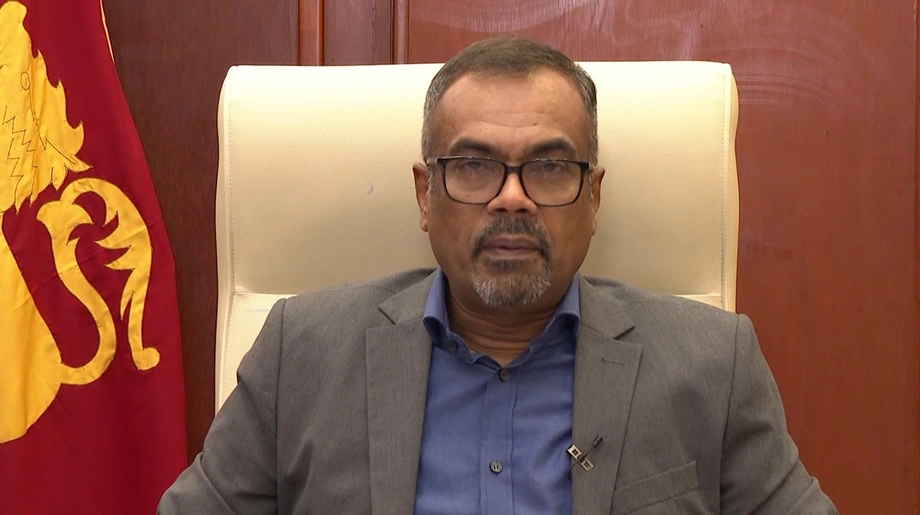
The decision also brought the price of cooking fuel into a political dispute. Speaking in Parliament on 14 November, Industry and Entrepreneurship Development Minister Sunil Handunneththi attributed the gas increase to financial and tax problems at Laugfs. He said the government would seek solutions for affected consumers while defending its budget measures intended to reduce living costs.
What Will Cost More?
Kottu and fried rice each carry an announced increase of Rs. 15. Kottu is a dish commonly prepared by chopping flatbread and cooking it with other ingredients on a hot metal plate. Both meals require cooking fuel during preparation, making gas an operating expense for restaurants that use it.
Short eats will rise by Rs. 5. The announcement gives the amounts to be added, but does not provide final menu prices or an itemised list of snacks covered. A customer's final bill will therefore depend on the restaurant's existing prices and the items purchased.
The difference is straightforward for a small order: one portion of kottu or fried rice and two short eats would cost Rs. 25 more if the announced increases were applied to all three items. Two portions of either main dish would add Rs. 30 to the bill.
Rukshan linked the decision directly to the higher Laugfs price. The association's announcement was framed around establishments using that supplier, rather than a change covering every restaurant regardless of its cooking fuel.
Two Price Changes on Consecutive Nights
Laugfs changed its cylinder prices first, followed by the restaurant association's decision to pass part of the additional expense to customers. The sequence places the food price announcement immediately after the increase in the cost of cooking gas.
- Midnight on 13 November: Laugfs increased the price of a 12.5 kg domestic cylinder by Rs. 1,775 and a 5 kg cylinder by Rs. 732.
- 14 November: Handunneththi addressed the increase in Parliament and discussed the company's finances, taxes and position in the gas market.
- Midnight on 14 November: The announced increases of Rs. 15 for kottu and fried rice and Rs. 5 for short eats take effect at restaurants using Laugfs gas.
The two cylinder sizes carry different additional costs for the quantity of gas they contain. Dividing the increase by the cylinder's stated gas weight gives Rs. 142 more per kilogram for the 12.5 kg size and Rs. 146.40 more per kilogram for the 5 kg size.
Those figures describe the increase alone. For restaurant operators, the amount added to a cylinder purchase is an expense that must be spread across the food prepared with that gas. The association has chosen fixed additions to the affected menu items.
Why the Minister Blames Company Finances
Handunneththi told Parliament that existing financial and tax issues within Laugfs were behind the increase. He said the company faced losses of around Rs. 10 billion and alleged that relevant taxes had not been paid since 2019.
The minister also said special facilities previously available to the company were no longer available, contributing to its difficulties. He accused Laugfs of attempting to pass the burden of those problems to consumers.
Handunneththi's explanation puts the focus on the company's financial position and treatment under government arrangements. The allegations about unpaid taxes and compliance are his account; no company response to those allegations was included in the announcement of the restaurant increases or the parliamentary remarks.
For customers, the immediate effect is more concrete than the political argument: Laugfs cylinder buyers face higher fuel costs, while people purchasing food from restaurants using that gas face the announced menu increases.
The Dispute Over Exports and Tax Concessions
Handunneththi also described conditions attached to facilities granted to Laugfs. According to the minister, the company was required to export 60 percent of its gas supply and was permitted to release the remaining 40 percent into Sri Lanka's domestic market.
That arrangement, as he described it, would reserve six out of every 10 units of supply for overseas sales and four for local buyers. He alleged that the company had not properly followed those conditions since 2019.
The minister connected this issue with facilities, including tax concessions, obtained under the Board of Investment. A tax concession reduces the tax a business would otherwise pay, usually under a particular investment arrangement. His criticism was that Laugfs sought to sell gas domestically while also receiving benefits attached to its investment arrangements.
These allegations form a separate part of the dispute from the amounts now being charged for cylinders and food. The price changes have specified effective dates, while the minister's claims concern the company's conduct over several years.
Litro's Larger Role in Gas Supply
Handunneththi said state owned Litro supplies nearly 90 percent of Sri Lanka's gas market. He cited monthly releases of about two million Litro cylinders, compared with about 300,000 from Laugfs.
Using those monthly figures, Litro releases roughly 6.7 cylinders for every cylinder released by Laugfs. The comparison helps explain why the minister described the increase as a problem affecting Laugfs customers rather than a gas price increase across the entire country.
Litro's cylinders are blue and Laugfs cylinders are yellow, a distinction the minister used when discussing the two suppliers. His proposed response focused on giving customers greater freedom to choose between brands regardless of the colour of the cylinder they already hold.
The smaller supplier's reach still extends beyond households buying its cylinders. Restaurants using Laugfs have now announced higher food prices, so the additional expense also reaches customers who buy prepared meals from those businesses.
A Political Argument and a Proposed Consumer Response
Handunneththi rejected opposition allegations against the government over the gas increase. He argued that it had drawn attention away from relief provided through the budget and created a political issue for the opposition.
The industry minister explicitly alleged a political motive for the timing of the increase. Describing that claim in Parliament, he said:
This gas price increase has been made to give the opposition that political topic.
The minister nevertheless acknowledged that the Laugfs increase had caused a problem for consumers and said the government was prepared to take responsibility for finding solutions.
His proposed mechanism would allow consumers to buy their preferred gas brand regardless of cylinder colour. He said Litro would need greater storage capacity to support that approach and that work to increase capacity was underway.
Handunneththi said increased gas supply through Litro would be needed to support the proposed purchasing arrangement. He said 100,000 new Litro cylinders had been ordered to meet market demand, with 35,000 scheduled to arrive by December.
No launch date or operating details were given for the proposed purchasing mechanism. The immediate changes for affected customers remain the higher Laugfs cylinder prices and the restaurant increases taking effect at midnight on 14 November.
Key Points
- Restaurants using Laugfs gas announced Rs. 15 increases for kottu and fried rice and Rs. 5 for short eats from midnight on 14 November.
- Laugfs raised its 12.5 kg cylinder price by Rs. 1,775 and its 5 kg cylinder price by Rs. 732 from midnight on 13 November.
- Association head Harshana Rukshan attributed the food price changes to the gas increase.
- Minister Sunil Handunneththi blamed company financial and tax issues, including alleged unpaid taxes since 2019.
- The minister cited about two million Litro cylinders released monthly, compared with 300,000 from Laugfs.
- The government proposed greater freedom to choose gas brands and increased Litro storage capacity, without announcing an implementation date.
- Handunneththi said 100,000 new Litro cylinders had been ordered, with 35,000 scheduled to arrive by December.