A committee will assess what comes after the bailout
Sri Lanka is examining whether to seek an 18th International Monetary Fund programme after its current arrangement ends in March 2027, with President Anura Kumara Dissanayake appointing a committee to assess the country's options. The decision comes as gross official reserves have recovered to $6.9 billion, but rising energy costs and expensive borrowing threaten the next stage of recovery.
Contents
- A committee will assess what comes after the bailout
- Talks are already moving beyond crisis support
- How Sri Lanka reached this decision
- The budget puts debt reduction at the centre
- Tax reform must leave room for investment
- Reserves have recovered, but families face higher prices
- Returning to bond markets could be costly
- Growth needs more than a balanced budget
- The IMF choice also touches foreign relations
- Key Points
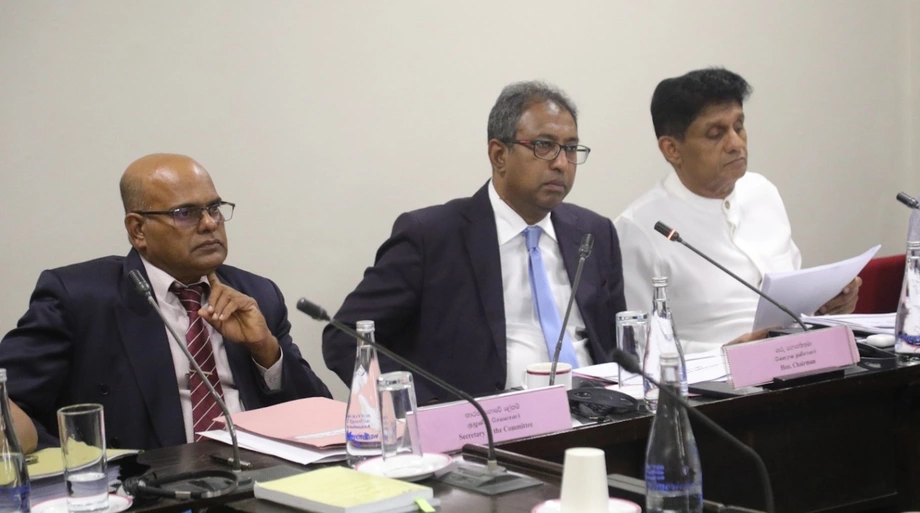
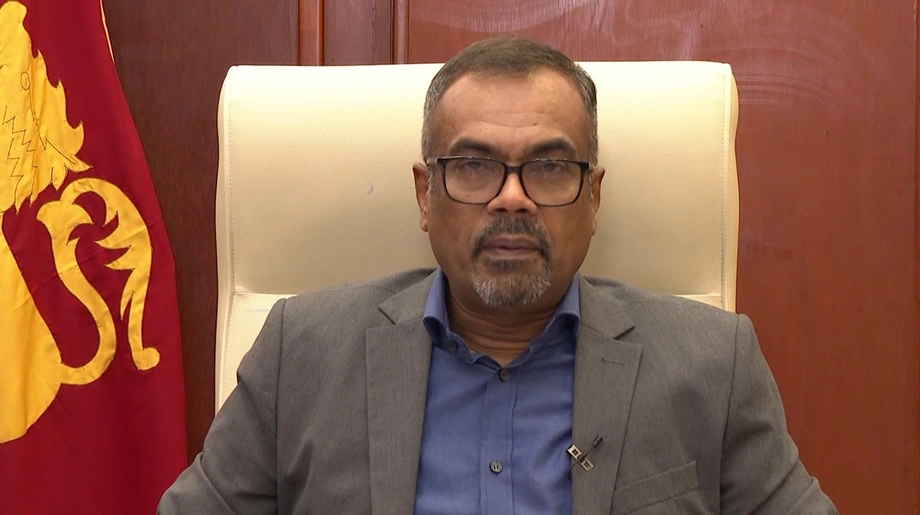
Presenting the 2027 budget in Parliament, Dissanayake said the committee would be chaired by the Deputy Minister of Finance and Planning and include the central bank governor, the finance ministry secretary and economic experts. Its task is to recommend whether another programme is needed and, if so, which type would suit Sri Lanka.
The president linked the review to the need for stronger foreign exchange reserves, the funds a country holds in foreign currencies to help meet overseas payments and withstand sudden pressure. He said global disruptions and natural disasters could complicate the shift from economic stabilisation to growth.
Dissanayake described the committee's assignment in his budget address:
The committee comprising the Governor of the Central Bank, the Secretary to the Ministry of Finance, and economic experts has been appointed to examine whether we should pursue a program after March, and if so, what kind of program it should be.
No decision on a successor arrangement has been announced, and no deadline was given for the committee's report. The immediate commitment is to complete the existing programme, Sri Lanka's 17th, while deciding how much outside financial support the country may need afterward.
Talks are already moving beyond crisis support
Deputy Finance Minister Anil Jayantha told Parliament on October 8, 2026, that discussions with the IMF were already taking place about the period after March 2027. His comments suggest the committee's work will proceed alongside conversations with the lender about possible arrangements.
Jayantha described the intended change in the relationship:
In parallel, discussions are currently underway regarding the options beyond the current program, reflecting a shift from crisis-driven support towards a more sustainable, long-term growth-targeted engagement model.
The current Extended Fund Facility, or EFF, is a programme lasting four years and worth about $3 billion. An EFF provides financing alongside an agreed programme of economic reforms, with progress assessed through regular reviews before further money is released.
Sri Lanka's discussion now reaches beyond securing its next payment. The government wants to move from managing an emergency toward an economy that generates more investment, exports and income. The terms of any new IMF engagement would help determine how that ambition fits with debt repayments, tax collection and public spending.
How Sri Lanka reached this decision
Sri Lanka's first sovereign default in April 2022 followed a severe shortage of foreign currency that left the country unable to service its external debt. The external debt stock cited at the time was $51 billion, while shortages of fuel, medicines and food disrupted everyday life.
The recovery programme required tax increases, controls on spending, energy prices tied more closely to costs and stronger central bank independence. Debt restructuring involved negotiations with China, India, Paris Club governments and commercial bondholders.
The main events leading to the next decision are:
- April 2022: Sri Lanka entered its first sovereign default during the economic crisis.
- October 8, 2026: Jayantha told Parliament that discussions were underway with the IMF about options after the existing programme.
- End of October 2026: Gross official reserves stood at $6.9 billion.
- November 2026: The 2027 budget process brought the proposed review of future IMF engagement into focus.
- March 2027: The current EFF is scheduled to conclude.
The economy has since recorded 12 consecutive quarters of growth. Completing the programme would mark a further step away from the emergency, while households and businesses still face the costs of rebuilding.
The budget puts debt reduction at the centre
Dissanayake told Parliament that public debt could fall to 87% of gross domestic product by 2032, compared with an initial programme target of 95%. He attributed the revised projection to the IMF's sixth review and said it depended on current economic trends continuing.
GDP measures the value of goods and services produced in an economy. A debt ratio of 87% means public debt would equal about 87% of one year's economic output. The revised projection is eight percentage points below the earlier target, giving the government a more favourable debt outlook if the expected progress holds.
The president also said the administration had needed IMF assistance to determine the true extent of the country's debt burden. His budget remarks placed continued implementation of the Public Financial Management Act alongside efforts to improve accountability and the handling of public resources.
The fiscal targets presented in the speech differ from those described before the budget. Dissanayake announced a primary surplus target of 2.3% of GDP and an overall deficit of 5%; the government's earlier fiscal strategy had targeted a primary surplus of 2.6% and a deficit of 4.5% for 2027.
A primary surplus means revenue exceeds spending before interest payments are counted. An overall deficit includes those interest payments. Sri Lanka can therefore collect more than it spends on services and other activities while still needing to borrow to meet its full bill.
Tax reform must leave room for investment
The government plans to broaden the tax base, streamline exemptions and digitise tax administration. Broadening the base means collecting tax from a wider range of people or economic activity, while reviewing exemptions means reconsidering who receives special relief.
Those changes matter because the budget must fund public services and investment while keeping debt under control. Dissanayake put public investment at 4% of GDP and called for a more effective public administration capable of carrying out the country's development plans.
The next IMF review also carries an immediate financial consequence. Completion of the seventh review could release about $345 million, taking total disbursements under the programme to around $2.7 billion. The budget is a condition for completing that review.
Evan Papageorgiou, the IMF's mission chief for Sri Lanka, described the budget's central test as protecting fiscal and debt sustainability while making room for development priorities. He said further work was needed to turn the recovery into wider prosperity.
Reserves have recovered, but families face higher prices
Sri Lanka's $6.9 billion in gross official reserves at the end of October provides a larger cushion than the country had during the crisis. Stronger reserves can help the economy handle disruptions to export earnings, tourism receipts, imports or access to overseas finance.
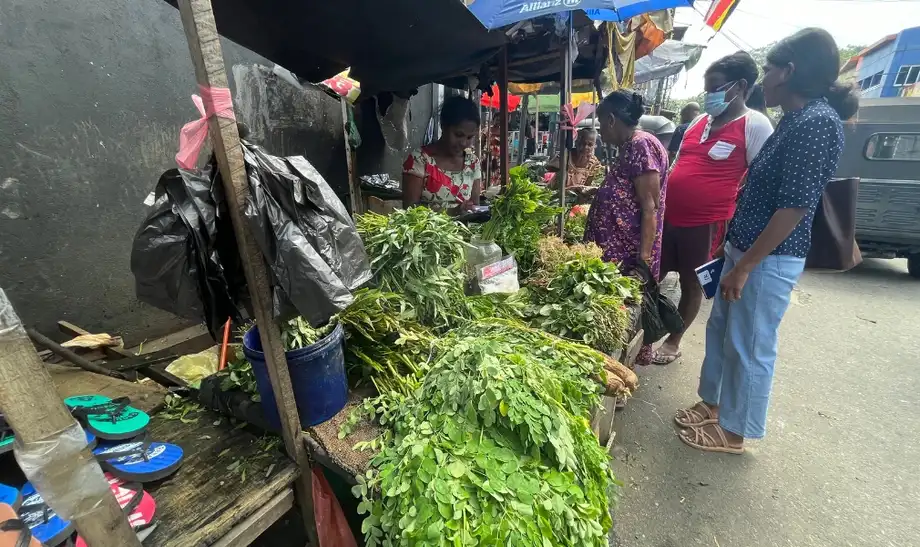
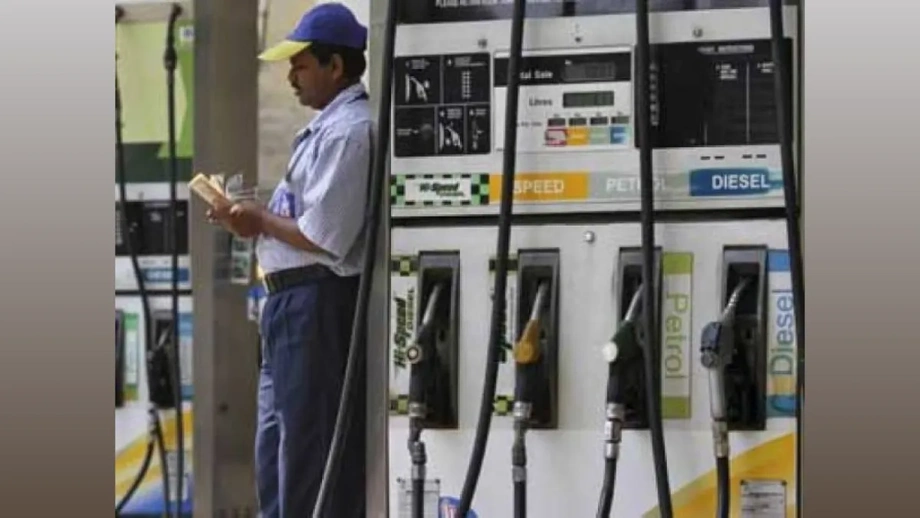
Energy costs are already testing that recovery. Inflation in Colombo reached 8.3% in October, and the government introduced fuel and electricity subsidies, cash assistance for households with low incomes, and support for farmers and fishermen.
The World Bank forecasts economic growth of 4.4% in 2026 and 4.2% in 2027, a slowdown of 0.2 percentage points. It estimated poverty at 16.9% in 2025, still above the level before the crisis. For families, a growing economy must translate into wages and earnings that stretch further at shops and service providers.
Subsidies and cash payments can ease immediate pressure, but they also require budget resources. The government must decide how to support people facing higher living costs while maintaining the financial targets that underpin the IMF programme and debt recovery.
Returning to bond markets could be costly
Sri Lanka last issued international bonds in 2019. A return would restore access to another source of financing, but the interest rate demanded by investors will determine how useful that access becomes.
Fitch Ratings raised Sri Lanka's rating to B-minus from CCC-plus in September, citing stronger public finances, external balances, reforms and reserve accumulation. It also warned that debt and debt servicing burdens remained high.
Former central bank Deputy Governor W.A. Wijewardena estimated that borrowing costs could reach 11% to 12%. He warned about the pressure such rates would place on the country:
This is not an affordable interest rate for a country like Sri Lanka," he said. "If we have to borrow at these rates, we will be driven back into the old debt trap.
That estimate gives the committee a concrete issue to assess: how another IMF arrangement would fit alongside any return to commercial borrowing. The choice concerns the cost, timing and reliability of finance as well as the reforms attached to it.
Growth needs more than a balanced budget
Jakob Engel, a senior country economist at the World Bank, has called for a shift from growth driven by public investment and debt toward private investment, exports and productivity. Productivity means producing more value with the same amount of labour, equipment or other resources.
Engel described the need for a different approach:
"There's a need to really begin to shift towards a different type of growth model," he said.
India and Thailand offer useful comparisons because both combined crisis stabilisation with changes intended to support investment and trade. India signed its last IMF arrangement, a Stand-By Arrangement lasting two years, in 1991. Its seven formal lending arrangements comprised six Stand-By Arrangements and one EFF.
India's subsequent reforms covered trade, industry, finance and investment. Thailand's recovery after its 1997 crisis included a more flexible exchange rate, greater access for foreign investment, simpler business rules and stronger corporate and market institutions.
Thailand's crisis also illustrates the speed of external pressure. Its currency moved from about 25 baht per US dollar to 50, meaning a dollar cost twice as many baht. Gross reserves fell from roughly $40 billion to $25 billion, a decline of $15 billion, or 37.5%.
For Sri Lanka, stabilisation means keeping public finances, prices and overseas payments manageable. Changes to business rules, institutions and investment conditions address a different task: helping firms expand, hire workers and earn the foreign currency needed to sustain that stability.
The IMF choice also touches foreign relations
Former Foreign Secretary Ravinatha Aryasinha said Sri Lanka's next IMF decision would affect its foreign relations as well as its economy. Speaking at the Gamani Corea Memorial Lecture in Colombo on November 4, he said the programme had brought competing powers together during the crisis and temporarily eased pressure on Colombo to choose sides.
Aryasinha argued that cultivating a wider range of partners could give Sri Lanka more options. Turning those relationships into trade and investment would also require addressing domestic weaknesses that make the economy less competitive.
The export figures he cited show an uneven pattern. During the first nine months of 2026, exports to India increased 12% and exports to China rose 16%. Exports to the United States, Sri Lanka's largest single market, were flat, while shipments to the United Kingdom fell more than 9%.
China's growth rate was four percentage points above India's, but the figures describe changes rather than the value sold to each market. The United States remained the largest single destination despite its flat performance.
Sri Lanka's application to join the Regional Comprehensive Economic Partnership has been pending since 2023, Aryasinha said. The government therefore approaches its IMF decision while also seeking wider market access and stronger investment ties, with domestic competitiveness central to both efforts.
Key Points
- Sri Lanka has appointed a committee to assess whether it needs another IMF programme after March 2027 and which arrangement would be suitable.
- The current EFF lasts four years and is worth about $3 billion. Discussions about future engagement are already underway.
- Gross official reserves reached $6.9 billion at the end of October 2026, while Colombo inflation reached 8.3%.
- Dissanayake said public debt could fall to 87% of GDP by 2032, compared with the initial target of 95%.
- The budget speech set a primary surplus target of 2.3% of GDP and an overall deficit of 5%, different from the earlier fiscal strategy.
- The seventh IMF review could unlock about $345 million. Investment, exports, living costs and borrowing rates will shape the next stage of recovery.