A dispute over 1.27 crore names before a crucial revision
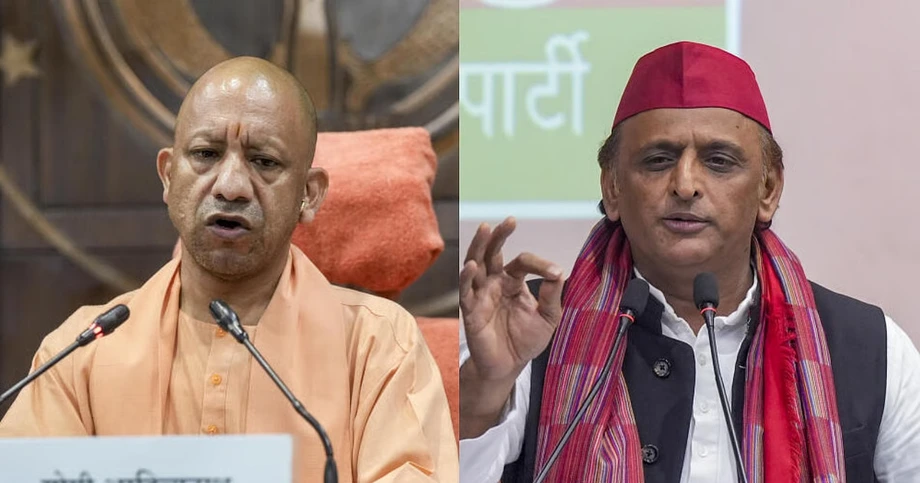
Uttar Pradesh Chief Minister Yogi Adityanath's claim that 1.27 crore Hindu voters are missing from the state's Assembly electoral rolls has triggered an opposition demand for Election Commission scrutiny and a major BJP campaign to register eligible voters before the 2027 state election.
Contents
- A dispute over 1.27 crore names before a crucial revision
- What figures has Adityanath cited?
- Why village and Assembly lists are central
- How the BJP plans to add voters
- Why relatively small numbers matter to the BJP
- Migrants become a new point of confrontation
- Yadav asks for equal scrutiny from the Election Commission
- Maurya's denial adds another dispute
- The dates and decisions that come next
- Key Points
The immediate deadline is November 17, 2026, when draft rolls are scheduled for publication under the Special Summary Revision. Voters will then have until December 16 to submit claims and objections, with final rolls scheduled for January 4, 2027. The BJP expects to begin its campaign on November 20.
Adityanath has argued that missing Hindu voters could affect constituencies where the BJP's previous victory margins were smaller than the number of names allegedly left out. Samajwadi Party president Akhilesh Yadav has challenged the religious breakdown behind the claim and accused the BJP of trying to spread fear.
The controversy also includes conflicting statements within the government. Deputy Chief Minister Keshav Prasad Maurya has said no voter's name was deleted, while promising BJP assistance for eligible people whose names were omitted.
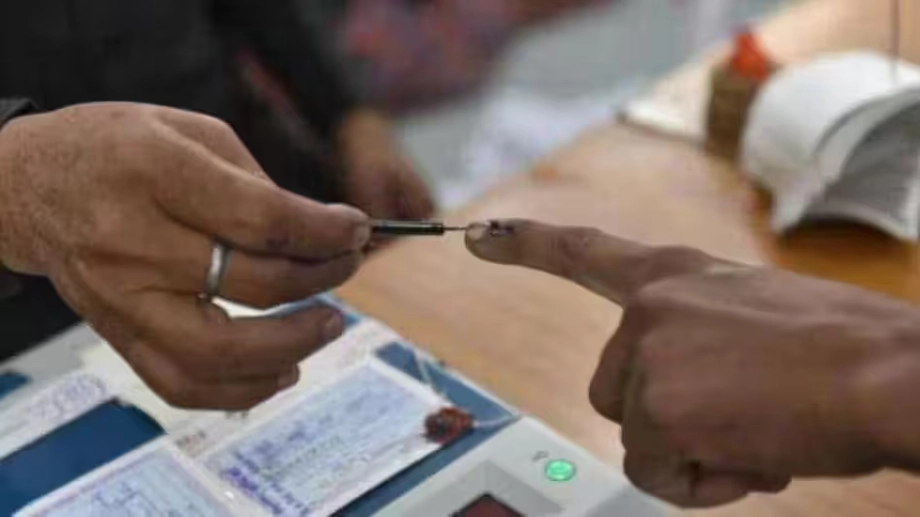
Behind the political confrontation are two practical questions for millions of residents: which electoral list contains their name, and what application is needed if they have been left out or moved home? The Assembly list determines whether they can vote in the state election. A name on a village election list alone does not give them an entry on that Assembly roll.
What figures has Adityanath cited?
Adityanath raised the 1.27 crore figure at the BJP state working committee meeting on October 30 and repeated his concerns in a television interview aired on November 8. The number equals 12.7 million people. He also claimed that Muslim voter numbers had increased by 1.65% following the Special Intensive Revision, known as SIR.
The chief minister cited approximately 66 lakh people whose names appeared on panchayat rolls but were missing from Assembly rolls. He also referred to around 55 lakh Hindu beneficiaries of government welfare schemes and 4.5 lakh people aged 18 or 19 whose names, he said, were absent.
Descriptions of these categories vary: Adityanath has been described as listing the welfare beneficiaries and young voters alongside the 66 lakh, and elsewhere as including them within that figure. The method used to reach 1.27 crore, the overlap between categories and the basis for assigning religion remain unexplained. The Election Commission does not officially publish voter totals by religion.
The state's total electorate reportedly fell from 15.44 crore before SIR to about 13.39 crore afterward. Those figures amount to a net reduction of 2.05 crore names, or approximately 13.3% of the earlier electorate. They describe the change across all voters; Adityanath's religious figures are his own claims.
The distinction between a net reduction and an individual omission matters to anyone trying to recover a missing entry. A revision can remove entries because someone died, moved or appeared more than once, while an eligible resident may need help correcting an omission. Establishing which situation applies requires checking the person's record.
Why village and Assembly lists are central
Adityanath has attributed part of the problem to confusion when SIR and preparation of panchayat election rolls were taking place. He said some people believed they needed their name on only one list and chose the village list, leaving their Assembly registration incomplete.
The Election Commission of India prepares Assembly electoral rolls, while the State Election Commission prepares panchayat rolls. These are separate systems for different elections. Adityanath said BJP workers had failed to explain that separation properly.
Uttar Pradesh's Chief Electoral Officer has also directed district election officers to compare Assembly rolls with panchayat and urban local body rolls after a difference of nearly 2.4 crore emerged between panchayat rolls and the rural voter count. That comparison gives officials a concrete task: identify people appearing in one system and check their status in the other.
Adityanath has asked BJP representatives to compare Assembly lists with both local election rolls and welfare beneficiary records. Such checks can help workers locate residents who may need an application, with electoral officials responsible for deciding whether each person qualifies for inclusion.
How the BJP plans to add voters
The BJP's proposed campaign combines visits to homes, checks of polling booth lists and help completing applications. Its stated statewide ambition is around 86 lakh additions. Organisational targets also include 10,000 to 25,000 names per Assembly constituency and at least 50 eligible voters per polling booth.
Around 700 workers involved in electoral roll operations attended a Lucknow workshop. Adityanath, deputy chief ministers Maurya and Brajesh Pathak, and state BJP president Pankaj Chaudhary participated. Training covered identifying missing eligible voters and using Form 6 to apply for inclusion.
Workers are also expected to distribute Form 8, used for changes including shifting an existing registration to a different residence. The practical difference is straightforward: someone seeking a new entry needs help with inclusion, while an existing voter who has moved needs the appropriate change to their record.
Chaudhary, the BJP's state president, described the campaign as a responsibility shared by party workers and public representatives.
The Election Commission is doing its job, but as BJP workers and people in public life, it is our responsibility to ensure that no citizen's name is missing from the voters' list.
The party plans district and Assembly meetings before workers spread out across polling booths. Preparatory schedules extend from November 16 to November 21, although another organisational timetable called for those meetings to finish by November 19.
Why relatively small numbers matter to the BJP
Uttar Pradesh has 403 Assembly constituencies. Dividing Adityanath's claimed 1.27 crore missing voters across those seats gives an average of approximately 31,514 per constituency. The BJP's concern is concentrated in seats it won in 2022 by margins of roughly 1,500 to 3,000 votes.
Party discussions have focused on how the removal or movement of even 5,000 to 10,000 entries could alter the pool of registered voters in closely contested constituencies. The campaign therefore combines statewide targets with attention to particular seats and polling booths.
Maurya has cited a narrowing gap between the BJP and Samajwadi Party, saying their vote difference fell from 1.55 crore in 2017 to 85 lakh in 2022. On those figures, the gap shrank by 70 lakh votes, or about 45%.
The BJP also plans to concentrate resources in constituencies it considers winnable rather than seats with large Muslim populations where it rarely wins. Its registration effort is therefore tied to an electoral strategy as well as assistance with paperwork.
Women, young adults and people who have moved are particular priorities. A BJP office bearer cited an electoral roll gender ratio of 834, meaning 834 female voters for every 1,000 male voters, and said the party believed many eligible women needed help obtaining an entry.
Migrants become a new point of confrontation
Adityanath has urged workers to reach people from Uttar Pradesh living in other states. BJP organisers also want to contact voters who moved their registration from urban to rural addresses, with the aim of helping some shift back to urban constituencies.
Yadav has accused the BJP of planning to bring people from Madhya Pradesh, Jharkhand, Chhattisgarh, Bihar, Himachal Pradesh and Uttarakhand to register in Uttar Pradesh. He made the allegation while attending a review meeting with Samajwadi Party Assembly presidents from 86 reserved constituencies.
For a person who has moved, the relevant electoral requirement is ordinary residence, meaning the place where they normally live. A voter can be registered in only one constituency. Applications involving migration therefore require officials to check residence and the existing entry.
The BJP describes its effort as helping eligible voters restore or transfer registrations. Yadav describes the proposed movement of registrations as an attempt to manipulate the electorate. His accusation adds a dispute about who should be enrolled to the existing argument over who was omitted.
Yadav asks for equal scrutiny from the Election Commission
Samajwadi Party state president Shyamlal Pal submitted a memorandum to Uttar Pradesh's Chief Electoral Officer seeking a notice to Adityanath and an affidavit supporting his figures. The party argued that opposition allegations about electoral rolls have faced demands for evidence, while the chief minister's claim should receive the same scrutiny.
The memorandum cited an Election Commission notice issued to Yadav on October 27, 2022, after he alleged discrepancies following that year's Assembly election. According to the party, the commission had maintained that voter lists were not prepared on the basis of religion or caste.
Yadav, the Samajwadi Party president and a former Uttar Pradesh chief minister, questioned how Adityanath obtained the religious figures.
How can the chief minister say that names of 1.27 crore Hindu voters have been deleted (from the electoral rolls)? How the Election Commission provided him this information remains a mystery.
Yadav also alleged that more than 100 Form 7 applications bore one person's signature and that the Election Commission subsequently stopped the practice. Form 7 is used to seek deletion of an entry or object to an inclusion. He further alleged that Samajwadi Party voters had been targeted using the signature of the party's city president.
The opposition leader credited party workers and PDA volunteers with monitoring the process. PDA refers to backward classes, Dalits and minorities, the social grouping central to his party's campaign. The Samajwadi Party has increased outreach to these voters, while Congress has begun its own election preparations.
Maurya's denial adds another dispute
Maurya's comments differ directly from Adityanath's account of large numbers of deleted names. The deputy chief minister rejected the suggestion that voters had been removed and defended the BJP organisation's work during SIR.
Maurya stated his position in unqualified terms.
Nobody's name has been deleted. All voters are where they were.
He also said the BJP would help eligible voters whose names had been left out and insisted there had been no organisational lapse. Adityanath, by contrast, has said workers failed to explain the separation between panchayat and Assembly rolls.
Both leaders support checking entries and assisting eligible residents. Their descriptions differ on how the problem arose and whether the party's earlier work contributed to it, leaving the campaign with a shared practical task but conflicting explanations.
The dates and decisions that come next
Uttar Pradesh's SIR ran from October 27, 2025, to April 10, 2026. Adityanath's October and November statements came roughly seven months after its completion. The current Special Summary Revision, or SSR, is a further update of the existing rolls, allowing eligible additions, corrections and removals.
The announced revision uses January 1, 2027, as its qualifying date, allowing people who reach voting age by then to seek inclusion. The immediate timetable is:
- October 30, 2026: Adityanath raised the missing voter claim at the BJP state working committee meeting.
- November 17, 2026: Draft Assembly electoral rolls are scheduled for publication.
- November 20, 2026: The BJP expects its voter registration campaign to begin.
- December 16, 2026: The period for claims and objections is scheduled to close.
- January 4, 2027: Final electoral rolls are scheduled for publication.
Chief Electoral Officer Navdeep Rinwa has said he will answer questions about SIR on November 17, after publication of the draft. Both political parties have approached election authorities: Adityanath says the BJP submitted a memorandum seeking inclusion of eligible voters, while the Samajwadi Party wants scrutiny of his figures.
Yadav has also proposed linking Aadhaar with voting, issuing metal voter identity cards and using fingerprints or eye biometrics for identification. He has presented these as measures to prevent fraud and said his party would pursue biometric verification if elected. They are proposals, while the immediate revision continues through applications and official examination of voter entries.
Samajwadi Party leader Udaiveer Singh has urged Adityanath to support a motion to remove the Chief Election Commissioner if his grievance is genuine. For residents, the nearer consequence is more direct: the draft publication and application deadline provide the next opportunity to resolve a missing or incorrect registration before the final list.
Key Points
- Adityanath claims 1.27 crore Hindu voters are missing and says Muslim voter numbers rose by 1.65%.
- The electorate reportedly fell from 15.44 crore to 13.39 crore after SIR, a net reduction of about 13.3%.
- The BJP plans a month of registration assistance, with targets including at least 50 eligible additions per polling booth.
- Yadav questions the religious figures and the Samajwadi Party has requested Election Commission scrutiny.
- Maurya has denied that names were deleted while promising help for eligible people left off the rolls.
- Draft rolls are due November 17, claims and objections close December 16, and final rolls are scheduled for January 4, 2027.