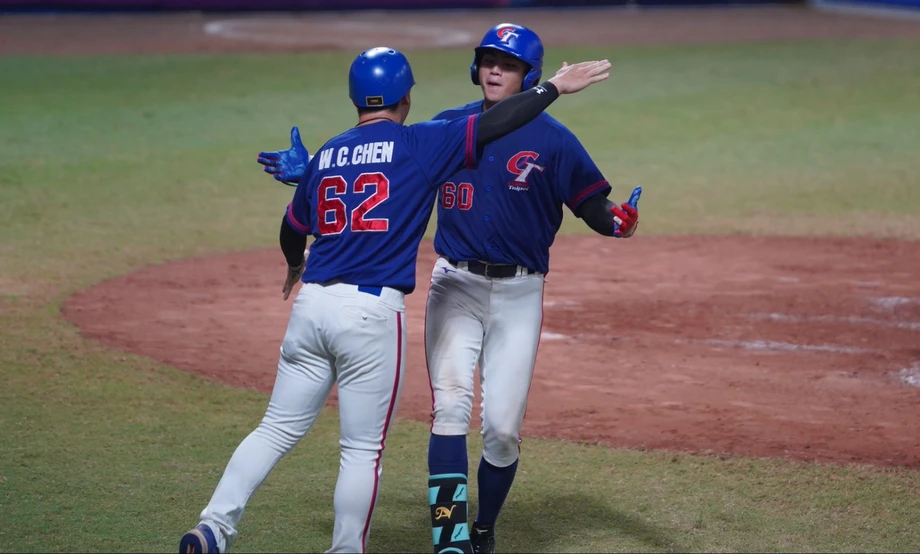
Two outs, one swing and a crucial victory
Chun-Lin Huang hit a solo home run with two outs in the sixth inning, and Harris Miller Jackson completed seven innings on 85 pitches as Taiwan defeated defending champion Japan 2-1 at the U23 Baseball World Cup on November 13, 2026. The victory at Roberto Clemente Baseball Stadium in Masaya, Nicaragua, brought Taiwan level with Japan at two wins and two losses in the Super Round.
Contents
Jackson, identified in Chinese coverage as Lei Hao-po, allowed four hits and one run, struck out four and issued no walks. The 19-year-old right-hander surrendered Japan's only run in the first inning, then kept the defending champions scoreless for the remaining six.
Taiwan, competing under the name Chinese Taipei, had entered the Super Round carrying two defeats from the opening stage. Consecutive victories over South Korea and Japan restored its chances of reaching a medal game, with Venezuela next on its schedule.
The World Baseball Softball Confederation's official game report records a comeback built from two very different scoring plays: a carefully manufactured run in the fourth inning and Huang's decisive drive to left centre in the sixth. Jackson then protected the narrow lead without needing relief help.
Japan strikes first, then the pitchers settle
Japan opened the scoring through speed and timely hitting. Koki Matsushima singled to left field to begin the bottom of the first, stole second and advanced to third on Hanon Kudo's groundout. Kikyu Yamashita followed with a single through the left side, bringing Matsushima home for a 1-0 lead.
Jackson stopped the inning there by retiring the next two hitters. Japan had collected two hits in its first turn at bat, but managed only two more during the rest of the game.
Japan's starting pitcher, Koki Hasegawa, was equally effective early. The left-hander retired Taiwan's first nine batters, keeping every runner off base through three innings. Jackson answered by retiring all six Japanese hitters he faced in the second and third.
Both teams therefore reached the fourth inning with little room for error. Japan held the lead, while Taiwan still needed its first baserunner. In a game scheduled for seven innings, those opening three innings had already used up a substantial part of Taiwan's opportunity to respond.
Zheng creates the tying run
Captain Jun-Wei Zheng broke through in the top of the fourth with a single down the left field line. A throwing error allowed him to reach second, putting Taiwan's first runner of the game in scoring position, where a single could potentially bring him home.
Huang followed with a sacrifice bunt, gently directing the ball into play and accepting an out to move Zheng to third. Bo-Rui Huang then grounded out to shortstop, giving Zheng enough time to score the tying run.
Taiwan had turned one hit, an error and two productive outs into a 1-1 score. Chun-Lin Huang's contribution was different from the power he would supply later: in the fourth, his task was to move a teammate closer to home.
Hasegawa completed five innings with only that one run allowed. Taiwan had just two hits through those five innings, making its ability to convert Zheng's opportunity especially valuable.
Double plays keep the game level
Taiwan threatened again in the fifth. Po-Han Sung singled up the middle, and Po-Hsuan Wu was hit by a pitch. With one out and runners on first and second, another scoring opportunity had developed.
Japan escaped when Cheng-Hao Wu grounded into a double play. The defence recorded two outs on the same play, ending the inning before Taiwan could take the lead.
Japan also lost a chance in the bottom half. Shunta Sakurauchi singled to right centre, but Asahi Watanabe grounded into an inning ending double play. Both teams had put a runner on base, and both saw their opportunities disappear with one swing.
The fifth inning helped explain why the eventual winning hit carried so much weight. Ordinary singles had produced chances, but neither batting order was stringing enough hits together to score repeatedly against the opposing pitchers.
Huang punishes the pitching change
Japan turned to reliever Manato Fujii for the sixth inning. Fujii retired Taiwan's first two hitters, leaving the bases empty when Chun-Lin Huang stepped into the batter's box.
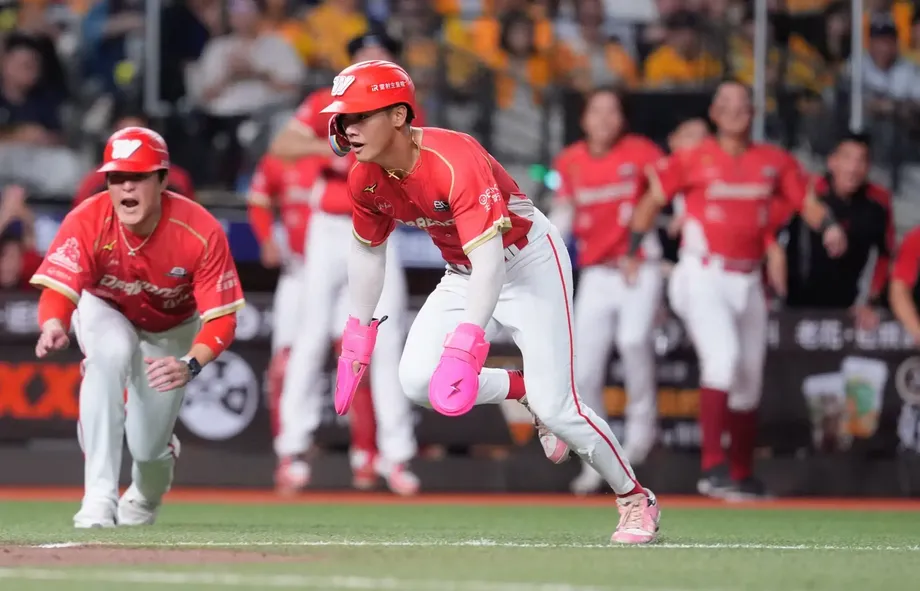
Huang took the first pitch for a ball, then drove the second over the fence in left centre. His solo home run, meaning a homer with nobody else on base, put Taiwan ahead 2-1. Fujii struck out Bo-Rui Huang to end the inning, but Japan now needed to score against a pitcher it had not broken through against since the first.
Huang, a CTBC Brothers player, had already won the batting average and hits titles in Taiwan's professional league's second team competition that year. Against Japan, he supplied both the bunt that helped create the equaliser and the home run that decided the result.
The WBSC's Super Round roundup confirms that the homer came with two outs on Fujii's second pitch to Huang. One successful swing was enough to overturn an inning that had been moving quickly in Japan's favour.
Jackson finishes what he started
Japan immediately tested the new lead. Matsushima reached on a fielding error to open the bottom of the sixth and advanced into scoring position during the inning. Jackson responded with a flyout, a groundout and a strikeout, leaving Japan without the tying run.
His fastest pitch was reported at approximately 153 kilometres per hour in that sixth inning, about 95 miles per hour. Jackson, who aims to play professional baseball in the United States, was still producing that speed late in an outing that had drawn attention from scouts.
Taiwan went down in order against reliever Kawahara in the seventh. Jackson returned with the same one run cushion and retired all three hitters: Natsuki Fujiwara on a strikeout, Kenshin Hatsutani on a flyout and pinch hitter Joji Kawase on a groundout.
The WBSC's official box score records 56 strikes among his 85 pitches, approximately 66 percent. He averaged just over 12 pitches per inning. With no walks and no batters hit by pitches, Jackson avoided giving Japan free runners and completed every inning himself.
How Taiwan reached this position
Taiwan finished third in its opening group with a .400 winning percentage, equivalent to two victories in five games. Its two losses against teams that also advanced were carried into the Super Round, explaining why two new victories left it at 2-2 rather than 2-0.
The Super Round combines those carried results with games against qualifiers from the other opening group. Taiwan's wins over South Korea and Japan erased its initial deficit in the second stage standings and kept it in contention as the final round of games approached.
- Opening round: Taiwan advanced in third place from Group A and carried two defeats into the Super Round.
- November 12: Taiwan defeated South Korea in its first new Super Round game.
- November 13: Huang's home run and Jackson's complete game secured a 2-1 victory over Japan.
- Next game: Taiwan faces Venezuela before the tournament concludes on November 15.
The WBSC's tournament standings list Taiwan and Japan at .500, behind Venezuela at 1.000 and Australia at .750. Puerto Rico stood at .250, while South Korea remained without a Super Round victory.
Venezuela awaits with a final place secured
Venezuela had already secured first place in the Super Round and a place in the November 15 World Championship Final. Its 8-7 victory over Puerto Rico in eight innings brought its Super Round record to 4-0 and extended its winning streak across the tournament to seven games.
Joan Delgado delivered the winning single with one out in the eighth. Venezuela and Puerto Rico combined for 23 hits and used 11 pitchers, a much more demanding offensive contest than the duel between Taiwan and Japan.
Australia's 4-2 victory over South Korea also shaped Taiwan's position. Australia improved to 3-1, one win ahead of Taiwan and Japan, after catcher John Lemm hit two home runs.
The remaining championship final place and the bronze medal pairing were still undecided after those games. Taiwan needed to beat Venezuela and await the other results; a tied finish could require Team Quality Balance, or TQB, which compares scoring and run prevention relative to innings played. A victory over Venezuela alone would therefore leave Taiwan dependent on the rest of the table.
For Taiwan, the immediate change was concrete: a team that entered the Super Round with two defeats had beaten two major rivals in succession and reached its final game with a chance to keep playing for a medal.
Key Points
- Taiwan defeated defending champion Japan 2-1 in Masaya on November 13, 2026.
- Chun-Lin Huang hit the winning solo home run with two outs in the sixth inning.
- Harris Miller Jackson pitched all seven innings, allowing four hits and one run on 85 pitches.
- Jackson struck out four, issued no walks and threw 56 strikes.
- Taiwan and Japan finished the day tied at 2-2 in the Super Round.
- Taiwan next faces Venezuela, which has already qualified for the November 15 championship final.