Japan strikes early as Taiwan sets an unwanted record
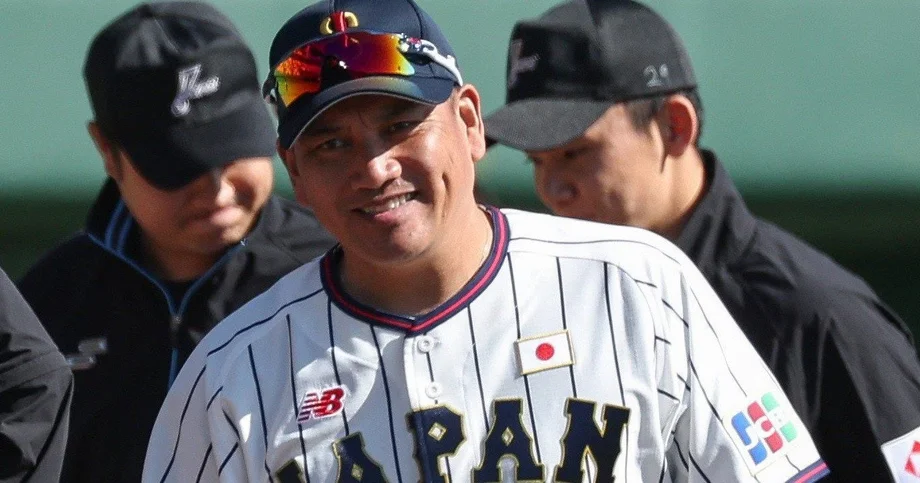
Tomoya Masaki hit two home runs and drove in three runs as Japan defeated Taiwan 5-0 at Tokyo Dome on November 12, 2026, opening the Asia Professional Baseball Championship with a victory in Tadahito Iguchi's first game as Japan manager. Taiwan managed just two hits, its lowest total in a game in the tournament.
Contents
- Japan strikes early as Taiwan sets an unwanted record
- Masaki turns a warning into two home runs
- How Japan built its five runs
- Kanemaru leaves Taiwan little room to respond
- Lin Chia-wei provides a defensive bright spot
- A difficult debut extends Taiwan's home run history
- Iguchi begins Japan's next chapter with a win
- Australia comes next for Taiwan
- Key Points
Masaki, the Japan Series Most Valuable Player, attacked almost immediately. He hit Taiwan starter Lin Tzu-wei's fifth pitch for a home run in the opening inning, then homered again in the third. Japan finished with three home runs, while starting pitcher Yumeto Kanemaru delivered seven scoreless innings and five strikeouts.
Taiwan has now lost its opening game in all three editions of the championship. Its next opponent is Australia, a game Taiwan needs to win to keep its push for a place in the championship final alive.
The defeat combined a difficult pitching debut with a shortage of opportunities at the plate. Lin allowed three runs in four and two thirds innings in his first appearance at senior international level. Ma Chieh-sen and Lin Chia-wei supplied Taiwan's only hits, reducing the team's previous tournament low of three against Japan in the preceding edition.
Japan took control through more than power alone. An early Taiwan fielding error helped create its second run, Kanemaru kept the batting order quiet, and a pickoff ended Taiwan's attempt to build an attack in the sixth. Taiwan did produce a defensive highlight through Lin Chia-wei, whose throw from left field cut down a Japanese runner.
Masaki turns a warning into two home runs
Taiwan manager Kao Chih-kang and starting pitcher Lin had both identified Masaki as the Japanese hitter requiring the most attention before the game. Their concern reflected his season with the Fukuoka SoftBank Hawks: a .274 batting average, 28 home runs and 59 runs batted in across 101 appearances, followed by the Japan Series MVP award.
Masaki delivered against two different pitches. His first home run came on a fastball traveling at 145 kilometers per hour. In the third inning, Lin relied more heavily on changing speeds, but Masaki sent a forkball traveling at 131 kilometers per hour over the left field wall.
A forkball is designed to drop as it approaches the hitter, making solid contact difficult. Masaki's ability to drive both the faster straight pitch and the slower dropping pitch gave Japan runs in two of his early trips to the plate.
Both home runs were solo shots, meaning nobody else was on base and each swing scored one run. Masaki later added a run scoring single against reliever Li Chun in the seventh inning, finishing with three hits and three of Japan's five runs batted in.
How Japan built its five runs
Japan's first inning continued after Masaki's opening home run. Rui Muneyama doubled, then advanced to third base when Taiwan center fielder Kuo Tien-hsin made an error. A timely hit from Misho Nishikawa brought Muneyama home, putting Japan ahead 2-0 before Taiwan had its first turn to bat.
Masaki's second home run extended the lead to 3-0 in the third. Lin completed four innings with that deficit unchanged and left after recording two outs in the fifth. In baseball notation, that outing is written as 4.2 innings: four complete innings plus two outs.
Japan added its fourth run on Masaki's seventh inning single. Muneyama then supplied the final run with a solo home run with two outs in the top of the ninth. Those three home runs accounted for three of Japan's five runs, with the other two coming through run scoring singles.
The available reports and text play-by-play support this scoring sequence, but no official box score or official play-by-play has been identified to substantiate the detailed inning sequence and individual game statistics.
Kanemaru leaves Taiwan little room to respond
Kanemaru, a 23-year-old pitcher with the Chunichi Dragons, gave Japan seven scoreless innings in his tournament opener. His five strikeouts helped keep Taiwan from turning its limited baserunners into a sustained threat.
Taiwan's two hits were one fewer than its previous tournament low of three, also recorded against Japan. That is a reduction of one third from an already small total. With so few hits, Taiwan had little margin for losing a runner on the bases or missing a chance to advance.
Lin Chia-wei's sixth inning single ended a stretch of 11 consecutive Taiwan plate appearances without a hit. A plate appearance is a completed turn to bat, whether it ends in a hit, an out, a walk or another result. The long gap between hits helps explain why Japan's early lead remained so difficult to challenge.
Taiwan still failed to score in that inning. Chang Jen-wei was subsequently picked off, meaning Japan caught him away from the safety of a base and recorded an out. The sequence left Taiwan without the breakthrough it needed, and Japan completed the shutout, a game in which the opponent scores no runs.
Lin Chia-wei provides a defensive bright spot
Lin Chia-wei entered the championship after a difficult finish to Taiwan's preparations. He had gone hitless in eight at bats across two warmup games, with problems also appearing in his running and bunting. The coaching staff nevertheless kept him on the roster of 28 players and started him in left field, batting ninth.
His strongest contribution came in the top of the sixth. Nishikawa, the Pacific League's hits leader, drove a ball into left field and tried to stretch the hit into a double. Lin moved quickly to collect it and delivered a throw to second base without a bounce, retiring Nishikawa.
Japan followed with two more hits, making the out especially valuable. Removing Nishikawa from the bases saved Taiwan a run during that sequence. Lin then contributed Taiwan's second hit in the bottom half of the inning, giving the team useful work on both sides of the ball despite the defeat.
A difficult debut extends Taiwan's home run history
Lin Tzu-wei took the loss in his senior international debut after allowing three runs over four and two thirds innings. He became the first Taiwan pitcher in the championship to surrender two home runs to the same hitter in one game, and the first to allow a home run to the opening batter in the first inning.
Japan has now homered in all three championship meetings between the teams. In 2017, Shuta Tonosaki hit a home run against Lin Cheng-hsien. In 2023, Shota Morishita homered against Ku Lin Ruei-yang. Masaki's two drives and Muneyama's ninth inning shot extended that sequence in 2026.
Taiwan's immediate problems were spread across several parts of the game. Masaki punished pitches early, an error helped Japan add another first inning run, and the batting order produced only two hits. Improving against Australia will require Taiwan to create more scoring opportunities while limiting the mistakes that made Japan's early advantage larger.
Iguchi begins Japan's next chapter with a win
Iguchi entered his first game in charge seeking Japan's third consecutive championship title. Before the opener, the manager set out his immediate priority and his hope for the batting order. His comments, translated from Japanese, were:
First, it is important to win the opening game. I am looking forward to the batting lineup linking together.
The original Japanese wording and source for this translated quote have not been provided.
Japan's roster is built mainly around players aged 24 or younger, or those within their first three years as professionals. The tournament also allows three older players aged 29 or younger. That structure gives younger professionals opportunities to handle international competition while allowing teams to include some more experienced players.
Iguchi began preparations in Miyazaki with a wider goal beyond this event: building toward the Premier12 competition, where qualification for the Los Angeles Olympics is at stake. He identified pitching quality, from starters through the bullpen, as an area requiring work and closer cooperation with the team's data staff.
Japan's senior national team had experienced a much different trajectory earlier in 2026. After its 13-0 WBC opening win over Taiwan on March 6, Japan lost to Venezuela in the World Baseball Classic quarterfinals. The championship now gives Iguchi a competitive setting to assess another group of players.
Australia comes next for Taiwan
Taiwan must respond against Australia to keep its bid for the championship game alive. The date and start time of that fixture were not specified. Japan's remaining opening phase schedule and the tournament's deciding games are set out below.
- November 12: Japan beat Taiwan 5-0 at Tokyo Dome in the championship opener.
- November 13: Japan faces South Korea.
- November 14: Japan plays Australia.
- November 15: The championship final and the game for third place are scheduled.
Japan moves into that schedule with a win, seven strong innings from its starter and production from the top of its batting order. Taiwan heads toward Australia needing a much more productive attack after a night when its best individual moments could not generate a run.
Key Points
- Japan defeated Taiwan 5-0 at Tokyo Dome on November 12, 2026.
- Tomoya Masaki hit two home runs, collected three hits and drove in three runs.
- Yumeto Kanemaru pitched seven scoreless innings with five strikeouts.
- Taiwan's two hits set its lowest single game total in the championship.
- Lin Chia-wei contributed a hit and threw out Misho Nishikawa at second base.
- Taiwan next faces Australia, while the final is scheduled for November 15.