Four goals in 12 minutes turn the final
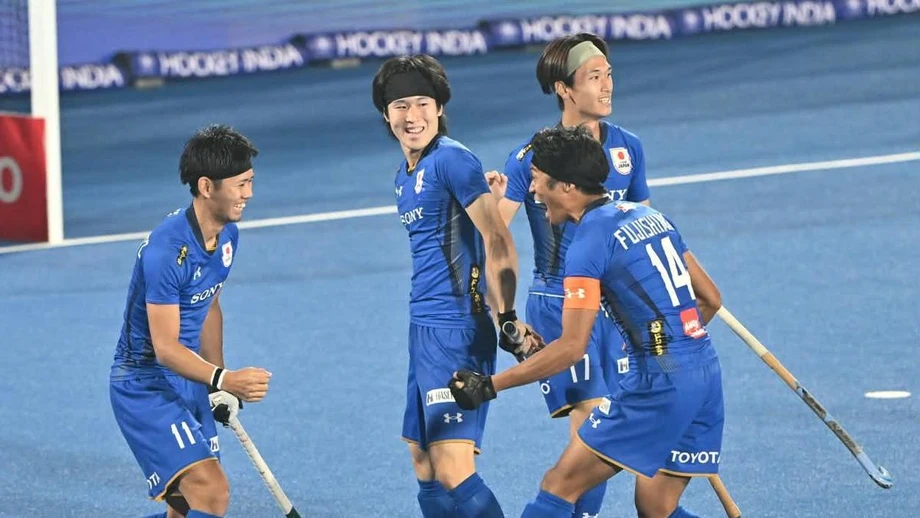
India won a record sixth Men's Asian Champions Trophy title on November 5, 2026, overturning an early deficit to beat Japan 4-1 at the Olympian Balbir Singh Senior International Hockey Stadium in Mohali. Four goals between the 42nd and 53rd minutes transformed a difficult final into a decisive victory and completed a campaign of seven wins from seven matches.
Contents
- Four goals in 12 minutes turn the final
- Japan make India chase the game
- Lakra breaks through after a video check
- Three strikes settle the contest
- Seven victories and a third successive crown
- Japan finish second after a tense semifinal
- Individual honours and rewards in Punjab
- Malaysia recover to take bronze
- Key Points
Shilanand Lakra scored the equaliser before Dilpreet Singh, Jugraj Singh and Vivek Sagar Prasad struck in the final quarter. Japan had led through Kazumasa Matsumoto's third minute goal and kept India behind throughout the first half, making the defending champions work much harder than the final score might suggest.
The victory gave India three consecutive titles, following their successes in 2023 and 2024. Captain Harmanpreet Singh finished as the tournament's leading scorer with 10 goals and received the Hero of the Tournament award, while goalkeeper Krishan Bahadur Pathak won the rising goalkeeper award.
Hockey India announced a reward of Rs 300,000 for each player in the winning team and Rs 150,000 for each member of the support staff. The celebrations also marked a personal milestone for midfielder Hardik Singh, who played his 200th international match in the final.
Japan make India chase the game
Matsumoto gave Japan the ideal start with a backhand finish in the third minute. His goal allowed the visitors to defend a lead while continuing to threaten India with attacks of their own.
Japan's goalkeeper and defenders repeatedly frustrated India's forwards. Hardik had a shot saved, and Aditya's attempt after the rebound was blocked. Another Indian attack ended with a pass travelling through the striking circle without either of two forwards getting the touch needed to turn it towards goal.
India also lost an early video referral after unsuccessfully asking for a penalty corner. A referral allows a team to ask the video umpire to review a decision. Japan later secured a penalty corner after a review of Harmanpreet's challenge on Raiki Fujishima.
Japan reached halftime with their 1-0 advantage intact. India had already beaten them 4-1 during the league stage, but the final presented a different task: finding a way through an organised defence while facing the risk of falling further behind.
Lakra breaks through after a video check
India received their first penalty corner in the 33rd minute. Hardik delivered the ball to Harmanpreet, whose drag flick was stopped by the Japanese goalkeeper. A drag flick is a technique in which a player draws the ball along the stick before releasing a fast, rising shot.
Lakra finally equalised in the 42nd minute following another penalty corner sequence. Harmanpreet chose a passing variation rather than a direct shot, and India worked the ball into a position from which Lakra could finish.
The goal required a video review because Aditya's delivery had risen above knee height before Lakra put the ball into the net. The video umpires examined whether the ball had been dangerous and allowed the goal to stand.
India entered the last quarter level at 1-1. Lakra's finish had ended a long pursuit of an equaliser and left both teams with 15 minutes to find a winner.
Three strikes settle the contest
Dilpreet put India ahead in the 47th minute after Hardik troubled Japan's defence inside the striking circle. The goal changed the demands on Japan, who now had to chase the game after spending much of the evening protecting their lead.
Jugraj extended the advantage in the 52nd minute, scoring with a powerful drag flick from a penalty corner delivered by Abhishek. A penalty corner gives the attacking team a structured scoring opportunity, with the ball played from the back line to teammates waiting outside the circle.
Vivek Sagar Prasad made it 4-1 a minute later. He collected a rebound near the edge of the circle and drove the ball between the Japanese goalkeeper's legs, completing India's burst of four goals in 12 minutes.
Three of those goals came in a six minute stretch during the fourth quarter. India finished with the same winning score as in their league meeting with Japan, although this time they had needed to recover from an early setback.
Seven victories and a third successive crown
India won all five league matches before defeating South Korea 8-1 in the semifinal. Their 4-1 victory in the final completed a perfect record across the tournament's two stages.
The league matches took place at the Olympian Surjit Hockey Stadium in Jalandhar, while Mohali hosted the knockout rounds. India therefore completed the entire campaign in Punjab, moving from league competition in one city to the decisive matches in another.
India's title history now spans six victories, including the trophy shared in 2018. The sequence shows how the latest success extends both their total and their current winning run:
- 2011: India won their first Asian Champions Trophy title.
- 2016: India secured their second title.
- 2018: India shared the trophy.
- 2023: India won their fourth title.
- 2024: India retained the championship for their fifth title.
- November 5, 2026: India defeated Japan in Mohali for a sixth title and third consecutive triumph.
The two knockout victories produced a combined score of 12-2: eight goals against South Korea and four against Japan, with one conceded in each match. Four different Indian players scored in the final, spreading the responsibility beyond Harmanpreet despite his position at the top of the tournament scoring table.
Japan finish second after a tense semifinal
Japan reached the final by beating Malaysia 5-3 in a shootout after their semifinal ended goalless. The shootout decided which team advanced when neither side could score during regular play.
Japan then came close to carrying another strong defensive performance deep into the final. Matsumoto's early goal put them ahead, and their resistance lasted until Lakra's equaliser late in the third quarter.
The defeat left Japan still seeking their first Asian Champions Trophy title. They have now lost finals in 2013, 2021 and 2026.
For Japan, the final brought a third runners-up finish after a route that included eliminating Malaysia. Their lead against India lasted from the third minute until the 42nd, before the hosts turned the match around with a rapid sequence of goals.
Individual honours and rewards in Punjab
Harmanpreet's 10 goals earned him the tournament scoring honour alongside the Hero of the Tournament award. In the final, his contribution included the passing variation during the penalty corner sequence that led to India's equaliser.
The India captain said his team had fought until the end and described winning the trophy in Punjab as a memory he would keep for a lifetime. A full crowd watched the final in Mohali, with Punjab Chief Minister Bhagwant Mann also attending.
Hardik's 200th international appearance coincided with an active role in India's attack. He created difficulties for Japan inside the circle before Dilpreet scored the goal that put India ahead.
Pathak's rising goalkeeper award added another individual honour to India's team success. Hockey India's announced payments gave each winning player twice the reward allocated to each support staff member: Rs 300,000 compared with Rs 150,000. No payment date was given.
Malaysia recover to take bronze
Malaysia secured third place with a 5-2 victory over South Korea earlier on the day of the final. Like India, they recovered after falling behind, scoring four unanswered goals after trailing 2-1.
Fitri Saari opened the scoring in the second minute. South Korea responded through Park Geun Woo's penalty corner in the fifth minute, then took the lead through Chun Semin in the 13th.
Faizal Saari brought Malaysia level with a penalty corner conversion in the 34th minute. Abu Kamal Azrai then scored in the 45th and 50th minutes, turning a close contest into a 4-2 Malaysian lead.
Captain Marhan Jalil completed the scoring with another penalty corner goal in the 58th minute. Azrai received the Man of the Match award for his two goals, helping Malaysia finish with a medal after their semifinal shootout defeat to Japan.
Key Points
- India beat Japan 4-1 in Mohali on November 5, 2026, to win a record sixth Men's Asian Champions Trophy title.
- Japan led through Kazumasa Matsumoto before India scored four times between the 42nd and 53rd minutes.
- India finished with seven wins from seven matches and claimed their third consecutive title.
- Harmanpreet Singh scored 10 tournament goals and was named Hero of the Tournament.
- Hardik Singh made his 200th international appearance, and Krishan Bahadur Pathak received the rising goalkeeper award.
- Hockey India announced Rs 300,000 for each winning player and Rs 150,000 for each support staff member.
- Malaysia beat South Korea 5-2 to win bronze, with Abu Kamal Azrai scoring twice.