Nearly One in Three Eligible Residents Is Missing
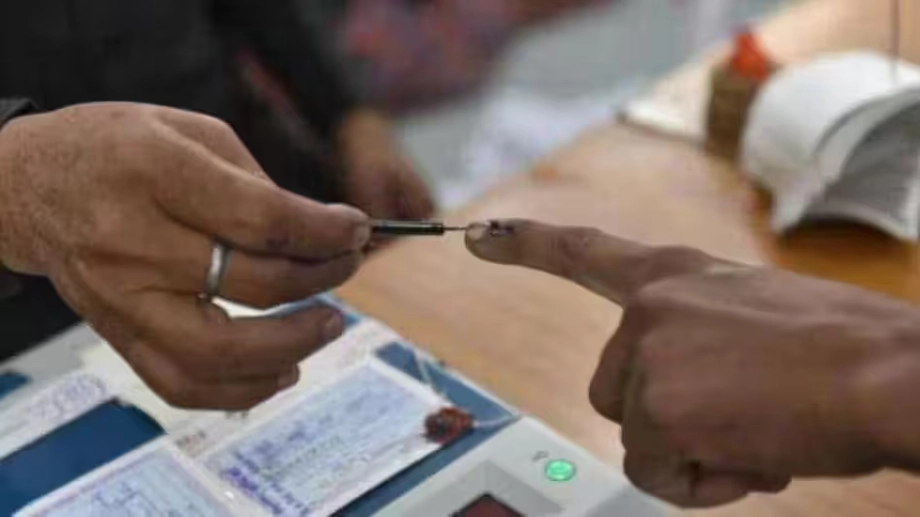
Ghaziabad is seeking to add an estimated one million eligible citizens to its electoral rolls before the 2027 Uttar Pradesh Assembly elections, a registration drive that could substantially expand a district list already containing more than 2.3 million names. Chief Electoral Officer Navdeep Rinwa has directed officials to identify residents who qualify to vote but remain outside the registration system.
Contents
- Nearly One in Three Eligible Residents Is Missing
- Why the Registration Drive Has Become Urgent
- The Dates Residents Need to Know
- Which Form Should a Resident Use?
- Legal Reassurance for Previously Registered Voters
- Household Visits and Housing Associations
- Census Visits Will Help Identify Missing Names
- Uttar Pradesh Will Compare Different Voter Lists
- What Neighbouring Gautam Buddha Nagar Shows
- Accuracy Matters Alongside Adding Names
- Key Points
The campaign forms part of the Special Summary Revision for 2027, the process for adding eligible voters, removing ineligible entries and correcting personal information. Draft rolls for all 403 Assembly constituencies in Uttar Pradesh are scheduled for publication on November 17, 2026. Residents will have until December 16 to submit claims and objections, with the final lists due on January 4, 2027.
Ghaziabad's figures suggest that roughly three in every ten eligible residents are unregistered: about one million missing names alongside more than 2.3 million registered voters. Adding the estimated missing residents would increase the registered electorate by roughly 43%, measured against the existing 2.3 million names.
Rinwa said registration is voluntary and eligible citizens are not automatically enrolled. For residents, the immediate task is to check whether their names appear on the list and apply if they are missing. The campaign combines visits to households, assistance at polling stations and outreach through housing associations, educational institutions and government departments.
Why the Registration Drive Has Become Urgent
Ghaziabad's campaign follows substantial deletions during the Special Intensive Revision, a more extensive exercise to verify electoral rolls. The district's final list published on April 10 recorded about 570,000 deletions, or 20.2% of its previous electorate. Lucknow recorded a higher deletion rate of 22.9%.
Sahibabad accounted for approximately 316,000 of Ghaziabad's deleted names and lost 30.4% of its electorate. Its deletion total was the largest for an Assembly constituency in Uttar Pradesh. The scale makes identifying eligible residents particularly important there.
Other constituencies also saw reductions. About 90,000 names were removed in Loni, nearly 80,000 in Ghaziabad, 70,000 in Muradnagar and 30,000 in Modinagar. Their deletion rates ranged from 7.8% in Modinagar to 16.5% in Ghaziabad.
Officials now need to reach both people seeking registration for the first time and previously registered residents whose names are absent. The estimated one million missing eligible citizens is the campaign's target population; the administration has not published a breakdown showing how many were previously registered and how many have never enrolled.
The Dates Residents Need to Know
The Election Commission has moved publication of Uttar Pradesh's draft rolls from November 12 to November 17, 2026. The closing date for claims and objections has also moved by five days, from December 11 to December 16. January 1, 2027, remains the qualifying date for determining eligibility.
The deadline for deciding applications remains December 28, and final publication remains January 4. Moving the application deadline while retaining the decision deadline reduces the period after applications close from 17 days to 12 days.
- October 17, 18, 24 and 25: Earlier special registration drives were held in Ghaziabad.
- November 10, 2026: Instructions clarified how previously registered voters missing from current rolls could apply using Form 6.
- November 17: Draft electoral rolls will be published across all 403 Assembly constituencies.
- November 21, 22, 28 and 29: Booth Level Officers will receive applications and objections at polling stations during special campaign days.
- December 16: The period for filing claims and objections closes.
- December 28: Officials must complete decisions on claims and objections.
- January 4, 2027: Final electoral rolls are scheduled for publication.
Residents will be able to inspect the draft rolls on the websites of the Uttar Pradesh Chief Electoral Officer and district election officers, at polling stations and at electoral registration offices. Recognised political parties will also receive copies.
Which Form Should a Resident Use?
Form 6 is the application for inclusion in the electoral roll. It is relevant to eligible citizens who have never registered and, under the Commission's clarification, to previously registered voters whose names are missing from the current list.
Form 7 is used to object to an existing entry or request the removal of an ineligible person's name. Form 8 covers corrections to personal information, changes of residence, replacement of an Electors Photo Identity Card and recording a voter as a person with a disability.
Ghaziabad district magistrate and district election officer Ravindra Kumar Mandar has specifically said that people shifting their registration from another constituency or state to Ghaziabad should submit Form 8. A resident already registered elsewhere therefore has a different application route from someone seeking inclusion after finding no current registration.
Rinwa has urged residents to check their own entries and those of family members. Mandar has also directed people to the Voter Service Portal, Voter Helpline app and ECINET app to check registration details. The four special days in November provide an opportunity to seek help from the Booth Level Officer responsible for the polling station.
Legal Reassurance for Previously Registered Voters
The Election Commission's November 10 instructions address a concern about Form 6: its declaration refers to seeking inclusion for the first time. People who were registered before the Special Intensive Revision in 2026 but are absent from the current roll had feared that completing it could expose them to action for a false declaration.
Rinwa said these applicants would face no action under Section 31 of the Representation of the People Act, 1950, merely because they had been registered previously. Section 31 concerns false declarations connected with electoral rolls.
The relief has two conditions. The applicant must not already be registered in another Assembly constituency, and the other declarations in Form 6 must comply with the law. Previously registered residents whose names are now missing can apply through the prescribed process, while residents moving an existing registration should use Form 8.
District election officers have been told to communicate the instructions to electoral registration officers, assistant electoral registration officers and other officials. They must also publicise the clarification so that fear about the declaration does not discourage eligible residents from applying.
Household Visits and Housing Associations
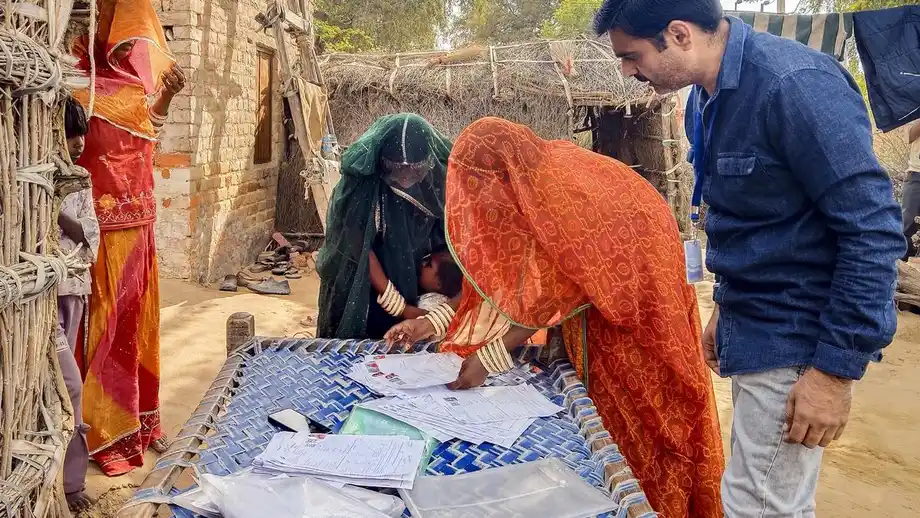
Ghaziabad is deploying Booth Level Officers, the local officials who help maintain voter lists, to visit households and identify missing eligible residents. Each officer has been assigned 350 households across the district's 3,073 polling stations. Five electoral registration officers, 26 assistant electoral registration officers and 865 supervisors will oversee the work.
Mandar said officers would verify existing registrations, identify eligible residents whose names are missing and help them complete Form 6. Department heads have been instructed to release employees assigned election duties from their regular work so they can carry out the exercise.
Resident welfare associations and apartment owners associations have been asked to identify residents who need assistance. Industrial establishments, colleges, other educational institutions and fair price ration shops will also help reach employees, students, parents and local households.
Rinwa described the campaign as a coordinated effort involving government and society. Explaining the role of participating organisations, the Chief Electoral Officer said:
With the cooperation of various government departments, social organisations, resident welfare associations, educational institutions and other bodies, eligible citizens will be identified and motivated to get their names enrolled in the electoral roll.
The Election Commission has named its broader inclusion campaign "No Voter to be Left Behind". In Ghaziabad, housing societies and workplaces provide places where officials can reach residents who have not checked or updated their registration.
Census Visits Will Help Identify Missing Names
Ghaziabad also plans to use contact with households during Census 2027 preparations to identify adults missing from electoral rolls and connect them with Booth Level Officers. Mandar approved the coordination at a meeting reviewing the Census and electoral revision.
The district's Census self enumeration period is scheduled for November 16 to 30, followed by visits to households from December 1 to January 4. Residents identified through those contacts would be directed towards the voter registration process.
The calendars create a practical deadline. The first 16 days of the December household visits overlap with the November 17 to December 16 period for electoral claims and objections. Residents seeking changes during that revision window should submit their applications by December 16, even though Census visits continue into January.
The district's revised polling arrangements include 865 polling centres and 3,073 polling stations, covering the portion of Dhaulana constituency within Ghaziabad. Sahibabad has the largest allocation, with 1,033 polling locations, making it a major focus for registration work as well as election administration.
Uttar Pradesh Will Compare Different Voter Lists
Rinwa estimates that Uttar Pradesh has between 160 million and 170 million citizens aged 18 or above, compared with approximately 135.6 million registered voters. He puts registration at around 84%. Using the population range he gave, the gap is between 24.4 million and 34.4 million people.
The state is also preparing to compare Assembly electoral rolls with the lists used for panchayat and urban local body elections. Panchayats are local governing bodies in rural areas; urban local bodies govern towns and cities. Their voter lists provide officials with another way to identify residents who may need Assembly registration.
The panchayat lists contain about 125.8 million entries, compared with 102 million rural entries in Assembly rolls, a gap of approximately 23.8 million. Urban local body lists contain about 43.2 million entries, compared with 33.1 million urban Assembly voters, a gap of approximately 10.1 million. Officials plan to reconcile the databases and check individual eligibility, with Booth Level Officers helping particularly in rural areas.
Chief Minister Yogi Adityanath has separately alleged that nearly 13 million voters were left out. At an event in Ayodhya on November 7, he cited about 6.6 million people appearing on panchayat lists and 5.5 million welfare beneficiaries, including recipients of LPG connections under the Ujjwala scheme, as groups needing attention.
Adityanath also cited roughly 450,000 to 500,000 newly eligible citizens who had recently turned 18 and were awaiting registration. Comparing records gives election officials specific names to investigate, while applications and verification provide the route to updating the Assembly rolls.
What Neighbouring Gautam Buddha Nagar Shows
Registration reviews in neighbouring Gautam Buddha Nagar offer a useful comparison of the figures officials track. District election officer Medha Roopam gave an estimated 2026 population of 2,834,139 and a registered electorate of 1,527,428, producing an electoral population ratio of 53.89%.
That ratio measures registered voters against the entire population, including children. Ghaziabad's estimated registration gap concerns eligible citizens, so the two districts are being described using different population measures.
Gautam Buddha Nagar's register includes 834,652 men, 692,729 women and 47 transgender voters. Its electoral gender ratio is 830 women for every 1,000 men. The district also records 20,654 voters aged 18 to 19, 7,954 aged 85 or above and 9,420 voters with disabilities.
Dadri has the largest electorate among its three Assembly constituencies, with 617,352 registered voters, followed by Noida with 593,236 and Jewar with 316,840. Such detailed counts help administrators identify where registration assistance and accessible services are needed.
Accuracy Matters Alongside Adding Names
Ghaziabad's drive is taking place amid disputes over intensive electoral revisions elsewhere. Bihar recorded 6.8 million deletions from draft rolls, followed by the restoration of 2.1 million names. West Bengal recorded more than nine million deletions, with more than 3.7 million appeals pending. In Goa, the Bombay High Court ordered the restoration of six voters' names.
Opposition parties have accused the governing National Democratic Alliance of manipulating voter lists and have sought the resignation of Chief Election Commissioner Gyanesh Kumar. Uttar Pradesh's current campaign brings attention to the administrative work needed to identify eligible people, process applications and correct entries before elections.
For Ghaziabad residents, the key opportunity begins with publication of the draft list on November 17. Checking an entry, selecting the appropriate form and applying before December 16 gives officials time to examine the request before the final January 4 list. The household campaign and special polling station days are intended to make that process easier to reach.
Key Points
- Ghaziabad estimates that one million eligible citizens are unregistered, alongside more than 2.3 million registered voters.
- Draft rolls will be published on November 17, 2026, with claims and objections accepted until December 16.
- Special assistance days at polling stations are November 21, 22, 28 and 29.
- Form 6 covers inclusion; Form 8 covers corrections and transfers of existing registration.
- Previously registered voters missing from current rolls can use Form 6 under the Commission's conditional legal clarification.
- Officials must decide claims and objections by December 28. Final rolls are due on January 4, 2027.