Two chances to qualify for a military career
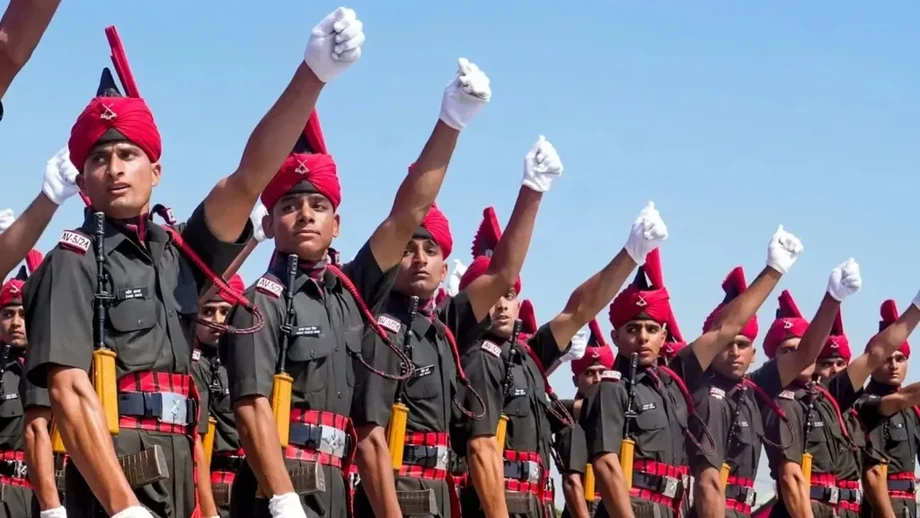
India's Union Cabinet has approved a major revision to the Agnipath military recruitment scheme, offering two additional years of service to the 75 per cent of Agniveers previously expected to leave after four years. Those who complete the extension and want to stay will have another opportunity to enter the regular armed forces, subject to selection standards.
Contents
- Two chances to qualify for a military career
- How the two routes will work
- The timetable and the numbers
- Higher pay and a larger savings package
- Selection and retirement rules need detail
- Why the armed forces want to retain experience
- Veterans disagree over the scale of the change
- Families welcome relief and seek lasting security
- Political support and pressure continue
- Key Points
The decision, announced on Wednesday by Chief of Defence Staff General N.S. Raja Subramani after a Cabinet meeting chaired by Prime Minister Narendra Modi, comes as about 18,300 Agniveers approach the end of their initial engagement. Phased departures had been expected to begin in mid-November 2026 and continue through December.
The existing route for selecting up to 25 per cent of each batch for regular service after four years remains. The other recruits will be offered what Defence Minister Rajnath Singh called a "two-year Second Tour of Duty", depending on their willingness and the assessment of the services.
For recruits and their families, the central change is practical: missing selection at the end of year four will no longer automatically mean an immediate return to civilian life. They can serve longer, receive higher remuneration and seek regular enrolment after six years.
General Subramani described the purpose of the Cabinet decision when announcing it:
The Cabinet has created a pathway for all Agniveers to be absorbed into the Indian Defence Forces.
Permanent enrolment will still depend on meeting the required standards. The revised framework replaces the compulsory exit of most recruits after four years with a further period of service and a second selection opportunity.
How the two routes will work
Agniveers selected on merit within the existing allocation of up to 25 per cent will move into regular service after their initial four years. Under the original framework, those selected were required to serve for a further 15 years under the applicable service conditions.
The remaining 75 per cent will be offered an additional two years. Their continuation will depend on willingness, performance reviews and recommendations from the armed forces. After six years in total, those wishing to remain will be considered for regular enrolment under the prescribed criteria.
General Subramani said the decision followed an assessment of the first recruits during their initial service:
In four years, we assessed them and received very positive feedback about their performance. Initially, only 25 per cent were to be retained. Now, the remaining 75 per cent Agniveers will get a two-year engagement period offer, and their remuneration during this extended period will be higher than their existing emoluments. After completing this extended two-year period, all willing Agniveers will be enrolled in the armed forces, subject to objective selection criteria.
The military assessment covered operational performance, discipline, physical fitness and the ability to adapt to technology. Retaining personnel who have already trained and served gives the forces more time to use those skills while allowing recruits a longer period to build a military career.
The timetable and the numbers
Agnipath began on 14 June 2022 as a recruitment system for soldiers, sailors and air personnel below officer rank. The initial recruitment cycle brought approximately 24,400 personnel into the Army, Navy and Air Force. Its ordinary application age range was 17 years and six months to 21 years, with a temporary increase to 23 for recruitment in 2022.
The figure of approximately 18,300 personnel facing departure corresponds to 75 per cent of that initial intake of 24,400. The remaining quarter would be about 6,100. This shows the scale of the change: the extension is aimed at the much larger group outside the original regular service allocation.
- 14 June 2022: Agnipath was introduced with an initial engagement of four years.
- 2022 recruitment cycle: Approximately 24,400 personnel joined across the three services.
- November 2026: The Cabinet approved an optional extension of two years and another route to regular enrolment.
- Mid-November to December 2026: The first phased departures were expected under the original arrangements.
- After six years of service: Recruits completing the extension can seek regular enrolment, subject to selection.
The extension is therefore being introduced at the point when the first large group would otherwise begin leaving. For those who accept it, the immediate decision shifts from preparing for discharge to continuing service and working towards another assessment.
Higher pay and a larger savings package
The government has promised higher remuneration during the additional two years, a larger Seva Nidhi package and cumulative seniority benefits. Seva Nidhi is the savings payment built from contributions by recruits and the government during their engagement.
Under the original arrangement, the monthly salary package starts at Rs 30,000 in the first year and rises to Rs 40,000 in the fourth. Recruits contribute 30 per cent of their monthly package to the Agniveer Corpus Fund, and the government contributes an equal amount.
A recruit leaving after four years under the original rules would receive a tax exempt Seva Nidhi payment of approximately Rs 11.71 lakh, including interest. The scheme also provides life insurance cover of Rs 48 lakh during the engagement, without requiring a contribution from the recruit.
Agniveers receive allowances connected with matters such as ration, uniform and travel. They do not receive dearness allowance, which helps compensate for rising prices, or Military Service Pay, a separate payment available under regular military pay arrangements.
The financial value of the extension will therefore involve several parts: two more years of earnings, higher remuneration during those years and a larger eventual savings payment. Families will also be weighing the value of another opportunity to qualify for regular service.
Selection and retirement rules need detail
The revised selection process has been described as including a written examination before a physical test, with performance reviews also influencing continuation. The government has yet to publish the full selection benchmarks, the detailed career and retirement terms for recruits entering regular service after six years, or the precise pay, savings and seniority calculations for the extension.
Skill certificates recognising military training and experience are also planned. These could give recruits a record of their abilities when seeking civilian work, particularly if they choose to leave or do not secure regular enrolment.
Agniveers leaving at the end of the extended engagement will not receive a military pension or gratuity under the arrangements described. Medical and canteen access is available during service, but the medical and canteen benefits available to former regular personnel do not continue for those leaving as Agniveers after six years.
For personnel who enter the regular cadre, standard military pay and service rules apply. Pension eligibility generally requires 15 years of qualifying regular service, and the initial four to six years as an Agniveer have been described as excluded from the full pension calculation. The promised seniority benefits during the extension therefore matter separately from the qualifying service used to calculate a pension.
For a family planning household finances, a larger Seva Nidhi payment is a lump sum available on departure, while a pension is a continuing payment after qualifying service. The revised scheme offers more earnings and a longer route towards regular employment, with retirement income depending on the service eventually completed.
Why the armed forces want to retain experience
The Cabinet decision followed months of internal review of performance data and operational needs. General Subramani said the assessments had been positive and presented the extension as consistent with maintaining a youthful force.
Agnipath was introduced to bring younger recruits into the military, improve its technical skills and control spending on salaries and pensions over time. The revision keeps the initial period of four years while giving the services longer access to personnel they have already trained.
Major General Ashwani Siwach, a former head of the Territorial Army, said the extension could preserve operational experience and maturity. He also argued that a longer engagement and another selection opportunity could make recruitment more attractive to young people and their families.
Retired Commodore Gauri Mishra similarly welcomed the retention of trained personnel, describing a benefit for both the recruits and the services. Her assessment captures the balance the military is seeking: younger personnel must also have enough time in uniform to gain experience in their roles.
For an Agniveer who has completed training and several years in a unit, two more years allow continued work alongside experienced colleagues. For the unit, the extension reduces the immediate loss of personnel who already understand its equipment, routines and responsibilities.
Veterans disagree over the scale of the change
Retired Major General Yash Mor, a longstanding critic of Agnipath, described the revision as "more or less a rollback without officially saying so". His concern centres on whether a short initial engagement gives infantry personnel enough time to develop the experience needed in combat.
Mor explained his view of the training and experience required:
It takes at least 7-8 years for an infantryman to become a battle-hardened soldier.
Defence analyst Sushant Singh also criticised the revised model, questioning why the military should operate with several categories of personnel rather than the earlier recruitment structure. The extension creates a further stage between initial recruitment and entry into the regular cadre.
The government presents the decision as a structural reform that retains the objective of a younger, fitter military while widening career opportunities. Critics favour a more direct return to secure regular service. Their disagreement is about the design of military careers as well as the length of the first engagement.
Families welcome relief and seek lasting security
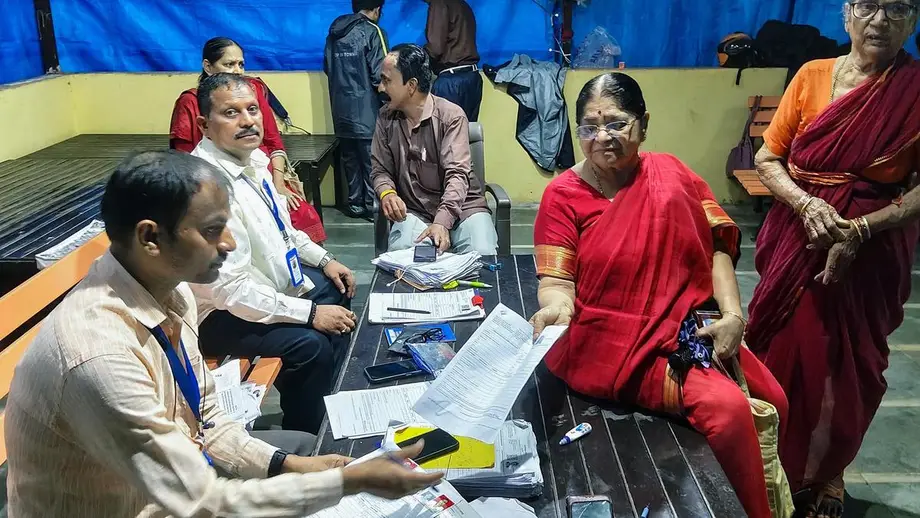
Families in several states welcomed the announcement, although many said their main hope remained a full military career. In Rajasthan's Bharatpur district, Kunwar Singh, whose son Khemkaran joined the Army in 2025, wanted a much longer term.
Kunwar Singh described both his support for the extension and his preference for regular service:
The Agniveers' service should be extended to 15 years. The two-year extension is also a welcome decision.
In Darjeeling district, Naren Pradhan welcomed the decision for his son Abigyan, aged 22, who had opted to continue in the Army. In Gwalior, coaching institute teacher Sanju Parmar said recruitment aspirants had waited four years for a decision giving them another chance at permanent service.
Rajni Devi, the mother of Agniveer Sachin Joshi, aged 22, expressed a similar wish in Uttarakhand's Chamoli district:
We just want him to complete a full service term and retire like any other soldier.
Other families raised concerns beyond pay and tenure. A mother in Raisen wanted recruits to be allowed to marry after four years of service. In Bhind, Jeetu Bhadoriya welcomed what he saw as a fairer chance for his son Anuj to qualify for regular employment.
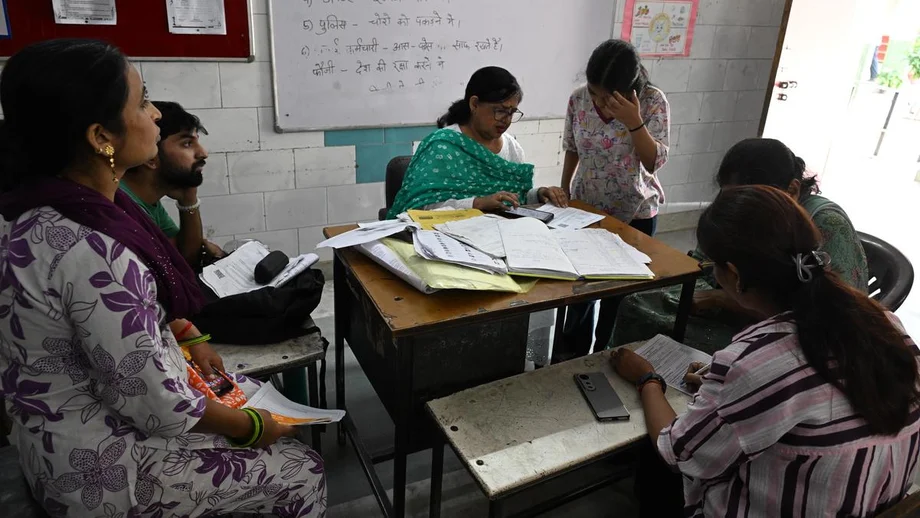
Young people preparing for recruitment at Sandis Compound in Bhagalpur welcomed the extension but sought seven to ten years of service rather than six. They also wanted benefits and social protection comparable to those of regular soldiers. Their response shows why a second selection opportunity matters, while also explaining the continuing demand for a more predictable career.
Political support and pressure continue
Agnipath has faced protests and opposition demands for its withdrawal since 2022, with employment security a central concern. Following the earlier protests, the government announced reservations of 10 per cent in jobs in the defence and home ministries for Agniveers as part of efforts to support their transition.
The revision also comes ahead of Assembly elections in Punjab, Uttarakhand and Himachal Pradesh, states where military recruitment carries political weight. Government sources linked the timing to pressure from young people and the approaching elections, while the military leadership stressed performance assessments and staffing needs.
Uttarakhand Chief Minister Pushkar Singh Dhami welcomed the decision as a step in the interests of young people. BJP representatives argued that the extension would make better use of military training and technical skills. Congress and Rashtriya Janata Dal representatives in Bihar said an additional two years would not provide the lasting employment security they sought.
The immediate result is a longer option for service and another opportunity for regular enrolment. The next practical task is to turn that framework into clear instructions for recruits approaching the end of their first engagement, including how they accept the extension and prepare for selection.
Key Points
- Up to 25 per cent of each Agniveer batch can still enter regular service after four years under the existing selection route.
- The remaining 75 per cent will be offered two additional years, subject to willingness and service assessments.
- Recruits completing six years can seek regular enrolment if they meet the required selection standards.
- The government has promised higher remuneration, a larger Seva Nidhi package and seniority benefits during the extension.
- Approximately 18,300 personnel from the initial recruitment cycle had faced departure under the original arrangements.
- Families welcomed the extra opportunity, while many continued to seek a full military career and retirement security.