Eight New Warships for Two Indian Shipyards
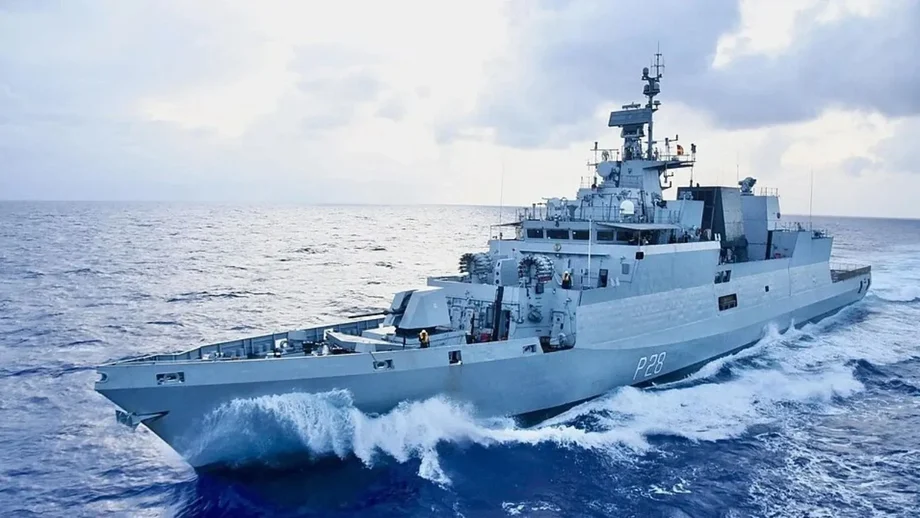
India's Ministry of Defence signed contracts worth Rs 53,866.50 crore on November 2, 2026, for eight Next Generation Corvettes, dividing construction between two state shipbuilders. Garden Reach Shipbuilders and Engineers Limited (GRSE) will build five vessels, while Goa Shipyard Limited (GSL) will build three.
Contents
- Eight New Warships for Two Indian Shipyards
- What the Navy Is Buying
- Five Ships for GRSE, Three for Goa
- From a 2022 Approval to the 2026 Contracts
- Replacing Ships While Expanding Their Tasks
- Why the Indian Ocean Matters
- What the Employment Figures Mean
- A Domestic Design and Manufacturing Programme
- Key Points
The contracts were signed at Kartavya Bhawan-2 in New Delhi in the presence of Defence Secretary Rajesh Kumar Singh, following clearance by the Cabinet Committee on Security on October 28, 2026. The first ship is expected to reach the Indian Navy by 2030, according to officials.
Delivery estimates differ: another account places the start of deliveries by 2031, with both shipyards aiming to launch their first corvettes in late 2029. A complete delivery schedule for all eight ships was not provided.
The vessels are intended for missions ranging from protecting maritime trade routes to searching for submarines and defending coastal waters. They are expected to replace ageing Khukri- and Kora-class ships, bringing newer weapons and detection systems into roles already carried out by the fleet.
The ministry described the programme as the first to combine ships designed indigenously by the Indian Navy with construction by defence public sector undertakings selected through a competitive process. Its importance lies in that combination of naval design, competition for construction contracts and production within India.
The programme also carries a substantial employment forecast. Defence Minister Rajnath Singh said construction would generate about 72 lakh person-days of work at shipyards and 460 lakh person-days in supporting industries and smaller businesses over ten years.
What the Navy Is Buying
A corvette is a relatively small warship, generally smaller than a frigate or destroyer. Its size allows it to serve in coastal and nearby waters while carrying weapons and equipment for combat and patrol duties. The eight vessels ordered under this programme are intended to perform several different tasks.
The ministry said the corvettes would carry advanced missiles, weapons and sensor suites for operations in the air, on the sea surface and below it. A sensor suite is a collection of systems used to detect and track activity around a ship, helping its crew understand where potential threats are coming from.
The planned missions include anti-surface warfare, meaning operations against other ships, and anti-submarine warfare, which involves finding, tracking and countering submarines. Maritime surveillance and reconnaissance involve watching activity at sea and gathering information that can guide naval decisions.
The corvettes are also intended for coastal defence, search and attack missions, and littoral combat. Littoral simply means the area close to shore, where naval operations take place near land, ports and coastal traffic. Together, these duties call for ships that can switch between watching, protecting and fighting.
Other planned roles include offensive attacks using surface-to-surface missiles, escort duties, air defence and participation in surface action groups. The vessels are described as multi-role stealth warships replacing ageing single-role missile corvettes.
Five Ships for GRSE, Three for Goa
GRSE's allocation of five vessels represents 62.5% of the eight ships ordered, while Goa Shipyard's three account for 37.5%. The division gives both state shipbuilders a substantial role in delivering the new class.
GRSE emerged as the lowest bidder when commercial bids were opened in May 2025. The ministry said the shipyards were selected through a competitive process, placing the construction awards within a procurement programme that had already passed through several stages of government approval.
The Navy's role is to provide the indigenous design, while the shipyards turn that design into working vessels. In practical terms, a warship programme must bring together the hull, machinery, electrical systems, weapons and sensors so that they function as one ship.
The ministry expects the work to strengthen cooperation among defence public sector undertakings, private shipyards and Indian industrial partners. Although the final construction contracts belong to GRSE and GSL, the industrial activity is expected to extend to companies supplying materials, equipment and specialist services.
From a 2022 Approval to the 2026 Contracts
The programme began its formal acquisition journey with an estimated cost well below the value of the contracts now signed. In June 2022, the Defence Acquisition Council granted acceptance of necessity at an approximate cost of Rs 36,000 crore. That approval recognised the military need for the proposed purchase and allowed the acquisition process to proceed.
The June 2022 approval also increased the planned order from seven ships to eight. A request for information for seven Next Generation Corvettes had been issued in 2016.
The main steps identified so far are:
- June 2022: The Defence Acquisition Council granted acceptance of necessity for the project at an estimated Rs 36,000 crore, increasing the planned order from seven ships to eight.
- May 2025: Commercial bids were opened, with GRSE emerging as the lowest bidder.
- October 28, 2026: The Cabinet Committee on Security cleared the project, less than a week before the contracts were signed.
- November 2, 2026: The Ministry of Defence signed contracts worth Rs 53,866.50 crore with GRSE and GSL.
- Late 2029: Both shipyards aim to launch their first corvettes.
- By 2030: Officials expect the first corvette to reach the Navy; another account places the start of deliveries by 2031.
The signed contract value is Rs 17,866.50 crore above the approximate figure used in 2022, an increase of about 49.6%. The earlier figure was an initial estimate, while the later amount is the total value of the signed contracts. No detailed explanation of the increase, complete delivery schedule for all eight vessels, or specific weapons and sensor models was given.
Replacing Ships While Expanding Their Tasks
The new corvettes are expected to replace Khukri- and Kora-class vessels. That makes the programme part of fleet renewal: older ships give way to vessels designed around newer combat systems and operational requirements.
The ministry's mission list shows how broad those requirements are. Protecting a trade route calls for a sustained naval presence and the ability to monitor nearby traffic. Searching for a submarine requires attention to underwater threats. Countering a hostile surface ship places different demands on weapons and tracking systems.
A vessel able to undertake several of these duties gives naval commanders more choices when assigning ships. The same class can contribute to coastal security, surveillance or combat deployments, depending on the task and the equipment available.
The expected first delivery in 2030 also places the benefits several years beyond the contract signing. Construction, installation of equipment and preparation for naval service must take place before the ships can carry out the missions described by the ministry.
Why the Indian Ocean Matters
The acquisition comes amid growing maritime security concerns in the Indian Ocean Region, including China's expanding naval presence. India's stated tasks for the corvettes focus on maintaining maritime presence, protecting shipping routes and responding to threats above and below the water.
Trade route protection has a practical purpose: commercial ships need to move through waters where security threats can be detected and addressed. Surveillance vessels help the Navy build a picture of activity at sea, while armed ships provide options when a situation requires a response.
The programme also connects activity farther out at sea with security closer to India's coastline. Its stated missions cover both maritime trade routes and littoral waters, giving the ships responsibilities that extend from coastal approaches to broader naval patrols.
The eight corvettes are therefore being acquired for a combination of routine presence and combat readiness. Their planned weapons and sensors are intended to support both, allowing crews to monitor activity during patrols and undertake military operations when assigned.
What the Employment Figures Mean
Rajnath Singh, India's defence minister, set out the government's employment estimate for the construction programme:
The construction of these ships will generate approximately 72 lakh person-days of employment in the shipyards and 460 lakh person-days in ancillary industries and MSMEs over the next ten years.
A person-day means one person working for one day. The shipyard estimate therefore amounts to 7.2 million days of work, while the forecast for supporting industries and micro, small and medium enterprises (MSMEs) amounts to 46 million days.
Together, those figures total 53.2 million person-days over ten years. They measure the volume of work expected across the programme, rather than the number of people who will hold permanent jobs. A single worker can account for many person-days over months or years.
Supporting industries account for about 86.5% of the forecast work, using the minister's figures. Their estimated 46 million person-days are roughly 6.4 times the 7.2 million forecast for the shipyards themselves. That distribution shows why suppliers and smaller businesses feature prominently in the government's account of the project.
A Domestic Design and Manufacturing Programme
The government has placed the corvette contracts within its drive for Aatmanirbharta, or self-reliance, in defence manufacturing. Rajnath Singh highlighted the use of Indian materials, equipment, technologies and skilled workers, alongside cooperation between public sector shipbuilders and industrial suppliers.
The Navy's responsibility for design gives it a direct role in shaping the vessels around its requirements. Construction at GRSE and Goa Shipyard then turns those requirements into an industrial programme involving shipbuilding capacity, equipment production and skilled labour.
The immediate outcome is a signed order for eight ships. The next major operational milestone is the expected arrival of the first vessel by 2030. For the Navy, the programme promises newer platforms for established maritime duties; for Indian industry, it creates a substantial construction order and demand for supporting work over the coming decade.
Key Points
- The Ministry of Defence signed contracts worth Rs 53,866.50 crore on November 2, 2026, for eight Next Generation Corvettes.
- The Cabinet Committee on Security cleared the project on October 28, 2026.
- GRSE will build five ships, and Goa Shipyard Limited will build three.
- The Indian Navy will provide the indigenous design, with construction assigned through a competitive process.
- The vessels are intended for trade route protection, surveillance, coastal defence and operations against ships and submarines, alongside escort, air defence and participation in surface action groups.
- The first ship is expected by 2030, although another account places the start of deliveries by 2031; both shipyards aim for first launches in late 2029. The class is expected to replace Khukri- and Kora-class vessels.
- The government forecasts 53.2 million person-days of work across shipyards and supporting industries over ten years.