About 30 Million Workers Could Qualify
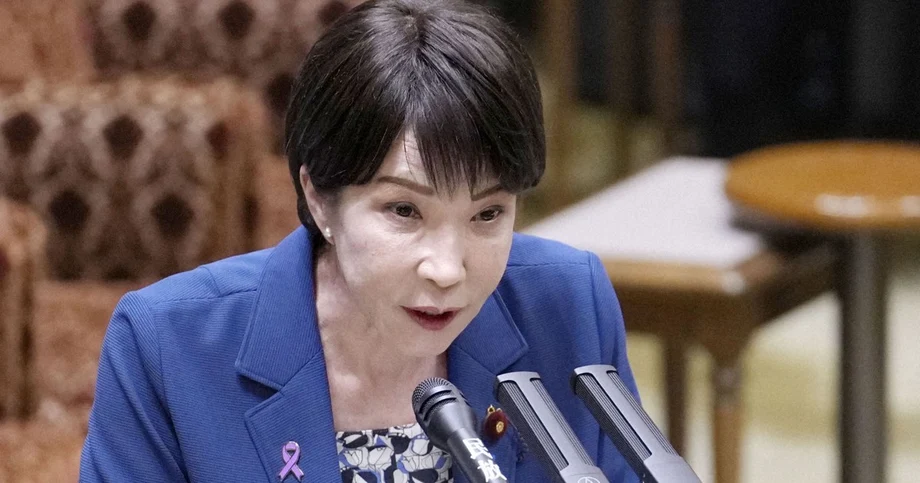
Japan's government is considering expanding a planned cash benefit to at least half of the country's workers, bringing roughly 30 million people into a program intended to ease the pressure of rising prices. Prime Minister Sanae Takaichi outlined the broader coverage on November 13 during deliberations in a special committee of the House of Councillors, parliament's upper chamber.
Contents
- About 30 Million Workers Could Qualify
- How Much Would the Income Limit Rise?
- What Could Families Receive?
- How the Food Tax Cut Would Work
- A Two Year Rollout Before Expansion
- A Larger Recipient List Within a Limited Budget
- Where Would the Money Come From?
- Why Opposition Parties Have Bargaining Power
- Who Gets to Set the Final Rules?
- Key Points
The proposal would expand an earlier plan covering about 20 million workers, or at least 30 percent of those working. The revised estimate would add roughly 10 million recipients, an increase of about 50 percent in the number covered.
Takaichi said the government was considering a basic annual payment of up to about 25,000 yen during the initial rollout in fiscal 2027 and 2028, together with support for people on low incomes and additional payments for children. A household with two working parents and two children receiving the full support could get about 60,000 yen annually.
The cash payments would begin alongside a proposed reduction in the consumption tax on food and nonalcoholic beverages from 8 percent to 1 percent for two years, starting in April 2027. The government plans to expand the benefit program in fiscal 2029, when the food tax returns to 8 percent.
Takaichi, responding to opposition pressure to include more people on middle incomes, described the aim of the wider eligibility rules:
We will work to ensure that the financial assistance reaches a greater number of middle-income working people.
The proposal now faces negotiations over eligibility, funding and parliamentary support. The ruling coalition is four seats short of a majority in the upper house, giving opposition parties a direct role in shaping the package.
How Much Would the Income Limit Rise?
Government reference figures put the expanded group at roughly 30 million workers earning between 1 million and 4.5 million yen annually. The earlier illustration covered about 20 million people earning between 1 million and 3.5 million yen.
Moving the illustrative upper limit from 3.5 million to 4.5 million yen would extend the income range by 1 million yen. For a worker earning between those amounts, the change could mean becoming eligible for support rather than receiving nothing under the earlier illustration.
Takaichi said the government would consider setting the income ceiling so that at least half of workers qualify. Final thresholds, recipient numbers and payment rules will be settled during budget preparations, using updated data. The illustrative income bands therefore remain a guide to the scale being discussed.
Male workers became a particular focus of the debate because opposition lawmakers argued that the earlier plan reached too few of them. Takaichi said the expanded scheme was expected to cover about 40 percent or more of male workers. Women, including many employed for shorter hours, are expected to make up a large share of recipients.
What Could Families Receive?
Takaichi outlined three elements under consideration for the initial program: a fixed payment of about 5,000 yen for people on low incomes, an additional payment of about 5,000 yen per child, and a basic benefit of up to about 25,000 yen annually.
The prime minister's household example was a couple with two children receiving the full amount available to them, totaling about 60,000 yen a year. Spread across 12 months, that is equivalent to about 5,000 yen a month, although no payment schedule was announced.
Families would need to know how the different elements combine and how payments change with earnings before calculating their own entitlement. The 60,000 yen example describes a household receiving full support; the amount for other households would depend on the final rules.
The proposed child supplement would initially cover children aged 15 or younger. From fiscal 2029, the government plans to extend it to children aged 18 or younger, bringing older teenagers into the expanded program.
How the Food Tax Cut Would Work
The bill would reduce the consumption tax on food and nonalcoholic beverages by seven percentage points, from 8 percent to 1 percent. Consumption tax is added to the price of purchases, so a lower rate reduces the tax charged on eligible goods.
For a simple example, food priced at 10,000 yen before tax costs 10,800 yen at an 8 percent rate. At 1 percent, the same purchase would cost 10,100 yen if the price before tax stayed unchanged. The tax difference would be 700 yen.
The income based cash benefit would start at the same time, with an initial budget equivalent to revenue from a 1 percent consumption tax on food. The government intends the payments to provide further relief for eligible workers while the reduced tax remains in place.
The two measures reach households in different ways. Shoppers benefit from a lower tax on eligible purchases, while the cash payments depend on work and income requirements. People living entirely on pensions are a concern for Komeito because they could face the return to an 8 percent food tax without qualifying for the worker benefit.
A Two Year Rollout Before Expansion
Fiscal 2027 and 2028 would be the initial implementation period. Japan's fiscal year begins in April, so the planned April 2027 start would align the cash payments with the food tax reduction.
Fiscal 2029 would bring the larger transition: the temporary tax cut would end and the cash benefit program would move to full implementation. The main dates in the proposal and parliamentary process are:
- November 6: The House of Representatives passed the bill, with all opposition parties voting against it.
- November 13: The upper house special committee began substantive deliberations, and Takaichi proposed broader benefit eligibility.
- Early December: The government and ruling parties aim to secure passage before the parliamentary session ends on December 12.
- April 2027: The proposed food tax cut and initial cash benefit program would begin.
- Fiscal 2029: The food tax would return to 8 percent and the benefit program would expand.
Finance Minister Satsuki Katayama said the basic approach to eligibility after fiscal 2028 would remain similar, while explaining that the precise group covered would depend partly on funding. Households planning beyond the initial two years still lack final income limits and payment amounts for that later stage.
A Larger Recipient List Within a Limited Budget
The government expects to allocate about 600 billion yen annually to the initial benefit program in each of fiscal 2027 and 2028. That is equivalent to the estimated revenue associated with one percentage point of the food consumption tax.
Expanding eligibility within that budget creates a practical choice between reaching more workers and providing larger payments to each person. Dividing 600 billion yen equally among 20 million people would produce 30,000 yen per person. Dividing the same sum among 30 million would produce 20,000 yen.
Actual payments would vary with income and household circumstances, including child supplements. The calculation explains why a wider recipient list puts pressure on the amount available for each worker, even while some people could receive the proposed maximum basic payment.
Democratic Party for the People leader Yuichiro Tamaki has criticized the government's approach, arguing that extending eligibility spreads the money more thinly. Takaichi's proposal answers demands to include more workers on middle incomes, while leaving negotiators to decide how much support should remain concentrated on those earning less.
Where Would the Money Come From?
The tax reduction and accompanying support measures carry an estimated funding requirement of about 10 trillion yen over two years. During committee questioning, Takaichi pointed to several possible sources rather than presenting a completed financing plan.
The prime minister cited tax revenues exceeding earlier estimates by an average of 4.4 trillion yen annually in recent final accounts. She also identified 7 trillion yen in government funds targeted for review, with unnecessary money sitting unused for long periods to be returned to the national treasury.
Takaichi referred separately to about 6 trillion yen in revenue other than taxes that had no designated use, within roughly 9 trillion yen of such revenue in the fiscal year she discussed. These are different categories: extra tax receipts, money recovered from funds and other government income.
Katayama said ministries were already engaged in detailed discussions over spending reviews. The government describes its effort to examine tax breaks, subsidies and funds as a Japanese version of DOGE, borrowing the name of the United States government efficiency initiative.
The budget talks must turn those possible resources into allocations for the package. Unused fund balances can provide money when recovered, while the expanded benefit program planned from fiscal 2029 will require financing beyond the initial two years.
Why Opposition Parties Have Bargaining Power
The Liberal Democratic Party and its coalition partner, the Japan Innovation Party, need outside support in the House of Councillors. Either Komeito or the Democratic Party for the People could provide enough votes to carry the legislation.
Komeito lawmaker Hisatake Sugi pressed Takaichi to expand the benefit to a level that would include workers on middle incomes, suggesting coverage of roughly 40 to 60 percent. Her commitment to consider coverage of at least half was a response to that pressure.
Komeito also wants relief for people who would miss out on the cash payments when the food tax returns to 8 percent, including pensioners. Its secretary general, Makoto Nishida, said on November 13 that the party's opposition remained unchanged because details of the later program were still missing.
The negotiations follow Komeito's coalition departure, which left Takaichi seeking a new parliamentary arrangement during her rise to the premiership. The party that once served as the LDP's longstanding partner now has an opportunity to demand changes from outside the government.
The Democratic Party for the People has proposed a different route: expanded deductions for local residence taxes. A deduction reduces the amount of income used to calculate a tax bill. The party argues that this would help workers who earn too much to qualify for cash benefits.
Who Gets to Set the Final Rules?
The bill leaves income thresholds and payment amounts to a Cabinet order, a rule issued by the government under authority granted by legislation. Parliament would approve the framework, while ministers would set important operational details afterward.
That arrangement gives the government room to negotiate benefit changes without rewriting the bill. Opposition lawmakers argue that it also leaves parliament being asked to approve a program before knowing exactly who will receive money and how much.
Democratic Party for the People lawmaker Kiyoshi Ueda challenged that approach during the committee meeting:
If we give the government a blank check to decide by Cabinet order, there's no need for parliament.
The disagreement has reached the ruling party as well. Four LDP lawmakers, including former Prime Minister Shigeru Ishiba, walked out of the lower house vote in protest and received formal reprimands.
The coalition wants a deal before the December 12 end of the parliamentary session. If the upper house rejects the legislation, an override in the lower house would require support from at least two thirds of lawmakers present. For households, the immediate issue is whether negotiations produce a law with enough detail to explain both the relief beginning in April 2027 and the change when the temporary food tax cut ends.
Key Points
- Takaichi proposes cash benefit eligibility for at least half of workers, roughly 30 million people, compared with an earlier estimate of 20 million.
- The initial basic payment could reach about 25,000 yen annually, with additional support linked to low incomes and children.
- A couple with two children receiving full support could get about 60,000 yen annually.
- The proposed food tax reduction from 8 percent to 1 percent would run for two years from April 2027.
- The cash benefit program would expand in fiscal 2029, when the food tax returns to 8 percent.
- Final eligibility rules, later payment amounts and financing remain under negotiation as the government seeks opposition votes.