Rebuilding money moves into another budget year
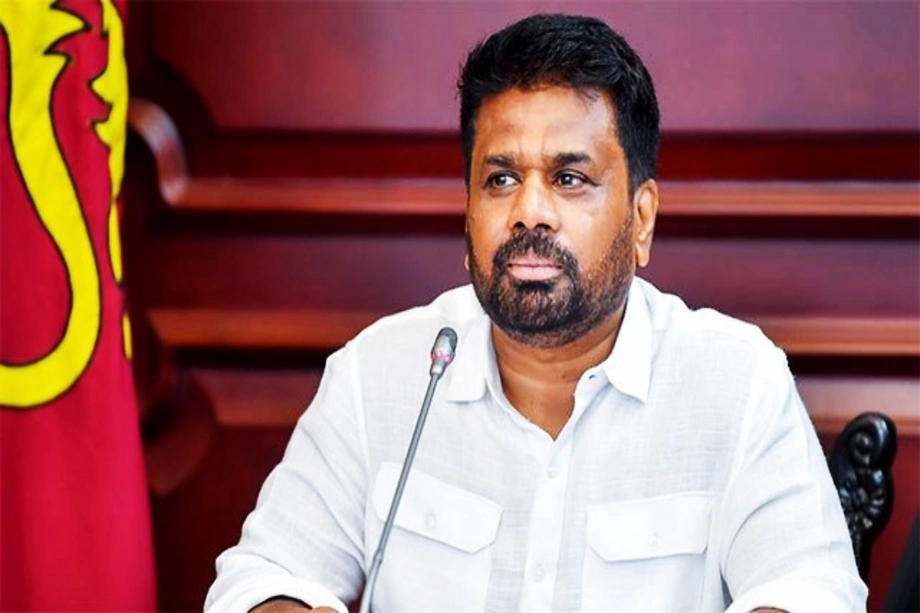
Sri Lanka plans to provide Rs. 260 billion for Cyclone Ditwah reconstruction in 2027, carrying unfinished recovery work into another year and lifting the projected budget deficit from 3.8% to 4.5% of gross domestic product. President Anura Kumara Dissanayake announced the proposal in Parliament on November 12, 2026, while presenting the Budget as Minister of Finance.
Contents
- Rebuilding money moves into another budget year
- What carrying funds forward means
- An earlier approval needs clarification
- Housing and transport take the largest shares
- Irrigation repairs connect recovery to farming
- Slow delivery preceded the carryover
- How reconstruction changes the national budget
- The scale of damage and competing pressures
- From emergency approval to the next votes
- Key Points
Dissanayake said unspent money from a previously approved Rs. 500 billion supplementary estimate would be carried forward and allocated again for reconstruction. He proposed submitting a fresh supplementary estimate immediately after the Budget speech, citing Section 16 of the Fiscal Management Act.
The Rs. 260 billion package includes Rs. 90 billion for housing, Rs. 90 billion for damaged roads, railways and bridges, and Rs. 21 billion for irrigation and related agricultural infrastructure. Financing is expected to come from the government's available cash buffer.
The announcement follows months of slow spending. By the middle of 2026, only about Rs. 40 billion of the Rs. 500 billion reconstruction allocation had been disbursed, leaving nearly Rs. 460 billion unused. For families awaiting homes and communities needing working roads and irrigation, the practical task is turning those budget provisions into completed repairs.
The new proposal also brings a larger spending gap. Including the supplementary estimate, planned government expenditure reaches Rs. 7,933 billion against revenue and grants of Rs. 6,180 billion. Parliament must still consider the spending proposals through the budget process.
What carrying funds forward means
A supplementary estimate asks Parliament to authorise spending beyond the provisions already made in the main budget. Carrying money forward means providing spending authority in the next financial year so that unfinished work can continue.
Dissanayake described Rs. 260 billion as additional budgetary provisions needed to complete reconstruction through 2027. The fiscal breakdown presents that sum as money being provided again through a separate estimate. The announcement leaves the precise accounting relationship between the full unused balance and the Rs. 260 billion unclear.
The Treasury's cash buffer is money already available to help meet government payments. Using it gives the government a financing route for reconstruction, while the expenditure still increases the annual budget deficit. Spending and financing answer different questions: one records what the government pays out, and the other identifies where the money comes from.
For agencies managing rebuilding, renewed budget authority allows projects to continue into 2027. The announcement did not set a completion date for individual housing, transport or irrigation projects.
An earlier approval needs clarification
The history of the reconstruction allocation contains a substantial difference between the President's announcement and an institutional account of the emergency funding process. Dissanayake referred to a previously approved Rs. 500 billion estimate; the Law & Society Trust's legal measures review says the government initially tabled Rs. 500 billion, then submitted a revised Rs. 1,000 billion estimate that Parliament approved.
The document also refers in its opening passage to a Rs. 500 billion supplementary estimate for 2026 as part of the reconstruction financing strategy. It says the larger revised estimate followed updated assessments by ministries and provincial and district administrations.
According to the review, Parliament's approval authorised additional appropriations chargeable to the Consolidated Fund, the government's central public money account. The financing strategy also involved redirecting existing development projects and seeking domestic, foreign, public and private contributions through the Rebuilding Sri Lanka Fund.
The December 2025 approval process and the November 2026 announcement therefore require an accounting reconciliation to show how the different authorisations fit together. That matters for tracking how much Parliament approved, how much agencies spent and how much authority is being requested again.
Housing and transport take the largest shares
Housing and transport together account for Rs. 180 billion of the proposed Rs. 260 billion reconstruction package. Each receives Rs. 90 billion, giving the two areas a combined share of about 69.2%.
The Rs. 21 billion irrigation allocation takes the three identified categories to Rs. 201 billion, or about 77.3% of the package. The remaining Rs. 59 billion falls outside those three headline allocations.
Housing reconstruction addresses damaged living space, while repairs to roads, railway lines and bridges restore connections between communities, jobs and public services. The allocations put both private household recovery and shared infrastructure at the centre of the 2027 effort.
The transport reconstruction money sits alongside a main Budget allocation of Rs. 251 billion for highways, expressways and railways. Those figures describe different parts of the spending programme. The Rs. 90 billion within the Ditwah estimate is directed at cyclone damage, while the wider transport programme also includes development projects.
Irrigation repairs connect recovery to farming
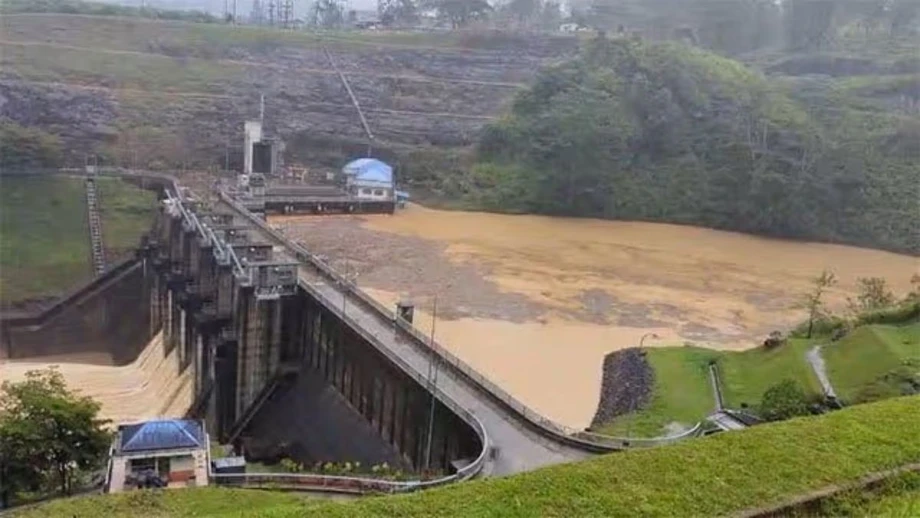
The Rs. 21 billion agricultural infrastructure provision covers cascade tanks, minor irrigation systems and related repairs. The proposals also identify agricultural roads damaged by the cyclone.
Cascade tanks are connected reservoirs that store and pass water through a local network. Restoring that network helps farms receive water across the area it serves. Agricultural roads provide the routes farmers use to bring in supplies and move crops to markets.
The reconstruction provision comes alongside a wider Rs. 77 billion irrigation allocation in the 2027 Budget. Together, the proposals place disaster repairs within a broader programme of water infrastructure investment.
A further Rs. 5 billion is proposed for El Niño risk mitigation and emergency response. The Budget identifies an expected peak in February 2027, with risks to farming, food prices, water supplies and hydropower. Sri Lanka is therefore budgeting for unfinished cyclone repairs while preparing for another weather risk.
Slow delivery preceded the carryover
The reconstruction carryover follows slow rebuilding expenditure recorded earlier in 2026. The World Bank's October Sri Lanka Development Update put disbursements at about Rs. 40 billion from the Rs. 500 billion allocation by the middle of the year, equivalent to 8%.
The Bank identified weaknesses in project selection, procurement and implementation capacity. Procurement is the process public agencies use to select suppliers and award contracts. A project can have money allocated to it while still waiting for designs, approvals or a contractor.
The wider capital budget showed similar delays: only 16.7% of the annual allocation had been used by June. Revenue, meanwhile, rose 27.2% from a year earlier, compared with expenditure growth of 7.9%. The government recorded a first half budget surplus of Rs. 9.5 billion.
Dissanayake attributed part of the unused reconstruction funding to changing geopolitical and wartime conditions in the Middle East. The Budget also describes fuel price pressures linked to the conflict. The delivery challenge consequently involves both the external conditions affecting costs and the domestic processes needed to get projects under way.
The Rs. 260 billion provision renews financial support for the work. Progress during 2027 will depend on agencies moving projects through those stages and paying for completed construction and repairs.
How reconstruction changes the national budget
The main 2027 Budget projects spending of Rs. 7,673 billion and revenue and grants of Rs. 6,180 billion, leaving a deficit of Rs. 1,493 billion. Adding the Ditwah estimate raises spending to Rs. 7,933 billion and the deficit to Rs. 1,753 billion.
The deficit consequently increases from 3.8% to 4.5% of GDP, the value of goods and services produced in the economy. In rupee terms, the Rs. 260 billion addition makes the planned deficit about 17.4% larger than the main Budget figure.
The supplementary package contains Rs. 250 billion in public investment and Rs. 10 billion in recurrent spending. Public investment pays for lasting assets, while recurrent spending covers continuing expenses and transfers. With the additional investment, the government's capital programme rises from Rs. 1,750 billion to Rs. 2,000 billion, or 5.12% of GDP.
The detailed Budget therefore explains how the capital spending plan outlined before the speech reaches Rs. 2 trillion. The reconstruction investment forms one eighth of that total: Rs. 250 billion out of Rs. 2,000 billion.
The primary surplus, which measures the balance before interest payments, falls from Rs. 1,150 billion to Rs. 890 billion after the supplementary estimate. Its share of GDP declines from 2.9% to 2.3%. Interest itself is budgeted at Rs. 2,643 billion, placing a large continuing claim on government revenue alongside reconstruction.
The scale of damage and competing pressures
The Post-Disaster Needs Assessment cited in the Budget puts Cyclone Ditwah's damage and losses at USD 3.4 billion, approximately Rs. 1.022 trillion. The World Bank's earlier rapid assessment estimated physical damage at USD 4.1 billion. The two assessments use different measures and assessment processes.
The Rs. 260 billion provision is equivalent to about a quarter of the Rs. 1.022 trillion damage and loss estimate. It is an annual reconstruction allocation, while damage and loss assessments measure the disaster's economic impact.
The Middle East conflict has added another major demand on public resources. The Budget says more than Rs. 147 billion was spent cushioning the effects of the war and the Strait of Hormuz closure on fuel prices. By September 2026, the fuel import bill had reached USD 4,487 million, compared with USD 4,042 million in the comparison figure cited for 2025.
Sri Lanka also plans Rs. 230 billion for social protection, including Aswesuma, and Rs. 131 billion in capital spending for public health services. Reconstruction sits within a budget that must sustain everyday services, support vulnerable households and meet debt costs while replacing damaged assets.
From emergency approval to the next votes
The funding process now stretches from the emergency parliamentary arrangements in December 2025 to spending proposals for 2027. The main dates show how the recovery has moved through successive stages of approval and implementation.
- December 12, 2025: Gazette Notification No. 2466/33 convened a special parliamentary sitting to consider emergency funding.
- December 18 and 19, 2025: The special sitting was scheduled, with the second day set aside for approval of a supplementary estimate.
- Middle of 2026: About Rs. 40 billion of the Rs. 500 billion reconstruction allocation had been disbursed.
- November 12, 2026: Dissanayake announced the carryover and proposed the Rs. 260 billion supplementary provision.
- November 20, 2026: Parliament's scheduled second reading vote on the Budget.
- December 14, 2026: Parliament's scheduled third reading vote on the Budget.
The government proposed submitting the reconstruction estimate immediately after the Budget speech. The parliamentary timetable gives the next main Budget voting dates, while the supplementary spending request requires its own parliamentary consideration.
For affected communities, the next practical milestones are project approvals, contracts, payments and completed work. The 2027 proposal provides a financial framework for continuing the recovery after a year in which much of the allocated money remained unused.
Key Points
- Sri Lanka proposes Rs. 260 billion for Cyclone Ditwah reconstruction in 2027, financed from its available cash buffer.
- Dissanayake said unused funding from an earlier Rs. 500 billion estimate would be carried forward and allocated again.
- Housing and damaged transport infrastructure each receive Rs. 90 billion; irrigation and related agricultural infrastructure receive Rs. 21 billion.
- The supplementary estimate raises projected spending to Rs. 7,933 billion and the deficit to 4.5% of GDP.
- Only about 8% of the Rs. 500 billion reconstruction allocation had been disbursed by the middle of 2026.
- An institutional review records a revised Rs. 1,000 billion emergency approval, requiring reconciliation with the Rs. 500 billion figure cited in the announcement.
- The main Budget votes are scheduled for November 20 and December 14, 2026.