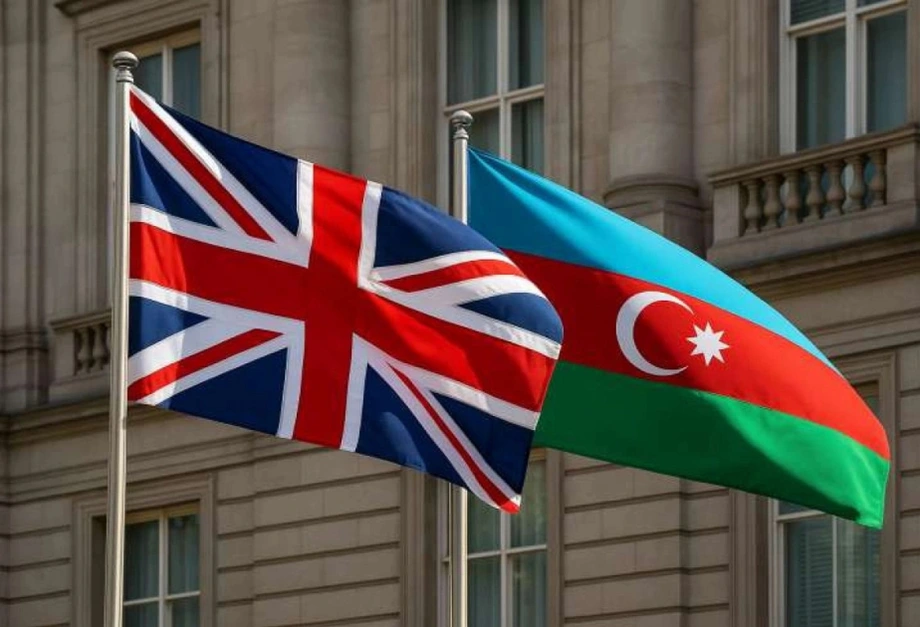
Dublin declaration sets three areas for closer ties
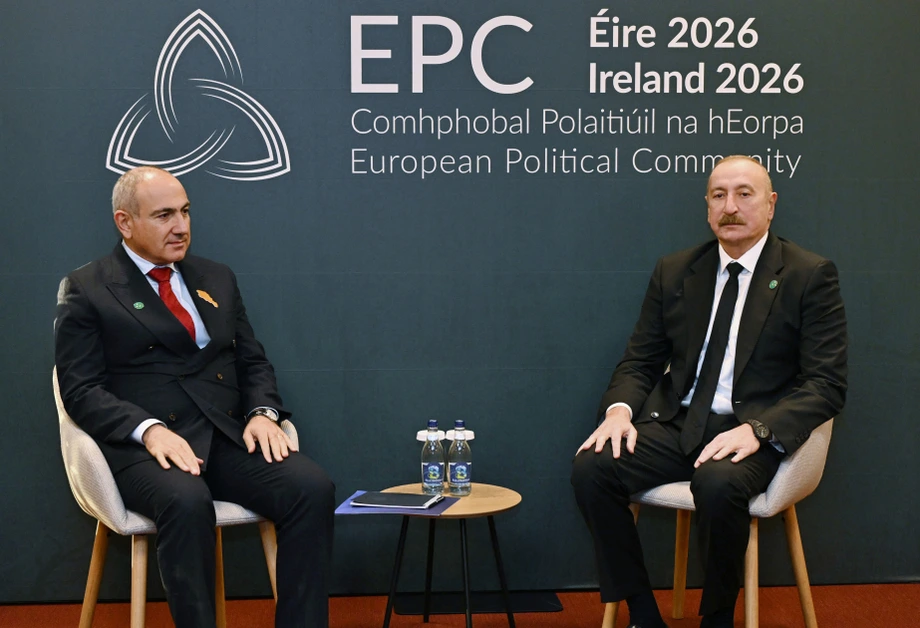
Azerbaijani President Ilham Aliyev and UK Prime Minister Andy Burnham signed a strategic partnership declaration in Dublin on 12 November 2026, setting out cooperation on defence, trade and education, with specific plans covering the Middle Corridor, green finance and artificial intelligence.
Contents
- Dublin declaration sets three areas for closer ties
- A relationship built through earlier declarations
- Support for peace between Azerbaijan and Armenia
- Defence cooperation focuses on training and coordination
- Trade plans put the Middle Corridor at the centre
- Clean energy plans connect investment with energy security
- Financial cooperation includes smaller businesses
- Universities and industry are part of the technology agenda
- Annual meetings will connect promises with practical work
- Key Points
The declaration was adopted during the ninth European Political Community Summit. It organises cooperation into three pillars: defence and security; trade, investment and growth; and education and innovation. An annual Strategic Partnership meeting will review progress across all three and agree on practical follow-up.
The two governments also assign a central economic role to the Joint Intergovernmental Commission on Trade and Economic Cooperation. That commission will be the principal platform for advancing joint initiatives on investment, economic diversification, Middle Corridor development and energy.
For businesses, universities and public institutions, the agreement creates a shared agenda for developing projects together. Its economic priorities connect transport infrastructure with financing and workforce skills, while its security provisions cover military training, policing, border management and legal cooperation.
Delivery will depend on resources and the laws and regulations of each country. The declaration gives no funding total, list of approved projects or date for the first annual meeting. Its immediate practical change is to establish common priorities and a recurring process for turning them into programmes.
A relationship built through earlier declarations
The Dublin agreement recalls two earlier documents that shaped relations between Azerbaijan and the United Kingdom. The first concerned friendship and cooperation in 1994; the second addressed friendly relations and partnership in 1998.
The main dates named in the new declaration trace both the bilateral relationship and the regional peace process:
- 23 February 1994: The countries adopted the Joint Declaration on Friendship and Cooperation.
- 21 July 1998: They adopted the Joint Declaration on Friendly Relations and Partnership.
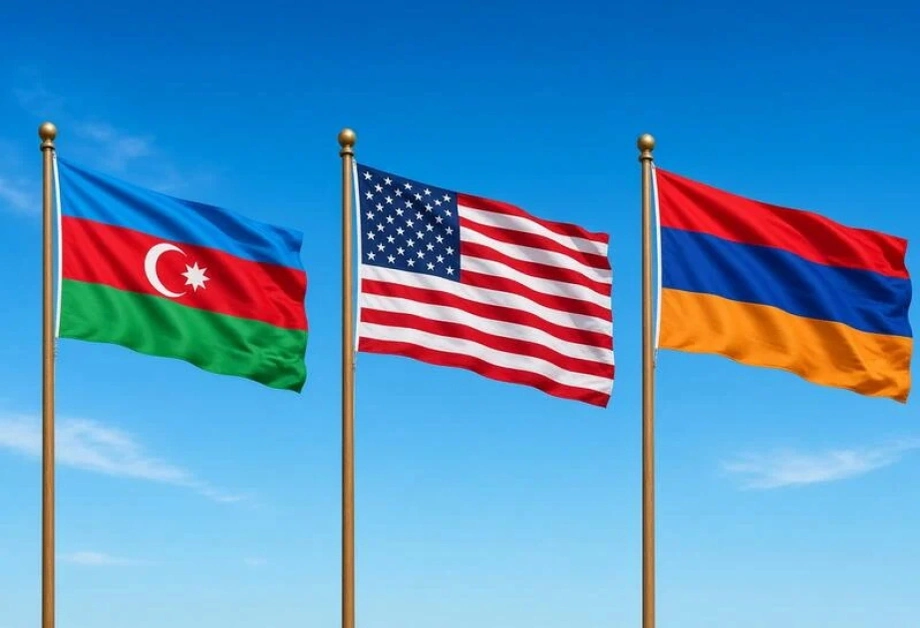
- 8 August 2025: The Washington Peace Summit Declaration marked a step in efforts to normalise relations between Azerbaijan and Armenia.
- 12 November 2026: Azerbaijan and the UK adopted the strategic partnership declaration in Dublin.
The new declaration comes 32 years after the 1994 document and 28 years after the 1998 agreement. It brings security, economic development and skills cooperation together under one framework, with an annual review intended to keep work moving between major diplomatic meetings.
Support for peace between Azerbaijan and Armenia
The United Kingdom reaffirms support for efforts by Azerbaijan and Armenia to achieve lasting regional peace through direct dialogue. The declaration welcomes steps taken towards normalising their relations after the Washington Peace Summit Declaration of 8 August 2025.
Azerbaijan and the UK also reaffirm their commitment to the United Nations Charter and international law. They specifically name respect for sovereignty, independence, territorial integrity and internationally recognised borders. In plain language, these principles concern the right of countries to govern themselves and have their territory and borders respected.
The peace language sits alongside commitments to stronger defence cooperation and greater regional connectivity. The declaration therefore places the bilateral partnership within a wider regional agenda: supporting dialogue while developing institutions, transport links and economic relationships that the two governments associate with stability.
Defence cooperation focuses on training and coordination
Military cooperation will concentrate on training, capacity building and interoperability. Capacity building means improving the skills and institutions needed to perform a task. Interoperability means helping different forces, equipment or procedures work together effectively.
Azerbaijan and the UK intend to maintain senior political engagement and coordinate more closely on bilateral, regional and international issues of shared interest. They will also explore cooperation between their defence industries, including possible joint initiatives in areas where their interests meet.
Police, border authorities and legal institutions are included in the security pillar. The declaration calls for stronger partnerships between law enforcement agencies, cooperation in border management, and judicial and legal collaboration, with the stated aim of strengthening the rule of law and institutional resilience.
The two countries also intend to cooperate in multilateral forums where their interests align. This gives the security agenda several levels, from practical work between agencies to coordination in international organisations, while leaving individual initiatives to be developed through further engagement.
Trade plans put the Middle Corridor at the centre
The Middle Corridor is a named priority in the economic pillar. This transport route connects Asia and Europe through Central Asia, the Caspian Sea and the South Caucasus. Azerbaijan occupies a connecting position along that route.
The declaration commits the two countries to supporting its development alongside transport, logistics and infrastructure projects that help goods and investment move across borders. Logistics is the work of organising the movement, storage and delivery of goods, including transfers between different forms of transport.
Renewable energy, infrastructure and services are identified as priority sectors for broader commercial cooperation. The governments intend to encourage business partnerships, exchanges of knowledge and links between companies that generate jobs, skills and value in both economies.
The economic agenda links connectivity with diversification, meaning the development of a wider range of businesses and sources of income. Transport projects, service companies and investment partnerships are presented as connected parts of that effort. The intergovernmental commission will provide the main forum for advancing the joint economic initiatives.
Clean energy plans connect investment with energy security
Azerbaijan and the UK plan to cooperate on renewable energy development, green finance and technologies that produce fewer carbon emissions. The declaration links this work to climate resilience, sustainability, progress towards net-zero objectives and energy security.
Green finance means money directed towards projects with environmental goals, such as renewable power. Net zero means balancing the greenhouse gases released into the atmosphere with the amount removed. Climate resilience concerns the ability of communities, infrastructure and economies to cope with climate effects.
The agreement places energy cooperation within both the environmental and economic agendas. Projects may require financing, technical knowledge and commercial partners, which are also priorities elsewhere in the declaration. For companies and workers, the intended opportunities therefore extend beyond electricity generation to the services and skills needed to develop and operate projects.
Financial cooperation includes smaller businesses
Financial and capital markets form another part of the proposed partnership. These markets help governments and businesses raise money, including through borrowing and investment. The countries intend to explore closer cooperation through dialogue between relevant authorities and financial institutions.
The priorities include sustainable investment, trade finance, green finance and support for small and medium-sized enterprises, commonly called SMEs. Trade finance helps companies manage payments and risks when buying or selling goods across borders. For a smaller business, access to such services can affect whether it can take on an international order.
The declaration also calls for exchanges of knowledge and cooperation between institutions to strengthen financial resilience, transparency and access to international markets. Resilience means being better able to withstand financial shocks; transparency means making information and processes easier to understand and examine.
Finance connects several parts of the agreement. Infrastructure requires investment, international commerce requires payment arrangements, and renewable energy projects require capital. By placing these subjects in the same economic pillar, the governments create a forum for discussing the financing alongside the projects themselves.
Universities and industry are part of the technology agenda
Artificial intelligence, digital governance, emerging technologies and life sciences are named priorities in the education and innovation pillar. The declaration calls for partnerships among universities, research institutions and industry, bringing research and commercial activity into the same programme of cooperation.
Artificial intelligence refers to computer systems that perform tasks such as recognising patterns or generating text. Digital governance concerns how public authorities use and oversee digital technology. Life sciences cover the study of living things, including research relevant to health and medicine.
The two countries intend to exchange expertise with particular attention to skills development, transparency and inclusive growth. Inclusive growth means seeking economic benefits that reach a broad range of people. Those priorities place the ability to understand and use technology alongside the development of the technology itself.
Education cooperation extends beyond university research. The declaration names higher education, vocational education and training, digital and technical skills, and training for executives and public sector employees. Vocational education prepares people for particular occupations, giving this pillar a direct connection to employment and the needs of public institutions.
Annual meetings will connect promises with practical work
The annual Strategic Partnership meeting is intended to review progress, set future priorities and agree on practical follow-up across defence, economic cooperation and education. The intergovernmental commission has a more focused role as the main platform for joint economic initiatives and technical dialogue.
The declaration also supports exchanges between people, professional networks and direct engagement with communities. These provisions give universities, researchers, businesses and civil society a place in the partnership alongside government departments. Their participation will be part of translating diplomatic commitments into working relationships.
Azerbaijan and the UK adopted the document in two original copies, in Azerbaijani and English, with both texts equally authentic. Across its three pillars, the agreement establishes a broad programme whose delivery will rely on follow-up decisions, institutional cooperation and the resources available to each side.
Key Points
- Ilham Aliyev and Andy Burnham signed the declaration in Dublin on 12 November 2026.
- The partnership covers defence and security; trade, investment and growth; and education and innovation.
- Economic priorities include the Middle Corridor, renewable energy, green finance and support for smaller businesses.
- Security cooperation includes military training, policing, border management and legal collaboration.
- Technology plans cover artificial intelligence, digital governance, emerging technologies and life sciences.
- Annual meetings will review progress, with cooperation dependent on resources and each country's laws.