Screening drive confronts years of silent damage
Vietnam is targeting about 1,500 people for diabetes screening from November 9 to 14, 2026, as health authorities call for earlier diagnosis of a disease estimated to have affected 8 million adults in 2022. Research behind the campaign reveals two persistent problems: complications affected 55% of patients in a large insurance dataset, while only 36.1% of patients in a hospital study met its blood sugar target.
Contents
- Screening drive confronts years of silent damage
- What the headline numbers actually measure
- Blood sugar control improved, yet most missed the target
- Complications reach beyond blood sugar
- Eye care programme aims to bring checks closer
- Families pay costs outside the hospital bill
- A severe case shows the danger of stopping treatment
- Screening must lead to continuing care
- Where the November activities fit
- Key Points
The figures describe different groups and years. The 55% comes from records covering nearly 1.4 million insured patients with type 2 diabetes in 2017. The blood sugar result comes from 1,631 patients studied at 43 hospitals in 2015. Together, they show why Vietnam's response extends beyond finding new cases to improving care for people already receiving treatment.
The government's November 10 announcement sets out screening, specialist consultations and a November 14 online session coordinated with the Ministry of Health's Medical Services Administration. The campaign's message is to act before symptoms or organ damage make the disease harder to manage.
Tran Quang Nam, head of endocrinology at University Medical Center Ho Chi Minh City, has warned that type 2 diabetes can develop quietly over many years. Some people seek medical help only after damage has affected their heart, kidneys, eyes or nerves. For families, that can mean managing several illnesses at once, paying for repeated hospital trips and losing income when a patient or caregiver cannot work.
What the headline numbers actually measure
The estimate of 8 million Vietnamese adults with diabetes refers to people aged 18 and older in 2022. It comes from research by the NCD Risk Factor Collaboration published in The Lancet in 2024. Most diabetes cases discussed in the screening campaign are type 2.
An eye care initiative also cites about 7 million people with diabetes aged 30 to 69. That estimate covers a narrower age group than the adult estimate. The age ranges matter when explaining how many people need screening, continuing treatment and checks for complications.
The strongest evidence on the 55% complication figure comes from an insurance costs study using the Vietnam Health Insurance System database. Researchers identified 1,395,204 patients with type 2 diabetes in 2017 and classified complications using diagnoses recorded in their insurance records.
Their separate survey of 315 insured patients found complications in 48%. That smaller group was recruited at national, provincial and district hospitals between June 1 and July 30, 2018; the 55% figure describes the much larger insurance population. This gives readers a more precise picture of whose health the figures describe.
Blood sugar control improved, yet most missed the target
The DiabCare Asia study examined routine outpatient care at 43 Vietnamese hospitals between April and August 2015. Participants had an average age of 62.7 years and had lived with diagnosed diabetes for an average of 9.5 years. Its findings describe people already engaged with hospital services.
Researchers measured HbA1c, a blood test that reflects average blood sugar over roughly the previous two to three months. Unlike a glucose reading taken at one moment, it helps clinicians assess how well treatment is working over time. The study used an HbA1c below 7% as its target.
Only 36.1% met that target. Average HbA1c was 7.9%, and 12% of participants had a level of at least 10%. The study authors summarized the situation in their conclusion:
In this sample of patients with T2DM in Vietnam, the majority had poor glycemic and metabolic control.
Vietnam's earlier DiabCare survey in 1998 found that 18% met the same HbA1c target and average HbA1c was 8.9%. By 2015, the share reaching the target had roughly doubled, rising by 18.1 percentage points. Progress was substantial, but most participants still needed better control. The authors cautioned that their hospital sample might not represent everyone with type 2 diabetes in Vietnam.
Complications reach beyond blood sugar
Eye complications affected 39.5% of participants in the 2015 hospital study, peripheral neuropathy affected 37.9%, cardiovascular complications affected 33.4%, and kidney complications affected 24.1%. Patients could have several complications, so the percentages overlap.
Peripheral neuropathy means damage to nerves outside the brain and spinal cord, often affecting sensation in the feet and hands. Kidney damage can weaken the body's ability to filter waste, while cardiovascular disease affects the heart and blood vessels. Angina, chest discomfort associated with reduced blood flow to the heart, was recorded in 19.9% of study participants.
High blood pressure affected 78.4% of participants, and 81.2% had dyslipidemia, meaning unhealthy levels of cholesterol or other blood fats, or treatment for that condition. These findings show why diabetes appointments need to address blood pressure and cholesterol alongside glucose.
The study also recorded the effects on daily life. About 32.6% reported moderate pain or discomfort, and 26.8% reported moderate anxiety or depression. Preventing complications therefore concerns more than laboratory results: it concerns whether people can move comfortably, work, see and manage everyday responsibilities.
Eye care programme aims to bring checks closer
Vietnam's For Vietnamese Eyes programme is seeking to connect diabetes care with earlier detection of eye disease. An agreement signed in October 2025 brought together the Medical Services Administration, the National Eye Hospital, Ho Chi Minh City Eye Hospital, Roche Pharma Vietnam and Orbis in Vietnam.
The programme plans to support more than 100 doctors, nurses and technicians and benefit more than 20,000 patients at six hospitals through the end of 2027. Its approach links endocrinology, general medicine and ophthalmology, so patients can move from screening to diagnosis, treatment and continuing follow-up within a connected care process.
Diabetic retinopathy damages the tiny blood vessels in the retina, the tissue at the back of the eye that senses light. Diabetic macular edema involves swelling in the part of the retina used for detailed central vision. Both can develop quietly, making regular examinations valuable even when someone has noticed no change in sight.
The programme cites a World Health Organization estimate that about one third of people with diabetes have some degree of retinopathy. It also states that more than 80% of diabetes related vision loss can be prevented or treated effectively with early detection, and encourages an eye examination at least once a year.
Equipment support includes a colour retinal camera with artificial intelligence at Thu Duc Regional General Hospital, following an earlier donation to Ba Ria–Vung Tau Eye Hospital. The programme supports the national blindness prevention strategy's goal of having more than 75% of people with diabetes examined and managed for eye complications.
Families pay costs outside the hospital bill
The insurance costs study estimated US$239 million in direct nonmedical costs and indirect losses associated with type 2 diabetes in 2017. It used insurance records, patient interviews and economic data to calculate expenses and lost production beyond the cost of medical treatment itself.
Direct nonmedical costs totaled an estimated US$78 million. These included transport, meals for patients and caregivers, nonprescribed supplements and other expenses connected with obtaining care. Indirect costs totaled US$161 million, including losses from missed work, reduced productivity while working and premature death.
Reduced productivity at work, known as presenteeism, accounted for about US$118 million, or 49% of the combined US$239 million estimate. This captures a cost that can be easy to overlook: a person may remain at work while illness reduces how much they can accomplish.
Patients with complications had projected annual nonmedical costs of US$74, compared with US$34 for those without complications, more than twice as much. Estimated annual losses from missed work were US$74 versus US$49 among the working population assessed.
The researchers said the estimates could be understated because undiagnosed diabetes and disability costs were excluded, while productivity losses were calculated only for people within the study's working age limits. All amounts were expressed in 2017 US dollars. For households, the findings explain why an insured hospital visit can still carry a considerable financial burden.
A severe case shows the danger of stopping treatment
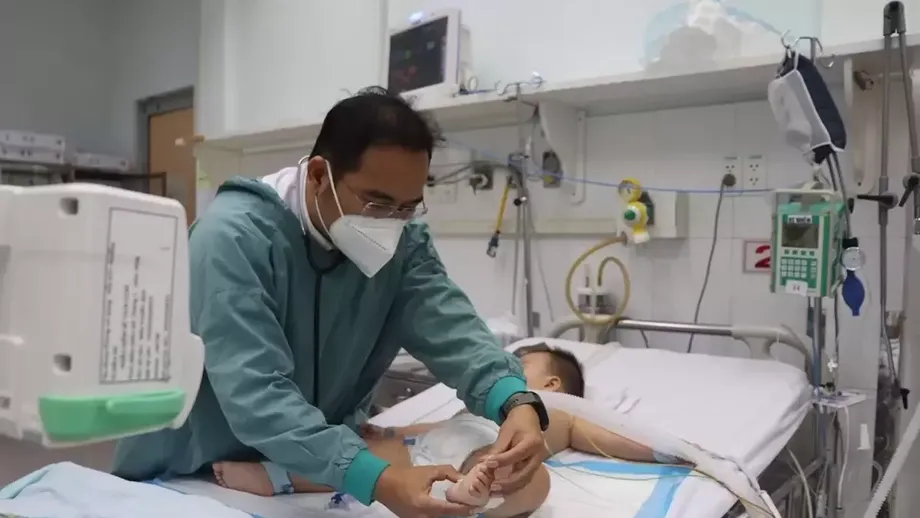
Doctors at the National Hospital of Endocrinology treated a 55-year-old man who had lived with type 2 diabetes and high blood pressure for about five years. Concerned about medicine side effects and afraid of insulin injections, he stopped following his prescribed treatment and used unverified remedies.
He arrived with severe hyperglycemia, meaning very high blood sugar, and a hyperosmolar crisis, in which extreme glucose levels and severe fluid loss disrupt the body's normal balance. He also had cellulitis, an infection of skin and underlying tissue, followed by sepsis and septic shock, a dangerous condition involving organ dysfunction and severely impaired circulation.
Nguyen Cong Binh, deputy head of the hospital's Emergency Department, warned that the patient's condition carried a high risk of death without intensive treatment, with possible brain injury, coma or failure of multiple organs. Doctors provided intensive resuscitation, antibiotics, fluids, electrolyte replacement and control of blood sugar and blood pressure.
The patient survived the immediate crisis but still required intensive monitoring and treatment. Hospital doctors advised patients to discuss side effects or difficulties with their clinician rather than stopping, reducing, changing or replacing prescribed medicines themselves. Fever, infection, severe fatigue or worsening health should prompt medical assessment.
Screening must lead to continuing care
Nam advises particular attention to regular glucose checks for people who are overweight or obese, physically inactive, have high blood pressure or have a family history of diabetes. Fasting and after meal glucose measurements can help doctors identify abnormal blood sugar and decide what further assessment or treatment is needed.
The International Diabetes Federation lists excessive thirst, frequent urination, fatigue, blurred vision and unexplained weight loss among common symptoms. Type 2 diabetes can also progress without obvious symptoms, so the government's advice is to seek risk assessment and testing before warning signs appear.
The 2015 hospital study found practical gaps after diagnosis. Some 40.6% of participants never tested their own glucose, 9% did not fully follow prescribed medication schedules, and 10.7% did not fully attend scheduled appointments. Over the preceding two years, 62% had been screened for eye complications and 46.4% for peripheral neuropathy.
Blood sugar management also requires attention to levels falling too low. Mild hypoglycemia symptoms were reported by 39.7% of participants over the previous three months. Among those reporting hypoglycemia, 88.6% checked glucose only occasionally or never during an episode. Follow-up therefore needs to help patients understand both high and low glucose, use medicines safely and obtain checks for organ damage.
Where the November activities fit
The screening campaign involves the Ministry of Health, the Vietnam Medical Association, Novo Nordisk Vietnam and participating hospitals. Five facilities are named: Can Tho City General Hospital, University Medical Center Ho Chi Minh City, the National Hospital of Endocrinology, Thanh Hoa Hospital of Endocrinology and Hong Ngoc General Hospital.
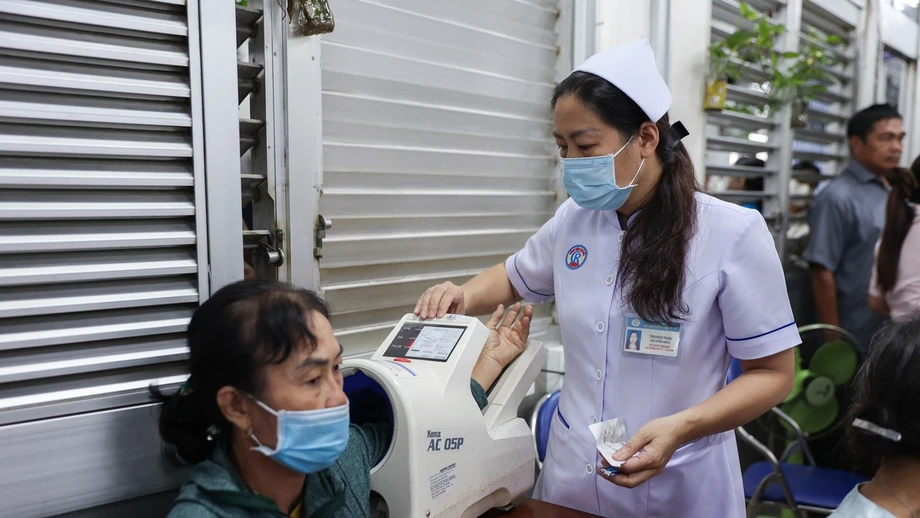
Participants are offered glucose measurement, assessment of type 2 diabetes risk, body measurements using InBody equipment and consultation with an endocrinologist. People identified as being at risk may be referred for specialist examination and connected with appropriate healthcare services. The November 14 online consultation is scheduled on the Facebook platform named Đái Tháo Đường.
The dates show how the immediate campaign fits alongside older evidence and a longer eye care effort:
- April to August 2015: DiabCare Asia assessed diabetes care in 1,631 patients at 43 Vietnamese hospitals.
- 2017: Insurance records covering 1,395,204 patients formed the basis for complication and cost estimates.
- 2022: An estimated 8 million Vietnamese adults had diabetes, according to research published in 2024.
- October 2025: Partners signed the For Vietnamese Eyes cooperation agreement.
- November 9 to 14, 2026: Hospitals conduct the planned diabetes screening and consultation activities.
- November 14, 2026: The online diabetes consultation is scheduled.
- End of 2027: The eye care programme aims to have benefited more than 20,000 patients at six hospitals.
The campaign's planned 1,500 screenings offer an entry point into care. The larger task is to keep patients connected to treatment, regular glucose assessment and examinations for complications after that first visit.
Key Points
- About 8 million Vietnamese adults were estimated to have diabetes in 2022.
- Complications affected 55% of patients in a 2017 insurance dataset covering nearly 1.4 million people with type 2 diabetes.
- Only 36.1% of participants in a 2015 hospital study met its HbA1c target below 7%.
- Screening at five hospitals from November 9 to 14, 2026, aims to reach about 1,500 people.
- An eye care programme plans to benefit more than 20,000 patients through the end of 2027.
- Doctors advise regular assessment and continuing prescribed treatment, with medical advice before changing medicines.