Festival demand collides with fewer flying hours
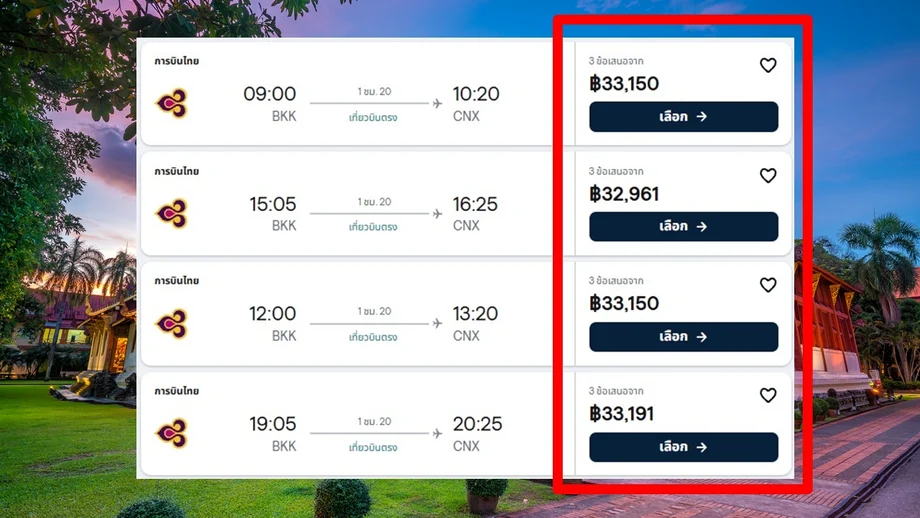
BANGKOK, November 12, 2026: Bangkok–Chiang Mai airfares have been quoted above 33,000 baht ahead of the Yi Peng lantern festival, as Thailand prepares to pursue controls on online travel agencies and Chiang Mai airport shortens its operating window for safety. Deputy Transport Minister Siripong Angkasakulkiat said about 60 flights a day on the route were being removed to avoid lantern releases, squeezing seats just as demand rises.
Contents
- Festival demand collides with fewer flying hours
- How expensive have tickets become?
- What the published fare ceilings say
- Why lantern releases restrict flights
- Cancellations, extra services and a busy airport
- The dates travellers need to watch
- Thailand seeks controls on foreign booking platforms
- Tourism businesses fear losing late bookings
- What passengers can do before departure
- Key Points
Other accounts of the minister's remarks put the fares above 20,000 baht, while a booking platform survey found return tickets for November 23–25 priced between 18,000 and 28,000 baht. The Civil Aviation Authority of Thailand (CAAT) said those survey prices came from agents and booking platforms, rather than airlines selling directly to passengers.
The pressure is concentrated around Loy Krathong on November 24 and Chiang Mai's Yi Peng celebrations on November 24–25. CAAT identified flights into Chiang Mai on November 23–24 and flights back on November 25–26 as particularly tight. Several airlines had already sold out for the affected dates.
Siripong urged passengers to book directly with airlines, where regulated fare ceilings apply, or use Thai travel agencies that authorities can regulate. His proposal would bring the foreign booking platforms concerned into Thailand's registration and fare control system. For people still trying to secure a festival ticket, however, the immediate problem is both price and whether a seat shown online is actually available.
How expensive have tickets become?
Booking website checks found return fares of 18,000–28,000 baht for November 23–25, with one way tickets averaging about 9,000 baht. Complaints circulating on social media showed return prices reaching almost 30,000 baht.
A typical return ticket outside peak periods costs about 2,500–4,300 baht. Using the upper end of that usual range, an 18,000 baht ticket costs roughly 4.2 times as much, while a 28,000 baht ticket costs about 6.5 times as much. A traveller facing the latter price would pay 23,700 baht more than a 4,300 baht return fare.
CAAT said booking platforms can generate unusually high prices when few seats remain. Siripong also accused some agents of taking advantage of the shortage, explaining that airlines sell tickets to agencies through quota arrangements. Under such arrangements, an agency has an allocation of tickets to sell.
The regulator warned that seat availability on a platform may differ from an airline's actual inventory. Passengers therefore need to confirm both the fare and the seat with the airline before paying. Checking a cheaper direct price is useful only if the airline still has a ticket available for the intended journey.
What the published fare ceilings say
Siripong described the Bangkok–Chiang Mai ceiling for budget airlines as approximately 5,000 baht per flight and the ceiling for airlines providing a full service as more than 7,000 baht. Thai Airways' published figures give passengers a more precise comparison, with different limits according to cabin and operating carrier.
The airline's domestic ceiling fare table lists Bangkok Suvarnabhumi–Chiang Mai economy fares on flights operated by Thai Airways at a maximum of 7,358 baht one way or 14,716 baht return. Its business class ceilings are 9,565 baht one way and 19,130 baht return.
The same table includes flights sold under Thai Airways and Bangkok Airways codes but operated by Bangkok Airways. For Bangkok–Chiang Mai, it lists economy ceilings of both 8,775 and 7,358 baht one way, and business class ceilings of both 11,407 and 9,565 baht. A code share means one airline sells a flight operated by another airline.
Passengers checking a price against a ceiling therefore need the cabin, operating airline and whether the quote covers one flight or a return journey. The published figures show why a single price limit cannot describe every ticket on this route. Siripong said customers can complain if an airline's own website sells above the applicable legal ceiling.
Why lantern releases restrict flights
Chiang Mai International Airport expects more than 200,000 sky and smoke lanterns to be released within its aviation safety zone during the celebrations. Lanterns can enter aircraft flight paths, threaten engines or fall onto airport operating areas, requiring restrictions around their release times.
Airport general manager Group Captain Sakan Udol said airlines had been asked to avoid operations from 10am to noon on November 24, and from 7pm until 1am the following morning on both November 24 and 25. The airport's daily operating window is being shortened from about 20 hours to about 12 hours.
That is a reduction of roughly 40% in the time normally available for flights. Services must fit into fewer hours, which can leave busy periods even when the total number of flights remains substantial. The airport is preparing more frequent inspections for fallen lanterns and other objects and has issued notices to pilots and aircrew about release periods.
Provincial rules specify where and when lantern releases are permitted. Releases are prohibited in designated red zones along aircraft takeoff and landing paths. Airport authorities have asked residents and event organisers to follow those restrictions while the celebrations take place.
Cancellations, extra services and a busy airport
Airlines were changing schedules before the November 12 fare warnings. As of October 30, plans for November 21–28 included 108 cancellations, 80 flights moved to different times and 105 added services. Those airport figures cover a wider period and network than Siripong's estimate of about 60 fewer Bangkok–Chiang Mai flights per day.
Chiang Mai airport's earlier planning estimate was about 210 flights a day during the festival, potentially reaching 232, around 10% above normal. A subsequent traffic forecast put November 23–25 at 591 flights and more than 92,000 passengers, with about 260 flights expected on November 26. Passenger numbers were forecast to peak at 33,560 on November 25.
The airport can handle heavy traffic while passengers still struggle to find seats on particular Bangkok services. Flights may serve different destinations, and an added service at one time may not replace the departure a traveller needs. Moving flights into a shorter operating window also concentrates passengers at check in and security.
The dates travellers need to watch
Schedule changes extend beyond the two main festival days. Passengers travelling between November 21 and 28 have been asked to check their flight status with the airline before each journey.
- October 30: Airline schedule adjustments for November 21–28 included 108 cancellations, 80 changes of departure time and 105 added services.
- November 12: Siripong outlined the proposed controls on online travel agencies, while CAAT advised passengers to verify fares and seats directly with airlines.
- November 23–24: CAAT expects the greatest pressure on flights into Chiang Mai.
- November 24–25: Yi Peng celebrations bring restrictions on flight operations during lantern releases. Loy Krathong falls on November 24.
- November 25–26: Return flights face strong demand. The airport forecasts its passenger peak on November 25 and its busiest day for flight movements on November 26.
Airport authorities warned that services may be moved or cancelled under the safety measures. A booking made weeks earlier therefore still needs a schedule check close to departure.
Thailand seeks controls on foreign booking platforms
CAAT has written to the Commerce Ministry seeking rules that would require the foreign online travel agencies concerned to register in Thailand and comply with maximum fares. Siripong said those companies were outside the fare controls applied to airlines because they were foreign businesses without Thai registration.
The proposed work involves the Transport Ministry, Commerce Ministry and Office of the Consumer Protection Board. Siripong said efforts to regulate the agencies had been under way for some time and that he had asked CAAT to speed up the process.
His target was to have the mechanisms ready in 2027, but no firm implementation date or final legal text was announced. The proposal therefore leaves passengers booking for this November relying on existing airline controls, direct verification and complaints procedures.
Siripong's explanation identifies two connected problems: fewer seats during popular travel dates and different regulatory reach over sellers. Extending fare rules to booking agencies would address how those agencies price tickets. Flight availability would still depend on airline schedules and the periods when aircraft can safely operate.
Tourism businesses fear losing late bookings
Paisan Sukcharoen, president of the Chiang Mai Tourism Council, expects more than 200,000 Thai and international visitors during Yi Peng. He expressed concern that expensive flights could discourage people who have yet to commit to the trip.
Many visitors had booked their flights in advance, Paisan said, while international travellers coming from nearby countries often decide closer to departure. High prices at that stage could cost Chiang Mai visitors who still have other destinations to choose from.
Tourism operators had raised their concerns with airline representatives and asked for more reasonable fare structures during major festivals. Paisan said they had seen no noticeable change so far. Siripong also expressed concern that excessive fares could weaken interest in domestic tourism.
The council's visitor forecast covers people attending the festival, while the airport's figure of more than 92,000 passengers covers arrivals and departures over November 23–25. For local businesses, the practical concern is whether people still considering a visit can secure transport at a price they are willing to pay.
What passengers can do before departure
CAAT advises passengers to confirm seat availability and prices directly with the airline before purchasing through an agent. Siripong recommended airline websites or Thai travel agencies subject to local oversight. Booking directly gives passengers access to the airline's own availability and the fares covered by its applicable ceiling.
Customers who find an airline website charging above its regulated ceiling can submit a complaint. CAAT also accepts complaints about airline service problems and passenger rights through its complaints system. The authority said it would continue monitoring fares for price transparency, fair competition and passenger protection.
Group Captain Sakan advised domestic passengers to reach Chiang Mai airport at least two hours before departure and international passengers at least three hours before departure. The airport is preparing additional screening capacity and allocating check in counters according to traffic, while encouraging online check in, kiosks and automated baggage drop facilities.
CAAT reminded travellers that power banks must be carried in cabin baggage, not checked luggage. Passengers should also check restrictions on liquids, gels, aerosols and prohibited items before leaving for the airport. Completing these checks matters when large numbers of passengers are departing within a shortened flying window.
For arrivals, the airport has prepared limousine, metered taxi, shuttle and RTC City Bus services offering a combined total of about 1,280 trips daily. Plans also include about 2,500 Grab vehicles available each day and nine car rental operators. These arrangements are intended to move visitors out of the terminal as flights arrive in concentrated periods.
Key Points
- Bangkok–Chiang Mai fares have been quoted above 33,000 baht; booking platform surveys found return tickets at 18,000–28,000 baht for November 23–25.
- CAAT says platform prices and displayed seat availability can differ from airlines' own booking systems.
- Thai Airways lists an economy ceiling of 7,358 baht one way on its own Bangkok–Chiang Mai flights, with different limits for other cabins and operating arrangements.
- Lantern safety measures shorten Chiang Mai airport's operating window from about 20 hours to about 12 hours daily.
- Authorities are seeking registration and fare controls for foreign booking agencies, with work targeted for 2027.
- Passengers should verify fares and seats with airlines, monitor schedule changes and arrive at least two hours early for domestic departures.