More storms, less water for the dry season
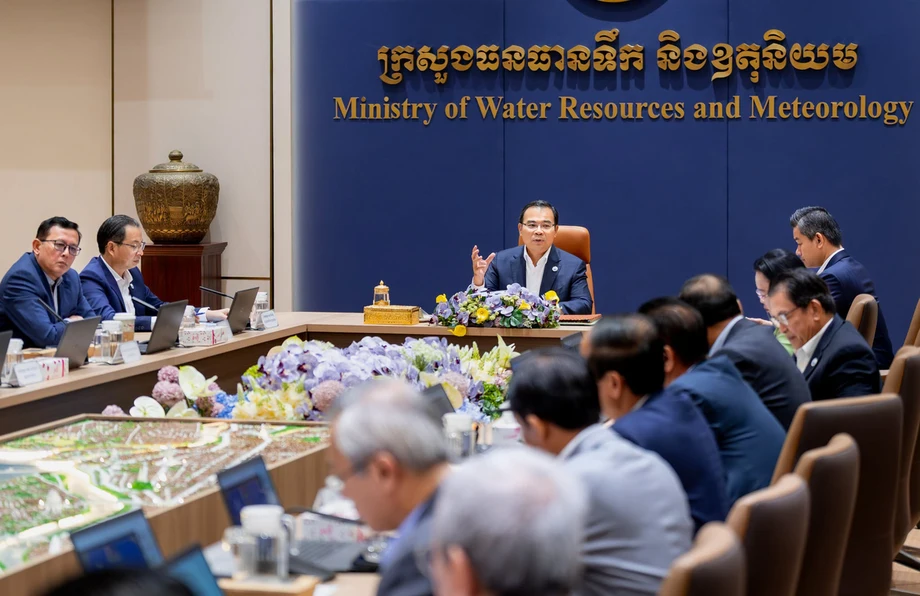
Cambodia recorded 32 storms by November 11, 2026, exceeding the totals of 27 in 2025 and 25 in 2024, yet rainfall remained below average, according to Minister of Water Resources and Meteorology Thor Chetha. His warning puts household water supplies, rice cultivation and fishing communities at the centre of preparations for El Niño conditions expected to affect the country through February 2027.
Contents
- More storms, less water for the dry season
- Why 32 storms have not removed the drought risk
- The warning calendar stretches into 2027
- Rice farmers face damage from both extremes
- Household supplies come before extra rice crops
- Satellite warnings give farmers time to act
- Ten days of notice can protect a field
- Tonle Sap faces a double threat to livelihoods
- Dry forests and children's diets add to the pressure
- Preparedness now centres on usable water
- Key Points
Thor Chetha chaired a November 11 meeting on preparations and response measures, telling officials that higher temperatures, prolonged dry conditions and reduced rainfall were increasing the risks of drought and forest fires. He described the unusual combination confronting water managers:
The impact in 2026 is that we have had more storms but less rainfall. So far, there have been 32 storms, compared with 27 in 2025 and 25 in 2024.
The minister said temperatures from February to April were expected to rise between 1.5 and 3 degrees Celsius above normal. He instructed authorities to protect water sources and conserve supplies, with household consumption taking priority over rice cultivation during the dry season and other agricultural activities.
Cambodia has already experienced drought and flooding during the same growing year. Rice fields dried out in July, floodwaters damaged crops in September and October, and communities around Tonle Sap entered the closing weeks of the rainy season with unusually low water levels. For families, the practical concern is whether enough usable water will remain where they live and farm after the rains retreat.
Why 32 storms have not removed the drought risk
A storm count measures how many weather systems occurred. Water security depends on how much rain reaches a particular place, when it falls and how much can be retained in soil, reservoirs and irrigation systems. Heavy rainfall concentrated into short periods can cause flooding while leaving farms exposed to long dry intervals.
El Niño, a recurring warming of the equatorial Pacific Ocean, changes the movement of air and rainfall across large regions. In Cambodia, it commonly brings hotter conditions and less dependable rain. Higher temperatures also increase evaporation, drawing water from fields and storage areas faster.
The ASEAN Coordinating Centre for Humanitarian Assistance on disaster management recorded medium to high average rainfall across Cambodia during November 2–8 in its weekly disaster update. The same document forecast strong El Niño conditions until at least early 2027 and a moderately increased chance of extreme heat in parts of eastern Cambodia. A wet week can therefore sit within a much longer period of water stress.
The warning calendar stretches into 2027
The water resources ministry had earlier forecast El Niño continuing through February 2027 with a stated probability of 100 percent. It also expected the rainy season to end in the third week of October. These forecasts placed extra urgency on storing water before the dry season.
The Food and Agriculture Organization of the United Nations, or FAO, says the World Meteorological Organization expects El Niño to peak in late 2026 and early 2027, with effects on rainfall, food production and temperatures continuing beyond that peak. Cambodia's February forecast is therefore part of a broader period of regional climate disruption.
The main developments show how the response has progressed:
- June 2026: FAO identified Cambodia as facing a high risk of severe drought during the El Niño cycle.
- July 23: Thor Chetha instructed officials to prepare emergency teams, mobile pumps and plans for cultivation during the dry season.
- July 30: The National Committee for Disaster Management recorded 289,855 hectares of rice affected by drought across eight provinces.
- September and October: Flooding damaged crops while authorities continued preparing for later water shortages.
- November 11: The minister renewed conservation instructions and warned of El Niño effects through February 2027.
- February to April 2027: Temperatures are forecast to be 1.5 to 3 degrees Celsius above normal.
Rice farmers face damage from both extremes
The National Committee for Disaster Management recorded drought affecting 44,453 hectares of rice on July 6 and 289,855 hectares by July 30. The affected area grew to about 6.5 times its earlier size in less than a month. Battambang suffered the largest impact.
A ministry assessment around the July 23 response meeting put affected wet season rice at more than 180,000 hectares, including over 100,000 hectares in Battambang. The later July 30 total shows how quickly the emergency expanded across eight provinces.
September brought another threat. About 156,125 hectares of rice across 10 provinces were recorded as damaged by flooding, roughly 5 percent of Cambodia's three million hectares planted with rice during the wet season. The agriculture ministry's October 16 assessment listed 240,583 hectares of crops affected and 107,353 hectares damaged, including 98,662 hectares of damaged rice. No reconciliation was given between the September rice damage total and the October assessment.
Kong Chantha, a farmer with three children in Oddar Meanchey province, lost a hectare of rice during July's drought and feared having to buy the food her family normally grows. She described the dependence that leaves many households exposed:
We depend on rainwater completely to grow rice but this year is tragic.
Household supplies come before extra rice crops
Thor Chetha's instructions establish a clear order for allocating scarce water: domestic consumption first, followed by rice and other farming. Authorities have discouraged farmers from planting a second or third rice crop during the dry season, particularly far from dependable water sources.
Each additional planting needs water through another growing cycle. When reservoirs and canals are running low, that demand competes with the supplies needed by nearby homes. Farmers deciding whether to plant again must therefore consider the water available for the whole season, rather than the amount present on planting day.
The ministry has directed officials to identify water supply operators at risk of shortages and map areas vulnerable to scarcity. Emergency response teams and mobile pumps are intended to help fields already facing shortages, while repairs and maintenance target canals, reservoirs and other irrigation infrastructure.
Local conditions vary. Peng Trida, director of Preah Vihear's provincial agriculture department, said rainfall and yields there had been sufficient during the wet season. He also said farmers did not cultivate rice during the dry season because irrigation infrastructure was inadequate. A successful rainy harvest can coexist with very limited capacity to grow another crop once rainfall stops.
Satellite warnings give farmers time to act
FAO's drought monitoring assessment used 41 years of satellite observations to identify areas exposed to severe drought. Its June 2026 estimate placed 127,300 hectares of Cambodian agricultural and pastureland at risk during the El Niño cycle.
The Agricultural Stress Index System, known as ASIS, tracks signs of water stress across agricultural land. Its forecasts help authorities decide where closer monitoring, farming advice and early support are most urgently needed. More than 10 countries already use national versions adapted to their crops and growing calendars.
Jorge Alvar-Beltrán, an FAO natural resources officer, explained the purpose of acting before crop losses become severe:
By monitoring drought stress across croplands, ASIS gives governments and farmers time to protect livelihoods, safeguard food supplies and act before losses become irreversible.
FAO and the Cambodian government are also implementing the PEARL project with financing from the Green Climate Fund. More than 4,000 farmers benefit from advisories delivered through social media and the Chamka mobile application. These combine forecasts from the Cambodia Agrometeorological Service with practical decisions about irrigation, planting and harvesting.
Ten days of notice can protect a field
Sokhom Kha, a farmer in Preah Vihear who grows organic rice, cassava and cashews with her husband, received notice ten days before an expected period without rain. She used that time to prepare field dikes, the raised earth barriers that help keep water inside a plot.
PEARL training also covers planting cover crops to retain moisture and adjusting cropping calendars to reduce exposure to drought. The value of the warning lies in connecting a forecast to a task that a farmer can complete while water is still available.
Sokhom said rainfall information had also changed her harvesting decisions. Previously, rain sometimes soaked freshly harvested paddy, making it difficult to dry. Knowing when rain is expected now allows her to wait before harvesting.
Other farmers have already suffered severe losses. Sokhoeun Chhut, a 45 year old farmer in Siem Reap province, described a prolonged drought that scorched her rice. The contrast between those experiences shows why the ministry is seeking better forecasting, a stronger Early Warning System and regular cooperation with the World Meteorological Organization.
Tonle Sap faces a double threat to livelihoods
About 1.5 million people live on Tonle Sap, where homes, fishing grounds and businesses depend on the lake's seasonal rise and fall. In early October, the water level at Prek Kdam stood at nearly seven metres, more than a metre below average and 1.5 metres below the previous year.
Monsoon rains normally swell the Mekong River enough to reverse the flow towards Tonle Sap, expanding the lake to roughly five times its size. This seasonal movement, called a flood pulse, carries nutrients into the lake and opens flooded areas where fish feed and grow.
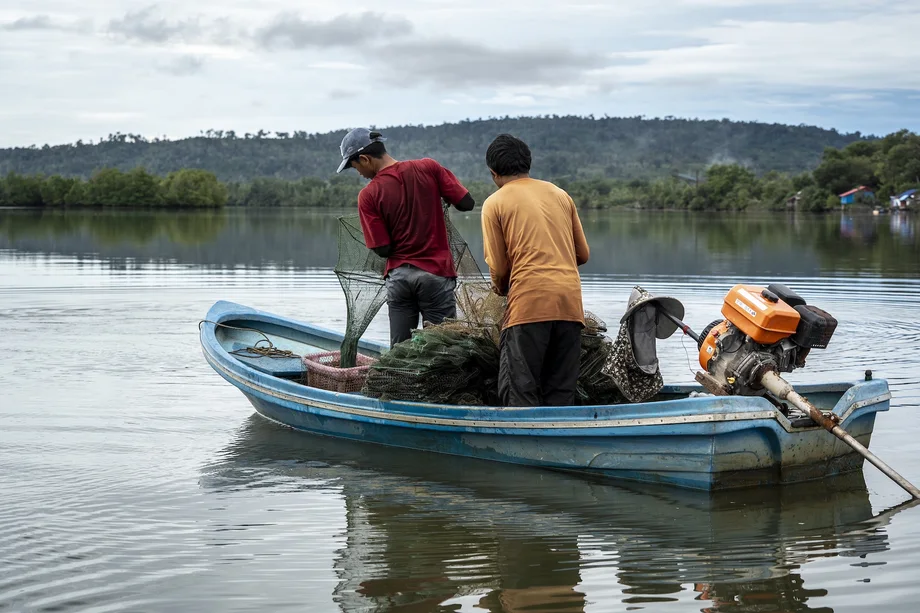
Lower or disrupted flows put fishing incomes under pressure. Brian Eyler, director of the Stimson Center's Southeast Asia Program, said most fishing households around the lake also farm to supplement their earnings. Drought can therefore damage both sources of income at once. Upstream dams, sand mining and erratic rainfall are also altering the water system on which those households depend.
Meas Chou sells metal drums that families use to keep floating homes afloat. His business depends on customers earning enough from fishing. He described how weaker catches spread through the local economy:
If fishermen can earn a lot, I can sell my goods a lot. But if they earn less, I sell a little less too.
Dry forests and children's diets add to the pressure
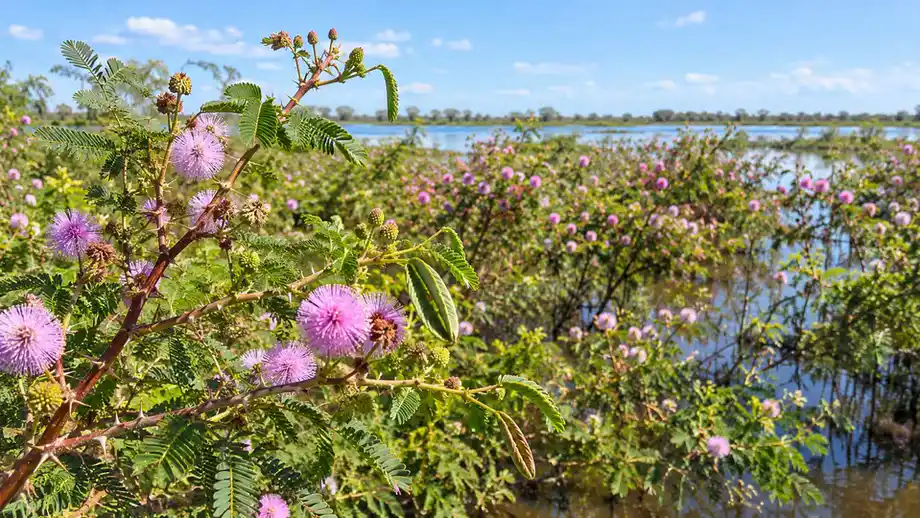
Tonle Sap's flooded forests face greater fire exposure when water fails to reach them. A study published in 2020 found that about a third of these forests stayed dry and were lost to fires and agricultural clearing between 1993 and 2017.
Zeb Hogan of the University of Nevada, Reno, who runs the Wonders of the Mekong research and conservation project, described the connected consequences for lake communities:
When you get a very dry year, you have less fish, less food and more fire. And all of those add up to a bad situation for people living around the lake.
UNICEF estimates that El Niño could expose more than 1.3 million Cambodian children to climate related impacts. Maha Damaj, UNICEF's representative to Cambodia, said reduced dietary variety can contribute to malnutrition, poorer school attendance and greater vulnerability to illness. Families losing crops or fishing income may have less money for nutritious food at the same time that water becomes harder to obtain.
Cambodia's previous El Niño emergencies show the scale of potential needs. During 1997–98, the government appealed for about 250,000 tonnes of rice. The 2015–16 event affected around 2.5 million people across 18 provinces and hurt rice production and fisheries.
Preparedness now centres on usable water
The November response plan combines repairs to irrigation systems and reservoirs, conservation of water sources, maintenance of weather and river monitoring stations, emergency preparations and public awareness campaigns. Inspections of irrigation maintenance have also taken place in Kampong Thom and Siem Reap.
Siem Reap deputy governor Sok Thol said local administrations were being alerted to prepare for drought and monitor water resources. World Vision says it is working with the government on the National Action Plan on Drought Management and Adaptation for 2025–2030, alongside emergency resources, response teams and assessments of household needs.
Cambodia's preparations coincide with warnings elsewhere in Southeast Asia. In the Philippines, authorities have forecast five months of drought in Cebu from December 2026 through April 2027. The regional forecast helps explain why governments are preparing beyond the end of this year's rains.
For Cambodian households, the immediate priorities are dependable drinking water and enough food. For farmers, they are timely forecasts and irrigation that can carry crops through dry intervals. For Tonle Sap communities, the same water shortage can affect fish catches, secondary farming income and the businesses that depend on both.
Key Points
- Cambodia recorded 32 storms by November 11, 2026, but rainfall remained below average.
- The water resources ministry expects El Niño effects through February 2027 and hotter conditions from February to April.
- Household water consumption takes priority over farming, with authorities discouraging second or third rice crops during the dry season.
- July drought affected 289,855 hectares of rice across eight provinces, followed by damaging floods later in the year.
- FAO estimated 127,300 hectares of agricultural and pastureland were at risk of severe drought and is supporting advisories reaching more than 4,000 farmers.
- Low water levels at Tonle Sap threaten fishing, farming and local businesses, while UNICEF warns of risks to more than 1.3 million children.