A spending plan advances under a 2039 warning
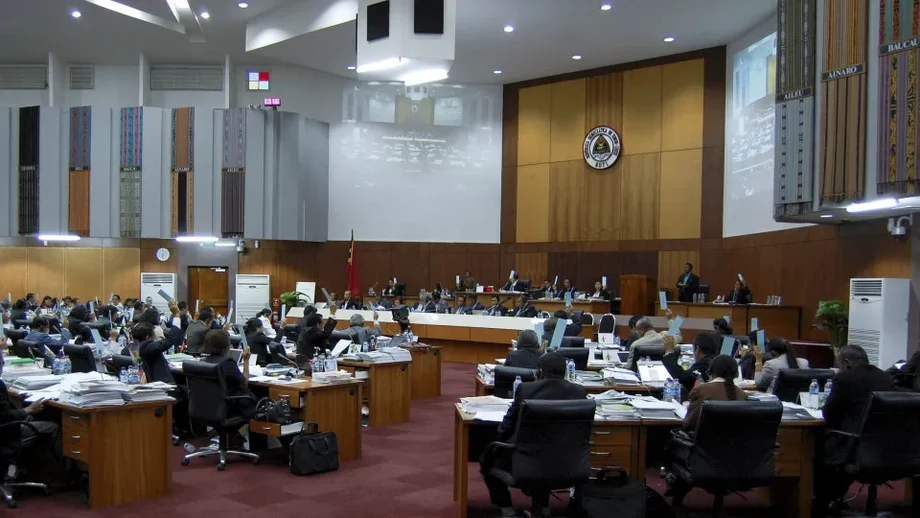
Timor-Leste's National Parliament approved the government's proposed US$2.5685 billion budget for 2027 in its first reading on November 11, 2026, advancing a plan that would withdraw US$1.891 billion from the Petroleum Fund, about 3.5 times its estimated sustainable annual income. Prime Minister Kay Rala Xanana Gusmão has warned that current spending and financing trends could exhaust the fund around 2039.
Contents
- A spending plan advances under a 2039 warning
- How much would come from petroleum savings?
- What the 2039 warning means for spending
- Where the proposed money would go
- Health and education drive opposition criticism
- Jobs, nutrition and the diversification test
- Petroleum projects and a proposed debt authority
- Tax reform and savings would support the plan
- The parliamentary timetable
- Key Points
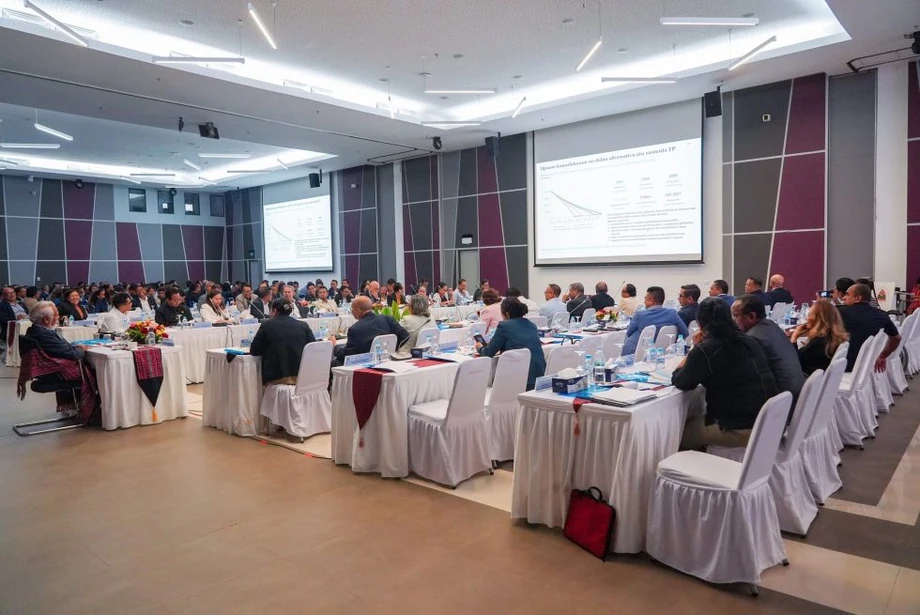
The vote in Dili was 41 in favour, none against and 23 abstentions after debate from November 9 to 11. Opposition lawmakers abstained while challenging the balance between petroleum projects, infrastructure and essential services. Health, education, farming and employment opportunities for young people were central to their objections.
The proposal allocates US$535.3 million to public investment, including US$505.8 million for development capital projects. The government says its priorities are economic diversification, stronger domestic production, jobs, better living conditions and sustainable public finances, following its programme and the Strategic Development Plan 2011–2030.
Parliament has approved the proposal in general terms. Lawmakers can still change allocations and provisions during detailed examination, scheduled for November 24 to December 4, before a final vote and submission to the president for promulgation.
How much would come from petroleum savings?
The Petroleum Fund converts income from oil and gas into financial assets intended to support the country over time. Its Estimated Sustainable Income is a benchmark for annual withdrawals that preserve the country's petroleum wealth for future generations. For 2027, that benchmark is US$540.5 million.
Gusmão's presentation put the proposed withdrawal at US$1.891 billion. Subtracting the sustainable income benchmark leaves approximately US$1.35 billion in additional withdrawals. An earlier presentation account described US$1.35 billion as the withdrawal itself; the figures presented during the parliamentary debate identify US$1.891 billion as the total.
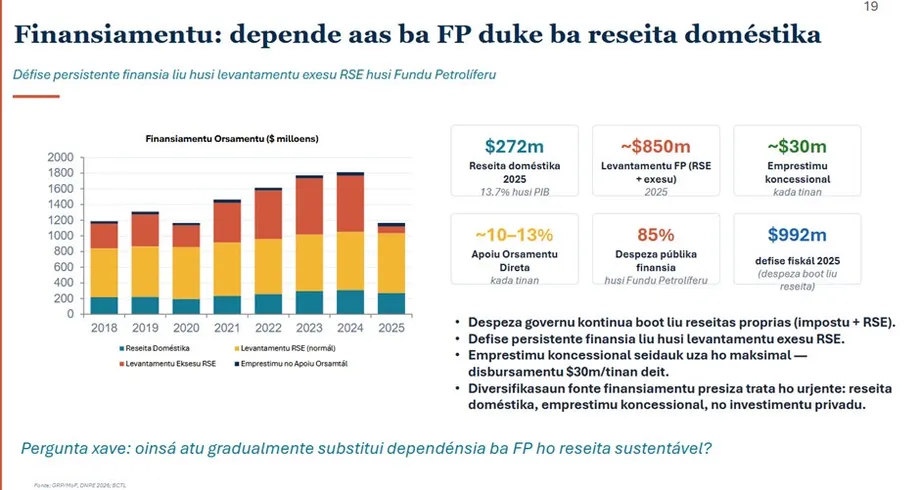
Domestic revenue is projected at US$298.6 million, an increase of 10%. Against the consolidated budget of US$2.5685 billion, that would cover about 11.6% of spending. Petroleum Fund withdrawals would cover approximately 73.6%, making the fund by far the largest financing source despite the government's commitment to reduce dependence on it.
La'o Hamutuk, the Timor-Leste Institute for Development Monitoring and Analysis, makes a similar assessment of petroleum dependence in its October 21 submission to Parliament. It says petroleum resources account for almost 74% of expenditure, including 53% financed above sustainable income. Its domestic revenue share is 14%, compared with about 12% calculated against the government's consolidated total.
The government's budget account places the remaining financing need at US$1.67 billion, approximately 61% of the economy excluding petroleum activity. It proposes covering that need through additional Petroleum Fund withdrawals, Treasury cash balances, loans and budget support from international partners.
What the 2039 warning means for spending
Gusmão acknowledged the pressure on the fund when presenting the budget. Speaking in Portuguese, the prime minister warned:
Projections indicate that, if current trends continue, the Petroleum Fund could be exhausted around 2039. This constitutes a serious warning signal.
The government argues that using savings now can build productive capacity and improve public services. Its approach links financial allocations to programmes and expected results across a planning period of five years, with closer monitoring of how public money is used.
David Freedman, the World Bank's country representative, also raised the depletion risk during parliamentary committee hearings in October. He said the Bank was seeking a credible commitment to financial stability rather than immediate or drastic spending cuts. Budget policy would need to adjust if new oil and gas projects were delayed.
The government is therefore trying to manage two pressures at once: meeting present needs and preserving the savings that finance most public spending. New petroleum income depends on projects moving forward, while hospitals, schools and government operations require money each year.
Where the proposed money would go
Roads and bridges would receive US$345.7 million, while petroleum and mineral sector policies would receive US$244.8 million. Education is allocated US$194.2 million and health US$182.6 million. Electricity would receive US$157.6 million, and veterans and liberation combatants US$156.2 million.
Agriculture would receive US$37.8 million, an increase of more than 21%, and tourism US$13.1 million, up 31%. Education spending would rise 11% and health spending 17%. Water and sanitation would receive US$23.5 million.
The scale of those allocations helps explain the political debate. Petroleum and mineral policies would receive about 6.5 times the agriculture allocation, using US$244.8 million and US$37.8 million respectively. Water and sanitation spending would equal approximately 6.8% of the US$345.7 million roads and bridges allocation.
Municipal funding totals US$148.1 million across 13 municipalities. Other allocations include US$24.7 million for school meals and US$11.7 million for maternal and child support. The government says improvements in roads, electricity, drinking water and sanitation should reach mountain and coastal communities, Ataúro and the Special Administrative Region of Oé-Cusse Ambeno.
The budget also provides for the presidential election, possible municipal elections and initial preparations for Timor-Leste's ASEAN chairmanship in 2029. Municipal elections remain a possible commitment within the plan.
Health and education drive opposition criticism
FRETILIN parliamentary leader Aniceto Guterres said the combined allocations for health, education and agriculture remain below 20% of the budget. The listed allocations total US$414.6 million, or about 16.1% of the consolidated proposal.
FRETILIN lawmaker Nurima Alkatiri questioned Gusmão about health funding on November 9. She called for better services, more staff training, improved facilities, reliable supplies of medicines and equipment, and greater investment in prevention and primary care.
Alkatiri also alleged that shortages of medicines and laboratory reagents at the country's main hospital had contributed to several patient deaths. Her criticism focused on what the proposed US$182.6 million health allocation would deliver for patients seeking treatment.
Guterres described serious weaknesses in healthcare and education, alongside young people's limited access to school, employment and training. FRETILIN also raised concerns about rural poverty, corruption and spending that it said favoured particular groups.
Gusmão acknowledged that living conditions remained poor and accepted the need to improve government performance. The prime minister said in Portuguese:
The Government welcomes recommendations and criticism to further improve its work next year.
CNRT lawmaker Gabriel Soares defended the proposal as an instrument for strengthening development already under way and responding to challenges facing the state and the population. The disagreement centres on how the spending choices will translate into better services and economic opportunities.
Jobs, nutrition and the diversification test
Gusmão told Parliament that only one in three people aged 15 or older has a job. Three in ten young people aged 15 to 24 are outside education, employment and vocational training. The government wants private businesses and productive activities to create more opportunities, with the National Development Bank supporting economically viable investment.
Angelina Sarmento, parliamentary leader of the People's Liberation Party, said productive sectors receive only 2.1% of the budget. She included agriculture, fisheries, aquaculture, tourism, manufacturing, small businesses, the digital economy, research and innovation in her criticism.
La'o Hamutuk's submission uses different budget classifications. It says agriculture alone receives 2.1% of state expenditure and about 5% of the US$957 million functional Economic Sector allocation. The differing sector definitions and totals remain unresolved ahead of detailed scrutiny, alongside inconsistencies the institute identified between Petroleum Fund withdrawal projections in two budget books.
Children's nutrition gives those spending choices an immediate human dimension. Gusmão said approximately 45% of children under five have stunted growth, meaning they are too short for their age, often because of prolonged poor nutrition and illness. He said 19% have weight below the appropriate level for their height.
La'o Hamutuk urged greater investment in irrigation, water management, agricultural research and preparation for disasters. Its submission cites a goods trade deficit exceeding US$900 million in 2025 and argues that stronger domestic food production would help households withstand international price increases and disruptions.
Petroleum projects and a proposed debt authority
Article 5 of the draft budget would authorise US$1.6 billion in public borrowing for infrastructure and petroleum activities, with a term of 40 years, according to La'o Hamutuk's submission. The institute asked Parliament's Committee C to reject the provision, arguing that it would expose future generations and the Petroleum Fund to greater financial risk.
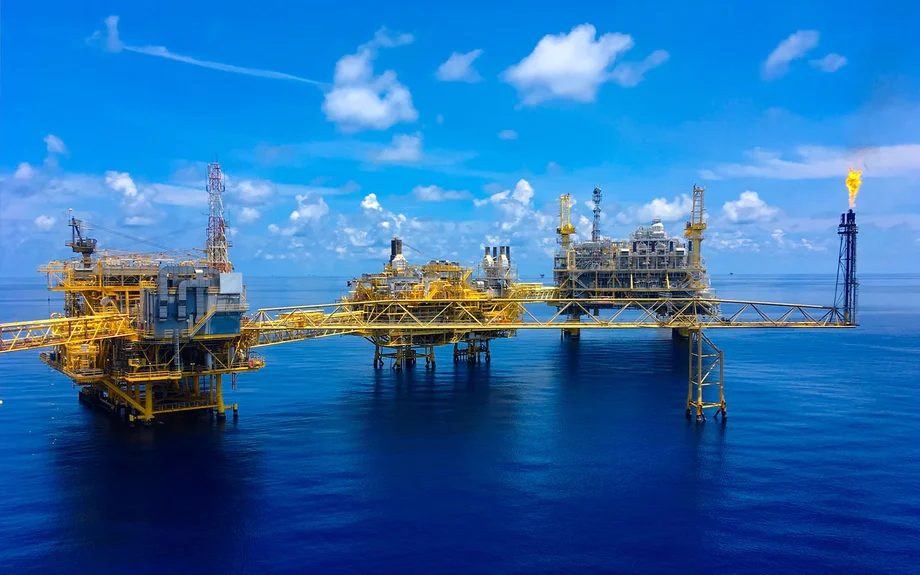
The submission identifies US$193.5 million for negotiations and studies concerning Greater Sunrise development and bringing its pipeline to Timor-Leste, including other fields. It also lists US$38.4 million for a technical study of a Greater Sunrise pipeline to Natarbora.
La'o Hamutuk called for publication of technical studies, economic assessments, financing arrangements, operating costs and expected financial returns before further public resources are committed. Its concern is that large petroleum commitments leave less money for smaller activities capable of producing food, goods and jobs.
The government's proposed controls include a US$250 million ceiling for Infrastructure Fund projects, intended to slow expenditure and prioritise completion of work already under way. La'o Hamutuk puts the broader 2027 Infrastructure Fund allocation at approximately US$327 million and the 2028 projection at US$1.807 billion, with 80% intended for the Tasi Mane petroleum project.
The 2028 projection is about 5.5 times the US$327 million allocation for 2027. La'o Hamutuk argues that such an increase would require close examination of project feasibility, procurement, implementation capacity, maintenance and environmental and social safeguards.
Tax reform and savings would support the plan
The government expects efficiency measures across 62 public entities to save approximately US$53.6 million annually. Proposed goods and services spending falls 19.8% to US$550.3 million. These measures sit alongside plans to strengthen revenue collection and reform the management of public finances.
A proposed value added tax of 5% would begin in 2028, subject to parliamentary approval. VAT is a tax on consumption collected through businesses as goods and services move towards the final customer. Its effect on household costs depends on which purchases are taxed and what protections are included.
Gusmão said businesses and the tax administration need time to prepare, and that the design should protect households with low incomes and consider essential goods. La'o Hamutuk also urged careful selection of taxable items, independent monitoring of prices and attention to access to nutritious food.
The proposed tax would increase revenue after the 2027 budget year. For 2027 itself, domestic receipts would still finance only about 12% of the consolidated spending plan, leaving petroleum savings central to the government's ability to pay for services and investment.
The parliamentary timetable
Lawmakers now move from debating the direction of the budget to examining its provisions and allocations in detail. The next stages provide the opportunity to amend spending priorities and consider the proposed borrowing authority.
- October 1, 2026: The government submitted the draft budget to Parliament for committee examination.
- October 21: La'o Hamutuk submitted its analysis and recommendations.
- November 9–11: Parliament held the general debate and approved the proposal in its first reading.
- November 13, at 5 p.m.: Deadline for submitting amendments.
- November 24–December 4: Scheduled detailed debate and voting.
- After detailed examination: Parliament holds a final vote. An approved budget law then goes to the president for promulgation.
The final decisions will determine how much of the government's plan survives unchanged, including the balance between petroleum investment, infrastructure, public services and measures intended to expand the economy beyond oil and gas.
Key Points
- Parliament approved the US$2.5685 billion proposal in its first reading, with 41 votes in favour, none against and 23 abstentions.
- Proposed Petroleum Fund withdrawals total US$1.891 billion, about 3.5 times estimated sustainable income.
- Domestic revenue of US$298.6 million would cover about 12% of consolidated spending.
- Health would receive US$182.6 million, education US$194.2 million and agriculture US$37.8 million.
- Opposition lawmakers challenged service funding and the share devoted to productive sectors.
- La'o Hamutuk urged Parliament to reject US$1.6 billion in proposed borrowing authority.
- Detailed debate is scheduled for November 24 to December 4, followed by a final vote.