More treatment capacity as dry conditions intensify
Manila Water has spent P11.7 billion on infrastructure in the first nine months of 2026 and prepared 33 reservoirs holding up to 557 million liters as the Philippines faces a very strong El Niño that could persist through the first half of 2027.
Contents
- More treatment capacity as dry conditions intensify
- What PAGASA says about the coming months
- Where the additional water would come from
- How 33 reservoirs support daily service
- Keeping more water inside the network
- Preparations extend beyond Metro Manila
- Revenue rises while new assets weigh on profit
- The third quarter shows sharper cost pressure
- What customers face through early 2027
- Key Points
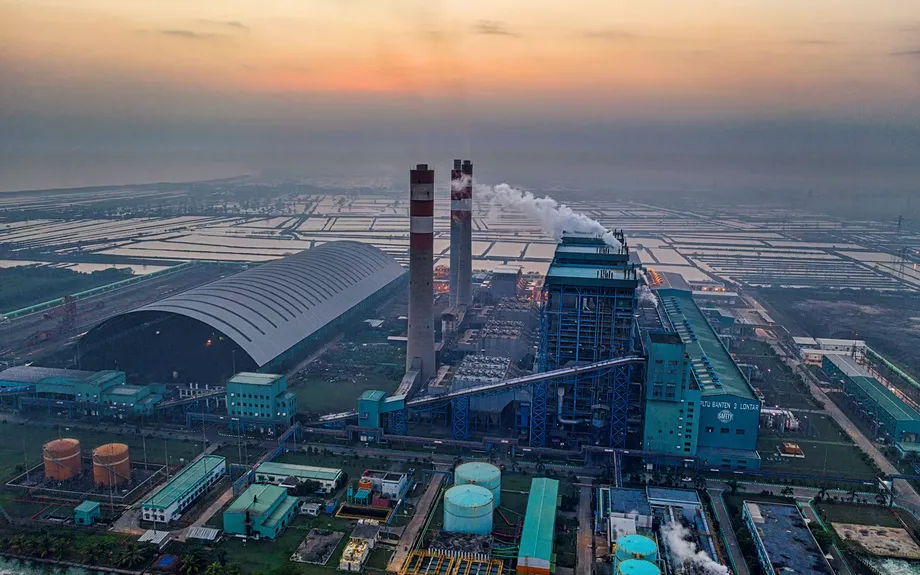
The East Zone concessionaire is maximizing six operating water treatment plants with a combined capacity of 1,980 million liters per day. Two more plants targeted for completion within 2026 would add 420 million liters per day, bringing its treatment portfolio to eight facilities and 2,400 million liters per day.
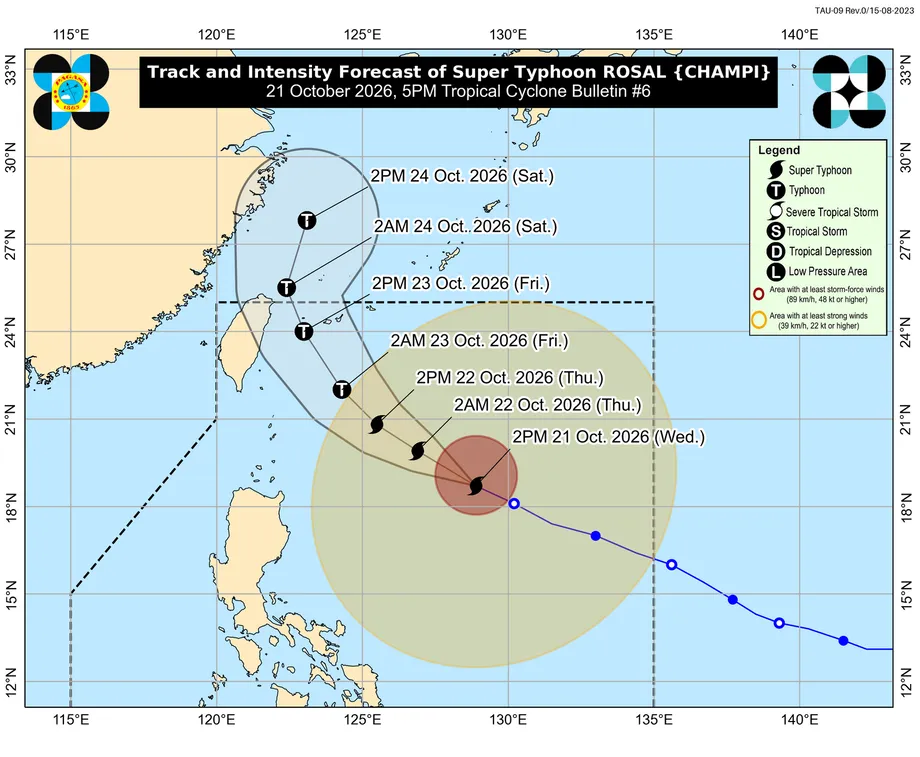
The preparations now face a stronger weather warning than the prospect of a potentially strong El Niño described in the company's investment announcement. In its November 4, 2026, El Niño advisory, the Philippine Atmospheric, Geophysical and Astronomical Services Administration, or PAGASA, said very strong conditions were already present in the tropical Pacific and could peak by the end of the year.
Manila Water provides water and used water services across 23 cities and municipalities in Metro Manila and Rizal under its exclusive East Zone concession. Its preparations combine additional treatment capacity, storage, maintenance and efforts to reduce water losses.
The spending is also putting pressure on earnings. Revenue rose during the first nine months, but profit attributable to shareholders fell as the company began recognizing depreciation and financing costs associated with newly completed facilities.
For customers, the immediate concern is whether the utility can keep enough treated water moving through its network during months when rainfall may decline and hotter weather may increase demand. The company's response addresses several parts of that supply chain at once.
What PAGASA says about the coming months
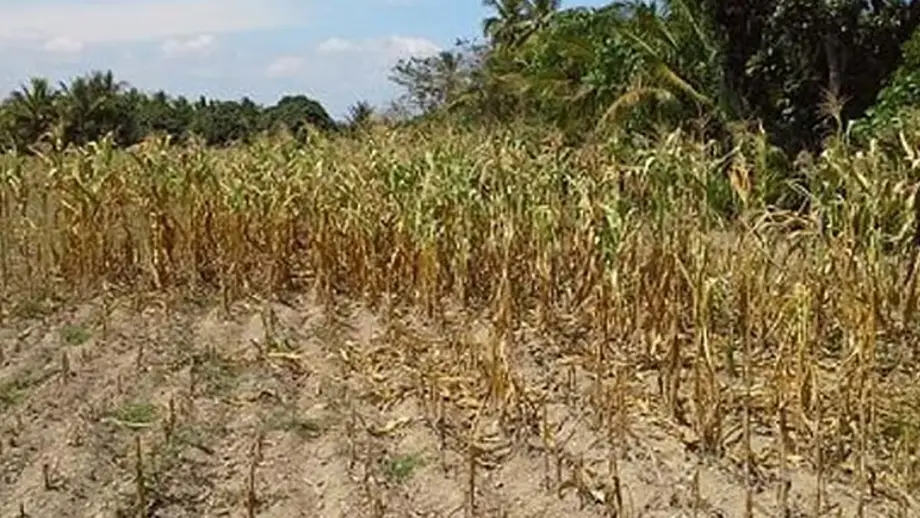
PAGASA's October 2026 assessment found meteorological drought in five provinces, dry spells in 11 and dry conditions in another 10. Meteorological drought means rainfall has remained unusually low over a sustained period.
For November, the agency expected rainfall below normal to far below normal across most of the Philippines, alongside temperatures above average. It urged the public and government agencies to conserve water and manage water resources efficiently.
El Niño is a warming of parts of the tropical Pacific Ocean that changes weather patterns. In the Philippines, it increases the likelihood of rainfall shortages. PAGASA also said tropical cyclones and other weather systems could still bring episodes of heavy rain during the event.
The preparation period and weather outlook span several months:
- May 2026: Metro Ilagan Water commissioned an additional deep well in Isabela.
- January to September 2026: Manila Water recorded P11.7 billion in capital spending.
- October 2026: PAGASA assessed drought, dry spells and dry conditions across 26 provinces.
- November 4, 2026: PAGASA confirmed very strong El Niño conditions.
- End of 2026: El Niño could reach its peak, while Manila Water targets completion of two additional treatment plants.
- First half of 2027: PAGASA expects El Niño to persist.
Where the additional water would come from
Manila Water's six active treatment plants draw from three supply systems. Treatment removes contaminants from raw water so it can be supplied to customers, while the amount available for processing depends on conditions at the water source.
The Angat-Ipo-La Mesa system supports Balara Filter 1, with capacity of 470 million liters per day; Balara Filter 2, with 1,130 million; and East La Mesa, with 150 million. Together, those plants account for 1,750 million liters per day, or about 88% of the company's current treatment capacity.
Laguna Lake supplies the Cardona plant, rated at 100 million liters per day, and East Bay Phase 1, rated at 50 million. The Calawis plant, part of the Wawa-Calawis system in Antipolo, contributes another 80 million liters per day.
The two plants approaching completion are East Bay Phase 2, rated at 200 million liters per day and drawing from eastern Laguna Lake, and Kaysakat, rated at 220 million liters per day under the Wawa-Calawis system. Their combined 420 million liters per day would increase installed treatment capacity by about 21% from the current 1,980 million.
Those additions would also change the balance of the portfolio. Capacity outside the Angat-Ipo-La Mesa system would rise from 230 million to 650 million liters per day, increasing its share from about 12% to 27%. That gives Manila Water more options for sourcing and treating water when conditions vary between supply areas.
The company has set a completion target within 2026, but has not given exact commissioning dates or stated how much water the new plants will initially deliver. Their rated capacities describe the volumes they are designed to treat each day.
How 33 reservoirs support daily service
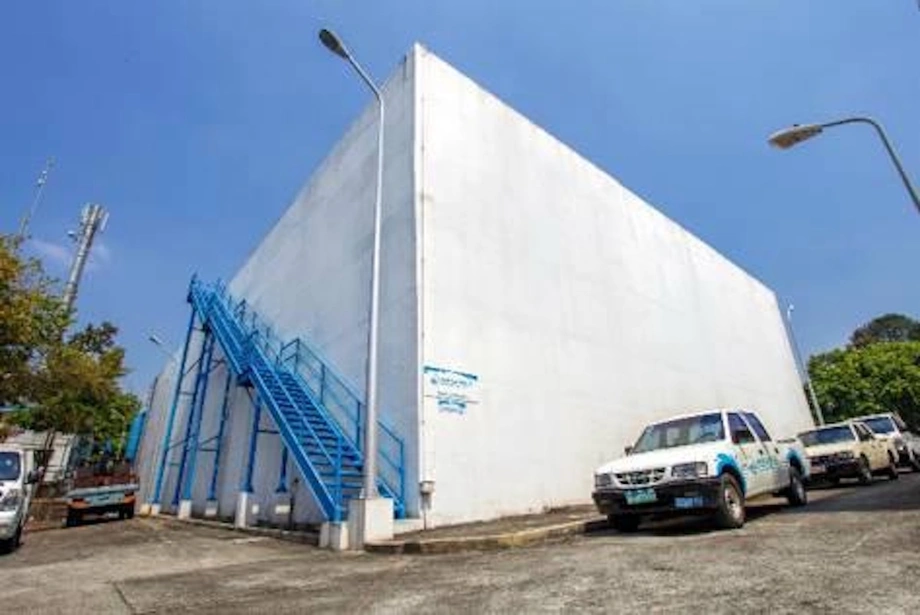
Manila Water's 33 East Zone reservoirs can store a combined 557 million liters of treated water. They help balance supply and demand by holding water and releasing it into the distribution network according to local needs.
The largest named facility is the N. Domingo Reservoir in Quezon City, with capacity of 111 million liters. Balara Reservoir, also in Quezon City, holds 25 million liters, while Maguey Reservoir in Antipolo holds 20 million. Together, these three account for 156 million liters, or about 28% of the network's reservoir capacity.
Preparations include inspecting the reservoirs and their equipment, monitoring water levels and checking readiness for distribution during the dry months. Manila Water also says it is maintaining treatment and pumping facilities and coordinating with government agencies.
Storage and treatment serve different purposes. Plants produce treated water each day; reservoirs hold some of that water so the utility can manage changes in demand and move supply across its service area. Both depend on continued access to sufficient raw water.
Keeping more water inside the network
Manila Water says it has maintained non-revenue water below 15% through leak detection, repairs and continuous network monitoring. Non-revenue water is water entering the network that is not recorded as billed consumption, including losses from leaks and other system inefficiencies.
Reducing losses helps preserve water that has already been collected, treated and pumped. During a prolonged dry period, repairing a leaking pipe can keep more of that supply available for customers without requiring additional water from a source.
Dittie Galang, head of Manila Water's Communications Affairs Department, described how storage, supply additions and loss reduction fit together:
Our reservoirs, additional water sources, and continuing efforts to reduce system losses all work together to help us manage available supply more efficiently.
The company is asking customers to repair leaks within their properties, reuse water where possible and report leaks in streets and public areas through Hotline 1627. Those measures support the same objective as the larger infrastructure program: making available water go further.
Preparations extend beyond Metro Manila
Manila Water's other Philippine businesses are preparing for dry conditions through measures suited to their local systems. Calasiao Water has activated a business continuity plan and placed a mobile water tanker on standby. New deep wells are planned for 2027.
A continuity plan sets out how essential services will operate during a disruption. A tanker provides another way to deliver water where normal distribution is interrupted, while additional wells can expand access to groundwater.
Metro Ilagan Water in Isabela commissioned an additional deep well in May 2026 and has a treatment plant with capacity of 13 million liters per day under construction. Cebu Water currently delivers more than 30 million liters per day.
These projects sit alongside the much larger East Zone program. Their practical role is local: adding sources, maintaining operations and preparing alternative delivery arrangements for the communities each business serves.
Revenue rises while new assets weigh on profit
Manila Water's revenue increased 11.1% to P33.40 billion in January to September 2026, from P30.05 billion a year earlier. Higher average tariffs and sustained demand across its businesses supported the increase.
Profit attributable to shareholders fell 5.4% to P11.99 billion from P12.67 billion. Consolidated net income, which includes earnings attributable to other ownership interests in subsidiaries, fell 2.4% to P12.83 billion from P13.15 billion.
Costs of services and expenses rose 11% to P9.63 billion from P8.69 billion. The company cited regulatory and compliance costs, expenses from newly integrated facilities, and higher prices for materials and services.
Depreciation and financing costs also increased as new facilities entered operation. Depreciation spreads an asset's cost over its expected working life; financing costs include interest paid on borrowing. These expenses help explain why revenue can rise while profit falls.
The company's reported net income margin fell six percentage points to 36%. In simple terms, it retained a smaller share of revenue as profit than in the comparable period.
The third quarter shows sharper cost pressure
Manila Water's July to September results showed a steeper earnings decline than the figures for the full nine months. Attributable net income fell 25.3% to P3.52 billion from P4.71 billion in the third quarter of 2025.
Quarterly revenue increased 11.4% to P11.21 billion from P10.06 billion, but cost of services rose 24.7% to P3.53 billion from P2.83 billion. Service costs therefore grew at more than twice the rate of revenue during the quarter, alongside the pressure from financing expenses.
The East Zone business, now including the integrated assets and operations of Wawa JVCo, recorded a 12% revenue increase to P26.9 billion over nine months. Its net income fell 5% to P11.1 billion.
Manila Water gained full control of Wawa JVCo during 2026. The company was established to develop, operate and maintain the Wawa Bulk Water Supply Project, which is intended to add to Metro Manila's raw water supply.
Outside the East Zone, net income rose 19% to P1.35 billion and revenue increased 6% to P7.4 billion. Tariff adjustments, higher billed volumes in Clark, South Luzon and Boracay, and increased supervision fees from Laguna Water and Estate Water projects supported that growth.
What customers face through early 2027
Manila Water President and Chief Executive Officer Roberto R. Locsin said the investment program expands and diversifies sources, strengthens reliability and improves network efficiency. He also said the company remained confident it could manage immediate challenges while sustaining value for customers and shareholders.
The weather outlook puts a clear time frame around those preparations. PAGASA expects El Niño to continue through the first half of 2027, with the possible peak arriving around the end of 2026, when the two new treatment plants are targeted for completion.
Heat adds a public health concern to the pressure on water resources. The US based Climate Impact Lab has projected 6,500 heat related deaths in the Philippines through February 2027 amid El Niño. That figure is a projection, while PAGASA's operational advice is to prepare for hotter conditions and conserve water.
For households, the actions Manila Water is requesting are immediate: fix leaks, use water responsibly and report damaged public pipelines. For the utility, the next steps are completing the new plants, keeping reservoirs and pumps ready, monitoring sources and limiting losses as the dry period continues.
Key Points
- PAGASA confirmed very strong El Niño conditions on November 4, 2026, and expects them to persist through the first half of 2027.
- Manila Water spent P11.7 billion on infrastructure during the first nine months of 2026.
- Six operating treatment plants have combined capacity of 1,980 million liters per day.
- East Bay Phase 2 and Kaysakat would add 420 million liters per day, bringing total treatment capacity to 2,400 million.
- The company has prepared 33 reservoirs with combined storage capacity of 557 million liters.
- Nine month attributable profit fell 5.4% to P11.99 billion despite an 11.1% increase in revenue.
- Customers can report public pipeline leaks through Hotline 1627.