July 27 Holiday Added to Draft Labor Changes
Vietnam's Ministry of Home Affairs has accepted a proposal to make July 27, War Invalids and Martyrs Day, a public holiday with full pay from 2027, when the commemoration marks its 80th anniversary. Together with a proposed Vietnamese Culture Day holiday on November 24, the change would raise the annual public holiday entitlement from 11 days to 13.
Contents
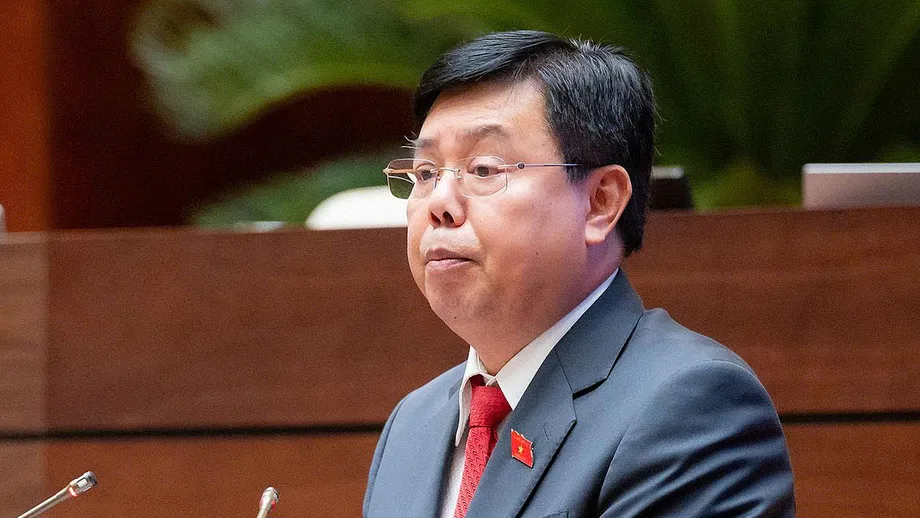
Minister of Home Affairs Nguyễn Tiến Hải told the National Assembly on November 9 that the drafting agency had incorporated the July 27 proposal after considering comments from lawmakers, the assembly's review committee and the competent authorities. The intended purpose is to give workers time to honor people who sacrificed for the country and those recognized for contributions to the revolution.
The ministry's written response describes July 27 as a day of national gratitude as well as War Invalids and Martyrs Day. Vietnamese Culture Day would become a paid holiday from 2026 under the draft, implementing Politburo Resolution No. 80.
Both additions remain proposals requiring National Assembly approval. No final vote date was given. For workers, the practical change would be an entitlement to time away from work with full pay on two more public holidays each year, introduced on different schedules.
How the Calendar Would Change
Vietnam's current Labor Code provides 11 paid public holidays annually: one day for New Year, five for Lunar New Year, one for the Hung Kings' commemoration, one for April 30, one for International Labor Day and two for National Day.
Article 112 of the proposed Labor Code changes would add November 24 first, bringing the total to 12. Adding July 27 would then bring it to 13. Compared with the current entitlement, the two additions represent an increase of about 18 percent, calculated from two extra days against the existing 11.
National Assembly deputy Nguyễn Thị Kim Thoa, vice chair of the Vietnam Fatherland Front in Vĩnh Long and chairwoman of the provincial Women's Union, also argued that a July holiday would help distribute breaks more evenly through the year. July 27 would fall between the existing holidays around April 30 and May 1 and the National Day period in September.
The amendments are being considered in a bill covering the Labor Code and four other laws: the Archives Law, Gender Equality Law, Red Cross Activities Law and Employment Law. The holiday proposal is therefore part of a broader legislative package, while its direct effect concerns workers' annual calendar.
Voters Asked for Time to Take Part
Nguyễn Sỹ Hội, a deputy from Nghệ An and chairman of the provincial Veterans Association, urged the National Assembly to add July 27 during the November 9 debate. He said the request reflected conversations with families of people recognized for service to the country, veterans, former youth volunteers, former civilian workers who supported the front lines and other voters.
Hội's argument focused on participation. Government bodies and community organizations already hold remembrance activities each year, but a paid holiday would give employees more time to join relatives, friends and neighbors in those activities.
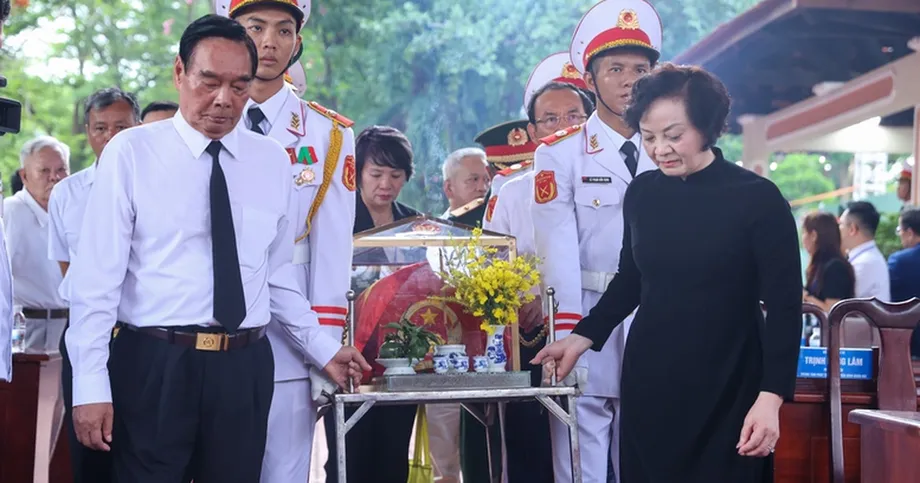
Annual events include visits to Vietnamese Heroic Mothers, families of fallen soldiers, wounded veterans and centers caring for war invalids. Organizations also repair cemeteries and memorials, offer incense and light candles in tribute.
For a family visiting a veteran or attending a memorial ceremony, the proposed change would set aside a shared day outside the usual working schedule. Hội linked that opportunity to the Vietnamese tradition commonly translated as remembering the source when drinking water: showing gratitude to the people whose sacrifices made present lives possible.
A Search Campaign and 4,000 Flowers
Hội pointed to the national campaign lasting 500 days and nights to search for and gather the remains of fallen soldiers. Launched by the National Steering Committee responsible for that work, the campaign had attracted broad public attention and answered hopes held by families and former comrades, he said.
Recovering soldiers' remains gives families an opportunity to hold burial and remembrance ceremonies. Hội cited the campaign while arguing that organized national efforts can draw people into acts of gratitude alongside the work already carried out regularly by the military and local organizations.
A memorial and burial ceremony at Lê Thị Riêng Park in Ho Chi Minh City supplied another example. According to Hội, officials, students, lottery ticket sellers, scrap collectors and other residents waited for hours to pay their respects.
A farmer from Đà Lạt brought more than 4,000 flowers to Ho Chi Minh City for people to use in bidding farewell to the fallen soldiers, Hội told lawmakers. His examples placed ordinary residents at the center of the case for a holiday: people were already making substantial efforts to attend ceremonies, and a shared day off could make participation easier for employees.
Why Supporters Chose 2027
Thoa connected the proposed start in 2027 with the 80th anniversary of War Invalids and Martyrs Day. She said the date offered an opportunity to build a lasting practice of public gratitude while marking an important anniversary.
Families would have time to visit and care for people who contributed to the country, she argued. Children and younger adults could also take part in remembrance activities with older relatives, learning about the people being honored through family and community experiences.
Hội said care and gratitude should remain daily, continuing responsibilities. His proposal would add a common date when more workers could participate together, alongside the visits, cemetery maintenance and support activities that already take place throughout the year.
The two proposed holidays have different purposes. November 24 is intended to recognize Vietnamese culture under Resolution No. 80. July 27 centers on remembrance, care for people affected by war and gratitude for service to the country. Their proposed starting years, 2026 and 2027 respectively, reflect separate provisions in the draft.
Why the Earlier Proposal Failed
The government proposed a July 27 public holiday during the 2019 revision of the Labor Code, but the proposal was dropped after opposition from most National Assembly deputies. Lawmakers disagreed about whether a national day off was the right way to observe a commemoration associated with loss.
Cao Đình Thưởng, a National Assembly deputy during that debate, warned that the feelings of bereaved families and former comrades required careful consideration.
It needs careful consideration if we decide to treat that day as a public holiday. If the public takes a day's break in the name of tribute, it could hurt the families or comrades of those who died.
Deputy Vũ Trọng Kim also opposed the proposal, expressing concern about reminding families of wartime pain. He suggested June 1, Children's Day, as an alternative public holiday. Deputy Nguyễn Tuấn Anh proposed the Vu Lan Festival, an occasion for honoring parents.
Deputy Nguyễn Anh Trí argued that July 27 should remain a day for commemorating war invalids and fallen soldiers. Other objections stressed that tribute activities already happened regularly. The renewed proposal addresses the same sensitive issue through a different emphasis: giving families and workers time to participate in remembrance and care.
How the Proposal Returned to Parliament
The current push developed through committee discussions, group meetings and the full National Assembly debate. The Ministry of Home Affairs initially said it would continue studying the suggestion. Hải subsequently told lawmakers on November 9 that the drafting agency had accepted it into the bill.
The main stages described in the debate were:
- 2019: The government proposed a July 27 holiday during the Labor Code revision, but it was dropped following parliamentary opposition.
- October 3–4: Participants at a thematic conference of the National Assembly's Committee for Culture and Society again called for a paid holiday on July 27.
- October 21: Hội raised the proposal during National Assembly group discussions.
- November 9: Hội renewed his request in the assembly chamber, and Hải announced its inclusion in the draft.
- 2026 and 2027: The proposed starting years for the November 24 and July 27 holidays, respectively.
The committee's review also recorded recommendations to study the July 27 addition. That route matters because a suggestion from a deputy must move into legislative wording before the assembly can decide whether to make it an entitlement for workers.
Businesses Seek Earlier Holiday Schedules
Holiday planning was another concern during the discussions. Hoàng Minh Hiếu, a member of the National Assembly's Committee on Law and Justice, called for clearer rules in Article 112 on swapping working days and days off around public holidays.
Such arrangements can change the shape of a holiday break and the surrounding workweek. Hiếu said late announcements had made planning difficult for businesses, particularly in tourism, as well as for agencies and individuals arranging their activities.
He suggested announcing the following year's holiday schedule around the end of May. An earlier calendar would give employers more time to arrange staffing and operations, while households could plan travel, family visits and commemorative activities.
The debate therefore concerns both the number of paid holidays and how predictably they are scheduled. For July 27, the central decision is whether remembrance should carry a legal entitlement to paid time away from work. For the annual calendar, lawmakers are also considering how to give workers and employers enough notice to organize around those breaks.
Key Points
- The Ministry of Home Affairs has accepted a July 27 paid holiday into the draft Labor Code changes, with a proposed start in 2027.
- Vietnamese Culture Day on November 24 would become a paid holiday from 2026 under the draft.
- Both additions would raise annual paid public holidays from 11 days to 13, subject to National Assembly approval.
- Supporters say July 27 would give workers more time for family visits, care and remembrance activities.
- A similar proposal failed in 2019 amid concerns about bereaved families and the meaning of the commemoration.
- Lawmakers have also requested clearer holiday scheduling rules and earlier announcements.