Higher Prices Meet Pressure to Build Rice Reserves
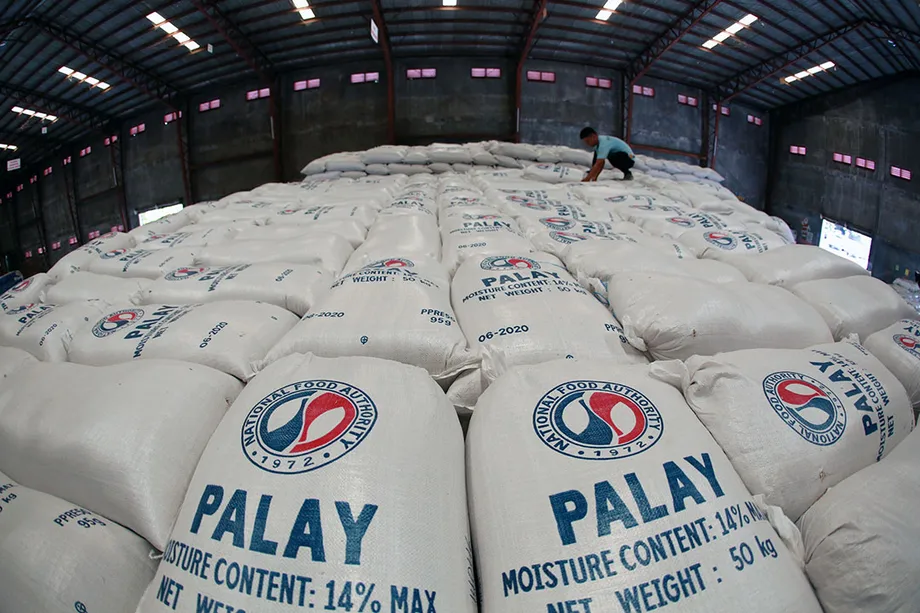
The Philippine National Food Authority is buying clean, dry palay at up to P30 per kilogram and allowing eligible farmers to sell more of their harvest to the government, as it seeks to strengthen rice reserves against a possible severe El Niño.
Contents
- Higher Prices Meet Pressure to Build Rice Reserves
- What the P30 Price Means for Farmers
- Who Can Sell Up to 500 Bags?
- A 790,000-Ton Target Faces a Smaller Expected Purchase
- Buying Stations and Trucks Bring Procurement Closer
- Cagayan Expands Facilities and Tracks Its Stocks
- Rice Reserves and P20 Distribution Serve Different Needs
- Dates and Deliveries to Watch
- Key Points
NFA Administrator Larry Lacson said about 80% of the agency's branches were buying within the P28 to P30 per kilogram range. Fresh palay is fetching around P25 to P26 per kilogram. Palay is rice before its protective outer husk has been removed, so it still needs processing before it can be cooked.
The agency has also raised its procurement ceiling from 200 to as many as 500 bags per farmer per cropping season. The higher ceiling depends on the area cultivated and the average harvest in the province, with the 500-bag allowance applying to farmers cultivating five hectares.
The NFA's purchasing target is 790,000 metric tons of palay in 2026 and the same amount in 2027. Lacson has also said the agency expects to buy at least 500,000 metric tons in 2026, amid concern that intensifying El Niño conditions could reduce local rice production.
For farmers, the changes offer a higher government buying price and more room to sell their crop directly to the agency. For the government, the challenge is to turn those purchases into rice available for reserves and assistance programs, while preparing for weather that could leave less grain to buy.
What the P30 Price Means for Farmers
Clean, dry palay commands the highest announced buying price because the grain has already undergone preparation before delivery. Freshly harvested palay contains more moisture and needs drying before it can be stored safely and processed, helping explain its lower buying price.
The P30 rate is P9 above the P21 per kilogram buying price cited for July, an increase of about 43%. At those prices, a farmer selling 1,000 kilograms would receive P30,000 instead of P21,000, a difference of P9,000 before production, drying and transport costs.
The price offered still matters at the point of sale. At P28 per kilogram, the same 1,000 kilograms would bring P28,000. Fresh palay priced at P25 to P26 would bring P25,000 to P26,000. Farmers therefore need to consider both the condition of their grain and the buying rate at the branch receiving it.
In Cagayan, NFA Branch Manager Joseph Candaba said the P30 price for clean, dry palay was intended to encourage farmers to sell directly to the agency instead of private traders. The branch's effort connects the higher price with an immediate goal: bringing more of the current harvest into government warehouses.
Who Can Sell Up to 500 Bags?
The revised ceiling gives eligible farmers a much larger potential outlet for their harvest. An increase from 200 to 500 bags adds 300 bags to the maximum seasonal allowance, making the new ceiling two and a half times the old one.
The NFA bases the permitted quantity on the average palay yield in a province multiplied by the area a farmer cultivates. Yield means the amount harvested from a given area of land. This calculation ties the quantity accepted to the harvest that the farm could reasonably produce.
Farmers cultivating five hectares may sell up to 500 bags per season under the expanded arrangement. A farmer with a smaller cultivated area would have an allowance determined by that area and the provincial yield, rather than an automatic entitlement to the maximum.
Cagayan is also accepting an alternative form of documentation for farmers without registration in the Registry System for Basic Sectors in Agriculture, or RSBSA. Candaba said they may present certification from their Municipal Agriculture Office to confirm that the palay they are selling belongs to them. This gives those farmers a way to take part in government purchasing without presenting RSBSA registration.
A 790,000-Ton Target Faces a Smaller Expected Purchase
The NFA aims to procure 790,000 metric tons of palay in each of 2026 and 2027. At the agency's 54th anniversary celebration, however, Lacson said it expected to purchase at least 500,000 metric tons in 2026 as El Niño threatened production.
A purchase of exactly 500,000 metric tons would equal about 63% of the annual target and leave a gap of 290,000 metric tons. Because Lacson described 500,000 metric tons as a minimum expectation, the final purchase could be higher.
The agency is trying to buy more rice at a time when adverse weather could reduce what farmers harvest. A higher buying price may encourage farmers to choose the NFA as their buyer, but the size of the harvest also determines how much grain is available for purchase.
Agriculture Secretary Francisco P. Tiu Laurel Jr. has said an additional P10 billion is available for palay purchases if needed. That provides financial room to purchase more grain, while the NFA's buying stations, transport and storage facilities determine how quickly it can receive and handle deliveries.
Buying Stations and Trucks Bring Procurement Closer
NFA Cagayan plans to open additional buying stations in the province and nearby provinces. Candaba said its warehouses were ready to receive palay during the harvest season, alongside efforts to widen access to government purchasing.
Distance can affect how much a farmer keeps from a sale. Transporting a harvest to a buying station takes money and time. Bringing purchasing operations closer to farming communities can reduce the journey farmers must arrange to reach a government buyer.
Nationally, the NFA has obtained 150 mobile procurement trucks for remote production areas and farming communities. Deliveries are expected by December 2026 or early 2027, placing their arrival near the transition between the agency's two annual procurement targets.
The trucks are intended to bring buying operations closer to farms. Their expected delivery schedule also means that the expansion of mobile purchasing will take place in stages, alongside the work of existing branches and buying stations.
Cagayan Expands Facilities and Tracks Its Stocks
Cagayan's preparations extend beyond the price paid at the buying station. Projects involving warehouses, drying facilities, rice mills and hauling trucks are underway in Allacapan, Camalaniugan and Rizal, according to Candaba.
Drying facilities prepare moist grain for storage, warehouses hold it, and mills remove the husk to produce rice. Hauling trucks move grain between farms and facilities. Each part serves a different step in turning a farmer's harvest into food that can be distributed.
A proposed warehouse in Claveria is awaiting completion of the land donation process. Candaba said funding was ready once that process was completed. The project therefore has a different status from the work already underway in the other municipalities.
NFA Cagayan reported holding roughly 344,000 sacks of palay, estimated to produce about 200,000 sacks of rice after milling. Milling removes the husk and other material, so the amount of finished rice is smaller than the amount of palay received. The figures give a local picture of the stock already held as the branch seeks further purchases.
Rice Reserves and P20 Distribution Serve Different Needs
The NFA's procurement drive is intended to support government rice reserves and assistance programs. Reserves provide a stock of rice that the government can draw on when supplies are disrupted or assistance is required.
In Cagayan and nearby areas, rice priced at P20 per kilogram is being distributed through redemption centers. That activity addresses the needs of consumers seeking cheaper rice, while the higher palay buying price addresses the income farmers receive for their harvest.
The two prices apply to different products at different stages. P30 is the maximum announced payment for a kilogram of clean, dry unmilled grain bought from farmers. P20 is the selling price of a kilogram of rice distributed through the assistance arrangement. Between buying palay and distributing rice come drying, storage, milling and transport.
Farmers and consumers therefore experience the program at opposite ends of the process: one sells a crop to the government, while the other obtains rice through a distribution center. The agency's facilities and purchasing operations connect those two activities.
Dates and Deliveries to Watch
The purchasing changes sit alongside preparations for a possible severe El Niño. Cagayan's October update described stronger procurement and facility work, while the national agency has set purchasing goals extending into 2027.
- July: The palay buying price was set at P21 per kilogram before the later increase to as much as P30.
- October 28, 2026: Cagayan's procurement update described P30 purchases, planned buying stations and facility projects.
- December 2026 or early 2027: Delivery of 150 mobile procurement trucks is expected.
- 2027: The NFA has another annual palay procurement target of 790,000 metric tons.
The purchasing updates gave no specific date or measured forecast for the possible severe El Niño. For farmers, the immediate developments are the buying rate, the allowance tied to their cultivated area and the availability of a nearby purchasing station. For the NFA, the next practical steps include receiving the trucks and advancing the facilities needed to handle more grain.
Key Points
- The NFA is paying up to P30 per kilogram for clean, dry palay, with fresh palay fetching around P25 to P26.
- The seasonal sales ceiling has increased from 200 to as many as 500 bags, depending on farm area and provincial yield.
- The agency targets 790,000 metric tons annually in 2026 and 2027, while expecting at least 500,000 metric tons in 2026.
- An additional P10 billion is available for purchases if needed, according to Agriculture Secretary Francisco P. Tiu Laurel Jr.
- Delivery of 150 mobile procurement trucks is expected by December 2026 or early 2027.
- Cagayan is expanding purchasing access and facilities while distributing P20 rice through redemption centers.