From a record slide to an uneven recovery
The Philippine peso fell through 64 per US dollar to a record closing rate of 64.17 on October 27, 2026, extending a slide that had pushed it to 63.80 during early trading a day earlier. By November 4, the currency had recovered to 63.535, although another daily decline showed that pressure had not disappeared.
Contents
- From a record slide to an uneven recovery
- How the exchange rate moved
- The peso was among Asia's weakest currencies
- Why US interest rates and oil mattered
- What households and businesses face
- Remittance recipients gain more pesos, with limits
- Why the BSP separates inflation from currency defence
- Foreign reserves provide a buffer
- Building confidence requires more than higher rates
- Key Points
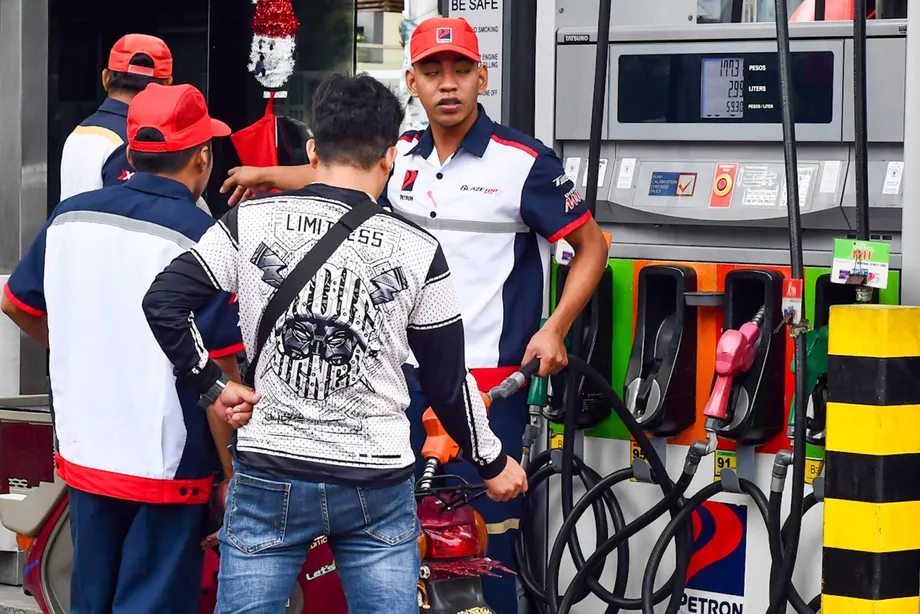
The movement matters far beyond currency trading. A weaker peso increases the local cost of buying dollars to pay for imported fuel, food ingredients and machinery. Families receiving money in dollars can get more pesos, while businesses and borrowers with dollar bills face higher expenses.
The Bangko Sentral ng Pilipinas (BSP) had already raised its policy interest rate by 50 basis points, or half a percentage point, to 5.5% on October 22. The increase was its fourth in succession. The peso nevertheless continued weakening as investors weighed US monetary policy, a strong dollar and tensions involving Iran that pushed up oil prices.
BSP Governor Eli Remolona Jr. described the purpose of the increase in direct terms when speaking to reporters:
We're not hiking the policy rate to defend the peso,
His explanation places inflation at the centre of the response. Higher interest rates can reduce spending and borrowing, helping restrain price increases. Supporting the currency requires a wider response, according to former BSP Deputy Governor Diwa C. Guinigundo, including stronger exports, productive investment and greater confidence in public institutions.
How the exchange rate moved
On Monday, October 26, the peso opened at 63.535 per dollar before weakening to 63.80 by 9:33 a.m., according to Bankers Association of the Philippines (BAP) data. That passed the previous record of 63.62; another intraday account put the October 26 low at 63.81.
The next session brought a deeper fall. The peso opened at 63.95, briefly strengthened to 63.90 and then reached 64.20 per dollar during trading. It closed at 64.17, compared with the previous close of 63.95, marking a sixth consecutive record closing low.
The main dates trace both the decline and the subsequent recovery:
- October 22: The BSP raised its policy rate by half a percentage point to 5.5%.
- October 26: The peso weakened to about 63.80 per dollar during morning trading.
- October 27: The currency reached 64.20 during the session and closed at a record 64.17.
- October 27 and 28: The US Federal Reserve was scheduled to meet, with markets expecting unchanged interest rates ahead of the decision.
- November 3: The peso closed at 63.47 per dollar.
- November 4: It closed at 63.535, weakening by 6.5 centavos after four days of gains.
The November 4 close meant buying $1,000 cost 63,535 pesos before fees, compared with 64,170 pesos at the October 27 closing rate. That was a reduction of 635 pesos, illustrating how even a partial currency recovery changes the cost of a dollar payment.
The peso was among Asia's weakest currencies
An October 26 snapshot at 0211 GMT showed the peso bid at 63.788 per dollar, down 0.36% from 63.561 the previous trading day. The Indonesian rupiah was down 0.26% at 18,087 per dollar. Both fell more than the other Asian currencies in that comparison.
The same figures showed the peso had lost 7.82% of its dollar value since the end of 2025, when the exchange rate was 58.800. Indonesia's rupiah had declined by an almost identical 7.83%, from 16,670 per dollar.
Asia's currencies were moving in different directions over the year. The Thai baht had fallen 6.90%, while the South Korean won had gained 8.82% and China's yuan had risen 4.77%. Those differences show that pressure on the peso formed part of a wider market story, with national economic conditions also shaping each currency's performance.
The exchange rate becomes easier to understand when expressed as a purchase. At 58.800, a $100 bill required 5,880 pesos. At the October 26 bid of 63.788, it required 6,378.80 pesos, an increase of 498.80 pesos before charges. The peso cost of buying dollars rose about 8.5%; the reported 7.82% decline measures the change in the peso's value in dollars.
Why US interest rates and oil mattered
The Federal Reserve's October 27 and 28 meeting was a focus for traders during the initial record slide. Markets widely expected the Federal Open Market Committee, which sets US monetary policy, to leave rates unchanged.
US interest rates influence the returns investors can earn on dollar assets. Expectations about those returns can shift demand for dollars, affecting how much other currencies are worth. Investors also consider whether a currency may lose value while they hold it, rather than comparing interest rates alone.
Oil added another source of pressure. Brent crude reached $117 per barrel during a period of escalating tensions involving Iran, as US President Donald Trump raised the prospect of renewed military action. The uncertainty also encouraged demand for the dollar as a place to hold money during market stress.
The Philippines imports much of its energy requirements. More expensive oil increases the dollar bill for those purchases. A weaker peso then raises the local currency cost of paying that bill, exposing importers to both the oil price and the exchange rate.
What households and businesses face
Importers buying fuel, food ingredients, raw materials and machinery need more pesos when their dollar payments fall due. Businesses may absorb some of the increase through lower profits or pass part of it to customers through higher prices.
Fuel costs can spread through the economy because goods need transport and factories need energy. The size and timing of any price increase depend on purchasing contracts, inventories, competition and how much a business can absorb.
Inflation was reported at 7.2%, its highest level in three years, adding urgency to the central bank's response. Inflation measures how quickly consumer prices rise. For a household whose income stays unchanged, rising prices mean the same budget buys less.
Companies and the government also face higher peso costs when repaying debt denominated in dollars, unless they have dollar income or arrangements that protect them against exchange rate movements. Machinery purchases and other investment plans can become more expensive for the same reason.
Remittance recipients gain more pesos, with limits
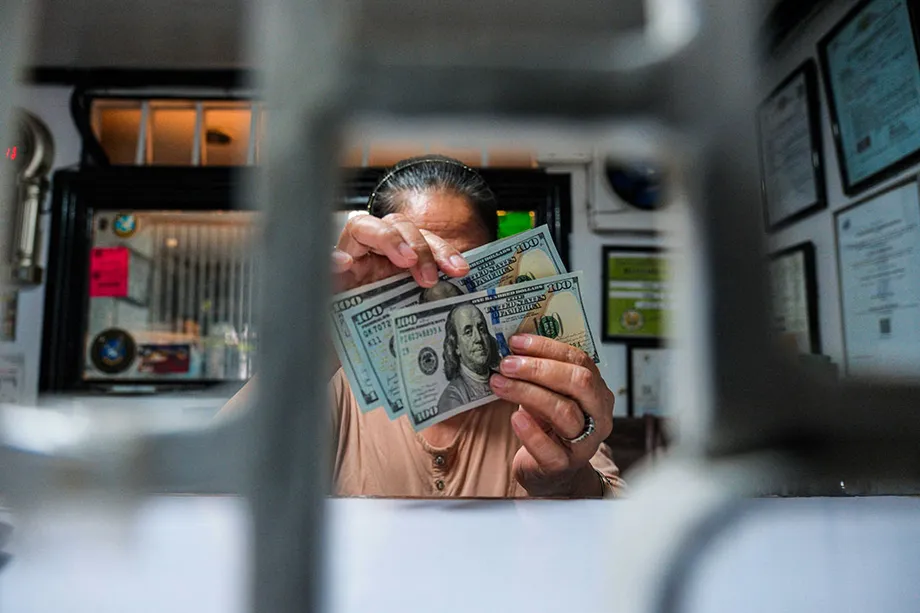
Families receiving dollars from relatives overseas can benefit from a weaker peso. A $100 transfer converted at 63.788 would produce 6,378.80 pesos before charges, compared with 5,880 pesos at the end of 2025 rate.
The amount a family receives depends on the provider's exchange rate, transfer fees and the sum sent. Higher local prices can also absorb part of the extra pesos, especially when household spending includes goods affected by imported fuel or ingredients.
Exporters earning dollars may receive more pesos when converting their revenue. Their gains depend partly on their own costs: an exporter buying imported materials or paying dollar debts also faces larger peso expenses. The currency movement therefore affects firms differently, even within the same industry.
Why the BSP separates inflation from currency defence
Remolona said the BSP intervenes in the foreign exchange market mainly to limit exchange rate swings that can feed inflation. Intervention can involve selling dollars from reserves, increasing the supply available to buyers.
The governor explained the concern behind that approach:
We worry about the big swings in the exchange rate, because if the swing is big enough, it becomes inflationary. And our mandate remains fighting inflation,
Remolona declined to disclose the threshold the BSP uses to judge when depreciation becomes inflationary, saying publication could help speculators decide when to trade. The bank's stated approach focuses on disruptive movements rather than maintaining a publicly specified peso rate.
Bank of the Philippine Islands lead economist Emilio Neri Jr. said the BSP might consider a rate increase outside its regular meeting schedule if the currency's decline became too rapid. Such a move would bring forward a policy decision instead of waiting for the next scheduled review.
Guinigundo, now a country analyst at GlobalSource Partners, argued that rate decisions need to reflect inflation and wider economic conditions. Higher rates can make peso investments more attractive, but they also raise borrowing costs for households and businesses.
Foreign reserves provide a buffer
The BSP's gross international reserves stood at $99.997 billion in September, described as the lowest level in three years. Another account cited reserves of $99.5 billion, without specifying the measurement date, against a February record of $113.264 billion.
Using the September figure, the decline from February was $13.267 billion, or about 11.7%. Reserves are foreign assets held by the central bank that help it meet external financial needs and respond to market pressure.
The BSP has said it does not use reserves solely to counter peso weakness. Remolona has also warned that aggressive intervention against a broadly strengthening dollar can drain reserves while external pressure continues.
Neri called for preserving a sufficient buffer because the duration of the Middle East conflict was uncertain. A prolonged disruption would keep attention on the country's ability to finance imports and other foreign payments.
Building confidence requires more than higher rates
Guinigundo's proposed response starts with the Philippines earning more foreign currency. He called for stronger agriculture and manufacturing, more competitive exports, lower power and transport costs, and public investment that produces measurable economic and social returns.
More domestic production can reduce the need for some imported goods. Stronger exports bring in foreign currency to help pay for purchases abroad. Productive investment can expand that earning capacity over time.
Guinigundo also proposed considering incentives for overseas Filipino workers and business process outsourcing firms to retain and invest more foreign currency earnings domestically, provided the arrangements deliver attractive commercial returns and credible safeguards.
Public spending and institutional trust were central to his argument. He called for independent audits, transparent procurement, accountability and predictable policies, saying investors assess the protection of their investments alongside expected returns.
Guinigundo, a former BSP deputy governor, summed up his view of how a stronger currency can be sustained:
It must be earned through stronger economic fundamentals, sustainable foreign exchange earnings, productive investments and institutional credibility,
The recovery to 63.535 by November 4 reduced the peso cost of dollars from the October record. Households, companies and policymakers still faced the same practical challenge: managing immediate price pressure while increasing the economy's ability to produce goods, attract investment and earn foreign currency.
Key Points
- The peso reached 64.20 per dollar during trading and closed at a record 64.17 on October 27.
- It recovered to 63.535 by November 4, although it weakened that day after four sessions of gains.
- The BSP raised its policy rate to 5.5% on October 22, saying its priority was inflation rather than defending a particular exchange rate.
- Dollar strength, uncertainty over US monetary policy and oil price volatility pressured the currency.
- A weaker peso raises import and dollar debt costs while increasing the peso value of dollar remittances and export earnings.
- Guinigundo called for stronger production, exports, productive investment and institutional credibility to support a lasting recovery.