A Tk 1 crore shelter for an island facing a much larger need
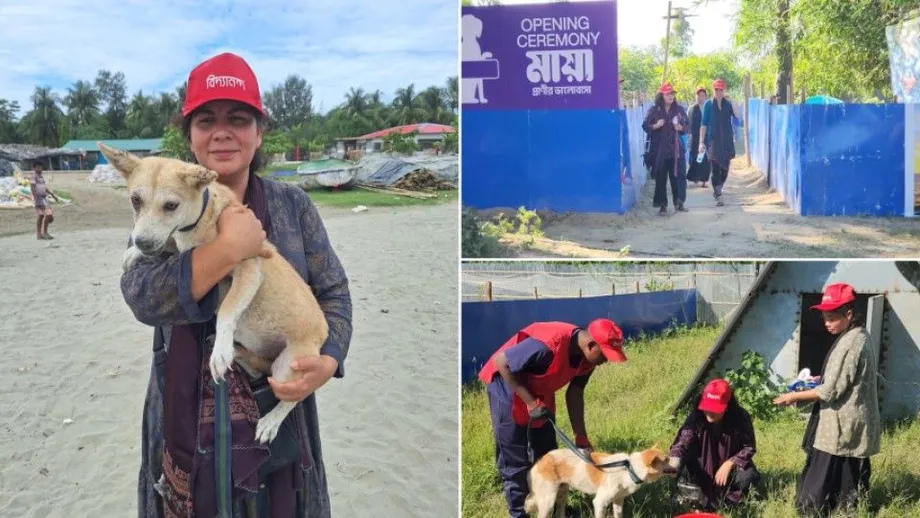
Bidyanondo Foundation has opened a permanent shelter on Bangladesh's St Martin's Island at a cost of Tk 1 crore, bringing food, veterinary treatment and sterilisation to a place where residents estimate that more than 4,000 stray dogs compete for limited care. The facility was formally inaugurated on November 1, 2026, by the foundation's founder and chairman, Kishor Kumar Das.
Contents
- A Tk 1 crore shelter for an island facing a much larger need
- Why the loss of tourists also meant the loss of food
- How the shelter will use its 240 places
- Sterilisation addresses the pressure from repeated litters
- What the government's draft plan proposed
- Protecting wildlife while caring for dogs
- The dates behind the shelter and the policy debate
- What residents and volunteers can contribute
- Key Points
The shelter has 20 units, each able to accommodate up to 12 dogs, and two veterinarians supervising medical care. Its capacity of about 240 animals amounts to roughly 6% of a population of 4,000. Its work will therefore depend on treating dogs and returning healthy animals to the island, while keeping those that need further care.
The opening connects two problems that have become closely linked on Bangladesh's only coral island: animal suffering and pressure on a fragile environment. Dogs have depended heavily on food discarded by tourism businesses. Restrictions intended to protect the island reduced that supply, leaving animals struggling to find enough to eat.
The foundation's initiative also comes against the backdrop of a government draft master plan described in November 2025. That plan proposed sterilisation, vaccination, surveys and controls on new pets arriving on the island, alongside broader measures to protect biodiversity. The shelter now provides a permanent place where some of that work can happen, although the scale of need extends far beyond its accommodation.
Why the loss of tourists also meant the loss of food
Mohammad Jamal Uddin, a board director of Bidyanondo Foundation, described how closely the dogs' food supply had become tied to visitors and the businesses serving them:
For years, St Martin's dogs lived largely off scraps from the tourists, hotels and restaurants that crowded the island. When the government restricted tourism to protect Bangladesh's only coral island, with the crowds gone, so was the food.
The government's draft master plan identified the same dependence on discarded food. During the tourist season, hotels and restaurants generate more scraps. Outside that season, the supply falls. For dogs living on the streets, the change can mean hunger, malnutrition and less strength to recover from illness or injury.
Residents also face the difficulty of caring for thousands of animals with limited resources. Food is only one part of the burden. Sick dogs need veterinary attention, injured animals need somewhere to recover, and repeated litters increase the number requiring support.
Das said the neglected condition of the dogs and incidents in which several had been brutally killed helped prompt the shelter project. His aim was to establish continuing care rather than rely on occasional distributions of food or temporary medical assistance.
How the shelter will use its 240 places
Dogs rescued from the streets will receive treatment and undergo sterilisation at the facility. Animals that are sick or injured and need further attention will stay there. Healthy dogs will be released back onto the island after care.
The approach makes the shelter a centre for treatment and recovery as well as accommodation. A dog needing a longer recovery can occupy a place until its condition improves, while another animal may require a shorter stay. The number helped over time will depend on how quickly animals recover and how much treatment the veterinary team can provide.
Two veterinarians oversee medical care across the 20 units. The opening accounts give no figures for dogs already admitted, operations completed, average recovery times or the continuing operating budget. Those details will be needed to assess how much care the facility delivers beyond its physical capacity.
The Tk 1 crore construction cost equals Tk 10 million. Keeping the shelter running will require continuing spending on food, medicines, veterinary staff and maintenance. Its organisers identify dependable funding and the availability of veterinary personnel as conditions for lasting results.
Sterilisation addresses the pressure from repeated litters
Jessica Maria, a volunteer from Peru, described frequent litters as a major reason the dog population keeps growing. She also highlighted tumours and skin diseases among the animals, pointing to a need for treatment alongside efforts to prevent more births.
Sterilisation is an operation that prevents an animal from reproducing. For female dogs, it prevents future pregnancies. Its effect on the population takes time: fewer puppies are born, while the dogs already on the island continue to need food, shelter and medical attention.
The foundation intends to combine those two tasks. Treating a sick dog addresses immediate suffering. Sterilising dogs reduces the number of future litters competing for the same limited resources. A programme focused on only one task would leave the other need unresolved.
The German volunteer identified as Jolpia described sick animals being brought in from the streets for treatment and recovery. She said the work must continue animal by animal, even though the island's problems cannot be solved all at once. Her account also points to the practical demands on the shelter: each rescue requires care, space and staff time.
What the government's draft plan proposed
The Ministry of Environment, Forest and Climate Change's draft master plan, described in November 2025, estimated that St Martin's had between 3,300 and 4,500 free roaming dogs, with about 27% already sterilised. Residents describing the shelter opening put the population above 4,000, while other opening accounts placed it just below that figure. The November 2025 coverage also used an estimate of about 7,000 outside its description of the draft, leaving no single agreed population count.
The draft recorded that approximately 1,917 dogs had received vaccinations. Vaccination and sterilisation serve different purposes: vaccination protects against particular diseases, while sterilisation prevents reproduction. Both were included in the proposed island programme.
The plan listed targets of 90% sterilisation during 2025, sterilisation of all female dogs by 2026, and full population control by 2030, alongside an ambition to sterilise all dogs by that final year. These were proposed targets. No updated results accompanying the shelter opening show how far the government programme had progressed toward them.
The wider master plan contained 26 projects with an estimated combined cost of Tk 547.9 billion. That figure covered the broader programme for the island, rather than the dog shelter or dog management alone. Proposed animal measures included population surveys, regulated feeding, restrictions on bringing in new pets, sterilisation of pet dogs and public awareness about animal care and safety.
Protecting wildlife while caring for dogs
The draft plan described risks affecting wildlife, residents, visitors and the dogs themselves. It identified attacks on turtle eggs and hatchlings, dog bites involving people, concerns about rabies and other diseases, and fear that can disrupt daily movement around the island.
Animal welfare formed another part of the government's assessment. The draft described dogs suffering from hunger outside the tourist season, as well as disease, injury and malnutrition. The challenge is therefore to reduce pressure on wildlife and people while providing humane care for animals already living there.
Sterilisation can reduce future births, but animals returned to the island will still need food and will continue to share space with people and wildlife. The shelter's treatment programme sits alongside the wider tasks identified in the draft, including waste and feeding management, vaccination and population monitoring.
Barrister Rabab Chowdhury, project director of the People for Animal Welfare Foundation, questioned whether complete sterilisation across the island was feasible. She argued that population control was achievable while expressing concerns about the proposed scale of intervention and its effect on the future dog population. Her comments show why the reach and purpose of the programme have become subjects of debate.
The dates behind the shelter and the policy debate
The shelter opening followed government planning that had begun publicly more than a year earlier. The main dates trace a move from island conservation proposals to a permanent facility for animal care:
- January 22, 2025: Environment adviser Syeda Rizwana Hasan announced plans for a master plan to conserve and improve the island's environment and biodiversity, with coordination between government and nongovernmental organisations.
- November 29, 2025: Details of the draft master plan were described publicly, including dog population estimates, vaccination figures and sterilisation targets.
- December 20, 2025: The deadline set for written public comments on the draft plan.
- November 1, 2026: Bidyanondo Foundation formally inaugurated the permanent dog shelter.
- 2026: The year proposed for completing sterilisation of all female dogs.
- 2030: The final year proposed for full dog population control and sterilisation coverage.
Dr Fahmida Khanam, an additional secretary at the environment ministry, said during the draft consultation that protecting the island's rare biodiversity was a state responsibility. She explained that people could submit views and that the master plan would be finalised on the basis of those comments.
The shelter adds a place for practical care to that policy discussion. Coordination with government sterilisation programmes will matter because the foundation's facility and the public programme are addressing the same island population.
What residents and volunteers can contribute
Jamal Uddin has encouraged islanders, visitors and animal lovers to visit the shelter during the tourist season, see the units and observe the care provided. The foundation is also seeking feedback about what works, what needs improvement and where assistance is most needed.
Volunteers from Germany and Peru have already joined the effort. Their involvement adds help to the shelter's work, while the continuing need for trained veterinary staff remains central to treatment and sterilisation. Support from residents will also matter for finding sick animals and sustaining humane management beyond the shelter grounds.
The facility gives injured and ill dogs a place to recover, but most of the island's dogs will continue living outside it. Its contribution will depend on a steady flow of treatment, sufficient recovery space, fewer new litters and cooperation with the broader public programme. Those are the practical connections between a shelter for 240 animals and an island population numbering in the thousands.
Key Points
- Bidyanondo Foundation inaugurated the St Martin's Island dog shelter on November 1, 2026, at a cost of Tk 1 crore.
- The facility has 20 units, capacity for about 240 dogs and two veterinarians supervising care.
- Sick and injured dogs will stay for further treatment; healthy animals will be released after care.
- Residents estimate that more than 4,000 stray dogs live on the island, where reduced tourism has cut access to food scraps.
- A government draft plan proposed vaccination, sterilisation, surveys and other controls, with targets extending to 2030.
- Continuing funding, veterinary staffing, government coordination and community support will determine how many animals the shelter can help.