A dedicated law for protecting the public interest
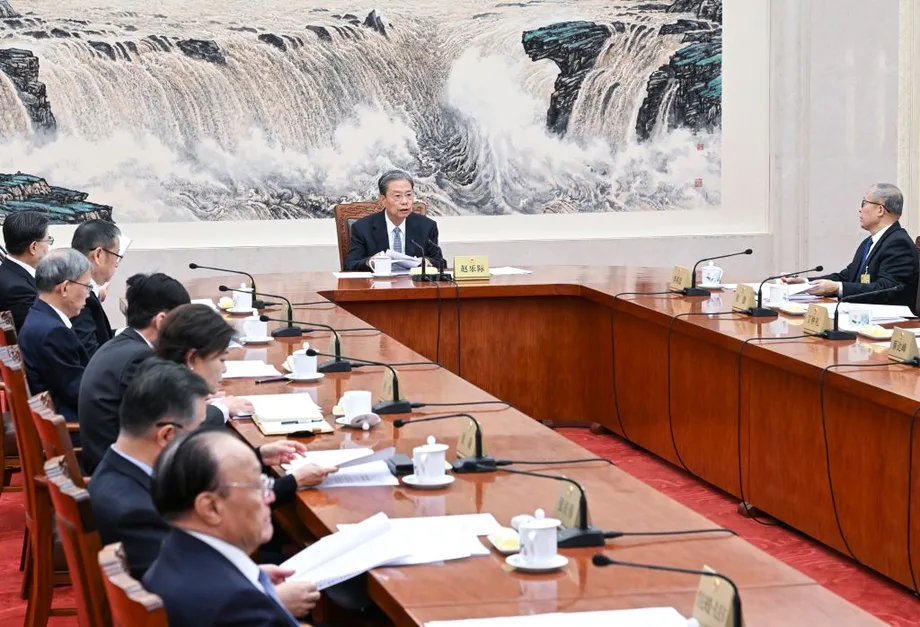
China adopted the Procuratorial Public Interest Litigation Law of the People's Republic of China on November 6, 2026, creating a dedicated legal framework for prosecutors to bring cases that protect national interests and the interests of the wider public. It will take effect on January 1, 2027.
Contents
- A dedicated law for protecting the public interest
- What public interest litigation means
- Correcting problems before going to court
- Accessibility and heritage entered the final debate
- Who should bring a civil case?
- How the law connects with environmental rules
- Public comments shaped the revisions
- From a trial programme to a national law
- Key Points
The law passed at the 25th session of the Standing Committee of the 14th National People's Congress. Its 53 articles, arranged in six chapters, cover general provisions, jurisdiction, case filing and investigation, the initiation of lawsuits, trials, enforcement and supplementary provisions.
The legislation gives a separate statutory framework to a system that began as a trial in 2015 and expanded nationwide in 2017. Between July 2015 and September 2025, prosecutors handled more than 1.22 million public interest litigation cases, according to official figures published by the Supreme People's Procuratorate.
For the public, the law concerns problems whose effects reach beyond a single person, including environmental damage, unsafe food, failures to protect children and barriers affecting people with disabilities. It sets rules for how prosecutors investigate such problems, seek corrective action and bring proceedings.
What public interest litigation means
Public interest litigation addresses harm to interests shared by a community or society. An ordinary lawsuit might seek compensation for one person's injury. A public interest case can seek action against a problem affecting many people, including people who have not brought a claim themselves.
China's procuratorates, the institutions through which prosecutors work, can pursue both administrative and civil public interest litigation. Administrative cases concern whether a government body has properly carried out its legal responsibilities. Civil cases address conduct harming public interests through the civil justice system.
The adopted law specifies the fields covered by both routes, the content and procedures of prosecutorial recommendations, and how the legislation connects with other laws. Those connections matter because prosecutors, courts, public authorities and other eligible organisations each have different responsibilities within the same case.
Correcting problems before going to court
Prosecutors have generally sought to resolve public interest concerns before filing lawsuits. A central tool is the procuratorial suggestion, a formal recommendation asking an administrative authority to fulfil its legal duties and address a problem.
The Supreme People's Procuratorate's November 2 account said prosecutors issued more than 868,000 such recommendations to administrative authorities between July 2015 and September 2025. It reported a rectification response rate of 98.5 percent.
That approach makes the stage before a lawsuit especially important. An authority receiving a recommendation has an opportunity to take corrective action before the dispute reaches court. The new law expressly regulates the recommendations' content and procedures, bringing this widely used practice into its dedicated framework.
The figures also show the scale of work outside the courtroom: more than 868,000 recommendations were issued during a period in which prosecutors handled more than 1.22 million cases. For residents affected by a public interest problem, corrective action can begin through this process rather than waiting for a court judgment.
Accessibility and heritage entered the final debate
Lawmakers expanded the proposed scope of protection during the legislative process. The second reading in June 2026 added protections for older people, people with disabilities and other groups. The third reading draft presented on November 2 explicitly included the building of accessible environments.
Accessibility means making places and services usable by people with different physical or other needs. Naming it as a field for public interest litigation would give prosecutors an express basis to address failures affecting groups of users, rather than treating every barrier solely as an individual dispute.
National People's Congress deputies Dai Yin and Zhang Ronghua were among those who recommended adding accessibility provisions. The third reading draft also changed the description of another field from protection of cultural relics and other cultural heritage to the broader wording, protection of cultural heritage.
The detailed provisions described during the November debate were provisions of the third reading draft. The adoption announcement confirmed the law's passage, structure and main subjects, but did not reproduce its final article by article wording.
Who should bring a civil case?
The third reading draft also addressed situations in which another body or organisation already has a legal right to bring civil public interest litigation. Before filing its own case, a procuratorate would have to issue a public notice or use another method to urge those eligible bodies or organisations to sue.
This procedure gives an institution already authorised by law an opportunity to act. It also sets out a role for prosecutors before they initiate proceedings themselves, making the order of action clearer when several institutions may be involved.
Deputies Shi Jialun and Wang Lifeng had proposed adding exceptions to the public notice procedure. The wording presented for the third reading allowed notice or other methods of urging eligible institutions to bring proceedings.
The same draft clarified when an initial court decision becomes legally effective: when the defendant has not appealed within the prescribed period and the procuratorate has not lodged a protest within its deadline. A prosecutorial protest is a formal challenge to a court decision. The timing matters because it determines when the first judgment or ruling takes legal effect.
How the law connects with environmental rules
Environmental protection was one of the earliest fields covered by China's procuratorial public interest litigation system. The new legislation was developed alongside the Ecological and Environmental Code, which took effect in August 2026.
Huang Haihua, spokesperson for the Legislative Affairs Commission of the National People's Congress Standing Committee, explained before the final reading that the draft connected the two legal frameworks. It included the ecological environment among the fields eligible for both administrative and civil public interest litigation.
Huang said the draft detailed the use of prosecutorial recommendations before administrative proceedings to urge authorities to carry out their responsibilities. It also addressed procedures before civil litigation, filing deadlines, the requests prosecutors can make to courts and responsibility for providing evidence.
These are practical parts of a case. A filing deadline determines how long a prosecutor has to start proceedings. A request to the court identifies the action sought. Rules on evidence determine which participant must support a claim with facts. Together, they guide how an environmental concern moves from investigation to a decision that can be enforced.
Public comments shaped the revisions
The draft was open for public comment from June 26 to July 25, 2026, following its second reading. The National People's Congress website received 2,482 comments from 758 participant submissions during that consultation.
Legislators also sought views through a platform for National People's Congress deputies and invited some deputies to discussions. Suggestions addressed the fields covered by litigation, procedures before a case reaches court and supervision of what happens after a ruling.
Members of the public proposed using the broader term cultural heritage protection and adding provisions for prosecutorial supervision of enforcement activities. Enforcement is the stage at which a judgment is put into practice, so its rules affect whether a successful case leads to the required action.
At an October 30 briefing, Huang identified four main areas for revision: the scope of eligible cases, jurisdiction and trial procedures, procedures before civil lawsuits, and supervision of prosecutors' public interest litigation work. He said the legislation was intended to protect national and public interests while regulating prosecutorial activity and safeguarding participants' lawful rights.
From a trial programme to a national law
China's public interest litigation system grew over more than a decade before receiving this dedicated law. Its responsibilities expanded from environmental protection and food and drug safety to child protection, workplace safety, data privacy and efforts against telecommunications fraud.
The legislative timetable brought together that experience, public consultation and successive reviews:
- 2015: Procuratorial public interest litigation began on a trial basis.
- 2017: The system was introduced nationwide.
- June 2026: Lawmakers conducted the draft's second reading.
- June 26 to July 25, 2026: The draft was open for public comment.
- August 2026: The Ecological and Environmental Code took effect.
- November 2, 2026: The third reading draft went before the Standing Committee.
- November 6, 2026: The Standing Committee adopted the law.
- January 1, 2027: The law takes effect.
Procuratorates, courts and administrative authorities now have a fixed commencement date for the new framework. Its central task is to set clearer rules across the life of a public interest case, from identifying harm and collecting evidence to seeking corrective action, obtaining a judgment and carrying it out.
Key Points
- China adopted its Procuratorial Public Interest Litigation Law on November 6, 2026. It takes effect on January 1, 2027.
- The law contains 53 articles in six chapters and covers administrative and civil public interest litigation.
- Prosecutors handled more than 1.22 million public interest cases from July 2015 to September 2025.
- During that period, more than 868,000 recommendations to administrative authorities achieved a reported rectification response rate of 98.5 percent.
- The third reading draft addressed accessibility, cultural heritage, civil procedures, court decisions and links with environmental legislation.