Financing talks advance, but the power timetable is slipping
The Philippines is exploring up to $5 billion in financing from the US International Development Finance Corporation (DFC) for private nuclear power projects, even as its latest draft procurement schedule points to electricity deliveries starting around 2038, six years after the government's first nuclear capacity target.
Contents
- Financing talks advance, but the power timetable is slipping
- What the proposed US financing would cover
- Three institutions could support different stages
- Why 2032 and 2038 both appear in government planning
- A new regulator needs time to prepare
- Smaller reactors still face commercial tests
- Bataan is one option among six locations
- Demand is rising before nuclear power can arrive
- The milestones to watch
- Key Points
Department of Energy (DOE) Undersecretary Giovanni Bacordo said discussions included debt that could be repaid over 25 years. Nothing has been signed. The proposed support would go to private power companies investing in nuclear generation, rather than take the form of a loan to the Philippine government.
The financing talks address one part of a much larger task: turning interest from energy companies into licensed plants that can reliably supply electricity. Developers must also settle on technologies and locations, complete studies, secure approvals and arrange construction.
The Philippine Energy Plan 2023–2050 calls for 1,200 megawatts of nuclear capacity by 2032, rising to 2,400 MW by 2035 and 4,800 MW by 2050. Those are planning targets. DOE Director Patrick Aquino said the latest circulated draft nuclear energy tender contemplated delivery schedules beginning around 2038, while the government was keeping its 2032 goal.
For households and businesses, the difference matters. A possible financing package can help projects progress, but electricity arrives only after a plant is completed and authorised to operate. The emerging procurement timetable puts the proposed nuclear contribution later than the country's immediate growth in demand.
What the proposed US financing would cover
Bacordo said the potential DFC support was discussed during a Philippine delegation's visit to the United States. He described both the possible repayment period and the intended borrowers:
As I understood it, it is payable for over 25 years. This offer is for the private power corporations desiring to invest in nuclear energy for power generation,
Private developers would therefore carry the borrowing obligations attached to their projects. Under the model described by the DOE, initial development would use commercial financing rates without sovereign guarantees, meaning the government would not promise to repay the debt if a developer could not.
A repayment period extending over decades could spread borrowing costs across a plant's operating life. The eventual interest rate, construction cost and repayment conditions would still shape how much electricity must earn to cover the investment. No final lending terms or allocations to individual companies have been announced.
The $5 billion figure is a potential financing ceiling. Turning it into individual loans would require projects that lenders are willing to fund and developers prepared to accept the terms.
Three institutions could support different stages
The DOE is discussing several forms of financial support because a nuclear project needs money well before construction begins. Early spending includes examining a location, comparing reactor designs and working out whether the project can meet safety and commercial requirements.
The US Export-Import Bank's engineering multiplier programme has been discussed as a possible source of support for feasibility studies and design services. A feasibility study examines whether a proposed plant can realistically be built and operated at a particular location, and what it might cost.
The Asian Development Bank is involved in discussions about credit enhancements to help make projects bankable. In plain terms, these are arrangements intended to give lenders greater confidence that they will be repaid. The precise arrangements for Philippine nuclear projects remain under discussion.
Manila Electric Co., known as Meralco, has already received $2.8 million in technical financial assistance from the US Trade and Development Agency. That earlier assistance supports preparatory work, while the much larger DFC discussions concern potential debt for private investment in nuclear generation.
Why 2032 and 2038 both appear in government planning
Aquino, a DOE director who also heads the secretariat of the Nuclear Energy Program Inter-Agency Committee, said the government was retaining its published target to keep agencies working toward nuclear development. At the same time, he identified a later schedule in the procurement process.
Aquino described the timing in the latest draft tender:
But in terms of the draft of the nuclear energy tender, we did indicate already that the delivery schedules being contemplated would start around 2038, at least in the latest version that we've circulated to the public,
A tender sets out the terms under which companies can offer to supply electricity. Its delivery schedule matters to developers because it helps determine when they would need a plant ready and when they could begin earning revenue from the contracted supply.
The DOE was still developing the first nuclear generation procurement framework as of September 2026. Potential developers are expected to submit formal proposals by 2027. The timing in those proposals, and in the eventual procurement rules, will provide a firmer picture of when construction and generation could occur.
A new regulator needs time to prepare
William Magwood, director general of the Nuclear Energy Agency, said in November 2026 that the Philippines had people, expertise and leadership that could support a successful nuclear programme. His assessment of the operating timetable was more cautious.
Speaking on the sidelines of the Philippine Nuclear Regulatory Framework Workshop, Magwood said the country's young regulator and the time needed for project development made operation within five or six years unlikely:
It simply takes longer than that. These take years to go through, and the regulator is still very nascent. It's getting started. So no, it won't happen in five years or six years, but it will certainly happen within the foreseeable future,
Republic Act No. 12305, the Philippine National Nuclear Energy Safety Act, was signed in September 2025. It established the Philippine Atomic Energy Regulatory Authority as an independent body with regulatory responsibility for nuclear activities.
For a proposed power plant, regulatory work includes examining whether the design, location and operating arrangements satisfy safety requirements. A developer's ability to raise money and a regulator's decision to permit a project are separate steps, both necessary before electricity production can begin.
Smaller reactors still face commercial tests
The Philippine strategy relies heavily on the commercial rollout of small modular reactors, often called SMRs. These produce less power per unit than large conventional reactors and are designed to use modules that can be manufactured and assembled as part of a wider construction process.
US industry executives have indicated possible early deployment around 2028 for micro modular reactors, which are smaller still, and around 2030 for SMRs. Those dates remain subject to validation through demonstration, licensing and delivery progress.
The technology timetable and the Philippine project timetable describe different things. A reactor becoming available commercially would give developers a technology option. A Philippine plant would also need an approved location, financing, construction arrangements and permission from the country's regulator.
The DOE has discussed technologies, financing, project development and workforce training with Korea Hydro and Nuclear Power, Russia's Rosatom, Canada's CANDU and Japan Atomic Power Company. These discussions give the programme several possible partners to consider as developers assess what they could build.
Bataan is one option among six locations
Bataan, Batangas, Masbate, Pangasinan, Palawan and Camarines Norte are among the locations under consideration. Their inclusion identifies places being examined; the programme has yet to settle the final combination of sites, developers and reactor designs.
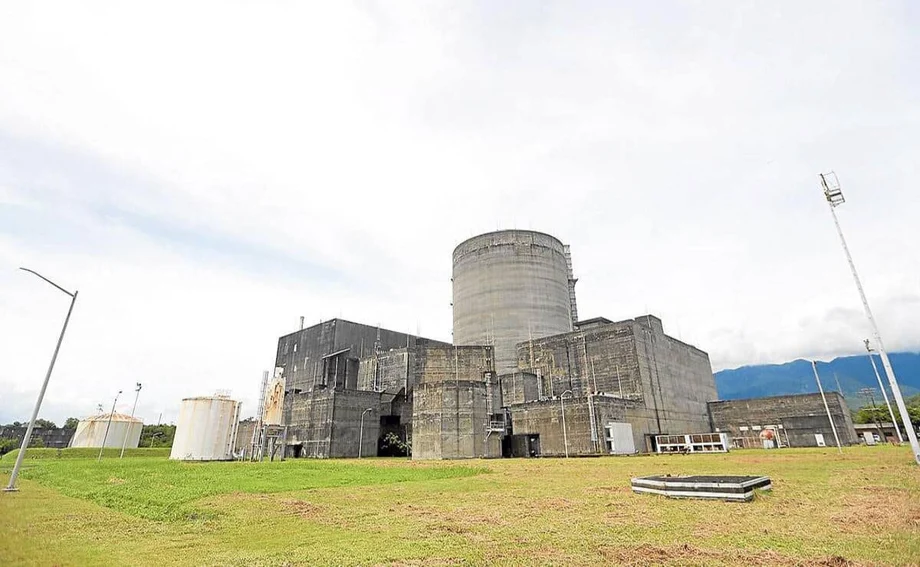
Bataan has a distinctive place in that process because its nuclear power plant was completed in 1986 but never operated. The facility was left unused amid safety concerns and allegations of corruption, and efforts to revive it have faced opposition.
Energy Secretary Sharon Garin said an initial feasibility study found a nuclear project at the mothballed Bataan site technically feasible, including an option involving conversion for small modular reactors. Work at the existing site could therefore take a different form from bringing the original reactor into operation.
Meralco, Aboitiz Power, San Miguel Power and Prime Infra have expressed interest in nuclear power. Formal proposals expected by 2027 should help show which companies intend to proceed, which technologies they favour and how they would finance development.
Demand is rising before nuclear power can arrive
Philippine peak electricity demand is projected to reach 22,231 MW in 2027, up from 20,088 MW in 2026. The increase is 2,143 MW, or about 10.7%, reflecting growing pressure from economic activity, electricity use and cooling needs.
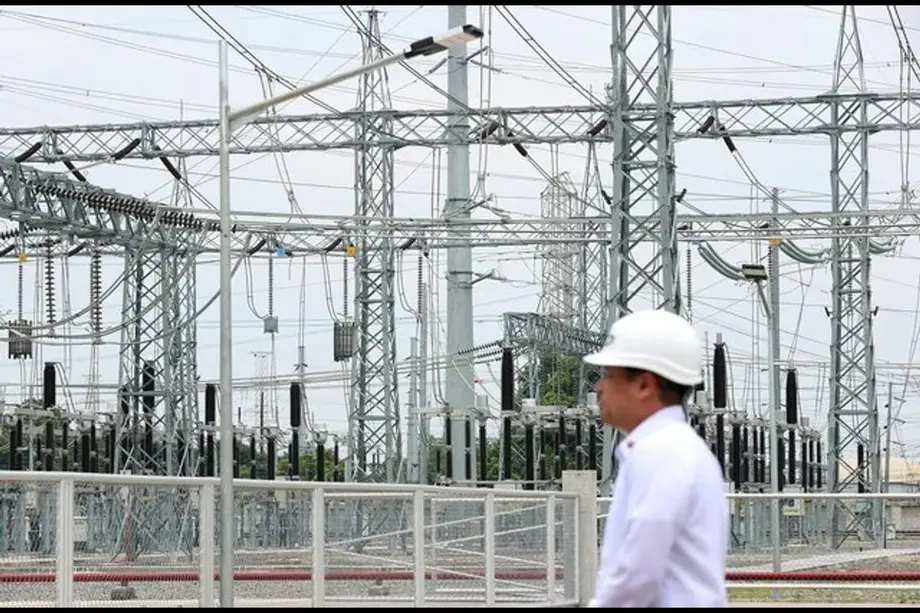
The projected 2027 peak is just 505 MW below reported dependable capacity of 22,736 MW. Dependable capacity means the output plants can reliably provide under specified conditions. Keeping electricity available also requires reserves, maintenance planning and transmission lines capable of carrying power to where it is needed.
The DOE expects demand to exceed 40,000 MW by 2040. Against that scale, the initial nuclear target of 1,200 MW would provide one additional source of electricity within a much larger power system. The planned 4,800 MW by 2050 would be four times the initial target.
Renewable energy expansion is being pursued alongside nuclear development. The Philippines aims to raise renewables to 35% of electricity supply by 2030 and 50% by 2040. The DOE is also advancing a Green Energy Auction Program intended to offer at least 25 gigawatts of additional renewable capacity between 2027 and 2035, with deliveries starting as early as 2027.
Consumers will therefore depend on other generation and grid investments while nuclear projects move through preparation. The cost of any future nuclear electricity will depend partly on construction spending, financing terms and the contracts under which power is sold.
The milestones to watch
The programme now has several overlapping schedules: the law establishing the regulator, the financing discussions, company proposals and the government's capacity goals. Reading those dates together shows where decisions are still needed.
- 1986: Construction of the Bataan Nuclear Power Plant was completed, but the plant never entered operation.
- September 2025: Republic Act No. 12305 established the Philippine Atomic Energy Regulatory Authority.
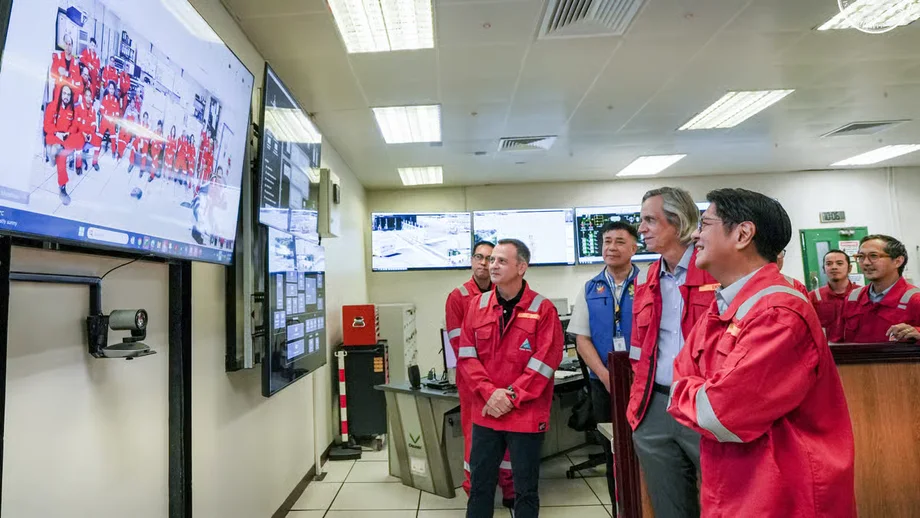
- October 10–18, 2026: A Philippine mission visited the United States, including Idaho National Laboratory, and met US nuclear and energy officials. Garin met US Energy Secretary Chris Wright on October 15.
- November 2026: Magwood warned that operation within five or six years was unlikely, while Aquino described draft delivery schedules starting around 2038.
- 2027: Private developers are expected to submit formal nuclear proposals.
- 2032, 2035 and 2050: The national plan targets nuclear capacity of 1,200 MW, 2,400 MW and 4,800 MW respectively.
The DOE says its ambitions extend beyond electricity generation to investment, skilled jobs and opportunities for local businesses in the global nuclear industry. Training discussions with potential partners form part of that effort. The immediate task is to turn those ambitions into specific projects with workable financing, regulatory approval and credible delivery schedules.
Key Points
- The Philippines is exploring up to $5 billion in DFC debt support for private nuclear developers, with possible repayment over 25 years. No agreement has been signed.
- The government retains its 2032 nuclear target, but the latest circulated draft tender contemplates electricity deliveries starting around 2038.
- Potential developers are expected to submit formal proposals by 2027.
- The Asian Development Bank and US Export-Import Bank are involved in discussions about financing support and preparatory work.
- Six locations are under consideration, including Bataan, where an initial study found nuclear development technically feasible.
- Rising electricity demand requires investment in other power sources and the grid while nuclear projects are prepared.