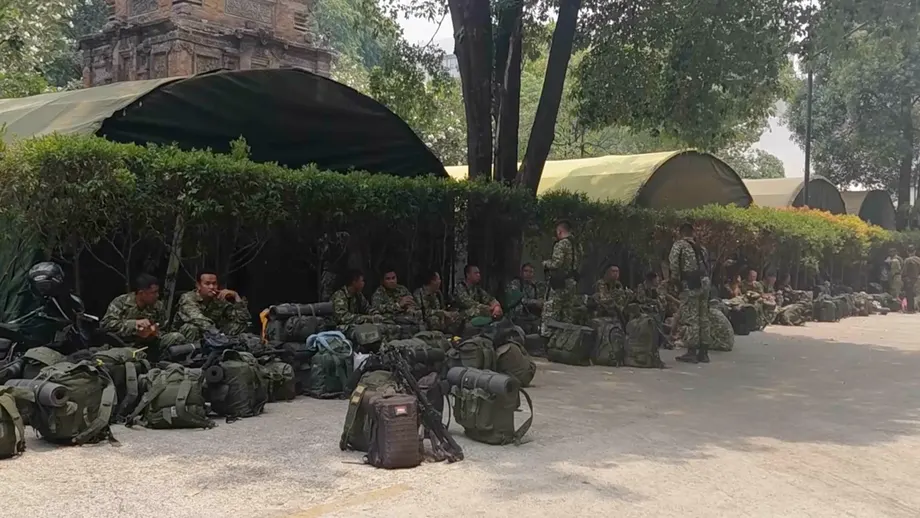
Fourth suspect named as Jakarta receives reinforcements
Indonesia is deploying 20,980 military personnel to Jakarta, with another 13,140 on standby, as police investigate alleged surveillance of President Prabowo Subianto and the deletion of intercepted communications. On November 5, 2026, investigators named Inspector General Slamet Uliandi as the fourth suspect, extending a case that has already cost former national police chief Listyo Sigit Prabowo his position as presidential chief of staff.
Contents
- Fourth suspect named as Jakarta receives reinforcements
- What the deployment involves
- Who is under investigation?
- How the surveillance system was allegedly misused
- Why deleted records matter
- From interception charges to possible treason allegations
- Thousands of possible targets bring privacy into focus
- Widodo responds as political pressure grows
- Police leaders face demands for transparency
- The dates that shaped the case
- Key Points
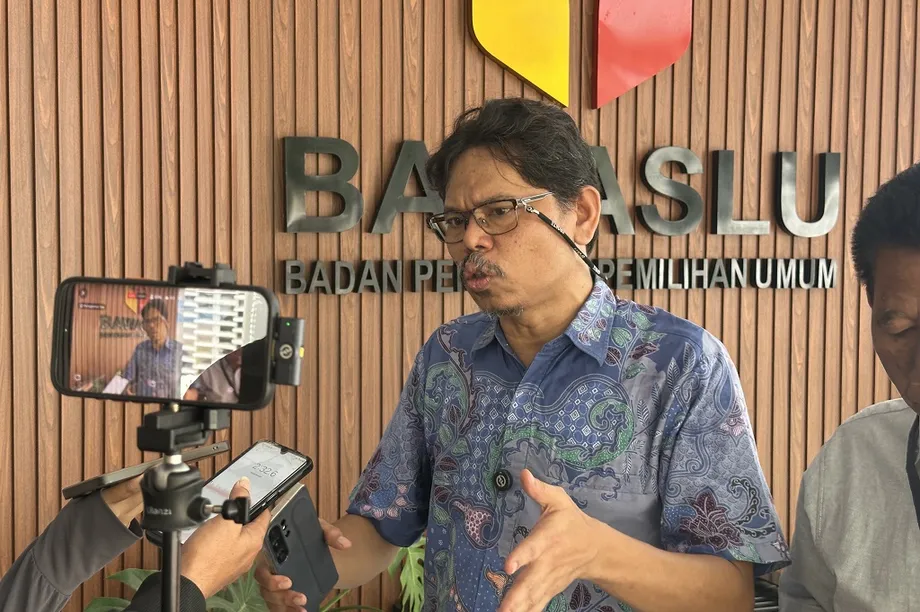
Three senior police officers, including Listyo, are being held at the Mobile Brigade headquarters in Depok, West Java. Slamet, previously questioned as a witness, has not been detained because he is recovering from a stroke, according to Brigadier General Suhermanto, director of cybercrime at the National Police Criminal Investigation Agency, known as Bareskrim.
The investigation concerns alleged misuse of a police interception system, unauthorized access to electronic information and destruction of records. Police say targets included the president, government officials, politicians, journalists, civil society figures and businesspeople.
Military officials have described the troop movements as routine security preparations. Authorities have not confirmed a connection between the deployment and the wiretapping investigation, although both developments have unfolded during the same week.
The case now combines three urgent issues: who authorized the surveillance, what happened to the information collected and how a police system intended for lawful investigations was allegedly used against people outside legitimate criminal inquiries. Ministers have also raised the possibility of treason charges, while investigators continue examining the purpose of the operation.
What the deployment involves
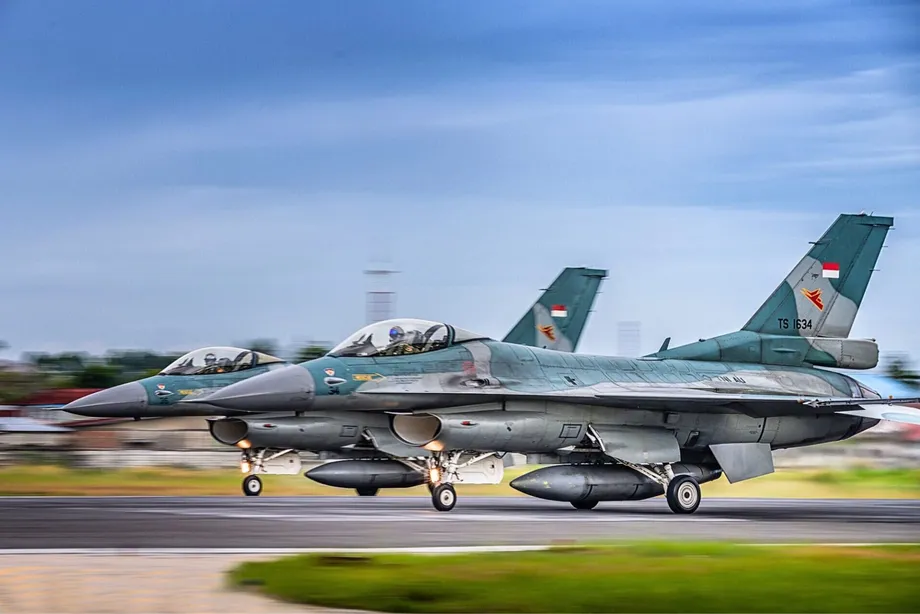
Vice Admiral Yayan Sofiyan, the navy operations assistant, put the deployment total at 20,980 personnel. The first phase began on November 2 with 2,100 personnel from units already stationed in Jakarta. Reinforcements from outside the capital began arriving on November 4.
Marine and navy units, training centers and naval bases in Java and Lampung province are contributing personnel. Sofiyan said another 13,140 were ready to deploy if required. Together, the announced deployment and standby groups amount to 34,120 personnel, although the standby group remains available rather than committed to movement.
Major General Muhammad Nas, a military spokesperson, described the movements as part of maintaining national security and territorial integrity. He explained the military position in these words:
Troop deployments are a normal occurrence.
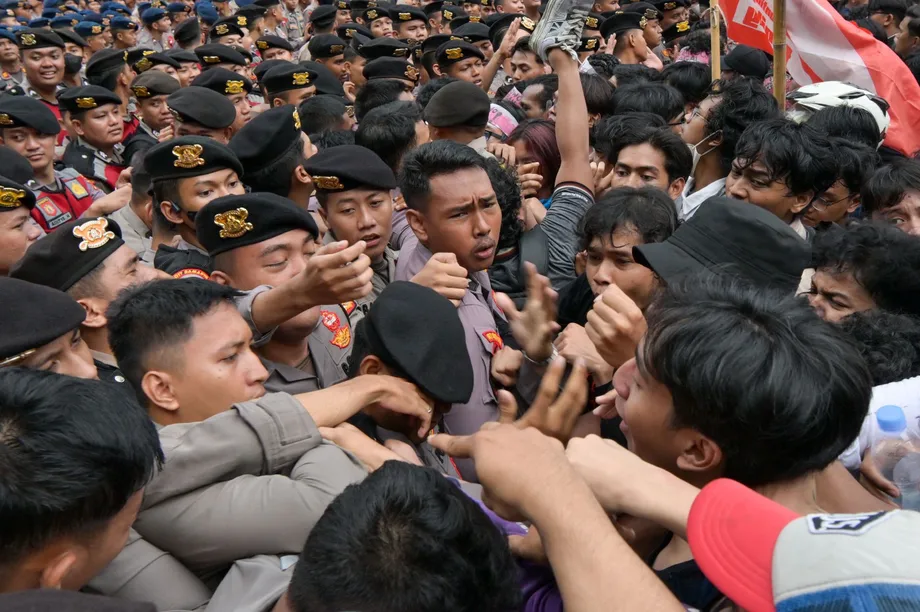
Most personnel were being held in barracks and other facilities, according to authorities. Despite the large announced deployment, there was no visible military presence across Jakarta streets in the account of conditions on November 5.
A more specific security assignment involved 5,500 police and military personnel protecting a court hearing attended by former President Joko Widodo that day. That figure describes the court security operation; officials did not explain how it overlapped with the wider military deployment.
Who is under investigation?
Bareskrim chief Commissioner General Asep Safrudin announced the first three suspects on November 3: Listyo Sigit Prabowo, Ahrie Sonta Nasution and Eko Hadi Santoso. Police said the three had been detained on November 1.
Listyo became national police chief in 2021 after his appointment by Widodo. He was appointed Prabowo's presidential chief of staff in October 2026, about a month before the allegations became public. The government confirmed that Prabowo dismissed him on November 4.
Ahrie was identified as head of the National Police Legal Division. Eko was identified as a senior instructor at the National Police Education and Training Institute. The suspects have not publicly responded to the accusations.
Slamet, identified in police briefings by the initials SU, was added on November 5 after a case review. Suhermanto said he served as a supervisory adviser to Bareskrim's Monitoring Center and had headed its monitoring section from 2010 to 2019.
Police have established a special investigative team led by Asep. By the November 5 briefing, investigators had examined 13 witnesses and five experts, comprising three specialists in electronic information and transactions and two in criminal law.
How the surveillance system was allegedly misused
Asep said telephone numbers were entered into the Lawful Interceptions Management System, or LIMS, without the required verification or a valid connection to a police inquiry. LIMS is a system used to manage interception of communications. Legal authority and approval procedures determine which numbers may be monitored and for what investigative purpose.
Investigators allege that the suspects bypassed those procedures. Their account describes access to the National Police surveillance system being used to monitor people whose communications were outside a lawful investigation.
Police briefings place the alleged activity in 2025 and 2026, while the period has also been described in accounts of police allegations as 2024 and 2025. The precise start and end dates therefore need clarification.
Investigators seized 11 mobile phones, one iPad and four flash drives. Those devices form part of an inquiry into access to the system, the handling of intercepted information and the alleged removal of electronic records.
The practical question reaches beyond who operated the equipment. Investigators are examining who selected telephone numbers, who approved access and who received the resulting information. Each step involves a different kind of responsibility, from entering a number into a server to authorizing the operation.
Why deleted records matter
Suhermanto said the suspects identified as EH and AS needed Slamet's approval before carrying out provisioning or wiretapping. In this setting, provisioning means setting up the system to begin monitoring a selected number.
Police allege that AS requested permission in early October 2026 to delete interception results and that Slamet approved permanent deletion. Investigators have also described orders to erase files in late October and the removal of electronic logs during that month.
Intercepted files contain the information collected through surveillance. Electronic logs record activity within a system, such as access or changes. Investigators are examining both because the contents can help explain what was collected, while the logs can help reconstruct how the system was used.
Slamet's alleged approval gives the inquiry a supervisory dimension. Police are investigating decisions above the staff operating the equipment, including permission to start surveillance and authorization to remove its results.
The accusation against him centers on that approval role. His earlier position in the monitoring section and later advisory authority are part of the chain of responsibility investigators are trying to reconstruct.
From interception charges to possible treason allegations
Suhermanto identified several provisions being applied to Slamet: Article 332(1) and/or (2) of Law No. 1 of 2023 concerning unlawful access, Article 258(1) of the same law concerning interception, and Article 32(1) of the Electronic Information and Transactions Law concerning interference with electronic information, including deletion.
He cited possible prison terms of six years for unlawful access, 10 years under the interception provision and eight years under the electronic information provision. Police also referred to Article 20 of the Criminal Code concerning participation in an offense. The sentence in any prosecution would depend on the charges pursued and the findings of a court.
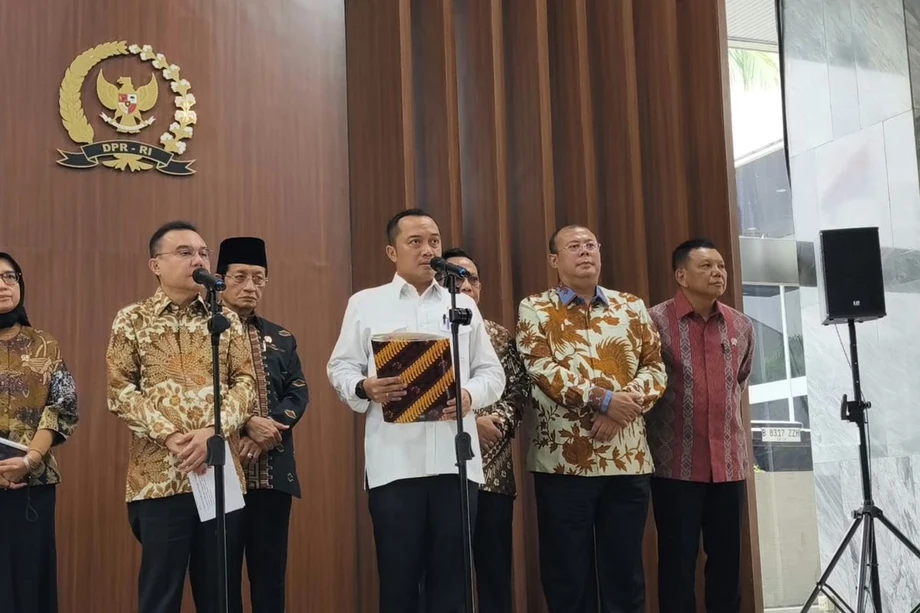
Coordinating Minister for Law, Human Rights, Immigration and Corrections Yusril Ihza Mahendra said investigators were considering whether Article 191 of the Criminal Code might apply. That provision carries penalties extending to death. He described the treason assessment as preliminary and said investigators were still examining motive and the operation's ultimate objective.
Yusril said initial evidence supported interception charges, while subsequent findings suggested a possible effort to prevent the government from functioning. He described the developing assessment at a November 4 news conference:
Based on the progress of the investigation so far, there are signs and indications pointing toward an act of treason.
State Secretary Minister Prasetyo Hadi also described the alleged surveillance as a threat to national interests and the safety of the leadership. Communications involving a president can contain sensitive information about government decisions and security, making the intended use of the material a central issue in the investigation.
Thousands of possible targets bring privacy into focus
A reported list contains more than 6,000 telephone numbers, according to an unnamed person familiar with the investigation. The reported names include journalist and politician Akbar Faizal and legal academics Feri Amsari and Zainal Mochtar. Police have publicly described broad categories of targets, but have not confirmed that total or published a complete list.
Telephone numbers and people are different measures: one person may use several numbers. Establishing who was actually monitored, for how long and what information was collected will determine the reach of the alleged operation.
Usman Hamid, executive director of Amnesty International Indonesia, warned that the surveillance could violate human rights and be used to intimidate critics. He called for investigators to address the people affected beyond the presidency:
This is not merely about the alleged wiretapping of the president. Authorities must disclose who else may have been targeted and investigate the full impact of the operation.
For journalists, activists and businesspeople, private communications can include the identities of confidential contacts, campaign plans or commercial decisions. The investigation therefore concerns both presidential security and the handling of personal information across public life.
Widodo responds as political pressure grows
Widodo attended the East Jakarta District Court on November 5 as a witness in a defamation trial arising from allegations that he used a fake university diploma. He denies those allegations. The trial concerns a different case from the wiretapping investigation.
After the hearing, the former president addressed the surveillance inquiry. Widodo, who has not been implicated by investigators, urged respect for the process:
We should all respect the ongoing legal process, let's wait for the investigation outcome.
Retired police General Nugroho, a former deputy national police chief, called for investigators to examine the full chain of command, including whether any instructions came from Widodo. Former People's Consultative Assembly chairman Amien Rais also demanded a thorough inquiry and publicly raised the possibility of involvement by the former president.
Amien apologized to Prabowo for his earlier criticism of police reform. He said a commission chaired by Jimly Asshiddiqie, with 10 members, had produced a book of 3,000 pages after three months of work, but questioned whether it had set a clear direction for reform.
Cabinet Secretary Teddy Indra Wijaya has also been drawn into public discussion through an unconfirmed claim that military police questioned and released him. The timing, location, subject, legal status and connection to the surveillance inquiry remain unconfirmed. Teddy was seen accompanying Prabowo on October 27 and again at the palace on November 5.
Police leaders face demands for transparency
Retired Commissioner General Mochamad Iriawan, known as Iwan Bule, called for a professional and transparent investigation without special treatment for former senior officeholders. He said police loyalty must operate within the law and serve the state and public.
At a November 5 meeting with National Police Chief General Suyudi Ario Seto, the police retirees association, PP Polri, supported the investigation. Its chairman, former police chief Bambang Hendarso Danuri, said the leadership had described the matter as a criminal case involving officers rather than a rivalry between the current and former police chiefs.
Bambang said public trust in the police had reached 80 percent, although he did not identify the survey behind that figure. The association delivered seven moral messages and praised coordination between police, the military, ministries and other agencies.
Political leaders also responded. National Awakening Party chairman Abdul Muhaimin Iskandar praised Prabowo and Suyudi for the police response. Democratic Party chairman Agus Harimurti Yudhoyono described illegal interception as a threat to national security, privacy, public trust and democracy, and urged an investigation conducted under the law.
The shared demand across these responses is concrete: investigators should identify everyone responsible, explain the authorization process and account for the people whose communications were allegedly monitored.
The dates that shaped the case
The public developments have moved quickly, from the detention of three senior officers to the dismissal of a presidential aide and the naming of a fourth suspect.
- October 2026: Investigators allege that interception files and electronic logs were ordered deleted. Listyo was appointed presidential chief of staff during the same month.
- November 1: Police say Listyo, Ahrie and Eko were detained.
- November 2: The first deployment phase began with 2,100 personnel already stationed in Jakarta.
- November 3: Asep announced the first three suspects.
- November 4: Reinforcements began arriving, Listyo was dismissed and ministers discussed possible treason allegations.
- November 5: Slamet became the fourth suspect, while 5,500 police and military personnel secured Widodo's court appearance.
Investigators have yet to announce a completed finding on motive, identify all recipients of intercepted information or give a date for prosecution. The next substantive decisions concern the evidence against each suspect and whether the inquiry will expand beyond interception, unlawful access and deletion charges.
Key Points
- Indonesia announced a Jakarta deployment of 20,980 personnel, with 13,140 more on standby.
- Authorities have not confirmed a link between the troop movements and the wiretapping inquiry.
- Four police officers are suspects. Three are detained; Slamet Uliandi is recovering from a stroke.
- Prabowo dismissed Listyo Sigit Prabowo as presidential chief of staff.
- Police allege misuse of the LIMS surveillance system and deletion of electronic records.
- Possible treason charges remain under examination, while the motive and full list of targets are unresolved.