Four aircraft test a backup runway in Probolinggo
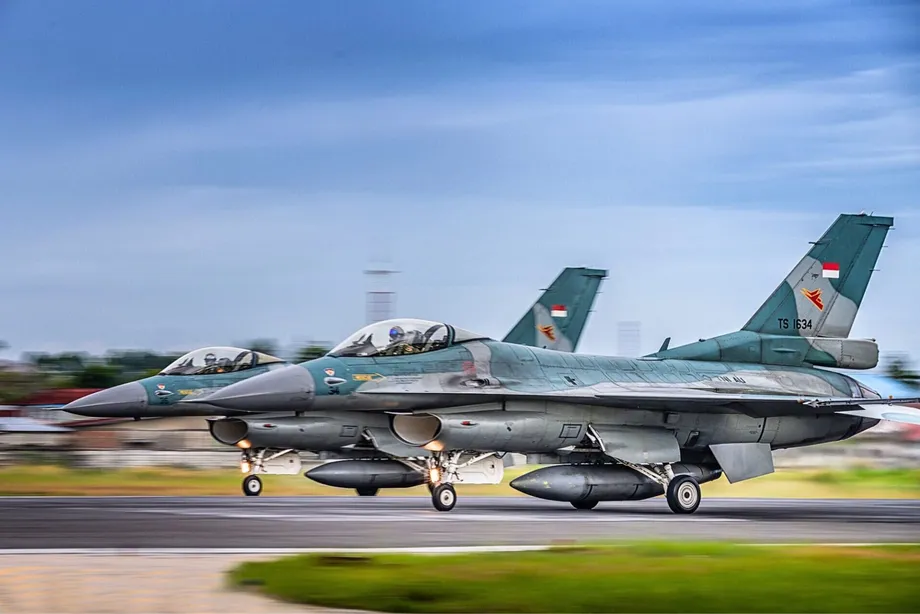
Two F-16 Fighting Falcon jets and two Embraer EMB-314 Super Tucano aircraft took off and landed on the Pasuruan–Probolinggo Toll Road in East Java on October 22, 2026, testing whether a route normally used by motorists could support military flights when regular airfields become unavailable.
Contents
- Four aircraft test a backup runway in Probolinggo
- When would a toll road become a runway?
- Preparation began two months before the flights
- Traffic diversions covered more than the runway
- From Lampung to East Java
- More roads are being assessed or prepared
- A nearby asphalt trial had a different purpose
- Residents watched as police checked missing motorcycle claims
- Key Points
The exercise used the stretch between kilometer 834 and kilometer 837+500. Toll Road Regulatory Agency head Ni Komang Rasminiati put its length at 3.5 kilometers, while Air Force descriptions gave three kilometers. The kilometer markers span 3.5 kilometers. Ni Komang gave the width as 24.2 meters.
Air Force Chief of Staff Mohamad Tonny Harjono said the exercise was Indonesia's second such toll road trial, following a test in Lampung on February 11, 2026. The aim was to expand the military's options for continuing air operations during an emergency.
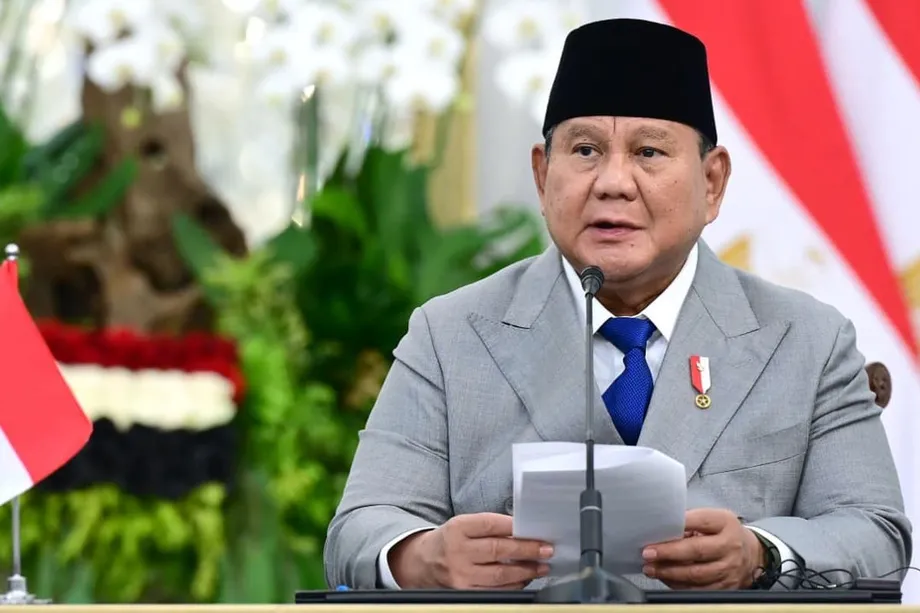
Harjono explained the purpose of the exercise in Probolinggo:
This exercise forms part of TNI AU's efforts to test operational readiness and our capability to utilize existing infrastructure in regions, particularly toll roads, as alternative runways for air force operations.
The Indonesian Air Force, known as TNI AU, brought together aircraft from two bases. The Super Tucanos came from Air Squadron 21 at Abdulrachman Saleh Air Base in Malang. The F-16s came from Air Squadron 3 at Iswahjudi Air Base.
For residents and drivers, the exercise also meant a temporary change in how the road operated. Traffic was diverted, concrete median barriers were removed, and road safety equipment had to be restored before the route could return to normal service.
When would a toll road become a runway?
Harjono said toll roads would serve as alternative runways only in limited circumstances, particularly when existing runways, airports or air bases could no longer support military flights.
An alternative runway is a backup place for aircraft to land and take off. In this case, the Air Force is testing selected stretches of existing roads so it has another option if a normal operating location becomes unusable.
Harjono described the circumstances in which that option could be needed:
For example, we may turn to toll roads and other local infrastructure as alternatives when existing runways, airports, or air bases can no longer be used for air force operations.
The Air Force chief said each prospective site required surveys, physical checks and an assessment of aviation safety. Selecting a road therefore involves more than finding a long, straight section. The surface, surrounding area and readiness of personnel all form part of the assessment.
Harjono also said the road's main purpose remained public transportation. Military use would be situational, with the safety of road users and the public interest remaining priorities.
Preparation began two months before the flights
Preparations at Pasuruan–Probolinggo began in August 2026. Before the October exercise, teams examined the road surface, markings, surrounding environment and other technical features to assess whether the stretch could accommodate aircraft operations.
The Public Works Ministry described the test strip as having rigid pavement on its traffic lanes and inner shoulder. Rigid pavement generally means a concrete surface, rather than a flexible asphalt surface. The ministry said the stretch had passed suitability checks for the takeoff and landing trial.
Concrete barriers in the central median were removed for the exercise. Temporary barriers filled with water were used as part of the road safety arrangements, while roadside steel guardrails were due to be restored afterward.
Coordination involved the Air Force, the Defense Ministry, the Public Works Ministry, toll road operator PT Trans Jawa Paspro Jalan Tol, air traffic control, the Health Ministry and local government. Their involvement shows how a road runway exercise reaches beyond the aircraft themselves, requiring traffic management, aviation coordination and arrangements for returning the road to civilian use.
Traffic diversions covered more than the runway
The Probolinggo Barat–Probolinggo Timur section was closed from October 19 to October 22. Traffic was diverted between Probolinggo Barat toll gate at kilometer 829+000 and Probolinggo Timur toll gate at kilometer 841+200.
Those gates are 12.2 kilometers apart by their road markers, compared with the 3.5 kilometers used for the aircraft trial. The affected toll road corridor was therefore about three and a half times the length of the test strip. Drivers were directed onto national roads and other prepared alternative routes.
Ni Komang said the road had to return to its primary role of serving public mobility once the exercise was complete. The Toll Road Regulatory Agency scheduled reopening for 18:00 Western Indonesia Time on October 22, alongside the restoration of road safety facilities.
That time was the announced reopening schedule; confirmation that traffic resumed at that exact hour was not given. During the closure, motorists were advised to follow signs and instructions from officers, adjust travel times and monitor information from the toll operator.
From Lampung to East Java
The Pasuruan–Probolinggo exercise followed a trial on February 11, 2026, at the Terbanggi Besar–Pematang Panggang–Kayu Agung Toll Road in Lampung, commonly called Terpeka. The Public Works Ministry described the Lampung location as a pilot site for Air Force takeoff and landing tests.
The sequence shows how the program moved from an initial trial to another location, with several months of preparation before the East Java flights:
- February 11, 2026: The Air Force conducted its first such toll road trial in Lampung.
- August 2026: Preparations began for the Pasuruan–Probolinggo exercise.
- October 19–22, 2026: The Probolinggo Barat–Probolinggo Timur toll section was closed for the activity.
- October 22, 2026: Two F-16s and two Super Tucanos performed takeoffs and landings in East Java.
- October 22, 2026, at 18:00: The regulator scheduled the road to reopen.
The East Java trial brought together aircraft from two squadrons on the same prepared strip. Harjono said the aircraft successfully completed their takeoffs and landings, giving the Air Force another location at which it had tested the use of a road for flight operations.
More roads are being assessed or prepared
The Air Force identified a toll road serving the Jakarta area and a planned road in Lombok, West Nusa Tenggara, as possible locations for further evaluation. Harjono said surveys had been carried out with the Public Works Ministry and other agencies.
The Jakarta route was identified as Cibitung–Cilincing in Harjono's remarks after the exercise, while other accounts of his announcement named Cibinong–Cilincing. The Lombok proposal concerns a road still being planned, allowing potential aviation needs to be considered during infrastructure planning.
The Public Works Ministry also said it was preparing the Jakarta–Cikampek II Selatan and Banda Aceh–Sigli toll roads as emergency runways. The planned strips measure 3.5 kilometers and about 3.8 kilometers respectively. The proposed Banda Aceh–Sigli strip is therefore about 300 meters longer than the Pasuruan–Probolinggo test section.
Harjono said the next stage involved continued coordination with the ministry on road development and mapping:
Going forward, we will continue coordinating with the Public Works Ministry on toll road development and mapping so that selected toll roads can be prepared as alternative runways to support air force operations.
Future locations remain subject to surveys, technical requirements, personnel readiness and aviation safety assessments. No dates were announced for the next exercises.
A nearby asphalt trial had a different purpose
The Public Works Ministry also described a road material trial at Pasuruan–Probolinggo. A 200 meter stretch between kilometer 833+800 and kilometer 834+000 was surfaced with Aspal Merah Putih using premixed Asbuton, a material based on natural asphalt from Buton.
The asphalt trial was 11.8 meters wide and ended at the kilometer marker where the aircraft test section began. The ministry described the aviation strip itself as having rigid pavement on the lanes and inner shoulder.
The material trial forms part of a government effort to use more domestic asphalt in road construction and maintenance and reduce dependence on imports. The ministry cited Public Works Regulation No. 10 of 2026, which promotes the gradual use of processed Buton asphalt while taking account of industry readiness, construction quality and costs.
Public Works Minister Dody Hanggodo described toll roads as infrastructure serving both everyday movement of people and goods and national preparedness. At Pasuruan–Probolinggo, those aims involved different practical tasks: checking a strip for aircraft, testing domestic road material nearby and maintaining transport service for the public.
Residents watched as police checked missing motorcycle claims
Probolinggo Regency Secretary H. Ugas Irwanto welcomed the area's role in supporting defense readiness. He also said the toll road should remain primarily a transport route and expressed hope that the emergency runway would never be needed in a real crisis.
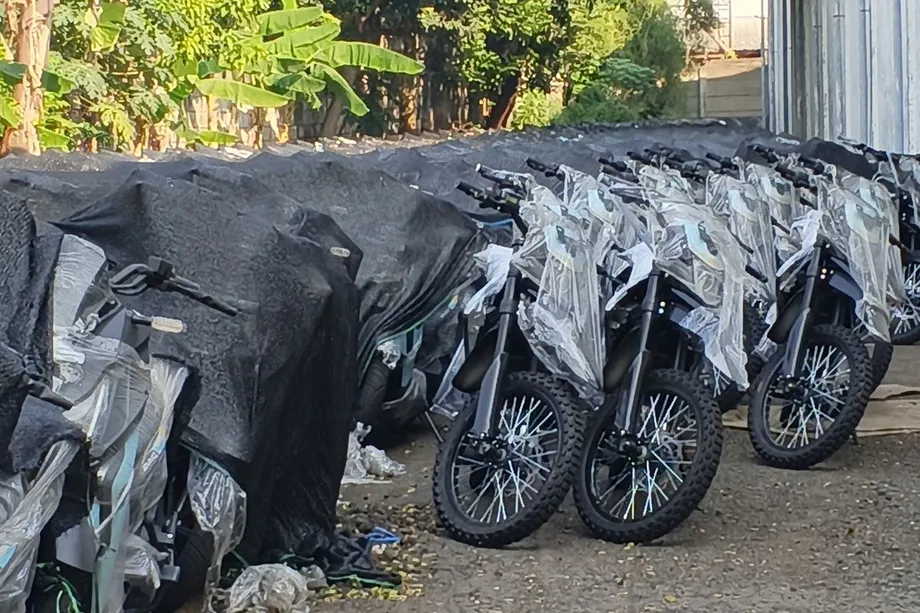
Crowds gathered near the toll road to watch the aircraft maneuvers. During the event, claims circulated that two motorcycles belonging to residents of Pohsangit Tengah village in Wonomerto district had disappeared from parking locations.
The vehicles were described as a Honda Beat and a Honda Supra X 125. Probolinggo City Police spokesperson Inspector Zainullah said officers were checking the information and coordinating with Wonomerto police.
As of Thursday afternoon, neither Probolinggo City Police nor Wonomerto police had received a formal written complaint from the owners. Police asked anyone who had lost a vehicle to file a report so officers could investigate and trace the vehicles.
Key Points
- Two F-16s and two Super Tucanos completed takeoffs and landings on the Pasuruan–Probolinggo Toll Road on October 22, 2026.
- The regulator identified a test strip measuring 3.5 kilometers long and 24.2 meters wide.
- The exercise followed Indonesia's first such trial in Lampung on February 11, 2026.
- Traffic was diverted during a closure from October 19–22, with reopening scheduled for 18:00 on the final day.
- Additional toll roads are being assessed or prepared, including routes in the Jakarta area, Aceh and Lombok.
- Harjono said military use would be limited to contingency situations, while public transportation and road safety remained priorities.