October accounts for more than two in five deaths
Bangladesh recorded 174 dengue deaths in October 2026, making it the deadliest month of the year and taking the national toll to 419 by October 31, according to the Directorate General of Health Services (DGHS). With two months still to go, deaths have already exceeded the 413 recorded during all of 2025.
Contents
- October accounts for more than two in five deaths
- How the death toll climbed
- Hospital admissions spread across seven divisions
- What the earlier years show
- Why patients are reaching hospital in danger
- A review points to delays before admission
- Repeat infections add another risk
- Why November may bring only limited relief
- What families and health services can do now
- Key Points
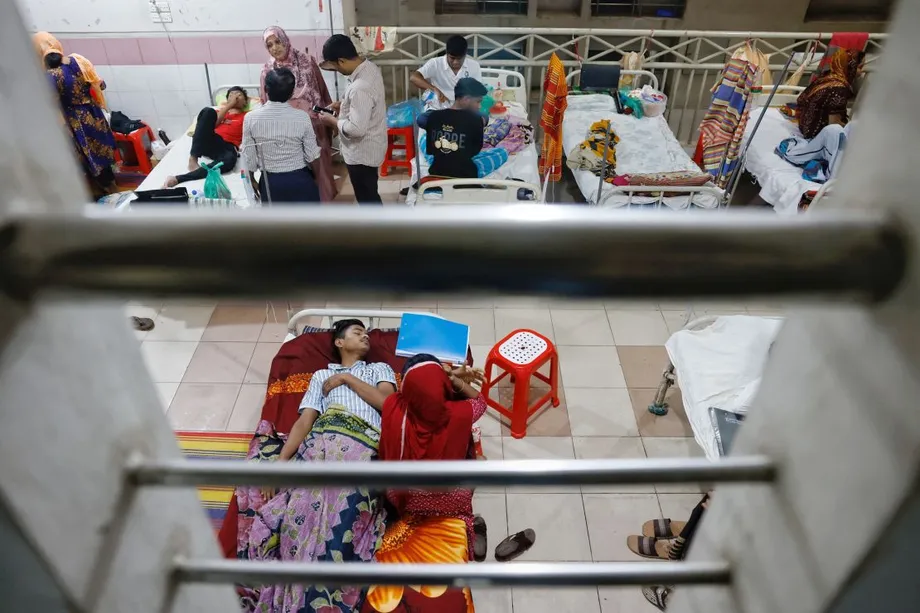
Hospitals admitted another 1,633 dengue patients in the 24 hours ending at 8:00 am on October 31. One patient died during that period. Across the country, 6,236 patients remained in hospital, showing the continuing demand for treatment as doctors warned that many people were arriving with dangerous complications.
October's 174 deaths were 26 more than September's 148, an increase of about 18 percent. Together, the two months accounted for 322 deaths, nearly 77 percent of the year's total. October alone accounted for about 42 percent.
The figures bring together two urgent problems: mosquitoes are continuing to spread the infection, while delays in diagnosis and treatment are leaving some patients critically ill before they reach hospital. A review of 119 dengue deaths found that more than one third occurred within 24 hours of admission.
Kabirul Bashar, an entomologist at Jahangirnagar University, expects transmission to continue through November, with a substantial improvement more likely in December. For families, that means mosquito protection and prompt medical attention remain immediate needs even as the weather begins to become drier.
How the death toll climbed
The DGHS monthly figures show a sharp acceleration after the first half of the year. January and February each recorded two deaths. No deaths were recorded in March or April, followed by one in May and 13 in June.
Deaths rose to 36 in July and 43 in August before jumping to 148 in September. October's final total of 174 extended that rise. The monthly figures add up to the national total of 419.
- January to June 2026: 18 dengue deaths were recorded.
- July and August: another 79 people died.
- September: 148 deaths were recorded, more than the preceding eight months combined.
- October 30: the cumulative toll stood at 418, including 173 deaths during October.
- October 31: one additional death brought the annual toll to 419 and the monthly toll to 174.
September and October together recorded more than three times the 97 deaths counted from January through August. The concentration of deaths late in the year explains why doctors and mosquito specialists are warning against relaxing precautions in November.
Hospital admissions spread across seven divisions
Dhaka division recorded 604 of the 1,633 new hospital admissions in the latest daily update, the largest number of any division. Chattogram followed with 281, then Barishal with 234 and Khulna with 228.
Rajshahi recorded 149 admissions, Mymensingh 70 and Rangpur 67. Sylhet recorded no new admissions during that reporting period.
Dhaka accounted for about 37 percent of the daily total. The other divisions together accounted for 1,029 admissions, or about 63 percent. Dengue treatment demand therefore extended well beyond the capital's division, with hospitals across much of Bangladesh receiving patients.
Nationally, 135,000 dengue patients had been admitted to hospital by October 31. Of those, 128,345 had been discharged, 6,236 remained under treatment and 419 had died. Those three figures account for the full admissions total.
Hospital admissions measure the burden reaching medical facilities. People with fever who remain at home or have yet to receive a diagnosis also need access to medical advice, particularly when their condition begins to worsen.
What the earlier years show
Bangladesh's 419 deaths through October put 2026 above the full 2025 toll of 413. The country recorded 102,861 dengue infections in 2025, compared with 135,000 hospital admissions reported so far in 2026, a numerical increase of 32,139.
Among the annual death totals cited by the DGHS, 2026 now ranks third since Bangladesh's first recorded dengue outbreak in 2000. The two higher totals were 1,705 deaths in 2023 and 575 in 2024.
The 2023 outbreak also sent 321,179 patients to hospital, more than twice the admissions recorded through October this year. In 2024, authorities recorded 101,214 patients and 575 deaths. Earlier annual death tolls included 281 in 2022 and 179 in 2019.
Bangladesh's experience in 2023 also showed a wide geographical spread. The number of patients outside Dhaka was more than twice the number in Dhaka, while 58 percent of deaths were recorded in the capital's two city corporation areas. This year's daily admissions again show substantial treatment demand outside Dhaka division.
Why patients are reaching hospital in danger
At Shaheed Suhrawardy Medical College and Hospital in Dhaka, director Mirza Golam Sarwar reported 279 dengue patients under treatment, including 67 admitted in a single day. He described patients arriving with blood pressure so low it was sometimes impossible to measure, alongside falling oxygen levels.
HM Nazmul Ahsan, an associate professor at the same hospital, described the condition of many patients when they reached care:
"We are seeing a significant number of patients arriving in shock, with undetectable blood pressure and falling oxygen saturation," he said.
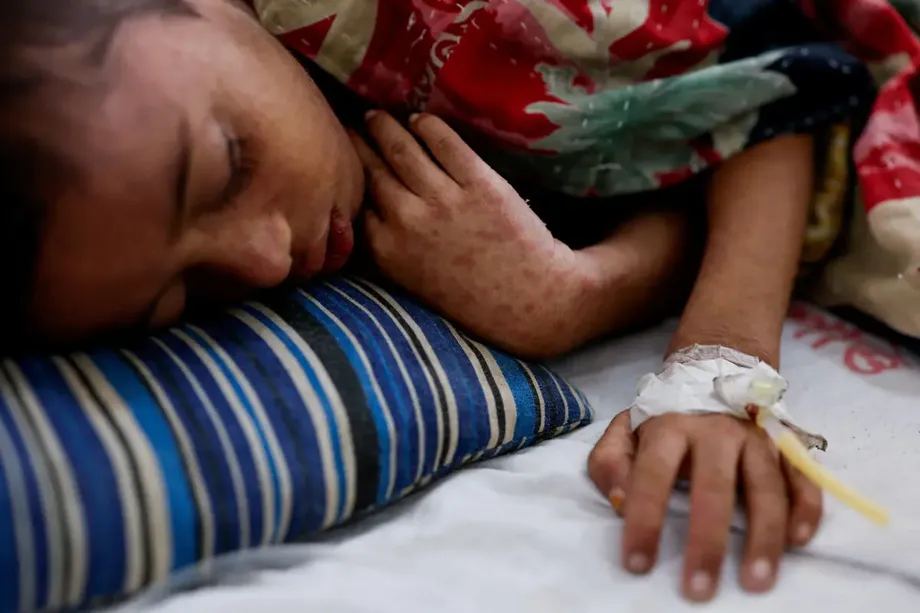
Shock is a medical emergency in which blood circulation becomes too weak to supply organs with enough oxygen. In severe dengue, fluid can leak from small blood vessels, reducing the amount of fluid circulating through the body. Without urgent treatment, organs can be damaged.
Ahsan said delays in transport, emergency assessment and hospital admission can increase the risk of irreversible organ damage. He had observed complications involving the liver, kidneys, lungs and heart, including myocarditis, which means inflammation of the heart muscle.
Doctors at the hospital described severe complications as more common than in previous years. The reasons for that pattern still require further study.
A review points to delays before admission
The Institute of Epidemiology, Disease Control and Research examined 119 dengue deaths in a review led by its director, Quazi Ahmed Zaki. More than one third of the patients died within 24 hours of hospital admission, and many had faced delays of at least three days in getting a diagnosis.
Dengue shock syndrome was identified as the leading cause of death, at 62.5 percent in the review. The findings place early recognition and rapid access to treatment at the centre of efforts to reduce deaths.
Zaki said hospital death review committees examine individual cases and send their findings to the DGHS Disease Control unit. They assess treatment quality, diagnostic delays, the patient's condition before admission and whether medicines unsuitable for the patient were used.
Public health expert Mushtuq Hussain called for more care close to where people live, rather than relying mainly on large hospitals after patients become critically ill. He proposed trying free dengue testing at existing primary healthcare facilities, with vulnerable patients referred for hospital treatment.
Mushtuq also described a practical barrier for people on low incomes: some continue working despite fever because they cannot afford to stop. Earlier testing, local observation and timely referral would give those patients a better chance of receiving care before complications develop.
Repeat infections add another risk
Medicine specialist ABM Abdullah identified repeat dengue infections and delays in diagnosis and treatment as major factors behind severe illness and deaths. He urged people with fever and body aches to seek medical advice and testing instead of waiting for their condition to deteriorate.
Dengue has four main virus types, known as serotypes, and health specialists said all four were circulating in Bangladesh. A person who has recovered from infection with one type can later become infected with another. A subsequent infection can carry a greater risk of severe illness.
Ahsan suggested that dengue virus type 3, or DENV-3, could be contributing to severe cases. He also pointed to differences within a virus type as a possible influence on illness severity.
For Faisal Ferdous, a 33-year-old Dhaka resident, repeated infection has become a family concern. After having dengue in 2017 and 2024, he became ill again in early October 2026. Both he and his wife needed hospital treatment, and he was recovering at home when he described their experience.
Bangladesh had not introduced a dengue vaccine at the time of the October updates. Authorities were considering vaccination as a longer term measure, but no introduction date was given.
Why November may bring only limited relief
Bashar, the Jahangirnagar University mosquito specialist, expects dengue transmission to persist through November. He said deaths might no longer rise at October's pace, but any immediate decline in transmission was likely to be modest.
Mosquito breeding sites left by earlier rainfall help explain the continued risk. Water collected around homes and in other containers can remain after rain stops, allowing young mosquitoes to develop into adults. A few drier days therefore leave breeding sites that still need to be emptied.
Bashar linked the longer breeding season partly to changes in rainfall and humidity associated with climate change. Those conditions allow Aedes mosquitoes, which transmit dengue, to remain active for longer.
His expectation of greater improvement in December is a forecast about transmission conditions. Hospitals and communities still face a period of continuing infections through November, making sustained mosquito control necessary rather than a short campaign after heavy rain.
What families and health services can do now
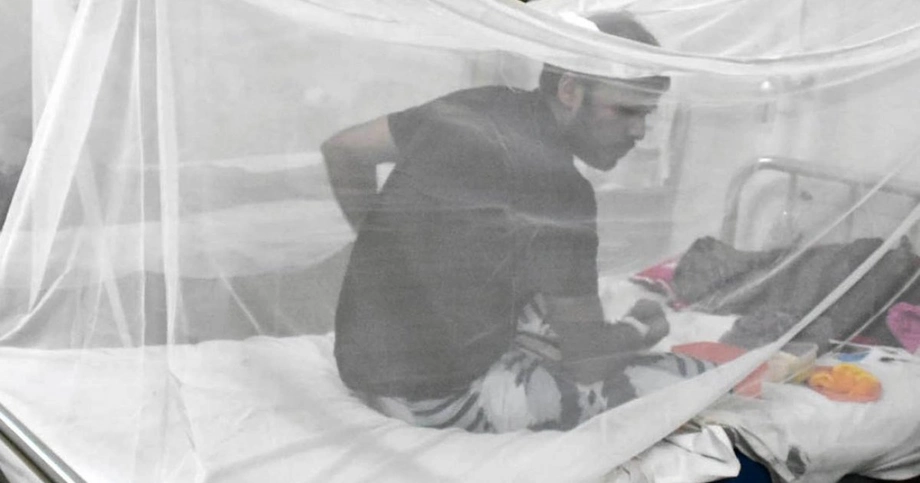
The DGHS advised residents to clear standing water around their homes, use mosquito nets when sleeping during the day and contact a hospital promptly when fever develops. Aedes mosquitoes are active during daylight hours, making protection during daytime rest part of dengue prevention.
Bashar called for stronger mosquito control indoors as well as outside, particularly wherever water has collected. Abdullah likewise urged people to remove mosquito breeding places while seeking care quickly when symptoms appear.
For health services, the death review and hospital accounts point to the same practical needs: accessible testing, observation before a patient becomes critically ill, and rapid movement into hospital care when necessary. Mushtuq's proposed system would connect local clinics, intermediate care and specialist hospitals, with intensive care reserved for those who need it.
Hospitals were also facing pressure from a concurrent measles outbreak reported to have killed more than 1,200 people. Dengue admissions added to that demand for staff, beds and treatment, while 6,236 dengue patients alone remained in hospital on October 31.
The immediate priorities are concrete: reduce the number of mosquitoes breeding around homes, shorten the time between fever and medical assessment, and get severely ill patients into treatment quickly.
Key Points
- Bangladesh recorded 174 dengue deaths in October 2026, bringing the annual toll to 419 by October 31.
- September and October together accounted for 322 deaths, nearly 77 percent of the year's total.
- Hospitals admitted 1,633 patients in the latest 24 hours, while 6,236 remained under treatment nationwide.
- A review of 119 deaths found that more than one third occurred within 24 hours of hospital admission.
- Doctors identified delayed care and repeat infections as major concerns in severe cases.
- Transmission is expected to continue through November, with greater improvement forecast for December.
- Health authorities urged residents to remove standing water, use mosquito protection and seek prompt medical care for fever.