A former police chief becomes the focus of a nationwide search
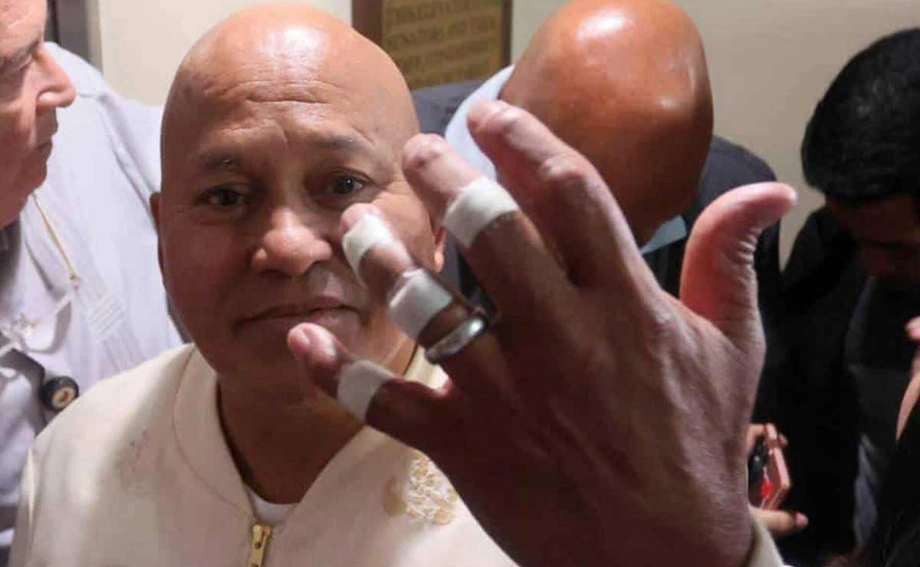
Malacañang has challenged the Philippine National Police to arrest Senator Ronald "Bato" dela Rosa despite his ties to the force, as police mobilize teams across all 18 regions and pursue leads backed by a P50 million reward. Dela Rosa is wanted under an International Criminal Court warrant over his alleged role in killings during former President Rodrigo Duterte's campaign against illegal drugs.
Contents
- A former police chief becomes the focus of a nationwide search
- Police expand the search across 18 regions
- Mindanao claims bring fears of an armed confrontation
- How Dela Rosa reached this point
- The dispute over Interpol and arrest powers
- Lacson calls for a Philippine court appearance first
- Supreme Court appeal focuses on the right to life
- Public tips and operational secrecy
- The Bottom Line
Palace press officer Claire Castro said the administration trusted PNP chief General Jose Melencio Nartatez Jr. to carry out his duties. Her response followed Interior Secretary Jonvic Remulla's acknowledgment that Dela Rosa's history as national police chief had complicated the search. Dela Rosa and Nartatez are both graduates of the Philippine Military Academy.
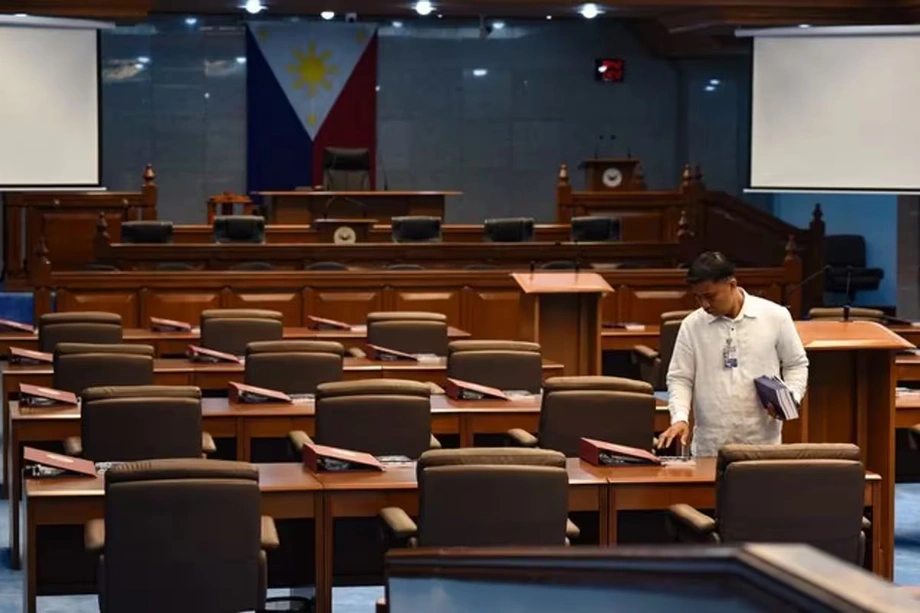
Castro's message was that duty, rather than friendship or alliances, should guide the police leadership. Dela Rosa commanded the PNP from 2016 to 2018 and helped shape the campaign whose killings are now central to the ICC proceedings.
The senator remains at large after a deadline for voluntary surrender expired. Police say immigration coordination indicates that he remains in the Philippines, while information placing him with an armed group in Mindanao is still being checked.
The search now involves three connected disputes: whether officers can overcome personal loyalties, what Philippine legal procedures should precede any transfer to the ICC, and how an arrest can be carried out without bloodshed. Dela Rosa's lawyers are seeking Supreme Court intervention, while police say their operations will continue through lawful means.
Police expand the search across 18 regions
Police Lieutenant General Wilson Joseph Lopez, the PNP deputy chief for administration overseeing the search, said a national task group was organized on instructions from the Department of the Interior and Local Government. Corresponding teams in regional police offices have been mobilized to locate and arrest Dela Rosa.
Lopez said intelligence monitoring had been strengthened and tips were being checked across the country. Although Remulla has pointed to Mindanao, information reaching police also identifies other possible locations. Regional teams give the search a wider reach than an operation concentrated on a single island.
Lopez described the force's commitment to implementing the warrant:
"Let me declare, we will not back down from our duty," he said.
The Bureau of Immigration has relayed information indicating that Dela Rosa has not departed the Philippines. Police have strengthened security at borders, particularly in Mindanao, to prevent him from leaving through possible escape routes.
The Armed Forces of the Philippines is ready to assist, including with aircraft and vessels, according to Lopez. No formal written request for that assistance had been made. National Bureau of Investigation Director Melvin Matibag said his agency had maintained a search unit and monitoring team since Dela Rosa disappeared from public view in May, with regional and district offices watching possible exit points.
Mindanao claims bring fears of an armed confrontation
Remulla said on October 19 that Dela Rosa was in Mindanao under the protection of an armed group. He also warned that an arrest attempt could lead to 10,000 deaths. Police have not publicly detailed the intelligence behind that warning and say the information about Dela Rosa's protection is undergoing validation.
PNP public information chief Colonel Allen Rae Co said negotiations were continuing with a supposed armed group allegedly sheltering the senator. The group's identity and the senator's precise location have not been publicly confirmed.
Nartatez has instructed officers to avoid unnecessary harm. He set out the standards for personnel conducting the search:
"I have directed all personnel to remain professional, respect human rights and exercise maximum restraint while carrying out their lawful duties," he said in a statement.
Lopez also appealed for a peaceful surrender to protect both police officers and people accompanying Dela Rosa. The option of voluntary surrender remains open despite the expired deadline.
How Dela Rosa reached this point
Dela Rosa led the PNP during the first two years of Duterte's presidency and authored Oplan Double Barrel, the police campaign against illegal drugs. Thousands of people died during the broader drug war. The ICC identifies him as one of eight alleged co-perpetrators in the case involving Duterte.
His movements since learning of the warrant have connected the criminal proceedings to national politics, including a brief return to the Senate to take part in a leadership vote.
- March 2025: Philippine authorities arrested Duterte in Manila and transferred him to The Hague to face the ICC.
- November 2025: Dela Rosa went into hiding after learning that the ICC had issued a warrant against him.
- May 11, the following year: Dela Rosa appeared at the Senate and cast the 13th vote installing Alan Peter Cayetano as Senate president.
- May 14: Dela Rosa left the Senate premises after briefly receiving protection there and following a shooting incident at the chamber.
- October 19: Remulla publicly placed Dela Rosa in Mindanao under alleged armed protection.
- October 27: Dela Rosa's lawyers renewed their request for urgent Supreme Court action to stop his arrest and eventual surrender.
- October 28: The PNP launched public telephone lines operating around the clock to collect information on his whereabouts.
The Palace account dates Nartatez's surrender ultimatum to October 21, while the PNP chronology places it on October 23. The deadline has passed, and the police leadership says the search is continuing.
The dispute over Interpol and arrest powers
Dela Rosa's lawyer Israelito Torreon argues that Philippine authorities lack a basis for the manhunt because Interpol has not issued a red notice for his client. He also points to the absence of an arrest warrant from a Philippine court.
A red notice is a request circulated through Interpol asking authorities to locate and provisionally arrest a wanted person, subject to national law. The international request and the legal powers used by police inside a country are connected parts of the arrest process.
Torreon said a colleague had checked for Dela Rosa's name, but acknowledged that the legal team had not obtained a certification or written confirmation from Interpol. The Department of Justice has taken a different position, saying the ICC warrant was enforceable following an application for a red notice.
Duterte's arrest is central to the government's explanation. Anthony Alcantara, director of the Philippine Center on Transnational Crime, told a Senate hearing after that arrest that authorities had used an Interpol diffusion notice rather than a red notice.
A diffusion is another means of circulating a request through Interpol channels. Alcantara described the request used for Duterte as serving the same purpose as a red notice: asking authorities to arrest, detain or restrict the movement of the person sought.
The Marcos administration justified Duterte's transfer through the Philippines' cooperation with Interpol, despite the country's withdrawal from the ICC during Duterte's presidency. Dela Rosa's lawyers continue to challenge the domestic legal basis for using that route against him.
Lacson calls for a Philippine court appearance first
Senator Panfilo "Ping" Lacson says Dela Rosa should be brought before a Philippine court if arrested, before any surrender to the ICC. He argues that this would allow the senator to pursue legal remedies, including seeking relief from the Supreme Court.
Lacson cited Republic Act No. 9851, the Philippine Act on Crimes Against International Humanitarian Law, Genocide, and Other Crimes Against Humanity. The law provides Philippine jurisdiction over certain serious crimes and allows surrender or extradition to an international court under applicable laws and agreements.
Under Lacson's proposed approach, the Philippine court would perform a procedural role rather than decide whether Dela Rosa committed the crimes alleged before the ICC. In simple terms, the local proceedings would concern the handling of his arrest and transfer, while the criminal case would remain with the international court.
Torreon disputes the use of Republic Act No. 9851 against his client. He also argues that Philippine law does not identify the court to which Dela Rosa could turn under Article 59 of the Rome Statute, the treaty establishing the ICC. That article addresses arrest procedures in a country holding a person sought by the court.
Lacson said he had signed a Senate resolution opposing extraordinary rendition and calling for sufficient time to seek relief in Philippine courts. Extraordinary rendition refers to moving a person across borders outside ordinary legal transfer procedures. The resolution reflects the senators' position on safeguards before surrender or extradition.
Supreme Court appeal focuses on the right to life
The Supreme Court denied Dela Rosa's request for a temporary restraining order in May. Such an order would temporarily stop specified government action while a court considers a dispute.
His lawyers sought reconsideration in June. In their October 27 filing, they asked the court to act urgently and prevent any attempt to arrest him for eventual surrender to the ICC. No date for a new ruling was given.
The legal team argues that the P50 million bounty and Remulla's description of Dela Rosa as "armed and dangerous" place his constitutional right to life at serious risk. Their concern is that officers approaching him could expect armed resistance and become more likely to use lethal force.
Dela Rosa's lawyers set out their objection in the court filing:
"No court has found petitioner Dela Rosa to be armed and dangerous," the lawyers said.
Nartatez's instructions on restraint address the immediate conduct of police operations. The court application seeks a judicial order stopping the arrest and transfer process while the legal challenge is considered.
Public tips and operational secrecy
The PNP has presented five mobile numbers for information about Dela Rosa, with calls and messages accepted around the clock. Police say every lead must be checked before it shapes an operation.
Co warned that people deliberately providing false information or making prank calls could face criminal charges. False tips can send officers to the wrong place, consume time and draw uninvolved people into a search.
Lacson, a former PNP chief who served from 1999 to 2001, has urged authorities to keep sensitive operational information private. He was also Dela Rosa's superior at the Presidential Anti-Organized Crime Task Force.
His argument is practical: publicly identifying a suspected location can give a wanted person time to move. Lacson said police may sometimes choose to release information to draw a target out or avoid bloodshed, but that decision should rest with officers who have access to the intelligence.
The public appeal for tips therefore runs alongside a need to protect details about deployments, negotiations and possible arrest locations. Police have declined to disclose further operational plans.
The Bottom Line
- Malacañang says Dela Rosa's former leadership of the PNP and personal ties should not obstruct his arrest.
- Police have mobilized search teams across all 18 regions, with a P50 million reward connected to his capture.
- Authorities say he remains in the Philippines. Claims that an armed group is protecting him in Mindanao are being checked.
- Dela Rosa's lawyers dispute the legal basis for the manhunt and have renewed their appeal for Supreme Court intervention.
- Lacson wants a Philippine court appearance before any transfer to the ICC so Dela Rosa can seek local legal remedies.
- Police say voluntary surrender remains possible and officers must respect human rights and exercise restraint.