Emergency relief follows an 8.8% market slide
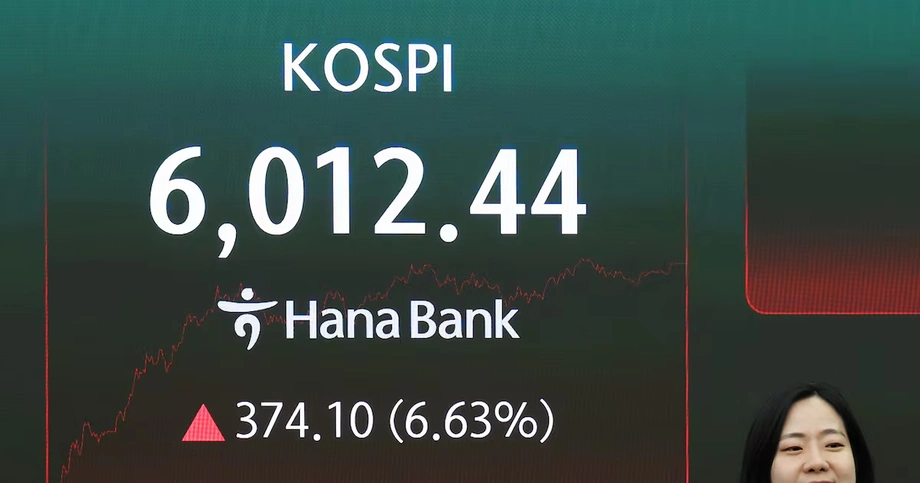
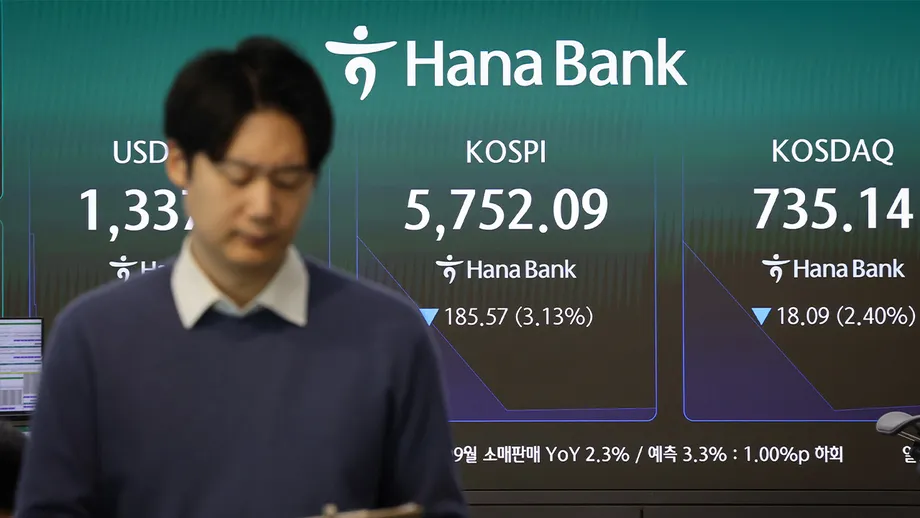
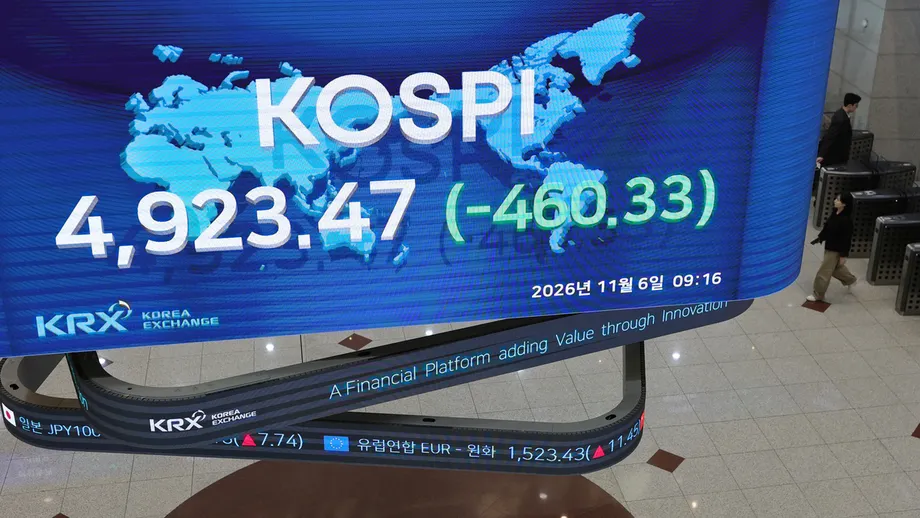
South Korea will suspend its 140% collateral maintenance requirement for stock purchase loans for three months from November 9, 2026, after a sharp market selloff threatened to trigger a wave of forced share sales. The benchmark KOSPI fell as much as 8.8% during early trading on Friday, November 6, dropping below 5,000 and triggering a 20-minute trading halt.
Contents
- Emergency relief follows an 8.8% market slide
- What the 140% requirement means
- Brokerages gain room to delay forced sales
- Why the market opening matters
- AI concerns connect Wall Street and Seoul
- Officials urge investors to avoid excessive pessimism
- A measure used before, with a new start date
- What authorities will watch next
- Key Points
Deputy Prime Minister and Finance Minister Lee Hyoung-il announced the measure at an emergency market review meeting at the Government Complex Seoul. Officials from the Financial Services Commission, the Financial Supervisory Service and the Bank of Korea attended as authorities assessed whether falling share prices could set off further selling by investors who had borrowed to buy stocks.
Samsung Electronics and SK Hynix led the losses. The KOSPI traded below 5,000 for the first time in nine months, following sharp overnight declines on Wall Street linked to concerns about returns on artificial intelligence investment and possible restrictions on data centre development.
The government's immediate target is the chain reaction that can develop when falling prices leave investors without enough collateral to support their loans. Giving securities firms more freedom over collateral demands could spread forced sales across a longer period, reducing the volume of sell orders arriving together at the market opening.
What the 140% requirement means
Investors using margin loans borrow money from a securities firm to purchase shares. The firm requires collateral, meaning assets it can sell if the borrower cannot meet the loan conditions. Under the requirement being suspended, that collateral must remain worth at least 140% of the outstanding loan.
For a loan of 10 million won, a 140% ratio means maintaining collateral worth at least 14 million won. If its value falls to 13 million won, the ratio drops to 130%, leaving a shortfall of 1 million won against the required level. This example illustrates the rule rather than the position of any particular investor.
A margin call is a demand to restore that protection, usually by adding cash or eligible assets. Under the existing arrangements described by authorities, an investor who misses the deadline can face a forced sale of shares, with the securities firm placing orders before the next trading session at the lower daily price limit or at the market price.
Falling prices can therefore produce selling that investors would otherwise choose to postpone. When many accounts breach the same threshold at once, their orders can arrive together and put further pressure on share prices.
Brokerages gain room to delay forced sales
The exemption allows securities firms to lower their collateral thresholds or grant their own grace periods before selling customer holdings. Each firm can decide how to use that flexibility during the three months beginning November 9.
For borrowers, the practical difference is time. A grace period could give an investor longer to provide collateral or arrange repayment rather than having shares sold immediately after a deadline. A lower threshold could allow an account to remain open despite a decline in the value of its holdings.
Securities firms will still need to manage the risk of lending against assets whose prices can change quickly. Investors remain responsible for their borrowing, and the terms applied by their own brokerage will determine how much additional room they receive.
The government has announced the exemption, but individual firms' revised thresholds and grace periods have not been specified. Investors will therefore need their brokerage's terms to understand how the temporary relief applies to their accounts.
Why the market opening matters
Authorities are trying to reduce a concentration of mechanical selling at the start of trading. When investors fail to cover collateral shortfalls by the deadline, securities firms can prepare orders for the following session, bringing many forced sales into the market at the same time.
A sharp decline can create a feedback loop: falling share prices weaken collateral, weakened collateral triggers sales, and those sales can push prices lower again. The temporary exemption seeks to interrupt that loop by allowing firms to adjust when and under what conditions they sell.
The 20-minute trading halt and the collateral exemption address different parts of the disruption. The halt interrupted trading during Friday's fall. The exemption changes how securities firms can handle loan collateral over the following three months.
Investors who bought shares entirely with their own money could also feel the effects of reduced forced selling, because those orders enter the same market where other shareholders trade. The size of any benefit will depend on brokerage decisions and the direction of prices.
AI concerns connect Wall Street and Seoul
Samsung Electronics and SK Hynix were at the centre of Friday's decline as concerns surrounding AI investment spread through technology shares. Investors were weighing whether the large sums being committed to AI would generate sufficient returns, alongside uncertainty about the development of the data centres needed to run those systems.
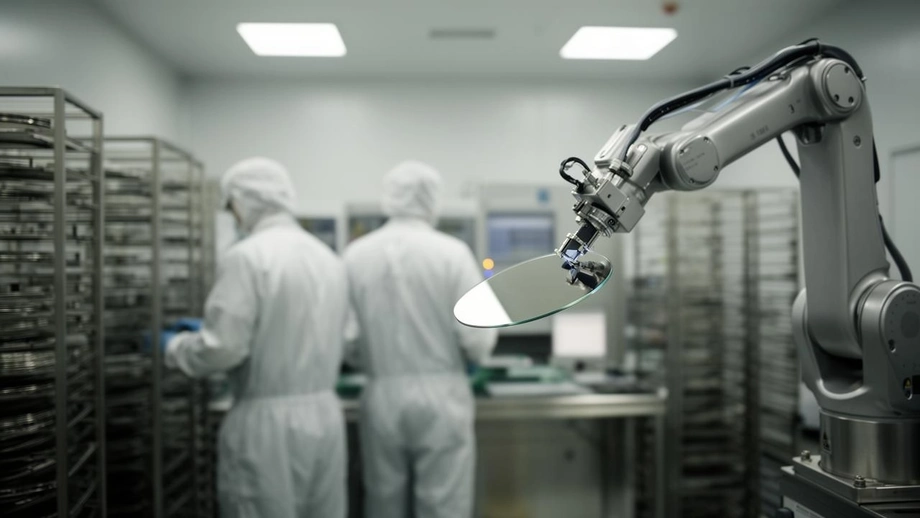
Data centres house the computing equipment that supports AI services. Restrictions on their construction or operation can affect expectations for how quickly capacity will expand and how much equipment companies will buy. Those expectations matter to investors assessing semiconductor businesses.
The government attributed the Korean selloff to a combination of uncertainty over AI industry policy, including possible data centre regulation, and weaker global investment sentiment. Officials also pointed to increased market volatility following the US midterm elections and concerns about slower AI investment after the Democratic Party's decisive victory.
South Korea's response focuses on the domestic trading mechanism that could worsen those external pressures. The suspension gives brokerages more discretion over collateral while authorities continue monitoring semiconductor industry developments and policy decisions in major economies.
Officials urge investors to avoid excessive pessimism
Lee said authorities were watching investor behaviour as well as prices during the emergency response. The finance minister described their concern in direct terms:
The authorities are closely monitoring excessive anxiety and one-sided movement,
The government said the domestic market had reacted too strongly to external developments. In its assessment, it warned against excessive pessimism and argued that the economy's underlying condition remained strong.
Meeting participants cited expectations for economic growth in the middle of the 3% range in 2026, exports reaching $1 trillion and corporate operating profits exceeding 900 trillion won. These were forecasts cited to support the government's assessment during the selloff.
Those figures describe different parts of the economy. Growth measures how much economic output expands, exports measure goods and services sold abroad, and operating profit measures earnings from business operations before certain financial and tax items. Officials used all three to explain why they considered the market reaction excessive.
The government's position is that strong economic and corporate prospects should help steady confidence. Investors are simultaneously reassessing the outlook for AI spending, showing how expectations about future demand can move share prices sharply even when officials present an upbeat economic forecast.
A measure used before, with a new start date
Financial authorities used the same three-month exemption in July 2022, also seeking to curb forced selling during a steep stock market decline. The latest decision returns to that approach by temporarily giving securities firms more control over collateral management.
The sequence places the relief after the initial market shock, with implementation beginning on the following Monday:
- July 2022: Financial authorities introduced a similar collateral exemption for three months during a market decline.
- November 6, 2026: The KOSPI fell as much as 8.8%, breached 5,000 and triggered a 20-minute trading halt. Lee chaired the emergency review meeting in Seoul.
- November 9, 2026: The new exemption from the 140% collateral maintenance requirement takes effect for three months.
The 2022 precedent shows that authorities have used this particular tool before. This time, its immediate purpose is to disperse forced orders that could otherwise arrive together as borrowers struggle to replace collateral lost during the selloff.
What authorities will watch next
The government said it would prepare additional stabilisation measures if volatility increased further. Officials pledged to monitor domestic and international stock markets, capital flows, the global semiconductor industry and policy developments in major countries.
Capital flows are movements of money into and out of investments or countries. Watching them alongside share prices can help authorities assess whether investors are withdrawing funds broadly or whether selling is concentrated in particular parts of the market.
For securities firms, the next operational step is deciding whether to lower collateral thresholds, extend deadlines or use both options. For investors with margin loans, those decisions will shape the time available to address a shortfall and the conditions under which a forced sale could still occur.
The government's response is aimed at slowing a specific source of selling pressure while it watches the wider market. The three-month window gives brokerages temporary flexibility, with further government action dependent on how volatility develops.
Key Points
- South Korea will waive the 140% collateral maintenance requirement for margin loans for three months from November 9, 2026.
- The KOSPI fell as much as 8.8% on November 6, dropped below 5,000 and triggered a 20-minute trading halt.
- Samsung Electronics and SK Hynix led losses amid concerns about AI investment returns and data centre policy.
- Securities firms may lower collateral thresholds or give investors more time before forced sales.
- Authorities used a similar three-month exemption in July 2022 and have pledged further measures if volatility worsens.