A rate cut was considered, but most board members chose to wait
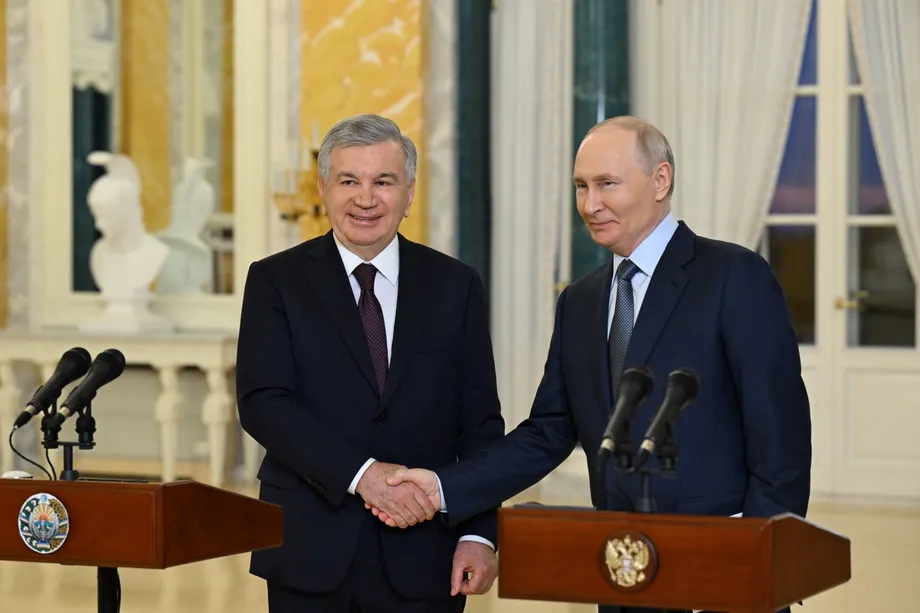
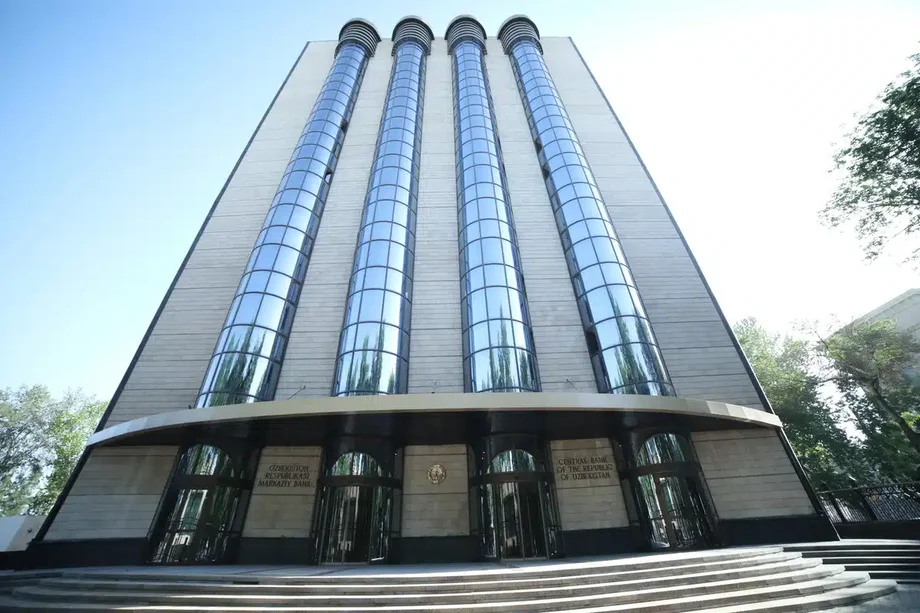
Uzbekistan's Central Bank kept its main interest rate at 14% on November 4, 2026, after considering a reduction to 13.5%. The decision came as the regulator raised its forecast for inflation at the end of 2026 from 6.5% to about 7%, while lifting its economic growth forecast to roughly 8%.
Contents
- A rate cut was considered, but most board members chose to wait
- September prices explain the caution
- Why the inflation forecast rose to 7%
- Expectations are falling, but remain above the target
- Stronger growth brings both help and pressure
- How the 14% rate reaches savers and borrowers
- What would make rates below 10% possible?
- ING sees less room for a December cut
- The dates that shape the next decision
- Key Points
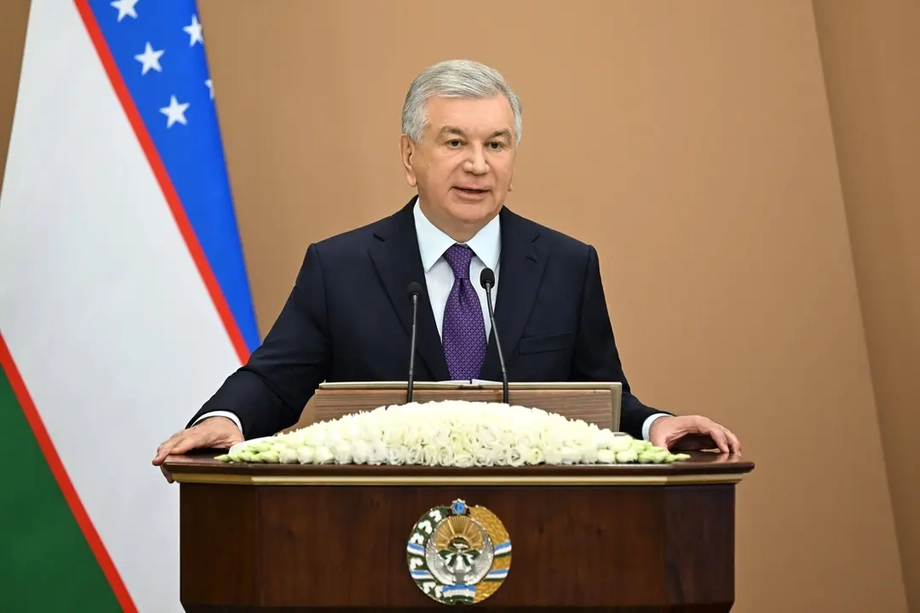
Deputy Central Bank Chairman Nodirbek Achilov said most board members supported leaving the rate unchanged. Falling inflation expectations and stable underlying price growth had opened the discussion about a cut, but strong domestic spending and risks from international food and energy prices persuaded the majority to wait.
The decision leaves the rate at the level set in March 2025, when the bank increased it from 13.5%. The next meeting is scheduled for December 16, 2026.
For households, the policy supports returns on savings in soums while keeping borrowing relatively expensive. For businesses, it means the bank is still trying to slow the spread of higher costs through the economy, even as investment, construction and services help output grow rapidly.
The central tension is straightforward: Uzbekistan's economy is expanding strongly, but demand for goods and services is running ahead of what the economy can produce. The bank wants investment to increase production without allowing spending to push prices further above its 5% inflation target.
September prices explain the caution
Annual consumer price inflation reached 6.4% in September, according to the Central Bank. The August comparison was given as 6.2%, although an alternative published figure puts it at 6.3%. In either case, September brought a modest acceleration driven by fruit and vegetables, fuel and some services.
Services inflation reached 7%, while core inflation remained at 5.5%. Core inflation is a measure designed to show the underlying direction of prices by filtering out selected volatile or regulated components.
The bank also observed a slight increase in the share of goods and services whose prices had risen by more than 5% over a year. That matters because its target concerns inflation across the consumer basket. Pressure becomes harder to contain when above target increases spread across more purchases.
Supply conditions have played a growing role in recent months, the regulator said. A rise in fuel costs, for example, can increase the expense of transporting food and other products. Businesses may then pass some of those costs to customers.
The Central Bank expects core inflation to change little through the end of 2026 before declining in later periods. Its policy is aimed partly at limiting further price increases that follow the initial rise in production or transport costs.
Why the inflation forecast rose to 7%
The revised forecast reflects three pressures identified by the Central Bank: strong domestic demand, risks surrounding international energy prices and planned increases in some regulated prices. The move from 6.5% to about 7% is an increase of 0.5 percentage points.
Regulated prices are prices set or controlled by public authorities rather than determined entirely by competition. Changes to utility tariffs can affect household bills directly and also raise costs for businesses that use those services.
The bank expects the direct inflation effect of these adjustments to be temporary and to run its course during 2027. When a tariff rises once, it lifts the price level. Its contribution to the annual inflation rate then fades as the comparison moves beyond that increase.
The policy concern is what happens afterward. Businesses facing higher costs may raise other prices, while households expecting further increases may bring purchases forward. Keeping interest rates high is intended to limit that wider spread.
International food and energy markets add another channel of pressure. Higher import prices can reach consumers directly, while more expensive fuel can raise manufacturing and delivery costs. The Central Bank warned that these channels could slow the decline in inflation.
Expectations are falling, but remain above the target
Households expected prices to rise by 8.7% over the following 12 months in September. Businesses expected an increase of 9.2%. Both measures continued to decline, according to the Central Bank.
Those expectations were still above September's measured inflation of 6.4%, by 2.3 percentage points for households and 2.8 points for businesses. They were also above the bank's 5% target.
Expectations matter because people make decisions using the prices they think are coming. A business anticipating more expensive supplies may adjust its selling prices. A household worried about future costs may spend sooner instead of saving.
Achilov said declining expectations, stable core inflation and positive developments in the national currency helped justify discussing a reduction to 13.5%. The board nevertheless chose to preserve the current degree of restraint while monitoring demand and external risks.
Stronger growth brings both help and pressure
Uzbekistan's economy grew by 8.3% in January through September 2026 compared with the same period a year earlier. Industry, construction and services provided the main contributions, according to the Central Bank.
The bank now expects growth of about 8% for the full year. Its forecast at the beginning of 2026 was 7% to 7.5%, followed by a July projection of 7.5% to 8%. The latest forecast places expected growth at the upper end of the July range.
Investment and rising real household incomes are expected to keep domestic demand strong in the coming months. Real income measures purchasing power after allowing for inflation, so an increase means households can afford more goods and services.
Investment also expands the economy's ability to supply those purchases. New factories, equipment and other production capacity can help meet demand without the same pressure on prices.
The timing creates a difficult balance. Spending on investment supports demand immediately, while new capacity takes time to enter operation. The Central Bank warned that inflation pressure could persist while total demand remains above production capacity.
How the 14% rate reaches savers and borrowers
The main policy rate guides the cost of money between banks and, through that market, influences the rates commercial banks offer on deposits and loans. The Central Bank said money market rates were trading close to its 14% benchmark.
Real interest rates on deposits and loans in soums remain positive, the regulator said. A positive real return means interest exceeds the inflation measure used in the calculation, helping savings retain purchasing power.
For borrowers, positive real rates keep financing relatively costly. That can restrain spending financed through credit. For savers, attractive deposit returns can encourage people to leave money in the bank rather than spend it immediately.
The Central Bank sees these conditions as a way to bring demand closer to the economy's ability to produce. The 14% benchmark guides financial conditions; individual banks set their own deposit and lending rates.
The regulator is also considering gradually narrowing its interest rate corridor, currently two percentage points on either side of the main rate. At 14%, that produces a range of 12% to 16%. The corridor helps guide short term market rates, and a narrower range could keep them closer to the benchmark as policy changes.
What would make rates below 10% possible?
Achilov said rates below 10% could become possible during 2027 to 2029 if inflation settles at the 5% target and household and business expectations continue to fall.
The deputy chairman described the conditions for that possibility:
If we come to a final conclusion that inflation has fallen to the target level, and inflation expectations continue to decline, there may be an opportunity to reduce the main rate to a single digit level within the horizon of the main monetary policy guidelines.
The Central Bank has set no timetable for such reductions. Its baseline forecast has inflation approaching 5% in the second half of 2027 and remaining around that level in 2028 and 2029. The November decision statement projects achievement of the target by the end of 2027.
Core inflation is expected to fall to 4% to 5% in 2027 and about 4% afterward. As inflation stabilises, the bank sees scope to move toward neutral monetary conditions, meaning interest rates that neither strongly stimulate nor restrain economic activity.
Preliminary Central Bank calculations put the real interest rate associated with that transition at 4% to 5%. Future decisions will depend on actual inflation, expectations and economic risks, rather than a fixed sequence of cuts.
ING sees less room for a December cut
ING's November rate assessment described the Central Bank's message as more hawkish than in September, meaning more focused on keeping policy restrictive to contain inflation. ING now considers a December cut unlikely and says its earlier expectation that easing could begin in the final quarter of 2026 no longer looks realistic.
The institution pointed to a change in the discussion of demand. In September, the Central Bank had identified signs of stabilisation in some parts of spending. November's warning about demand exceeding productive capacity suggests less urgency to lower rates, in ING's assessment.
ING still sees room for cuts in 2027 if government budget restraint continues and the soum remains strong. It puts the fiscal deficit at under 2% of gross domestic product, down from 4.7% in 2023. A smaller deficit can reduce the additional demand created when government spending exceeds revenue.
The soum had appreciated by 2% against the US dollar since the outbreak of the Iran war, according to ING, which attributed much of that strength to capital inflows. A stronger currency can help contain the local cost of imported goods.
Gold exports offer another possible source of currency support. ING reported physical exports of 18 tonnes in January through September 2026, compared with 85 tonnes in the same period of 2025, a fall of 67 tonnes, or about 79%. Physical shipments were recorded only in April and July.
ING said a return toward annual gold exports of 80 to 120 tonnes could bring additional foreign currency into Uzbekistan and support the soum. Its case for easing next year depends partly on those currency inflows and continued budget restraint.
The dates that shape the next decision
The November hold follows a long period without a change in the benchmark. The next scheduled decision will come before the end of 2026, while the inflation target remains a goal for 2027.
- March 2025: The Central Bank raised the main rate from 13.5% to 14% amid stronger demand and inflation pressure.
- September 16, 2026: The bank retained the 14% rate, citing continuing price risks, external conditions and regulated tariff changes.
- November 4, 2026: The board considered holding at 14% or cutting to 13.5%, with most members supporting a hold.
- December 16, 2026: The board is scheduled to review the main rate again.
- End of 2027: The bank forecasts annual inflation at its 5% target.
The December decision will depend on inflation data, expectations, domestic spending and developments abroad. Households and businesses therefore enter the next review with borrowing conditions unchanged, a higher inflation forecast for 2026 and the possibility of lower rates tied to sustained progress on prices.
Key Points
- Uzbekistan kept its main interest rate at 14% on November 4, 2026, after considering a cut to 13.5%.
- The Central Bank raised its forecast for inflation at the end of 2026 from 6.5% to about 7%.
- September inflation was 6.4%, services inflation reached 7% and core inflation remained at 5.5%.
- The economy grew 8.3% in the first nine months of 2026; the bank now expects about 8% growth for the full year.
- Rates below 10% during 2027 to 2029 are conditional on stable inflation at the target and falling expectations.
- The next rate meeting is December 16, 2026. Inflation is forecast to reach 5% by the end of 2027.