October brings a change at the top
Nepal welcomed 17,437 tourists from the United States in October 2026, putting Americans ahead of Indian visitors for the first time, according to the Nepal Tourism Board. The change came as arrivals from India fell to 12,097 following floods and landslides that damaged roads and disrupted pilgrimage routes.
Contents
- October brings a change at the top
- American growth meets an Indian decline
- Flood damage reaches beyond the disaster zone
- Why pilgrimage cancellations spread through local businesses
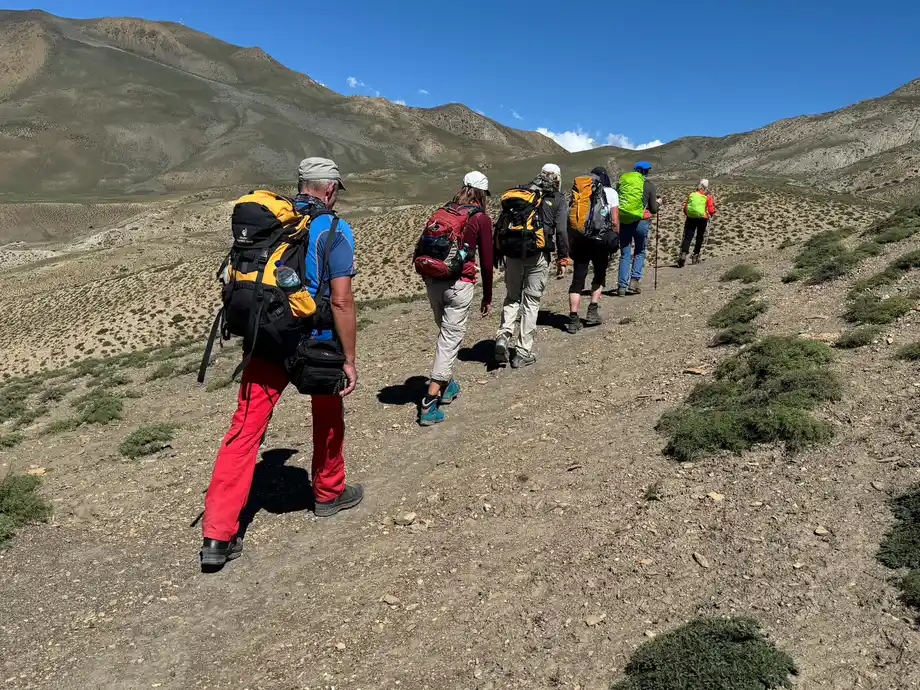
- American trekkers accepted alternative routes
- Familiar hotels and family visits support US arrivals
- China and Europe broaden October's growth
- India's setback follows a record month in May
- What Nepal needs to reach a new annual record
- Key Points
The country received 132,814 foreign tourists during the month, up from 128,443 in October 2025. That increase of 4,371 visitors, or about 3.4%, shows tourism growing even as Nepal's largest traditional source market struggled. China ranked third with 11,695 arrivals, just 402 fewer than India.
Two movements drove the change: American arrivals rose by 4,151 compared with October last year, while Indian arrivals fell by 5,201. Nepal Tourism Board director Mani Raj Lamichhane said the decline from India was the main reason the United States reached first place.
For tourism businesses, the result brings both encouragement and pressure. Trekking operators serving American customers described steady bookings and successful changes to itineraries. Companies arranging Indian pilgrimages faced cancellations after damage to transport routes made coordinated group travel harder.
The figures also bring Nepal closer to its annual tourism record. With 998,734 foreign visitors recorded between January and October, the country needs another 198,458 arrivals in November and December to exceed the 1,197,191 visitors it welcomed in 2019, before the COVID-19 pandemic.
American growth meets an Indian decline
American arrivals increased from 13,286 in October 2025 to 17,437 in October 2026, a gain of 31.24%. Indian arrivals moved in the opposite direction, falling from 17,298 to 12,097, a drop of about 30.1%.
The United States accounted for about 13.1% of Nepal's October arrivals, compared with India's 9.1%. Together with China, the three countries supplied 41,229 visitors, or roughly 31% of the month's total.
Lamichhane described the change in rankings and its main cause:
This is the first time in history that arrivals from the US have topped Nepal's tourism source markets, and it is encouraging news for the industry.
The monthly comparison was also striking. American arrivals more than doubled from 8,299 in September to 17,437 in October. Indian arrivals fell from 17,425 to 12,097 over the same period, a decrease of about 30.6%.
October's rankings therefore reflect growth in American travel alongside a substantial loss of Indian visitors. Businesses serving those markets experienced very different conditions within the same national tourism figures.
Flood damage reaches beyond the disaster zone
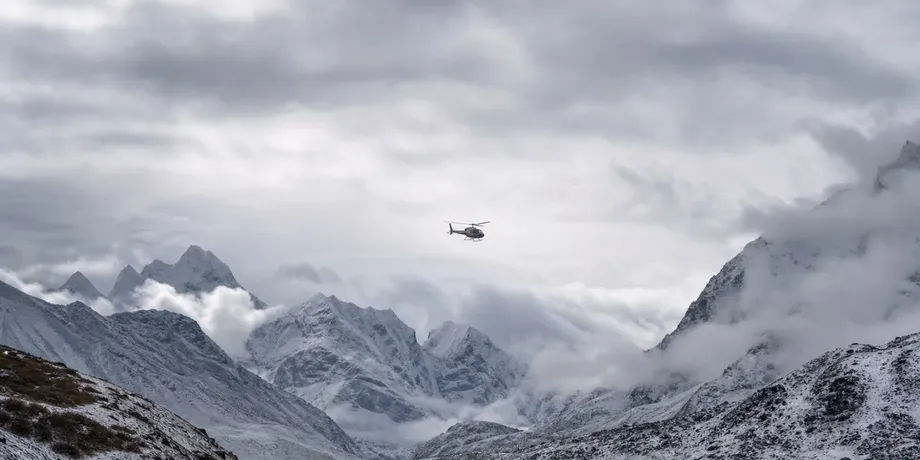
Floods on August 26 affected the Bhotekoshi and Trishuli river systems, while landslides and damaged roads disrupted travel routes. The damage affected access to the Langtang trekking region and journeys through Nepal toward Kailash Mansarovar in Tibet.
The disaster also carried a severe human cost. Figures reported in early November put the death toll at 1,451, with 5,745 people missing. Nepal's National Disaster Risk Reduction and Management Authority reported 636 foreign nationals missing, most of them nonresident Indians travelling for the Kailash Mansarovar pilgrimage.
For visitors planning journeys in September and October, transport damage created practical problems beyond concerns about safety. A blocked road could interrupt a chain of hotel bookings, flights, vehicle transfers and border crossings.
The main developments unfolded over several months:
- August 26: Floods damaged routes in the Bhotekoshi and Trishuli river systems.
- September: More than 5,000 Indian pilgrims cancelled planned Kailash Mansarovar trips, according to a pilgrimage operators association.
- October: Nepal received 132,814 foreign visitors, with the United States becoming its largest source market.
- November and December: Nepal needs 198,458 more arrivals to exceed its 2019 annual record.
Why pilgrimage cancellations spread through local businesses
Bimal Naharki, president of the Association of Kailash Tour Operators Nepal, said more than 5,000 Indian pilgrims cancelled trips scheduled for September. Road damage continued to affect travel decisions in October.
Naharki explained the connection between damaged infrastructure and the fall in arrivals:
As roads collapsed and transportation was disrupted, it affected Indian tourists' travel plans for October as well.
Kailash Mansarovar journeys support businesses well beyond the companies selling pilgrimage packages. Hotels, restaurants and guest houses in Nepalgunj and Simkot serve travellers moving toward Tibet. Guides, porters and drivers also depend on that traffic.
Routes can involve overland travel through Kerung or flights and helicopter transfers through Simkot and Hilsa. Each stage needs to connect with the next. A disruption at one point can make the whole journey difficult to complete.
Operators commonly arrange travel involving tens of thousands of Indian and nonresident Indian pilgrims each season, with quotas and arrangements often covering 24,000 to 25,000 visitors. Organised groups depend on fixed schedules, coordinated transport and suitable accommodation. Changing a pilgrimage route can therefore be more complicated than choosing a different trek.
American trekkers accepted alternative routes
Ganga Bahadur Thapa, managing director of Nepal Hiking Team, said his company received no cancellations after the floods, although some customers postponed their journeys. The company handles more than 1,200 American travellers annually.
Thapa described his customers' response:
In fact, we didn't receive a single cancellation. Only a few postponed their trips.
His company offered travellers booked for Langtang alternative itineraries, including the Annapurna Circuit and Everest Base Camp routes, without increasing the cost. Customers could keep their Nepal trip while changing the destination within the country.
Thapa said travellers understood that conditions varied by location:
The August 26 disaster affected the popular Langtang trekking region, but other areas were safe, and they knew that.
Tour operators also described growing interest among younger Americans in trekking and mountaineering. For companies able to offer several destinations, that demand created room to adjust bookings when a particular route became unavailable.
Familiar hotels and family visits support US arrivals
Pawan Tuladhar, founder and owner of Dharma Adventures, said American customers had remained a reliable market despite limited promotion aimed specifically at the United States. He described a customer group that had grown over several years.
Tuladhar said:
The American market has always been reliable for Nepal. They are a high-end segment and have been growing consistently over the past years.
Tuladhar also pointed to the expansion of American hotel chains in Nepal. Familiar accommodation brands and expected service standards, he said, helped build confidence among travellers considering a visit.
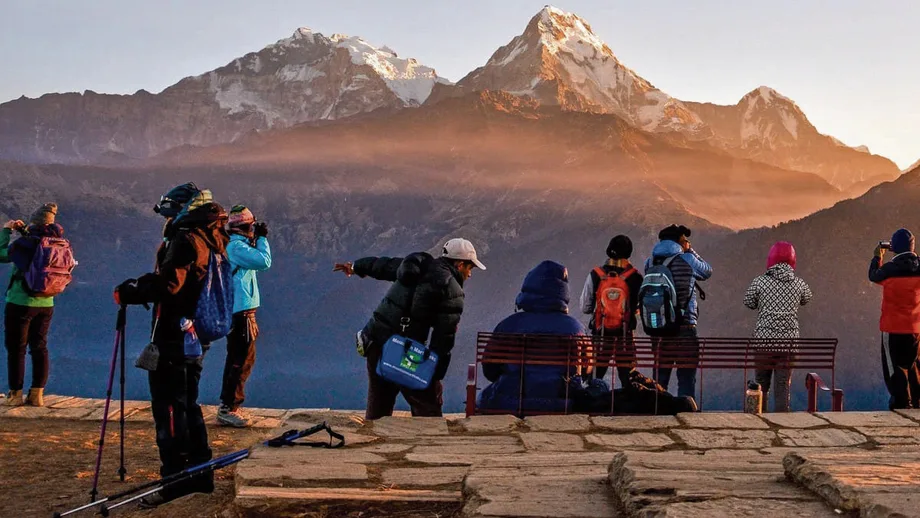
Nepalis living in the United States contributed to the arrival figures as well. People holding American passports travelled to Nepal to see family during major festivals, including Dashain and Tihar.
The American total consequently includes people making different kinds of journeys: adventure holidays, family visits and other travel. Tour operators identified both trekking demand and visits by the Nepali diaspora as contributors, although no numerical breakdown between those groups was given.
China and Europe broaden October's growth
Chinese arrivals rose from 6,755 in October 2025 to 11,695 in October 2026. The increase of 4,940 visitors amounted to about 73.1%, considerably faster than the growth rate for American arrivals.
China's monthly rise was more modest. Its October figure was 483 higher than September's 11,212, an increase of about 4.3%. That put China close behind India in the October rankings.
Europe supplied 39,877 visitors, compared with 15,148 in the same month last year. That was an increase of 24,729, or about 163.3%. European visitors accounted for roughly 30% of Nepal's October total.
The United Kingdom ranked fourth among individual countries of origin. Arrivals from the United Kingdom and Australia combined exceeded 9,000.
These gains help explain how Nepal recorded national growth despite the fall in Indian arrivals. The European increase alone was much larger than the total monthly gain of 4,371 visitors, showing that substantial growth in some markets occurred alongside declines elsewhere.
India's setback follows a record month in May
India's October decline followed a strong performance earlier in 2026. In May, Nepal received 40,782 Indian visitors by air, the highest monthly figure recorded for that market, according to the Nepal Tourism Board.
The May figure was 32.66% higher than a year earlier. It had raised expectations of a sustained recovery after disruptions linked to natural disasters, political tensions, air crashes and rising airfares.
India had also set an annual record in 2023, when 319,936 Indian tourists arrived through air routes. Further disruptions in 2024 contributed to declines over several consecutive months.
For businesses serving Indian visitors, the August floods interrupted a recovery already visible in the May figures. Operators said restoring confidence would depend on travellers receiving reassurance about roads, transport connections and destination safety.
No firm timetable was given for Indian arrivals to recover. Businesses handling organised pilgrimages remained especially exposed because their customers need several parts of a journey to operate together.
What Nepal needs to reach a new annual record
Nepal's 998,734 foreign arrivals between January and October 2026 represented growth of 5.83% over the same period a year earlier. The country welcomed 1,147,567 foreign tourists in 2024 and 1,158,459 in 2025.
The annual record remains 1,197,191, set in 2019. Nepal must receive at least 198,458 visitors across November and December to move above that total, equivalent to an average of 99,229 arrivals per month.
October's 132,814 arrivals were above that required monthly average. August's 88,248 were below it. The final result will depend on the number of visitors arriving during the last two months, while transport disruptions continue to affect parts of the market.
October's figures give tourism businesses evidence of strong demand from the United States, China and Europe. The immediate challenge is to sustain those arrivals while restoring the routes and confidence on which Indian pilgrimage travel depends.
Key Points
- Nepal received 132,814 foreign tourists in October 2026, up 3.4% from October 2025.
- The United States ranked first with 17,437 arrivals, an increase of 31.24%.
- Indian arrivals fell about 30% to 12,097 after floods disrupted roads and pilgrimage travel.
- China ranked third with 11,695 visitors, up about 73% from a year earlier.
- European arrivals reached 39,877, compared with 15,148 in October 2025.
- Nepal needs 198,458 visitors in November and December to exceed its 2019 annual record.