Teachers to receive 169,008 laptops as rollout begins in November
The Philippine Department of Education has procured 172,654 Apple MacBook Neo laptops at about P43,000 each, putting the estimated value of the purchase at P7.4 billion. Deliveries are scheduled from November 2026 through March 2027, with 169,008 computers allocated to public school teachers and 3,646 to administrative officers.
Contents
- Teachers to receive 169,008 laptops as rollout begins in November
- What the P43,000 price includes
- A large order still leaves many teachers waiting
- How the delivery schedule fits together
- What teachers can do with the computers
- GuroXL connects the hardware to classroom practice
- Why the earlier laptop controversy matters
- Why Apple sees an opening in Philippine schools
- The deal sits within a growing Mac business
- Key Points
The package includes productivity software, delivery, teacher training and a warranty lasting five years, according to the department, known as DepEd. The deployment is expected to reach more than 16,400 public schools offering elementary and secondary education across Luzon, the Visayas and Mindanao.
Apple chief executive John Ternus announced the agreement during the company's earnings call on November 2 in the United States, early November 3 in Manila. He described its scale in terms specific to Apple's Mac business.
We recently secured our biggest education deal ever for Mac with the Department of Education in the Philippines. They're going to deploy 170,000 MacBook Neos to teachers and staff.
DepEd's detailed allocation puts teachers and administrative officers at the center of the purchase. Some initial descriptions included students among recipients; the department's breakdown assigns the devices to employees, while students are expected to benefit through lessons and classroom activities.
The purchase gives Apple's cheapest laptop a major institutional customer. For the Philippines, it represents a substantial step toward President Ferdinand Marcos Jr.'s pledge to provide every public school teacher with a laptop before his term ends in 2028. The immediate task is to turn a large purchase into functioning equipment in schools, supported by training and repairs.
What the P43,000 price includes
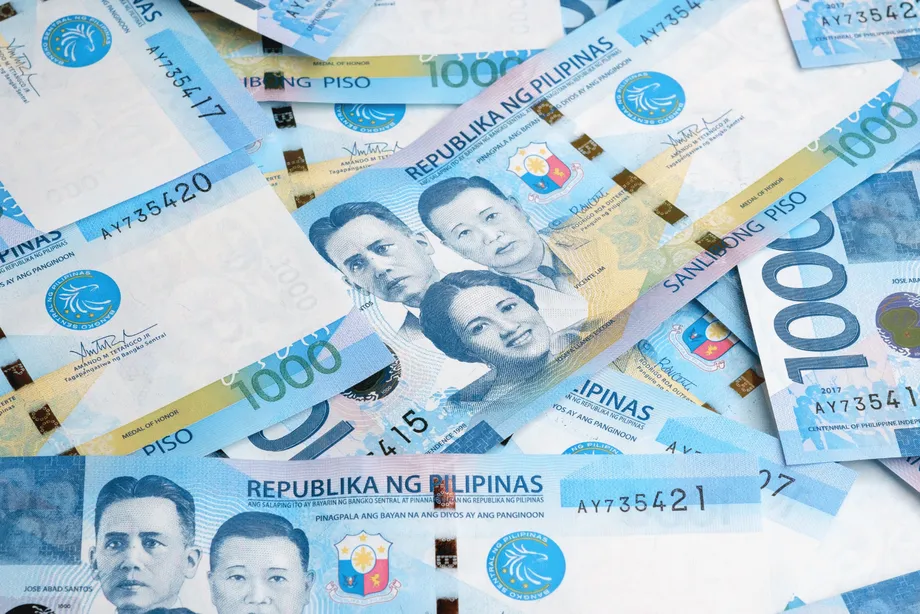
DepEd said it completed competitive bidding for the laptops and secured a price approximately P6,900 below the P49,900 suggested retail price it cited for the base model with 256GB of storage. That amounts to a discount of about 13.8 percent against the department's retail benchmark.
Multiplying 172,654 laptops by the approximate price of P43,000 produces P7.424 billion. The figure is an estimate because the department has not disclosed the exact contract amount, approved procurement budget, number of bidders, winning bidder or full hardware configuration.
The purchase price covers more than the computer itself. DepEd says built-in productivity software, logistics, delivery and professional development are included. Those services matter for schools spread across an archipelago, where getting equipment to recipients and helping them use it are separate tasks.
The warranty lasts five years, compared with the standard year of coverage for retail units. DepEd described that duration as a first for its laptop purchases. A longer warranty gives schools more time to seek covered repairs without immediately finding money for replacement equipment.
Public education and general retail prices serve different buyers. Apple's Philippine education store has listed a starting price of P45,990, while general retail listings place the base model near P49,900. DepEd's negotiated package combines a lower unit price with services and longer coverage.
A large order still leaves many teachers waiting
DepEd has awarded contracts for 231,725 laptops specifically for teachers under its Computerization Program. That total consists of 169,008 MacBook Neos and 62,717 computers running Windows. The additional 3,646 MacBooks for administrative officers bring the combined teacher and administrative procurement to 235,371 devices.
The Philippines has nearly 900,000 public school teachers. Using that approximate workforce figure, the 231,725 laptops contracted for teachers would cover about 25.7 percent, or roughly one in four. Macs make up about 73 percent of those teacher laptop contracts, with Windows devices accounting for the remainder.
The figures show both the size of the purchase and the distance still to travel toward universal provision. Contracts also come before delivery: teachers receive the practical benefit when the equipment reaches them and becomes available for daily work.
Earlier modernization plans earmarked P10.66 billion for 120,000 teacher laptops and 22,000 smart television packages. DepEd also outlined a broader ambition to buy more than 250,000 teacher laptops under its 2026 budget. These figures describe different planning targets and equipment packages; the current contract breakdown provides the clearest count of teacher laptops awarded so far.
The Alliance of Concerned Teachers criticized the pace of provision in August, questioning the distribution of voice amplifiers while teachers were still waiting for laptops. DepEd responded that procurement took time because equipment had to meet requirements for performance, durability, battery life and warranty coverage.
How the delivery schedule fits together
DepEd plans to distribute the MacBook Neos between November 2026 and March 2027, with launch activities for school clusters in Luzon, the Visayas and Mindanao. Schools will nominate eligible teachers to receive the computers.
The main milestones span the laptop's launch, the procurement announcement and the government's longer education commitment:
- March 2026: Apple introduced the MacBook Neo, its first laptop powered by the A18 Pro chip originally used in iPhones.
- June 2026: Philippine retail prices rose by P10,000 amid a global shortage of memory chips.
- November 2, 2026, in the United States: Ternus announced the Philippine agreement during Apple's quarterly earnings call.
- November 3, 2026, in Manila: DepEd detailed the allocation of 172,654 laptops, their approximate price and the delivery window.
- November 2026 to March 2027: Distribution is scheduled across the country's three main island groups.
- 2028: Marcos's term ends, setting the deadline for his pledge to provide every public school teacher with a laptop.
Apple has said Mac supplies will remain constrained during the October to December quarter, overlapping the start of DepEd's rollout. The department's schedule therefore places the first deliveries within a period when Apple is already managing pressure on supply.
What teachers can do with the computers
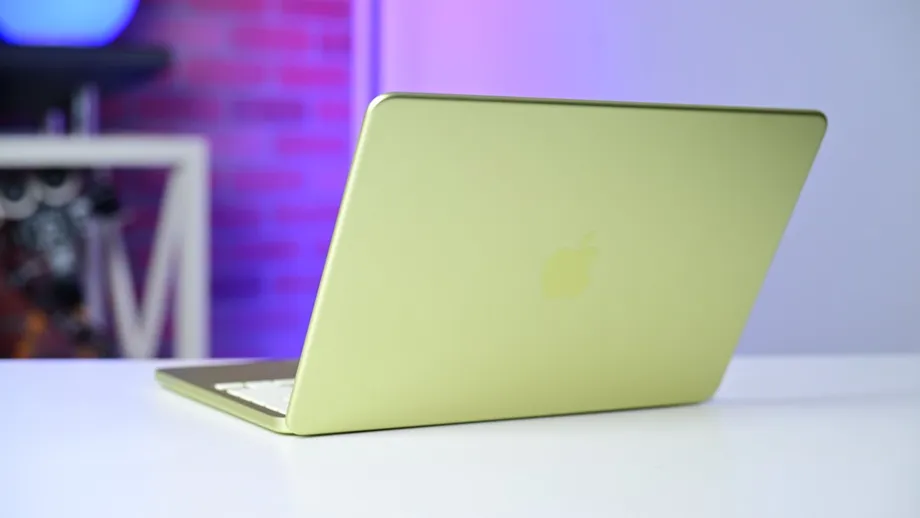
The MacBook Neo was introduced as Apple's most affordable laptop and remains its least expensive MacBook despite price increases. Its A18 Pro processor is the main chip that runs applications and handles calculations. Using a chip first developed for an iPhone marked a departure from the M series processors used in other recent Macs.
The model's listed configuration includes 8GB of memory, a screen measuring 13 inches and either 256GB or 512GB of storage. Memory helps a computer keep applications running, while storage holds documents, software and other files. DepEd has not specified which storage configuration will be delivered.
Teachers will have access to Pages for documents, Numbers for spreadsheets, Keynote for presentations and Freeform for visual planning. Apple says these applications are available without additional licensing or subscription charges. They cover common tasks such as writing lesson plans, maintaining class records and preparing teaching materials.
Apple describes the laptop as having an aluminum body, built-in security and a fanless design, meaning it operates without a cooling fan. Published battery ratings reach up to 16 hours for video playback or 11 hours for wireless web use. Those ratings describe particular activities; a teacher's working day will involve a changing mix of applications, screen brightness and internet use.
GuroXL connects the hardware to classroom practice
DepEd and Apple are developing GuroXL, a training framework delivered through the National Educators Academy of the Philippines. The program aims to guide educators toward Apple Teacher certifications and other credentials in technology leadership.
The Apple Education Community will provide continuing support through teaching resources and exchanges among educators. Filipino teachers have already published more than 70 lesson plans on the platform aligned with the Philippine elementary and secondary curriculum.
Those local examples give recipients a starting point that connects the new computers to subjects they already teach. A lesson plan built around the national curriculum can be easier to adapt than a generic demonstration of an unfamiliar application.
Education Secretary Sonny Angara linked the purchase to the expense teachers have shouldered themselves. In a statement, he described the burden of buying or maintaining computers for schoolwork.
For the longest time, our teachers have carried the heavy personal burden of buying their own laptops or maintaining outdated equipment just to keep up with lesson plans.
A government supplied device can shift that cost away from individual teachers. Training and warranty support address two further needs: learning a different operating system and keeping equipment usable after distribution.
Why the earlier laptop controversy matters
The purchase comes after a separate procurement of 39,583 teacher laptops in 2021 at P58,300 each through the procurement service of the Department of Budget and Management. The Commission on Audit flagged that purchase in 2022 over its price and outdated processors.
The higher unit cost reduced the intended number of beneficiaries from 68,500 to 39,583. The Senate subsequently estimated at least P979 million in overpricing. In July 2025, the Ombudsman ordered graft and falsification charges filed against former education secretary Leonor Briones and other officials over that earlier transaction.
The new MacBook procurement price is approximately P15,300 lower per device than the P58,300 paid in 2021, a reduction of about 26 percent. DepEd also points to the longer warranty and included training as features of the new package.
Price, specifications, delivery and repair arrangements all affect what the public receives for its money. Publication of the contract and bidding details would allow closer examination of those terms alongside the department's announced unit price and allocation.
Why Apple sees an opening in Philippine schools
Ternus used the Philippine agreement to illustrate Apple's interest in education and emerging markets during his first earnings call since succeeding Tim Cook as chief executive on September 1. His explanation extended beyond the immediate sale of computers.
Opportunities like this bring more users into our ecosystem and help fuel growth across our business.
Apple's ecosystem is the connected set of devices, applications, accounts and services that people use together. Teachers who begin working on a Mac may become familiar with Apple's software and training resources over several years. That gives the company a route to sustained use beyond the initial hardware delivery.
The MacBook Neo's original United States education price was $499, rising to $649 in late October, an increase of $150, or about 30 percent. The Philippine procurement illustrates a different route to affordability: purchasing in large quantities with a negotiated package of services and support.
DepEd is also continuing to buy Windows laptops. Its contracts therefore involve two operating systems, each with its own software and support requirements. Schools receiving Macs will need to fit the new devices into existing routines for exchanging documents, maintaining records and preparing lessons.
The deal sits within a growing Mac business
Apple reported September quarter revenue of $114.5 billion, compared with about $102.5 billion a year earlier. Mac revenue reached $10.792 billion, up from $8.726 billion, an increase of 23.68 percent. Full fiscal year Mac revenue rose 12.5 percent to approximately $37.9 billion.
Chief financial officer Kevan Parekh said Mac revenue grew by double digits in developed and emerging markets, reaching records in India and Southeast Asia. The Philippine agreement gives a concrete example of the institutional demand Apple is pursuing in the region.
Market tracking firms estimated that Mac shipments fell about 11 percent during the corresponding calendar quarter, even as Apple's revenue rose. Revenue measures money earned, while shipment estimates count computers entering sales channels. Higher prices and the mix of models sold can move revenue differently from unit volumes.
For Philippine educators, the next measurable milestone is delivery through March 2027. The purchase has established how many employees are due to receive Macs and what the package promises. Its everyday value will come through lesson preparation, administrative work and reliable access to a computer without teachers having to finance one themselves.
Key Points
- DepEd procured 172,654 MacBook Neos: 169,008 for teachers and 3,646 for administrative officers.
- The approximate P43,000 unit price puts the order's estimated value at P7.4 billion.
- The package includes productivity software, delivery, training and a warranty lasting five years.
- Distribution is scheduled from November 2026 through March 2027 across more than 16,400 public schools.
- Teacher laptop contracts, including Windows devices, total 231,725, enough for roughly one in four public school teachers.
- Apple calls the agreement its biggest education deal ever for Mac.
- The exact contract amount, winning bidder and complete hardware configuration have not been disclosed.